
To know if a seat cover will fit your Honda Wave 100 properly, you must identify your motorcycle’s exact model year, measure the physical dimensions of your seat, and evaluate the cover’s fastening mechanism. Because the Honda Wave 100 has gone through several design updates over its long production history, relying on a generic “underbone” label often leads to a loose, uncomfortable, or unsafe fit. Taking a few minutes to verify compatibility before purchasing prevents the hassle of returns and ensures your daily commute remains comfortable and secure.
The Honda Wave 100 is a staple of daily transportation in the Philippines, relied upon by thousands of riders for its durability. However, a worn-out or poorly covered seat can quickly turn a smooth ride into an uncomfortable chore, especially during long hours on the road. By understanding how to check for a precise fit, you can protect your motorcycle’s seat foam from the harsh tropical elements while maintaining optimal riding control.
Why Universal Seat Covers Often Fail on the Wave 100
Universal seat covers are designed to stretch over a wide variety of motorcycle models, but this broad compatibility comes at the cost of a tailored fit. On a distinct underbone frame like the Honda Wave 100, a universal cover often fails to conform to the specific contours of the seat pan, especially since minor design updates and seat contour changes across different production years affect compatibility. This mismatch leads to several common issues, starting with unsightly wrinkling and bunching of the material along the rider’s seating area.
Products mentioned in this guide
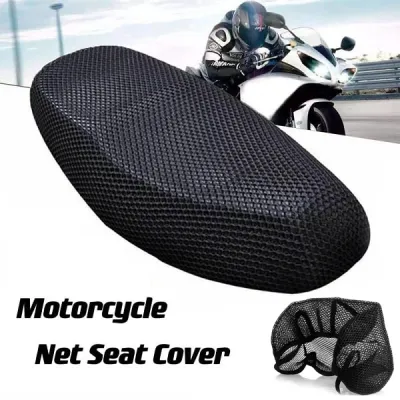
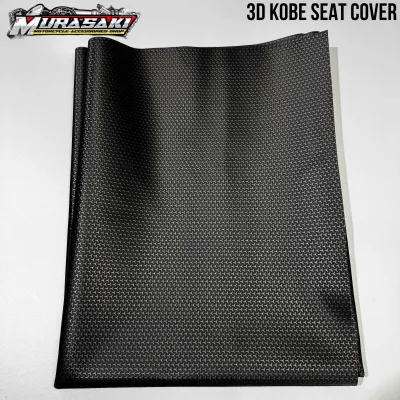
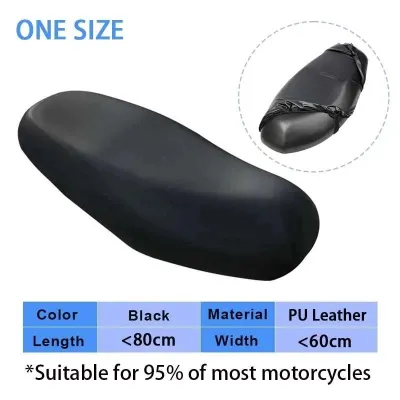
![AMZs SEAT COVER MOTORCYCLE ACCESSORIES [UNIVERSAL]](https://img.lazcdn.com/g/ff/kf/S002b5d46213f4eeaa596bde85c0cfd7aA.jpg_400x400q80.jpg_.webp)
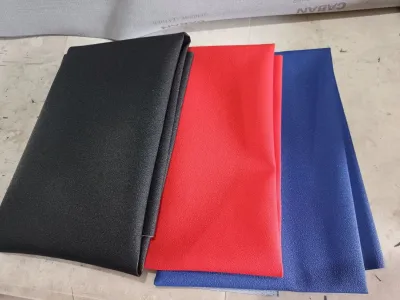
Prices are valid at publication and may change. Please refer to the product page for the latest price.
Beyond aesthetics, a poorly fitting universal cover poses a direct safety hazard while operating your motorcycle. When a cover is too loose, the material can slip or slide across the slick vinyl underneath during sudden braking or sharp turns. This sudden shift in your seating position can compromise your balance, which is particularly dangerous when navigating heavy traffic or wet roads. Additionally, excess material that does not wrap tightly around the bottom edge of the seat pan can interfere with the seat latching mechanism, preventing it from locking securely to the frame.
Generic stretch covers also tend to leave the lower edges of the seat foam exposed to the elements. In a tropical climate where intense sun exposure is quickly followed by heavy monsoon downpours, exposed foam acts like a sponge. Once rainwater penetrates the foam, it remains trapped inside, leading to a soggy ride for days and accelerating the deterioration of the seat’s internal structure. Tailored, model-specific covers, on the other hand, are patterned to wrap completely around the seat’s bottom lip, providing a barrier against moisture.
How to Identify Your Exact Wave 100 Variant and Seat Condition
Before searching for a new seat cover, you must pinpoint the exact variant and model year of your Honda Wave 100. You can find this information by checking the chassis number stamped on the steering head tube or by reviewing your motorcycle’s Certificate of Registration (CR) and Official Receipt (OR). Knowing whether you own a classic Wave 100, a Wave 100R, or a later model year is crucial, as the seat profiles and tail tapers of these variants are not identical. Never infer compatibility from a broad category term; always verify the vehicle model and year from your official documentation.

It is equally important to determine if your motorcycle still has its original factory seat, a modified profile, or an aftermarket replacement base. In the local motorcycle community, modifying seats is highly popular, with many riders opting for “flat seats,” shaved foam profiles, or aftermarket replacement seat bases to lower the ride height or alter the bike’s stance. If a previous owner shaved the foam to create a lower profile, a standard replacement cover designed for an OEM Wave 100 seat will be far too loose, resulting in excess fabric that bunches up when you sit down.
To assess your seat’s current condition, press down firmly on different areas of the foam to check its density and resilience. Over years of daily commuting, the polyurethane foam naturally compresses, loses its bounce, or crumbles due to rider weight and UV exposure. Checking the physical condition of the underlying seat foam is essential, as compressed or worn foam alters the required cover tension and size. If the foam is severely collapsed or has deep indentations, a new slip-on cover will not sit flat, causing the cover to sag and reducing its durability.
Essential Fitment Features to Check Before Buying
When browsing online marketplaces or local accessory shops, you must evaluate how the seat cover attaches to the seat pan. The most common DIY options include elastic hems, drawstrings, built-in Velcro straps, or hooks. For a secure fit on a Honda Wave 100, look for covers that feature heavy-duty, adjustable drawstrings or thick elastic bands that can be pulled tight and tied securely under the seat pan, ensuring they match your seat’s base structure.
The placement of the seams and the stitching pattern on the cover should align naturally with the curves of your Wave 100 seat. A well-designed cover will have reinforced stitching along the transition point between the rider’s section and the elevated passenger section. If the seams do not align with these natural pivot points and passenger zones, the material will stretch unevenly when you sit down, putting immense pressure on the thread. Look for double-stitched or heat-sealed seams, which offer superior resistance against water penetration and tearing under daily stress.
Always read the product labels and seller descriptions carefully, looking for explicit Wave 100 year-range compatibility rather than relying on generic underbone claims. A listing that claims “fits Wave 100 2005-2009” is far more reliable than one that says “fits most underbone motorcycles.” If you are shopping on an online marketplace, read the customer reviews and look for photos uploaded by other Honda Wave 100 owners. These real-world photos provide invaluable visual evidence of how the cover actually fits the specific curves and edges of the bike.
How to Measure and Verify Seat Cover Dimensions
To guarantee a perfect fit, do not rely solely on model names; instead, take physical measurements of your seat and compare them to the manufacturer’s size chart. To do this accurately, you will need a flexible sewing tape measure. Avoid using a stiff metal tape measure, as it cannot bend around the contours of the seat and will give you inaccurate, shorter readings.
Start by measuring the overall length of the seat. Place the start of the tape measure at the very front tip of the seat near the fuel tank, pull it along the center line over the rider’s dip and the passenger’s rise, and wrap it down to the rear edge of the seat pan. Next, measure the maximum width of the seat, which is typically located across the passenger section. Finally, measure the contour depth at the deepest part of the rider’s seat by running the tape from the top surface down to the bottom edge of the plastic pan where the cover will wrap around.
Once you have these measurements, compare them with the seller’s size chart, keeping in mind the material’s stretch allowance. A high-quality vinyl cover should have a small amount of stretch to ensure a snug, wrinkle-free fit, but it should not require extreme force to install. Before finalizing your purchase on any online marketplace, verify the seller’s return and exchange policies in case the fitment is incorrect upon delivery. Choose sellers who offer hassle-free returns or exchanges for fitment issues, and test-fit the cover gently over the seat without removing any protective tags.
When to Skip Slip-On Covers and Seek Professional Upholstery
While slip-on seat covers are an affordable and convenient DIY solution, they have clear limitations. If your Honda Wave 100 seat has severely degraded, cracked, or crumbling foam, a slip-on cover is merely a temporary cosmetic fix. It cannot restore the lost structural support, and riding on collapsed foam will continue to cause discomfort and fatigue. In such cases, the underlying foam must be rebuilt or replaced entirely.
Another critical warning sign is a waterlogged seat. If your original seat cover has been torn for a long time, the foam underneath has likely absorbed a significant amount of water. Installing a waterproof slip-on cover over wet foam or damaged waterproofing layers traps the moisture inside. In a humid climate, this trapped moisture creates a breeding ground for mold and mildew, which can cause foul odors and accelerate the rusting of any metal brackets or staples underneath.
If you encounter these severe issues, or if your seat pan is cracked and warped, it is best to skip DIY covers and visit a local professional motorcycle upholstery shop. A professional upholsterer can strip the seat down to the bare pan, repair or replace the damaged foam, and custom-stitch a heavy-duty vinyl cover directly to the base. While this option may cost more than a basic slip-on cover, it provides a permanent, perfectly tailored, and safe solution that will last for years of daily riding.
Before reinstalling your seat after any cover replacement or professional work, always double-check that the seat hinges, latch, and mounting bolts are securely tightened according to your motorcycle’s original specifications. A loose seat can detach while riding, leading to a severe loss of control and potential injury. Ensure that the seat is fully locked and does not wobble before operating the vehicle.
Frequently Asked Questions (FAQ)
Can I use a seat cover designed for other Honda underbone models on my Wave 100?
It is highly discouraged to use seat covers designed for other Honda underbone models, such as the Wave 110, Wave 125, or XRM, unless the manufacturer explicitly states they share the exact same seat pan dimensions. Even though these motorcycles look similar, they have different frame geometries, seat lengths, and rear tapers. Attempting to force a cover from a different model onto your Wave 100 will result in a loose fit, excessive material stress, or exposed foam, which compromises both the durability of the cover and your safety while riding.
Will a tight seat cover damage the original seat leather?
A properly fitted, tight seat cover will not damage the original factory vinyl under normal conditions. However, damage can occur if dust, road grit, or moisture becomes trapped between the two layers. Over time, the friction caused by your body weight moving on the seat acts like sandpaper, slowly wearing away the original vinyl underneath. To prevent this, thoroughly clean and dry the original seat surface using mild soap and water as authorized by standard vinyl care instructions before installing the new cover, and avoid using harsh chemical cleaners that can degrade the vinyl or polyurethane materials.

Community discussion
Share your experience or ask a question. Comments are reviewed before publication.