
Riding a motorcycle in the Philippines requires reliable protective gear to navigate busy highways, unpredictable weather, and congested city streets. Among the most popular local choices, Evo helmets are widely visible on daily commutes. However, the popularity of any brand inevitably attracts counterfeit products that compromise rider safety.
To verify if your Evo helmet has a valid certification, you must inspect the physical helmet for a genuine, tamper-evident Import Commodity Clearance (ICC) sticker or Philippine Standard (PSB) mark, verify the unique serial number, and cross-reference the helmet’s design with official standards. Taking these steps ensures your helmet is legally compliant and built to protect you in an accident.
Understanding PSB and ICC Marks for Motorcycle Helmets
In the Philippines, motorcycle helmet safety is regulated under Republic Act No. 10054, also known as the Motorcycle Helmet Act. This law mandates that all motorcycle riders wear standard protective helmets that bear the appropriate safety marks. These certifications are managed by the Bureau of Philippine Standards (BPS), an agency under the Department of Trade and Industry (DTI).
Products mentioned in this guide
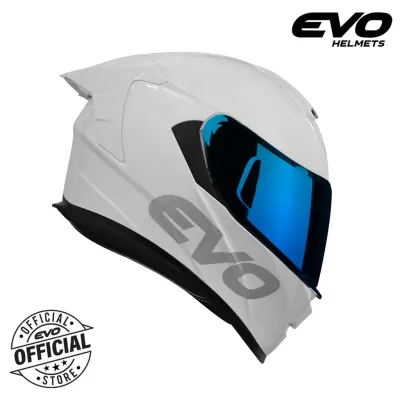
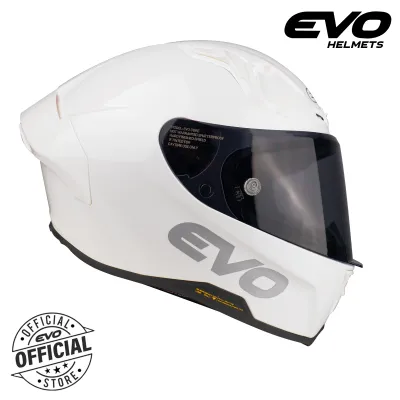
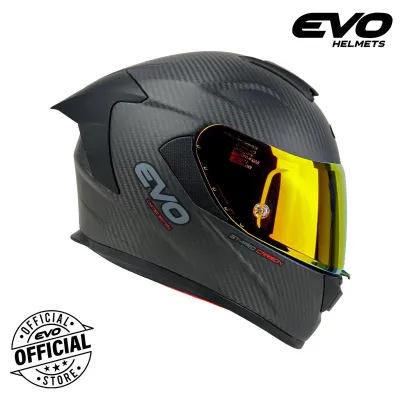
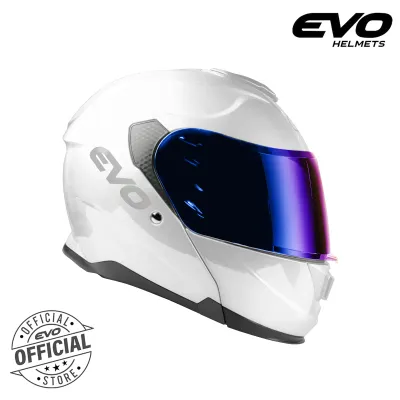
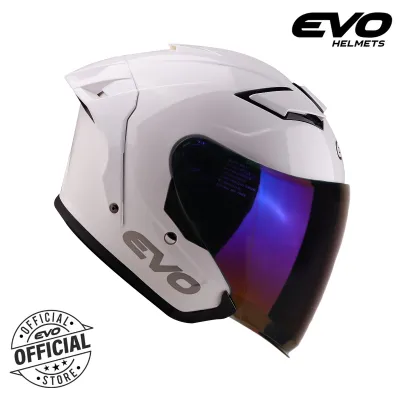
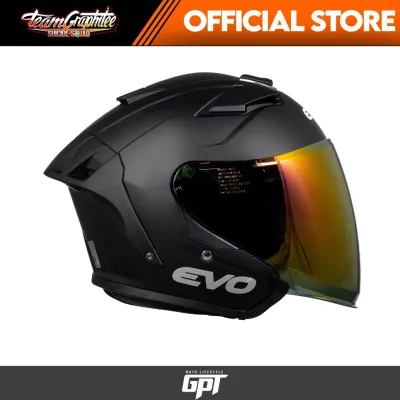
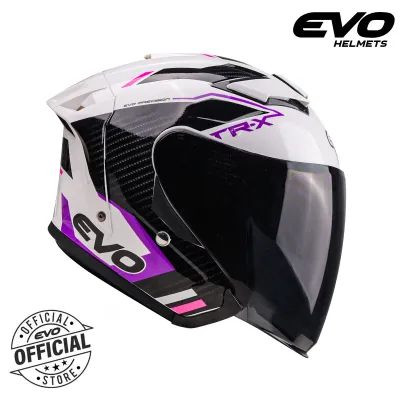
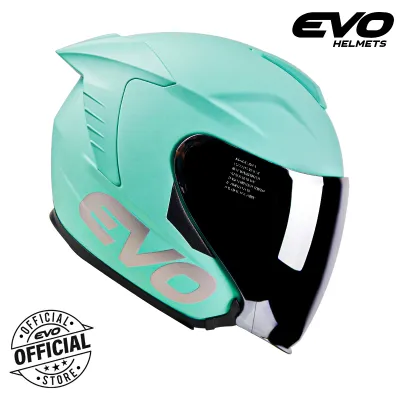
Prices are valid at publication and may change. Please refer to the product page for the latest price.
The PSB (Philippine Standard) quality mark is typically issued for locally manufactured products, certifying that the factory meets national quality standards. On the other hand, the ICC (Import Commodity Clearance) sticker is designated for imported consumer goods, including motorcycle helmets. Because Evo helmets are imported, they must carry a valid ICC sticker to be legally distributed and used on public roads.
These marks are not mere decorative decals; they serve as official proof that a specific helmet model has undergone rigorous laboratory testing. The evaluation includes impact attenuation tests, penetration resistance tests, and chin strap retention strength checks. Riding with a certified helmet ensures that the gear meets these baseline safety requirements before it ever reaches the road.
Visual Inspection: Locating Authentic Safety Stickers and Labels
To begin your inspection, look at the lower rear portion of the helmet’s outer shell. This is the standard placement area for the ICC or PSB certification sticker. A genuine sticker is designed to be highly visible to law enforcement officers and safety inspectors without obstructing the helmet’s design.

A genuine ICC sticker features a distinct holographic design that shifts colors and reflects light when tilted. The printing of the “ICC” letters, the DTI logo, and the unique serial number must be sharp, clear, and perfectly aligned. If the text looks blurry, pixelated, or off-center, the sticker may be a counterfeit reproduction.
Furthermore, authentic compliance stickers are made of tamper-evident materials. If someone attempts to peel a genuine sticker off the shell, it will tear, self-destruct, or leave a distinct pattern behind. A sticker that can be peeled off cleanly in one piece and transferred to another helmet is a major warning sign of a fake.
Beyond the outer sticker, you must inspect the inner compliance label. Gently pull back the comfort liner inside the helmet to locate the manufacturing label stitched or glued to the EPS (expanded polystyrene) foam liner. This label should display the manufacturer’s name, the specific model designation, the production date, the helmet size, and international safety standards such as ECE 22.05, ECE 22.06, or DOT.
Step-by-Step Verification Process
Validating your helmet’s authenticity requires a systematic approach that goes beyond a quick visual glance. Follow these steps to ensure your riding gear is genuine:
First, locate the ICC sticker on the back of the helmet and write down the unique serial number printed on it. This number is registered with the DTI and corresponds to a specific import shipment.
Second, cross-reference the helmet model with the official Evo catalog or website. Check if the colorway, graphic design, visor mechanism, and shell shape match the official specifications of that model. Counterfeiters often mix and match parts or use generic shell shapes that do not exist in the official lineup.
Third, inspect the physical build quality of the helmet. Check the quick-release buckle or double D-ring strap mechanism. Genuine Evo helmets use robust metal or high-grade composite materials for their retention systems. The EPS foam liner inside should be dense, uniform, and firmly attached to the outer shell, rather than loose, squishy, or easily compressed with your fingers.
Fourth, consult official government resources. The DTI periodically updates and publishes lists of certified helmet brands and models on their official portals. You can check these lists to verify if the specific Evo model you own or plan to buy has been granted an official import commodity clearance.
Red Flags: Common Signs of Counterfeit or Non-Compliant Helmets
Identifying a counterfeit helmet can save your life. One of the most common red flags is poor print quality on the certification sticker. If the holographic elements do not shift colors under light, or if the serial number looks like it was printed on a standard home inkjet printer, the helmet is likely non-compliant.
Another warning sign is a peeling sticker. Genuine stickers use industrial-grade adhesives designed to withstand tropical heat, humidity, and rain. If the edges of the sticker are lifting, or if the sticker is easily removable, it did not come from an authorized manufacturing batch.
Missing inner labels are also a clear indicator of a fake. A genuine helmet will always have its manufacturing details, size, and international safety standards clearly printed on the inside. If the interior of the helmet only features generic fabric padding with no technical labels underneath, do not trust it.
Unusually low pricing is a major red flag. If an online seller offers a brand-new Evo helmet for ₱800 when the official retail price for that model is closer to ₱3,000, the product is almost certainly a counterfeit. Genuine safety gear requires quality materials and testing, which cannot be profitably sold at extremely low prices.
Finally, examine the overall construction. Flimsy outer shells that flex excessively when squeezed, loose stitching on the comfort liner, rattling visor mechanisms, and cheap plastic buckles are all signs of a substandard helmet that will fail to protect you during an impact.
Where to Buy Genuine Evo Helmets Safely
To minimize the risk of purchasing a counterfeit or uncertified helmet, always buy from authorized physical dealers and official brand stores. Legitimate retail outlets receive their inventory directly from authorized distributors, ensuring that every helmet on display carries a valid, factory-applied certification mark.
If you prefer to shop on e-commerce platforms, only purchase from verified flagship stores or authorized digital storefronts. Avoid buying from unverified third-party sellers who cannot provide clear proof of authenticity. Before making a purchase online, read customer reviews carefully and look for photos of the delivered products to verify the presence of the holographic ICC sticker.
Do not hesitate to ask the seller for close-up photos of the actual ICC sticker and the inner compliance label of the specific helmet they plan to ship to you. A reputable seller will gladly provide these details to confirm compliance.
Always request an official receipt with your purchase. A legitimate receipt is essential for warranty claims, serves as proof of purchase from an authorized distributor, and can be presented to traffic law enforcement officers if any questions arise regarding your gear’s compliance.
What to Do If You Suspect a Fake Helmet
If you inspect your helmet and suspect it is a counterfeit or lacks valid certification, stop using it immediately. A counterfeit helmet does not offer verified impact protection. In the event of a crash, a substandard shell and low-density foam can crack or compress completely, leading to severe head injuries.
Contact the seller or the e-commerce platform where you purchased the helmet to report the counterfeit product. Most reputable online marketplaces have buyer protection policies that allow you to initiate a return and secure a full refund if you can demonstrate that the item is counterfeit.
Additionally, report the seller to the DTI or the Fair Trade Enforcement Bureau (FTEB). Filing a formal complaint helps authorities track down distributors of substandard riding gear, protecting other riders from purchasing dangerous, non-compliant helmets.
Frequently Asked Questions (FAQ)
Can I legally ride in the Philippines with an Evo helmet that only has an ICC mark?
Yes, you can legally ride with an Evo helmet that only has a genuine ICC mark. Because Evo helmets are imported goods, they are certified under the Import Commodity Clearance (ICC) scheme rather than the PSB scheme, which is reserved for locally manufactured products. As long as the ICC sticker is genuine, valid, and matches the specific helmet model, it meets all legal requirements for road use in the Philippines.
Do PSB and ICC stickers guarantee the helmet will protect me in a crash?
These certifications indicate that the helmet model has passed mandatory laboratory tests for impact absorption, penetration resistance, and strap retention. However, real-world protection also depends on a proper, snug fit, the helmet being securely fastened, and the overall condition of the gear. A helmet that is too loose, unbuckled, or has sustained a prior impact will not protect you effectively, regardless of its certification stickers.

Community discussion
Share your experience or ask a question. Comments are reviewed before publication.