
To verify if your Evo Radix helmet is authentic and carries a valid safety certification, you must perform three primary checks. First, look for the official Import Commodity Clearance (ICC) or Philippine Standard (PS) certification sticker, which features a unique serial number and a verifiable holographic design. Second, inspect the physical build quality, focusing on the density of the inner liner, the clarity of the visor, and the alignment of the branding. Finally, ensure you purchase the helmet only from authorized physical dealerships or official online brand stores to guarantee its legitimacy.
Why Authenticity and PSB Certification Matter
In the Philippines, riding a motorcycle requires protective gear that meets strict national safety standards. The Bureau of Philippine Standards (BPS) issues the Import Commodity Clearance (ICC) and Philippine Standard (PS) marks to certify that a helmet has undergone rigorous impact, penetration, and retention system testing. These marks serve as your assurance that the helmet can absorb forces during an accident and remain securely on your head.
As a critical safety restraint system, a motorcycle helmet must never be modified, painted with unauthorized chemicals, or disassembled beyond the manufacturer’s instructions, as these actions can compromise its structural integrity and void its safety certification. Using a counterfeit or uncertified helmet exposes you to severe safety risks. Fake helmets often utilize cheap, brittle plastics for the outer shell and low-density foam for the inner liner, which can crack easily under minor impacts. Furthermore, operating a motorcycle on public roads with a non-compliant helmet is a direct traffic violation, which can result in significant fines and confiscation of the gear by traffic law enforcers.
Products mentioned in this guide
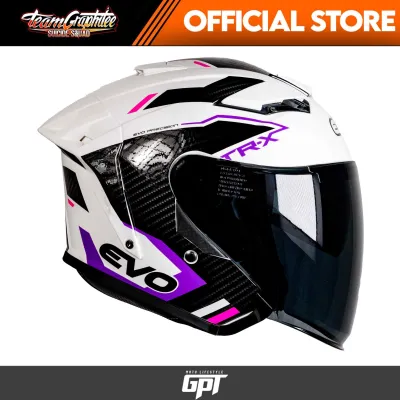
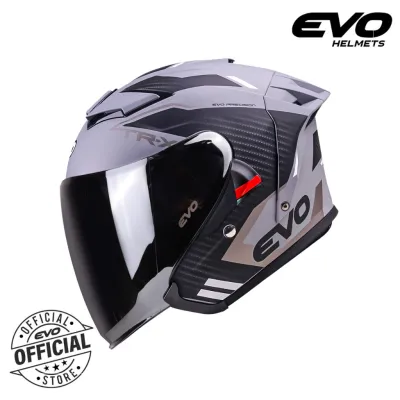
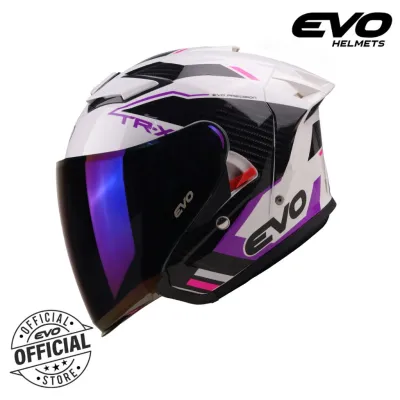
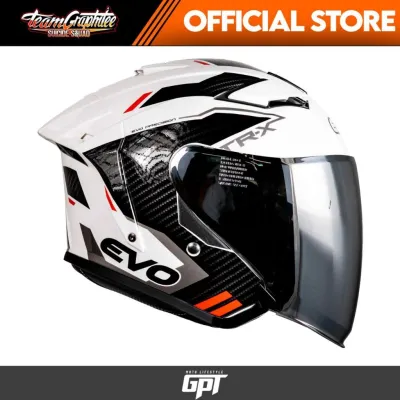
Prices are valid at publication and may change. Please refer to the product page for the latest price.
How to Verify PSB and ICC Certification Marks
The most critical step in confirming the safety compliance of your Evo Radix helmet is inspecting the certification stickers. On genuine helmets sold in the local market, the ICC or PS sticker is typically affixed to the rear or lower portion of the helmet shell. This sticker is not a simple piece of paper; it features a holographic layer that reflects light differently when tilted, along with a unique serial number printed clearly on the surface.

To validate the sticker, you can cross-reference the serial number with the official database or guidelines provided by the Bureau of Philippine Standards (BPS). Authentic stickers are applied using strong adhesives that make them difficult to peel off without tearing. If you notice a sticker that is peeling at the edges, easily removable, or lacks the holographic security features, it is a major indicator of a failed compliance check.
Additionally, some riders look for the PSB (Product Standards Board) certification mark, which is common on helmets sourced from regional markets like Singapore. While a PSB mark indicates compliance with Singaporean standards, local regulations in the Philippines strictly mandate the presence of a valid ICC or PS sticker for road legality. Always verify that the specific helmet model and batch match the official certification records before riding.
Physical and Packaging Markers to Inspect
A genuine Evo Radix helmet exhibits high-quality manufacturing standards that counterfeiters struggle to replicate. Start your physical inspection by examining the inner Expanded Polystyrene (EPS) liner. In an authentic helmet, this shock-absorbing foam is dense, firmly seated within the shell, and free from rough, uneven gaps. The comfort padding should feel plush, use breathable fabrics suitable for tropical humidity, and fit securely via robust snap buttons.
Additionally, always verify the correct helmet size and fitment by consulting the manufacturer’s official sizing chart and measuring your head circumference, rather than inferring compatibility from a generic category term. Next, evaluate the visor and its mechanism. Genuine visors offer distortion-free optical clarity and operate smoothly when raised or lowered. Check the retention system, which includes the chin strap and the quick-release buckle. The stitching on the strap must be neat, heavy-duty, and free from loose threads, while the buckle should lock securely with a distinct click.
Do not overlook the packaging. An authentic Evo Radix helmet comes in a sturdy, branded retail box featuring clear printing, official manufacturer details, and specific model information. Inside, you should find a high-quality helmet bag, an official user manual, and warranty documentation. Missing paperwork or a generic, flimsy cardboard box is a strong sign of a counterfeit product.
Red Flags of Counterfeit Helmets
Identifying a counterfeit helmet requires a keen eye for detail and a healthy dose of skepticism. One of the most obvious red flags is an unusually low price. If an online seller offers an Evo Radix helmet at a price significantly below the standard market rate in ₱, you should proceed with extreme caution. Genuine safety gear requires quality materials and testing, which prevents legitimate sellers from offering extreme discounts.
Poor cosmetic finishing is another clear indicator of a fake. Inspect the helmet’s exterior for uneven paint application, bubbling decals, misaligned logos, or misspelled brand names. Flimsy plastic ventilation sliders that rattle or fail to stay in place also point to substandard manufacturing.
Lastly, pay attention to what is missing. Counterfeit helmets rarely include the official user manual, warranty cards, or correct model specifications on the packaging. If the seller cannot provide these essential items, or if the printed details do not match the actual helmet model, it is highly likely a counterfeit.
Safe Purchasing Channels and Verification
To protect yourself from counterfeit products, always prioritize safe and authorized purchasing channels. The most reliable method is to buy directly from authorized physical dealerships or the official brand stores hosted on major e-commerce platforms. These sellers are vetted by the manufacturer and can provide official receipts and valid warranty coverage.
If you must purchase from a third-party online seller, take the time to evaluate their credibility. Check the store’s overall rating, read customer reviews carefully, and look for uploaded photos of actual purchases. Be wary of stores with generic names, high volumes of negative feedback, or reviews that seem artificially generated.
Before finalizing your purchase, do not hesitate to contact the seller directly. Request clear, high-resolution, pre-purchase photos of the actual helmet you will receive, focusing on the certification marks, serial numbers, and inner labels. Legitimate sellers who have nothing to hide will gladly accommodate these requests to prove their product’s authenticity.
Steps to Take If You Receive a Suspected Fake
If you receive a helmet and suspect it is a counterfeit, you must act quickly to protect your consumer rights. Start by documenting the unboxing process. Take clear, well-lit photos and videos of the packaging, the helmet from multiple angles, and the specific areas of concern, such as peeling stickers or poor stitching. This visual evidence is crucial for supporting your claim.
Next, initiate a formal return or refund request through the e-commerce platform’s buyer protection system. Avoid using or modifying the helmet, as keeping it in its original, unused condition is typically a requirement for a successful return. Provide your documented photos and a clear explanation of why you believe the product is fake.
Finally, report the fraudulent seller to the platform’s customer support team to help prevent other riders from being scammed. You can also escalate the issue by filing a formal complaint with relevant consumer protection authorities, such as the Department of Trade and Industry (DTI), to ensure appropriate action is taken against the seller.
Frequently Asked Questions (FAQ)
Can I use a helmet without a PSB or ICC sticker in the Philippines?
No, operating a motorcycle on public roads in the Philippines without a valid PS or ICC certification sticker is illegal. Republic Act No. 10054, also known as the Motorcycle Helmet Act, mandates that all motorcycle riders must wear standard protective helmets that bear these official safety marks. Riding without a certified helmet not only compromises your safety in an accident but also exposes you to traffic violations, fines, and potential confiscation of your gear by law enforcement officers.
Does a heavier helmet always mean it is authentic and safer?
No, weight is not a reliable indicator of helmet authenticity or safety. Modern, authentic helmets like the Evo Radix are engineered using advanced, lightweight materials designed to absorb and distribute impact forces efficiently without straining the rider’s neck. Conversely, counterfeit helmets often use cheap, dense, and heavy plastics to mimic the feel of a sturdy helmet, but these materials lack the necessary impact-absorption properties and can fail catastrophically during a crash.
How can I clean the PSB sticker without damaging it?
To clean the area around your certification sticker without damaging or peeling it, use a gentle touch and safe cleaning materials. Wipe the helmet shell with a soft, damp microfiber cloth and a small amount of mild, diluted dish soap. Avoid using harsh chemical solvents, alcohol-based cleaners, gasoline, or abrasive scrubbing pads, as these substances can dissolve the adhesive, erase the printed serial numbers, or ruin the holographic security features of the sticker.

Community discussion
Share your experience or ask a question. Comments are reviewed before publication.