
Finding a genuine Spyder helmet in the Philippines requires careful verification of the seller’s credentials. With counterfeit riding gear circulating in online marketplaces and unauthorized physical shops, riders must know how to identify the official Spyder helmet store to protect their safety and secure a valid manufacturer warranty. Purchasing an authentic helmet ensures that the protective gear performs as designed during an impact, shielding you from severe road hazards. This guide outlines the exact steps to verify authorized dealers, inspect physical helmets for authenticity, and confirm safety certifications before you ride.
The Risks of Buying Counterfeit Motorcycle Helmets
Counterfeit motorcycle helmets present severe risks to riders on Philippine roads, where unpredictable traffic and tropical weather demand reliable protective gear. A fake helmet often uses cheap, brittle plastics instead of impact-resistant polycarbonate or fiberglass shells. During a collision, these substandard materials can crack or shatter instantly, failing to absorb the energy of the impact and leaving your head vulnerable to severe trauma.
The interior of a counterfeit helmet is equally hazardous. Authentic helmets feature dual-density expanded polystyrene (EPS) liners designed to compress and cushion the brain during a crash. In contrast, counterfeit versions frequently use low-grade packaging foam that offers virtually zero shock absorption. Additionally, the visors on fake helmets may warp your vision, scratch easily, or shatter into sharp shards upon impact, posing an immediate threat to your eyes.
Products mentioned in this guide
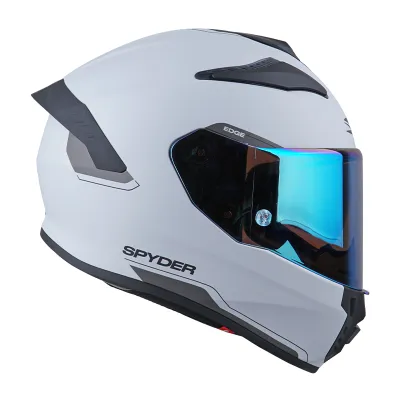
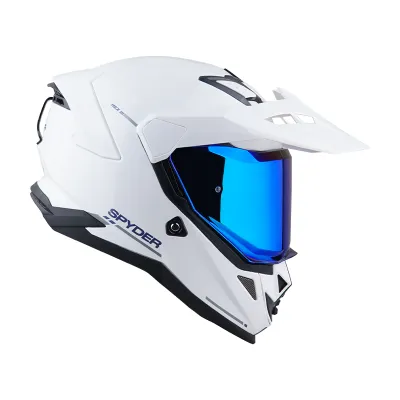
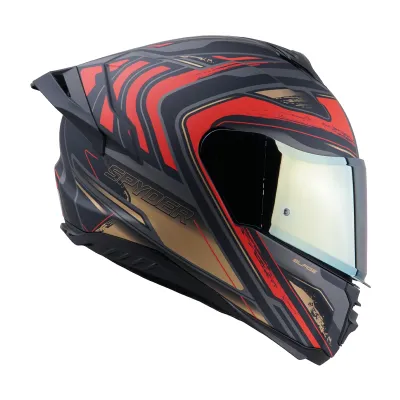
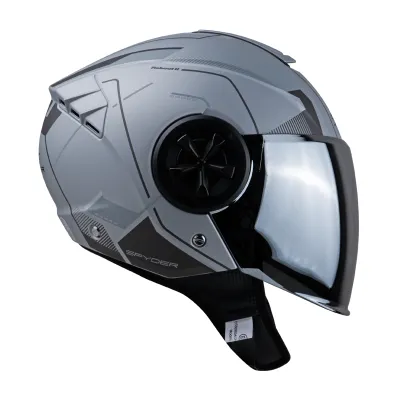
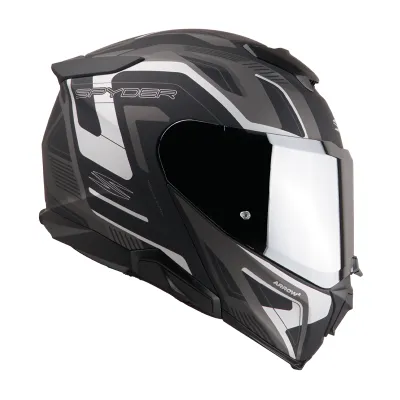
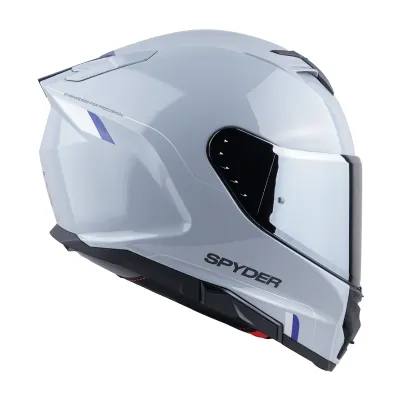
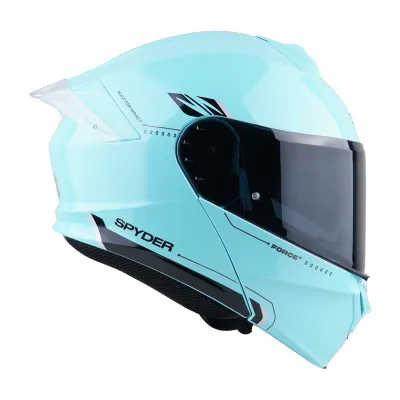
Prices are valid at publication and may change. Please refer to the product page for the latest price.
Beyond physical danger, buying a counterfeit helmet carries significant financial and legal downsides. Fake products do not come with a valid manufacturer warranty, meaning you cannot claim replacements or repairs for defective parts like visor mechanisms or strap buckles. Furthermore, if you are involved in a road incident while wearing an uncertified, counterfeit helmet, you may face insurance claim denials or liability complications under local traffic safety regulations.
How to Locate and Verify the Official Spyder Helmet Store
To guarantee you are purchasing a genuine product, you must know where to find the official Spyder helmet store and its authorized distributors. The most reliable starting point is the brand’s official website or verified social media channels, which maintain an updated directory of physical retail locations, concept stores, and authorized dealers across the Philippines. Visiting these listed brick-and-mortar stores eliminates the risk of encountering counterfeit stock.

When shopping on major e-commerce platforms, look for official brand badges that indicate a verified mall or flagship store status. Genuine online storefronts feature consistent branding, professional product photography, and clear customer service policies. Be cautious of third-party sellers using the brand name in their shop title without a verified badge, especially if their prices are significantly lower than the standard retail rates.
If you are purchasing from a local multi-brand motorcycle gear shop, do not hesitate to ask the store management for proof of authorization. Legitimate dealers can readily show official distributor invoices or authorization certificates issued by the brand. If a seller is evasive, cannot provide documentation, or claims they source their stock through unofficial channels, it is highly likely they are selling counterfeit goods.
Inspecting the Helmet: Authentic vs. Counterfeit Indicators
A physical inspection of the helmet is one of the most effective ways to distinguish a genuine product from a counterfeit. Start by examining the overall build quality, focusing on the paint finish, decals, and assembly seams. Authentic helmets feature a smooth, flawless exterior paint job with decals sealed under a high-quality clear coat, whereas fakes often have visible paint runs, misaligned graphics, or peeling stickers.
Next, test the visor mechanism and ventilation sliders. Genuine visors operate smoothly, locking securely into place with a reassuring click, and are made from optical-grade, scratch-resistant materials. Counterfeit visors often feel flimsy, wobble when raised, and distort your peripheral vision. Similarly, check the ventilation ports; authentic vents are fully functional and integrated into the EPS liner, while fake helmets may feature non-functional plastic covers glued to the shell.
The interior comfort liner and stitching provide further clues. Authentic helmets utilize moisture-wicking, hypoallergenic fabrics with precise, heavy-duty stitching designed to withstand sweat and humidity. Counterfeit liners often feel rough, use cheap foam that deforms easily, and show loose threads or uneven seams. Additionally, compare the weight of the helmet; counterfeit models are often suspiciously light because they lack the dense EPS liner and robust shell materials required for real protection.
Finally, inspect the packaging and included accessories. A genuine helmet comes in a sturdy, branded box featuring high-quality printing, a custom-fit fabric helmet bag, and a detailed user manual. If your helmet arrives in a plain cardboard box, wrapped only in bubble wrap, or lacks official documentation, you should treat it as a suspected counterfeit.
Checking Safety Certifications and Warranty Validation
In the Philippines, all motorcycle helmets must meet strict safety standards to be legally used on public roads. Genuine helmets carry official safety certification markings, such as the Import Commodity Clearance (ICC) sticker or the Philippine Standard (PS) mark, typically affixed to the rear of the helmet shell. These stickers feature unique serial numbers and security elements, such as holographic patterns, that are difficult for counterfeiters to replicate accurately.
To verify the authenticity of these safety marks, you can cross-reference the serial numbers or scan any provided QR codes through official government verification channels or mobile applications. Authentic helmets will also display international certification labels on the interior liner or strap, such as ECE (Economic Commission for Europe) or DOT (Department of Transportation) stamps. If these labels are missing, printed poorly, or contain spelling errors, the helmet is likely a fake.
Warranty validation is another crucial step in confirming your purchase is legitimate. Genuine helmets come with a warranty card containing a unique serial number that matches the number printed on the helmet shell or box. You should register this serial number on the official brand website immediately after purchase. Keep your official receipt or sales invoice safe, as authorized service centers require this proof of purchase to honor any warranty claims or provide replacement parts.
Steps to Take If You Receive a Suspected Fake Helmet
If you suspect that you have received a counterfeit helmet, stop using it immediately, as it does not offer reliable protection on the road. Begin by documenting the product thoroughly. Take clear, high-resolution photographs of the helmet from multiple angles, focusing on the suspicious areas such as uneven stitching, misaligned decals, flimsy visors, and any fake safety stickers. Also, take photos of the packaging, the shipping label, and the transaction receipt.
Next, initiate a return or dispute through the e-commerce platform’s buyer protection program if you purchased the item online. Submit your photographic evidence and explain that the item is a counterfeit, which violates the platform’s terms of service. Avoid contacting the seller directly if they are uncooperative, and instead let the platform’s dispute resolution team handle the refund process.
Finally, report the unauthorized seller to the Department of Trade and Industry (DTI) or other relevant consumer protection agencies in the Philippines. You can also contact the official brand representatives through their verified social media pages or customer support email to report the counterfeit listing. Sharing this information helps protect other riders from purchasing dangerous, non-compliant gear and assists authorities in shutting down illicit operations.
Frequently Asked Questions (FAQ)
Can I trust a helmet just because it has a local safety certification sticker?
No, you cannot rely solely on a local safety certification sticker to prove a helmet is genuine. Counterfeiters frequently print fake ICC or PS stickers and apply them to substandard helmets to deceive buyers. To ensure your safety, you must cross-reference the sticker’s serial number through official verification channels, inspect the physical build quality of the helmet, and buy exclusively from authorized dealers.
Do authorized dealers honor warranties for helmets bought from third-party resellers?
Generally, authorized dealers and service centers do not honor warranties for helmets purchased from unauthorized third-party resellers. To claim warranty services, you must present an official receipt or sales invoice from an authorized retail store or the official online flagship store. Always verify the seller’s authorization status before purchasing to ensure you have access to reliable after-sales support and genuine replacement parts.

Community discussion
Share your experience or ask a question. Comments are reviewed before publication.