
To keep your Hyundai Tucson running smoothly under the intense heat and demanding traffic conditions of the Philippines, choosing the correct engine coolant is a critical maintenance decision. The best coolant options for a Hyundai Tucson range from the genuine OEM Hyundai/Kia green or blue/pink formulations to high-quality, compatible aftermarket alternatives specifically engineered for Asian vehicles (such as those from AISIN, Motul, or Prestone). Because modern Tucson engines feature sensitive aluminum components and complex cooling jackets, using an incompatible fluid can lead to premature water pump failure, radiator corrosion, or catastrophic engine overheating. Always consult your vehicle’s owner’s manual to verify the precise coolant specification required for your specific model year and engine type before adding any fluid to your system.
Understanding Hyundai Tucson Coolant Requirements
Modern Hyundai Tucson engines—spanning gasoline variants like the Theta, Nu, and Gamma series to the robust R-Line CRDi diesel engines—rely heavily on aluminum alloy construction. Aluminum is highly valued for its lightweight properties and excellent heat dissipation, which is crucial for managing engine temperatures in a tropical climate. However, aluminum is also highly susceptible to galvanic corrosion, pitting, and cavitation if the protective inhibitors in the cooling system break down or if the wrong fluid chemistry is introduced.
To protect these sensitive metal surfaces, Hyundai designs its cooling systems to run on specific additive technologies. Most modern Hyundai vehicles require Phosphate Organic Acid Technology (P-OAT) or Phosphate Hybrid Organic Acid Technology (P-HOAT). This chemical formulation combines organic acids for long-lasting corrosion protection with phosphates, which provide immediate, robust passivation of aluminum surfaces. The phosphates quickly form a thin protective barrier that prevents cavitation—a phenomenon where tiny vapor bubbles collapse under high pressure, physically eroding the metal of the water pump impeller and internal cooling passages.
Products mentioned in this guide
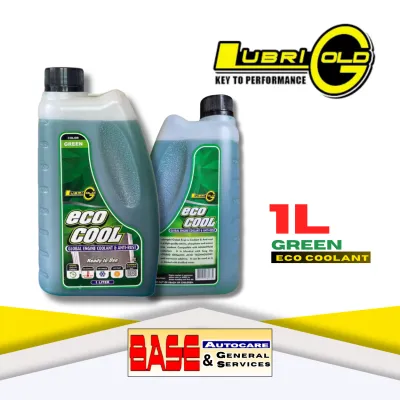
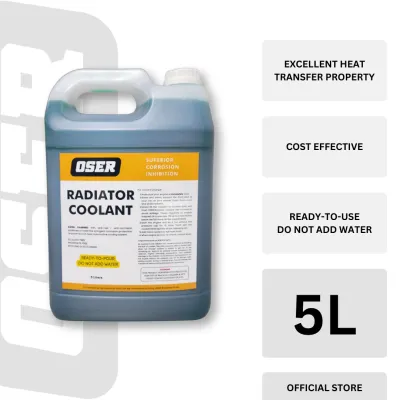
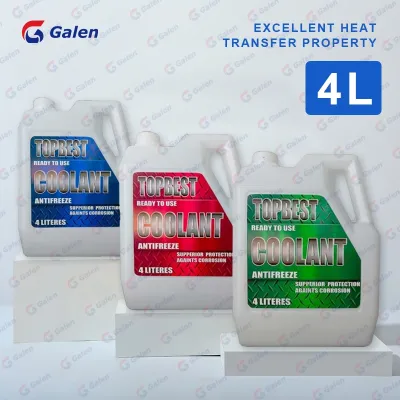
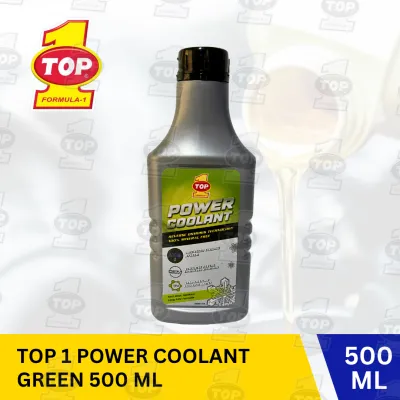
Prices are valid at publication and may change. Please refer to the product page for the latest price.
Using an incorrect coolant type, such as an old-school Inorganic Acid Technology (IAT) fluid containing high levels of silicates and borates, can cause severe mechanical issues. Silicates can act as abrasive agents, wearing down the delicate ceramic seals of your Tucson’s water pump and leading to premature leaks. Conversely, generic organic acid formulations that lack phosphates may fail to provide adequate rapid protection, leaving the aluminum components vulnerable to localized pitting and heat-transfer degradation.
Because coolant specifications have evolved over the years, the exact requirement for your Hyundai Tucson depends heavily on its model year and engine variant. Older generations typically utilized a green-colored P-HOAT fluid, while newer models (such as the NX4 generation launched in recent years) have transitioned to long-life blue or pink/purple P-OAT formulations. Before purchasing any hyundai tucson coolant, always inspect your vehicle’s owner’s manual or check the label on the factory radiator cap to confirm the baseline chemical specification required for your specific vehicle.
OEM vs. Aftermarket Coolants: Which Should You Choose?
Deciding between original equipment manufacturer (OEM) fluids and aftermarket alternatives is a common dilemma for Tucson owners. Both paths offer distinct advantages depending on your vehicle’s age, warranty status, and your maintenance preferences.

OEM Hyundai/Kia Coolant
Genuine OEM Hyundai/Kia coolant is formulated specifically to meet the rigorous engineering standards of the manufacturer. This fluid is designed to be perfectly compatible with the exact metallurgical composition, rubber hoses, gaskets, and sealing materials used in your Tucson’s cooling system from the factory. By choosing the OEM fluid, you eliminate the risk of chemical incompatibility and ensure that your engine receives the exact balance of phosphate inhibitors and organic acids it was designed to run on.
Using genuine OEM coolant is highly recommended for vehicles that are still covered under the manufacturer’s warranty. If a cooling system component or engine block issue arises during the warranty period, using non-approved or generic fluids can complicate your claims. For owners who prefer a “zero-guesswork” approach to vehicle maintenance, purchasing the official Hyundai/Kia Long Life Coolant ensures absolute compliance with factory guidelines.
In the Philippine market, genuine OEM coolant is typically sourced directly from authorized Hyundai dealership service centers or specialized, reputable Korean auto parts importers. While OEM fluids generally carry a price premium compared to aftermarket options, the long-term protection they offer for high-value engine components makes them a highly cost-effective choice, especially for newer Tucson models.
Compatible Aftermarket Alternatives
For owners of out-of-warranty Hyundai Tucsons, or those looking for more readily available and cost-effective options, high-quality aftermarket coolants are an excellent alternative. Reputable global lubricant manufacturers produce specialized formulations designed specifically for Asian vehicles, which match the P-HOAT or P-OAT specifications required by Hyundai.
When selecting an aftermarket coolant, you must carefully verify that the product label explicitly states compatibility with Hyundai/Kia specifications, or references standards such as MS 591-08. Brands like AISIN, Motul (Inugel), Prestone (Asian Green or Blue), and Ravenol offer dedicated product lines tailored for Asian car brands. These products utilize the necessary phosphate-based organic acid technology to protect your engine’s aluminum block and water pump without the use of harmful silicates or borates.
Avoid generic “universal” or “all-makes, all-models” coolants. Although these products claim to be compatible with every vehicle on the road, they often rely on a simplified organic acid formulation (frequently containing 2-ethylhexanoic acid, or 2-EHA) that lacks the specific phosphate inhibitors needed for Asian cooling systems. Over time, using a truly universal coolant can lead to localized corrosion, seal degradation, and reduced heat dissipation efficiency in your Tucson’s engine.
Key Specifications to Check Before Buying
To ensure you purchase the correct fluid for your vehicle, keep a practical checklist of key specifications in mind when browsing retail shelves or online listings.
- Chemical Formulation: Look for terms like "P-OAT," "P-HOAT," or "Phosphate-based Organic Acid Technology" on the bottle. Ensure the label clearly states that the fluid is free of silicates, borates, and amines, which are incompatible with Hyundai's cooling system design.
- Pre-mixed vs. Concentrate: Coolants are sold as either pre-mixed (often labeled as "Ready-to-Use" or 50/50) or concentrated. Pre-mixed coolant is already diluted with demineralized or distilled water in a 50/50 ratio, offering maximum convenience and eliminating the risk of introducing mineral contaminants. Concentrated coolant must be manually mixed with distilled water before use. While concentrate can be more economical, any mistake in the mixing ratio or the quality of water used can compromise the system's performance.
- Color Coding Myth: Never choose a coolant based solely on its color. While older Hyundai coolants were green and newer ones are blue or pink, aftermarket manufacturers do not always follow the same color conventions. A green coolant from one brand might be a silicate-heavy formulation, while a green coolant from another is a modern P-HOAT. Always prioritize the chemical specifications listed on the bottle over the color of the liquid.
- Boiling and Freezing Points: While coolant is often called "antifreeze" in colder climates, its boiling point and corrosion-inhibiting properties are what matter most in the tropical environment of the Philippines. High ambient temperatures, combined with intense stop-and-go traffic in urban areas like Metro Manila, place immense thermal stress on your Tucson's engine. A high-quality coolant raises the boiling point of the water in the system, preventing boiling and vapor lock while protecting internal metal surfaces from rust, scale, and acid buildup.
Where to Buy Authentic Coolant in the Philippines
Sourcing your coolant from reputable channels is vital to protect your Tucson’s engine from the severe risks associated with counterfeit, diluted, or degraded products.
For the highest level of safety, purchase genuine OEM fluids directly from the parts department of an authorized Hyundai dealership. If you prefer aftermarket alternatives, look for established, physical automotive supply stores or specialized Korean auto parts retailers. Well-known automotive hubs, such as those in Banawe in Quezon City or Evangelista in Makati, feature specialized shops that import genuine parts and high-quality compatible fluids directly from South Korea and other major manufacturing hubs.
If you prefer the convenience of shopping on online marketplaces or e-commerce platforms, exercise extreme caution. Only purchase from official brand flagship stores, certified online distributors, or highly rated sellers with a long history of positive, detailed customer reviews. Be highly skeptical of unusually low prices; a bottle of premium coolant sold at a fraction of its standard retail price is a major red flag for counterfeit goods, improper storage, or expired products that have lost their protective chemical properties.
Safe Handling and Mixing Rules
Maintaining your Tucson’s cooling system requires strict adherence to safety and chemical boundaries to prevent severe engine damage and personal injury.
Never Mix Types: Mixing different coolant chemistries is one of the most common causes of cooling system failure. If you mix a phosphate-based coolant with a silicate-based or standard organic acid coolant, the different additive packages can react chemically. This reaction often results in “gelation,” where the fluid turns into a thick, jelly-like sludge that clogs the radiator tubes, heater core, and engine cooling jackets, leading to rapid overheating and expensive repairs.
Emergency Top-ups: If your coolant level is low and you do not have the correct, compatible coolant on hand, do not top it up with a different type of coolant or tap water. In an absolute emergency, use only clean distilled water. While this will dilute the coolant mixture and slightly lower its boiling point, it is far safer than mixing incompatible chemicals or introducing mineral-heavy tap water. If you must perform an emergency top-up with distilled water, have the system inspected, flushed, and refilled with the correct coolant mixture by a professional as soon as possible.
Safety First: The cooling system operates under high pressure when the engine is warm. Never attempt to open the radiator cap or the coolant reservoir cap while the engine is hot or even warm to the touch. Doing so can cause pressurized, scalding-hot liquid and steam to spray out, resulting in severe burns. Always allow the engine to cool down completely (typically at least a few hours) before opening the system.
Professional Assistance: If you notice that your coolant is highly discolored, contains dark particles, smells burnt, or shows signs of oil contamination (which could indicate a blown head gasket), do not simply top it up. Seek the assistance of a qualified mechanic to perform a comprehensive cooling system pressure test, flush, and diagnostic check to ensure your Tucson’s engine remains safe and reliable.
Frequently Asked Questions (FAQ)
Can I use tap water to dilute concentrated coolant?
No, you should never use tap water to dilute concentrated coolant. Tap water contains dissolved minerals such as calcium, magnesium, and silica, along with chlorine and other treatment chemicals. When subjected to the high temperatures and pressures inside your Tucson’s engine, these minerals precipitate out of the water, forming scale and deposits on the internal surfaces of the radiator and engine block. This scale acts as an insulator, drastically reducing heat transfer efficiency, and can clog the narrow passages of the radiator. Additionally, the minerals can accelerate localized galvanic corrosion and wear down the water pump’s internal seals. Always use pure distilled or deionized water for dilution.
How do I know if my coolant needs to be replaced?
There are several clear indicators that your coolant has degraded and needs replacement. Visually inspect the fluid in the expansion tank; if it appears cloudy, muddy, dark brown, or contains visible rust particles or debris, its corrosion inhibitors have broken down. A burnt or unusually sweet, pungent smell also suggests chemical thermal degradation. Additionally, you should consult your Tucson’s owner’s manual for the manufacturer’s recommended service intervals. For many modern Hyundai models, the factory-fill coolant is rated for up to 10 years or 200,000 kilometers, but subsequent changes are typically recommended every 2 years or 40,000 kilometers under severe driving conditions, which are highly common in the hot, stop-and-go traffic of the Philippines.

Community discussion
Share your experience or ask a question. Comments are reviewed before publication.