
The right spark plug for your car is primarily determined by your vehicle manufacturer’s original specifications, engine design, and maintenance preferences. While iridium and platinum offer longer lifespans, copper provides excellent conductivity at a lower upfront cost. Upgrading or changing materials requires careful verification of compatibility with your specific engine.
In the tropical climate of the Philippines, where stop-and-go city traffic in major urban centers combines with high humidity and heat, your engine’s ignition system works under demanding conditions. Choosing the correct spark plug material is crucial for maintaining smooth combustion, preventing misfires, and ensuring reliable daily commutes.
How Electrode Materials Affect Performance and Durability
Copper spark plugs feature a copper core, but the electrode itself is typically coated with a nickel alloy. Copper is an outstanding conductor of electricity and heat, allowing the plug to run relatively cool while delivering a strong spark. However, nickel is a relatively soft metal compared to precious metals. Under the intense heat and electrical pressure of combustion, the electrode wears down more rapidly, requiring more frequent replacement intervals to prevent the gap from widening too much.
Products mentioned in this guide
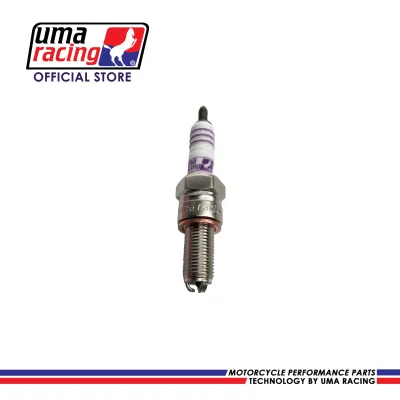
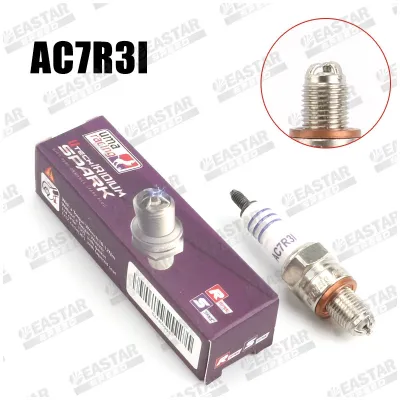
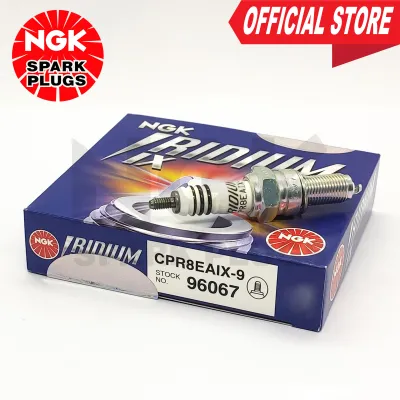
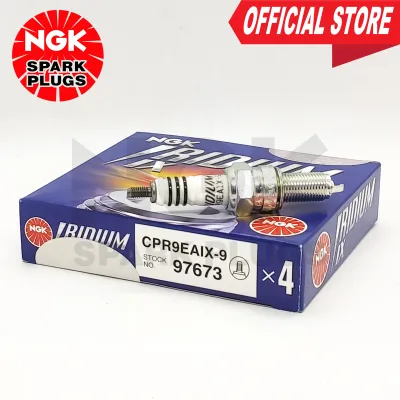
Prices are valid at publication and may change. Please refer to the product page for the latest price.
Platinum spark plugs utilize a platinum disc welded to the tip of the center electrode. Platinum has a significantly higher melting point and greater hardness than nickel alloy. This resistance to electrical wear and chemical corrosion allows the plug to maintain its gap size over a much longer duration, providing consistent sparking and reliable ignition over extended periods.
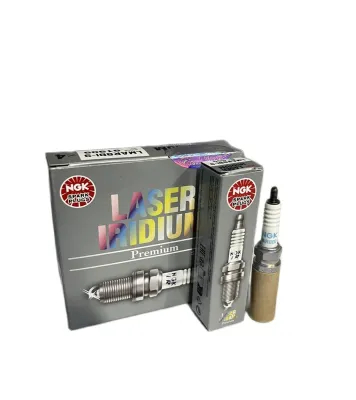
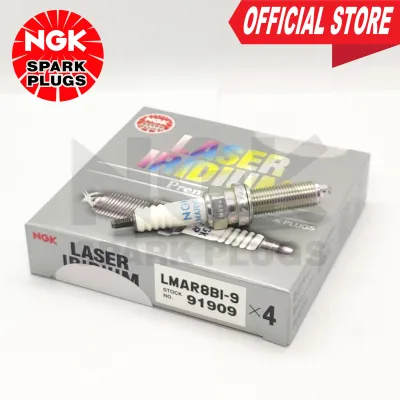
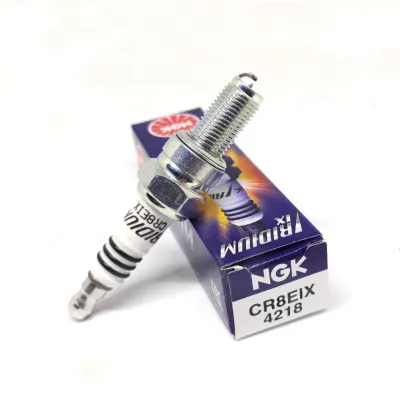
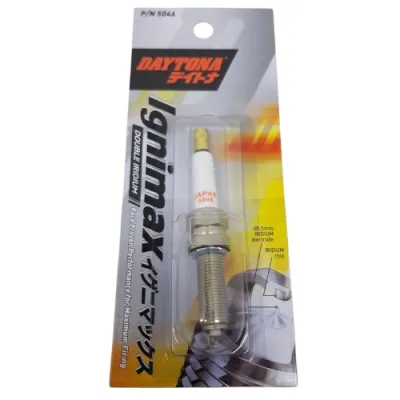
Iridium spark plugs represent the premium tier of ignition technology. Iridium is extremely hard and has an exceptionally high melting point, even higher than platinum. This extreme durability allows manufacturers to design center electrodes with incredibly fine wire tips. A finer tip concentrates the electrical spark, requiring less voltage to jump the gap and ensuring highly efficient ignition even under high-load or lean-burn conditions.
It is a common misconception that harder materials like iridium automatically boost engine horsepower or performance compared to a fresh set of copper plugs. In reality, the primary driver of engine health and efficiency is matching the exact heat range and design specified by your vehicle’s original equipment manufacturer (OEM). A premium material simply maintains its optimal performance state for a much longer period, resisting wear and degradation far better than softer metals.
Matching Spark Plug Types to Your Vehicle and Driving Needs
Selecting the right spark plug begins with consulting your vehicle’s owner’s manual or checking the OEM part numbers. The manufacturer designs the ignition system—including the ignition coils and engine control unit (ECU)—to work with a specific resistance, heat range, and gap size. Deviating from these specifications without professional guidance can lead to poor combustion, engine knock, or even damage to your ignition coils. Always verify your vehicle model, year, and engine code against the product documentation before purchasing.

Your daily driving habits also play a significant role in how your spark plugs wear. For instance, navigating daily stop-and-go traffic in humid, tropical urban centers subjects the engine to prolonged idling and lower operating temperatures, which can accelerate carbon fouling. Conversely, frequent long-distance highway driving or towing heavy loads up steep mountain passes increases combustion chamber temperatures, demanding a plug that can efficiently dissipate heat to prevent pre-ignition.
Engine accessibility is another practical factor that many car owners overlook. In some vehicle designs, particularly those with V6 engines or tightly packed engine bays, accessing the spark plugs requires removing the intake manifold, throttle body, or other complex components. For these vehicles, installing long-life platinum or iridium plugs is highly practical, as it minimizes the frequency of labor-intensive and costly disassembly procedures.
Evaluating Cost, Replacement Intervals, and Long-Term Value
When evaluating the financial aspect of spark plugs, you must weigh the upfront purchase price against the long-term maintenance costs. Copper spark plugs are highly affordable, often costing only a few hundred pesos (₱) per plug. However, because they wear out much faster, you will need to purchase replacements and pay for installation far more frequently, which can quickly offset the initial savings.
Platinum and iridium spark plugs carry a higher upfront cost, with premium iridium plugs representing the most significant initial investment. Despite this, their extended service life means you may only need to replace them once or twice during your entire ownership of the vehicle. When you factor in the cost of professional labor at a local service center, paying more upfront for a durable plug often results in lower overall maintenance expenses over the vehicle’s lifespan.
It is also important to recognize that maximum rated intervals are guidelines rather than absolute guarantees. In regions with variable fuel quality or high humidity, spark plugs may experience accelerated wear or fouling. Regularly inspecting your plugs visually or monitoring your engine for subtle changes in performance ensures you can replace them before a worn electrode leads to ignition coil failure or catalytic converter damage.
Decision Framework: Which Spark Plug Should You Choose?
To finalize your decision, consider this practical framework based on your vehicle type, budget, and maintenance preferences:
Choose copper spark plugs if you drive an older vehicle originally designed for copper plugs, prioritize the lowest immediate upfront cost, and do not mind performing regular DIY maintenance or visiting the shop more frequently. Copper is also favored in certain high-performance or classic engines where frequent plug inspections and changes are standard practice.
Choose platinum spark plugs if you want a balanced, mid-tier upgrade for a standard daily driver. They offer a substantial increase in longevity over copper without the premium price tag of iridium, making them an excellent choice for drivers seeking reliable performance and moderate service intervals.
Choose iridium spark plugs if you drive a modern vehicle with tight engine tolerances, have a vehicle where the spark plugs are difficult to access, or simply want the maximum possible service life with minimal maintenance hassle. Many modern engines are calibrated specifically for the fine-wire design of iridium plugs, making them the necessary choice to maintain factory performance.
Before making any purchase, always verify your vehicle’s warranty requirements and consult the manufacturer’s documentation. Because replacing spark plugs involves working with high-voltage ignition systems and delicate engine threads, always ensure the engine is completely cool, follow the original-vehicle torque specifications, and consult a qualified professional if you are uncomfortable performing the installation yourself.
Frequently Asked Questions (FAQ)
Can I upgrade from copper to iridium spark plugs in an older car?
Upgrading to iridium is often possible, but you must first verify that the thread size, reach, and heat range match your engine’s original specifications exactly. While an iridium plug offers a much longer lifespan, it may not provide a noticeable boost in performance or fuel efficiency if the older ignition system was not designed to leverage the fine-wire electrode. Additionally, some older ignition systems with lower voltage outputs may not perform optimally with modern precious metal plugs, so checking your vehicle’s service manual or consulting a professional mechanic is highly recommended before upgrading.
Do iridium spark plugs improve fuel economy and horsepower?
Iridium spark plugs do not inherently increase your engine’s maximum power or fuel efficiency beyond its original factory design. Instead, they prevent the performance degradation that occurs as standard plugs wear out. Because the fine-wire iridium tip requires less voltage to spark, it ensures highly consistent combustion and reduces the likelihood of minor misfires. If you are replacing worn, fouled, or degraded spark plugs, you will likely notice a restoration of lost fuel economy and engine responsiveness, but this is a return to the vehicle’s baseline performance rather than an upgrade above factory limits.
How can I tell if my current spark plugs need replacing?
Several observable symptoms indicate that your spark plugs may be reaching the end of their service life. You might experience a rough idle, where the car vibrates noticeably while stopped, or encounter difficulty starting the engine, especially on damp or humid mornings. Other common signs include engine misfires, a sudden drop in fuel efficiency, or sluggish acceleration when merging onto highways. A visual inspection of the plugs can also reveal physical wear, such as a rounded center electrode, a widened gap, or heavy carbon and oil deposits on the ceramic insulator.

Community discussion
Share your experience or ask a question. Comments are reviewed before publication.