
Deciding whether to upgrade from a standard nickel-alloy spark plug to an iridium variant for your Yamaha NMAX V2 depends entirely on your maintenance preferences, riding habits, and budget. While iridium plugs offer theoretical advantages in longevity and spark consistency, they come at a premium price. Before making a purchase, it is crucial to verify your scooter’s exact manufacturer specifications, as upgrading without matching the correct heat range and physical dimensions can lead to engine issues. This guide will help you weigh the objective differences, calculate the true long-term value, and determine which option aligns best with your specific needs.
Understanding the Core Differences in Spark Plug Materials
To understand why spark plug materials matter, one must look at the physical properties of the metals used in their construction. Standard spark plugs typically feature a center electrode made of a nickel alloy. Nickel is a reliable conductor, but it has a relatively low melting point of approximately 1,455 degrees Celsius and is softer than precious metals. Over thousands of kilometers of exposure to combustion heat and electrical arcing, the nickel electrode gradually erodes, rounding off the sharp edges where the spark jumps.
In contrast, iridium is an extremely hard, dense precious metal with a melting point of roughly 2,446 degrees Celsius. This exceptional thermal resistance allows manufacturers to design iridium spark plugs with a much finer center electrode, often measuring just 0.4 to 0.6 millimeters in diameter, compared to the 2.5-millimeter electrode of a standard nickel plug. A finer tip concentrates the electrical voltage, requiring less electrical pressure to jump the gap and create a spark. This physical construction difference means the ignition system experiences less stress, particularly during cold starts or under high-load conditions.
Products mentioned in this guide
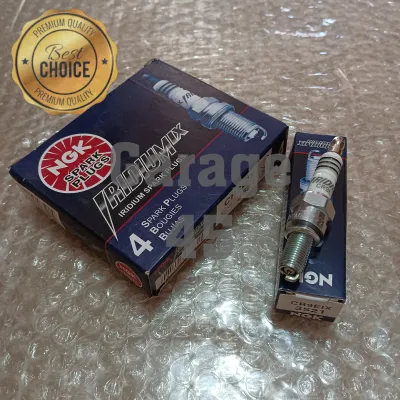
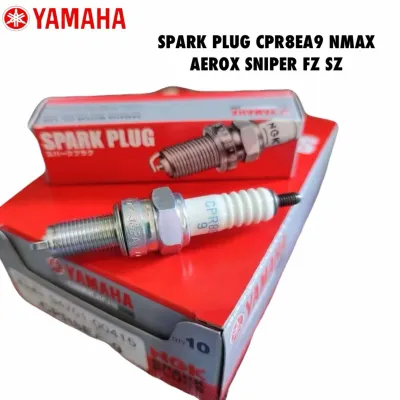
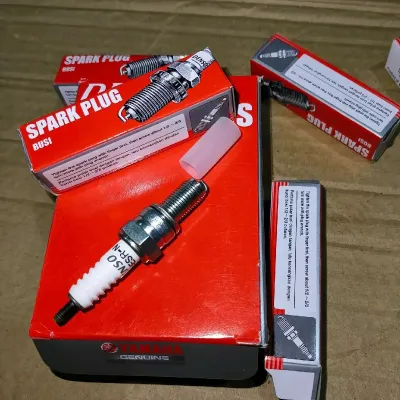
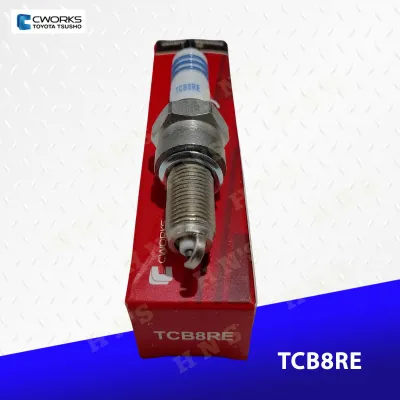
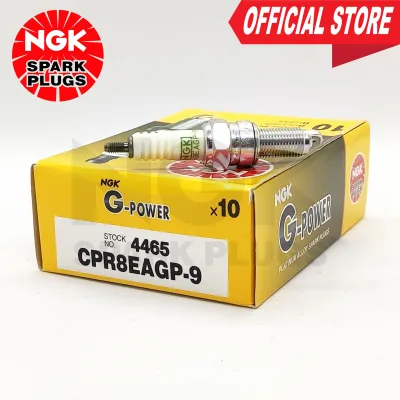
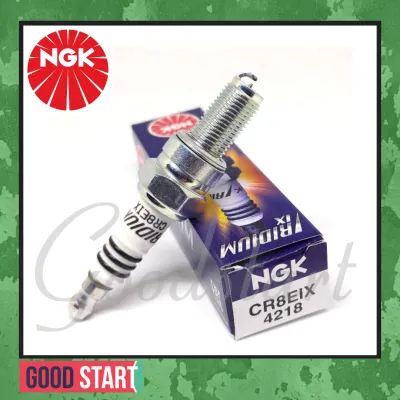
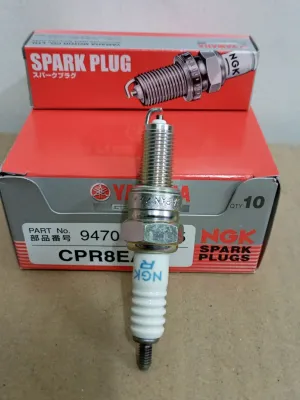
Prices are valid at publication and may change. Please refer to the product page for the latest price.
Evaluating Performance and Longevity Expectations
When evaluating how these material differences translate to daily riding, it is essential to separate marketing claims from realistic expectations. The primary advantage of an iridium spark plug is its longevity. Because iridium resists wear and electrical erosion far better than nickel, the gap between the center and ground electrodes remains stable for a much longer period. You can verify the expected lifespan of a specific plug by reading the manufacturer estimates printed on the product packaging or consulting their official technical datasheets.

In the tropical climate of the Philippines, where high humidity and sudden downpours are common, a stable spark is highly beneficial. An iridium plug can offer theoretical improvements in cold-start reliability and idle stability, especially when the engine is cold or during damp mornings. However, riders must maintain realistic expectations regarding fuel economy and horsepower. Upgrading to an iridium plug will not magically boost your NMAX V2’s engine output beyond its factory design. Any observed improvements in fuel efficiency or throttle response are typically the result of replacing a worn, fouled, or improperly gapped old plug with a fresh, clean one, rather than an inherent performance boost from the iridium material itself.
Verifying Compatibility and Manufacturer Specifications
Before purchasing any new spark plug for your Yamaha NMAX V2, you must verify that the replacement matches the exact physical and thermal specifications required by the engine. Installing a plug with the wrong dimensions or heat rating can cause catastrophic engine damage, such as a piston striking the electrode or pre-ignition melting the cylinder components. Always refer to your official Yamaha owner’s manual to locate the recommended Original Equipment Manufacturer (OEM) part number, thread pitch, reach, and heat range.
The heat range is a critical specification that dictates how quickly the spark plug transfers heat from the combustion chamber to the cylinder head. A plug that runs too hot can ignite the fuel-air mixture prematurely, leading to engine knocking and severe internal damage. Conversely, a plug that runs too cold will not reach the self-cleaning temperature necessary to burn off carbon deposits, leading to rapid fouling and misfires. Never alter the manufacturer-recommended heat range unless you are running a highly modified engine and have consulted a qualified motorcycle technician. Ensure the thread reach matches perfectly so the plug sits correctly in the combustion chamber without protruding too far or sitting too shallow.
Cost-Benefit Analysis: Calculating the Real Value
A practical comparison between standard and iridium spark plugs requires a clear look at the financial trade-offs. In the local market, a standard nickel-alloy spark plug typically costs between ₱150 and ₱250. An iridium equivalent, however, generally commands a premium, often retailing between ₱500 and ₱800 depending on the brand and retailer. While the upfront cost of iridium is significantly higher, the long-term value must be calculated by factoring in replacement intervals and labor costs.
If you follow the standard maintenance schedule, a nickel-alloy plug is often recommended for replacement every 6,000 to 8,000 kilometers to maintain optimal combustion. An iridium plug, due to its durable construction, can often last between 18,000 and 24,000 kilometers before requiring replacement. If you pay a professional mechanic to install your spark plug, you must factor in the labor cost—typically ranging from ₱100 to ₱300 per visit—for each replacement cycle. Over a 24,000-kilometer period, a standard plug might require three to four replacements, multiplying both the parts cost and the labor fees. By dividing the total accumulated expense of parts and labor by the mileage, you can determine the true cost of ownership and decide if the convenience of fewer shop visits justifies the higher initial price of iridium.
Decision Framework: Which Spark Plug Should You Choose?
To make an informed decision for your Yamaha NMAX V2, consider your specific riding profile, maintenance habits, and budget. There is no universal winner, as both spark plug types serve different rider priorities effectively.
Choose a standard nickel-alloy spark plug if you are budget-conscious and prefer to minimize immediate upfront expenses. This option is also ideal for riders who strictly adhere to short-interval maintenance schedules and enjoy performing routine check-ups on their scooters. If your daily commute consists of short, low-speed urban trips where you frequently inspect and clean your engine components, a standard plug provides excellent, reliable service at a fraction of the cost.
Choose an iridium spark plug if you prefer a “set-and-forget” approach to maintenance and want to minimize the frequency of opening your scooter’s engine access panels. This is highly beneficial for long-distance tourers, daily highway commuters, or delivery riders who accumulate mileage rapidly and cannot afford frequent downtime. The extended service life of iridium ensures consistent ignition performance over tens of thousands of kilometers, reducing the hassle of frequent replacements.
Before making your final choice, verify if your Yamaha NMAX V2 is still covered under an active manufacturer warranty. Using non-standard parts or altering specifications can sometimes complicate warranty claims, so it is wise to check your warranty booklet. Additionally, if you have installed aftermarket engine modifications, such as a high-compression piston or an upgraded electronic control unit (ECU), consult your tuner to determine if a specific heat range or plug material is required to support those modifications safely.
Safe Installation and Maintenance Guidelines
Replacing a spark plug on the Yamaha NMAX V2 requires careful attention to mechanical safety to prevent costly damage to the aluminum cylinder head. You must perform this task only when the engine is completely cold. Attempting to remove or install a spark plug on a hot engine can cause the aluminum threads in the cylinder head to gall or strip, leading to an expensive and complicated repair.
Always use a calibrated torque wrench to tighten the new spark plug to the exact torque specification listed in your owner’s manual. Over-tightening can stretch the spark plug shell, damage the internal seal, or strip the cylinder head threads. Under-tightening can prevent the plug from transferring heat properly, leading to overheating and potential engine damage. Before inserting the new plug, visually inspect the ceramic insulator for any hairline cracks or chips that may have occurred during shipping. Thread the spark plug in by hand for the first few turns to ensure it is properly aligned; if you encounter any unusual resistance, stop immediately, back the plug out, and inspect the threads to avoid cross-threading.
Frequently Asked Questions (FAQ)
How do I know when it is time to replace my current spark plug?
Your primary guide for spark plug replacement should always be the odometer reading and the service intervals recommended in your Yamaha owner’s manual. However, several observable symptoms can indicate that your spark plug is nearing the end of its usable life before you reach that mileage limit. If you experience a rough or unstable idle, difficulty starting the engine on cold or humid mornings, or a noticeable hesitation when you twist the throttle, the spark plug is a primary suspect. During routine maintenance, remove the plug and inspect it visually. Look for excessive carbon fouling, oil deposits, or a visibly worn and rounded electrode, all of which signal that a replacement is necessary to maintain proper engine performance.
Will installing an aftermarket iridium spark plug void my Yamaha warranty?
In general, replacing a consumable maintenance item like a spark plug with an aftermarket equivalent does not automatically void your entire vehicle warranty, provided the replacement part meets or exceeds the exact technical specifications of the original equipment. However, if an improperly specified or incorrectly installed aftermarket spark plug causes direct damage to the engine—such as a piston collision due to incorrect thread reach or engine knocking from an incorrect heat range—Yamaha may deny warranty coverage for those specific repairs. To protect your investment, always ensure any aftermarket plug you purchase is explicitly certified as compatible with the NMAX V2. If your scooter is still under its initial warranty period, it is highly recommended to consult your local authorized Yamaha dealer or carefully review your warranty booklet before installing non-OEM parts.

Community discussion
Share your experience or ask a question. Comments are reviewed before publication.