
Installing an Akrapovic exhaust on your motorcycle in the Philippines is not a simple yes-or-no matter when it comes to street legality. The short answer is that certain Akrapovic exhaust systems can be street-legal, but compliance depends entirely on the specific model, its configuration, and whether you keep the factory-supplied noise-reduction components fully installed. If your setup exceeds the official decibel limits set by the Land Transportation Office (LTO), you risk facing roadside apprehension, vehicle impoundment, and substantial fines.
Many riders purchase premium aftermarket exhausts expecting automatic compliance due to the brand’s global reputation. However, local traffic laws prioritize actual sound output and emissions over brand prestige. While Akrapovic designs many of its products to meet strict European noise and emissions standards, these certifications only translate to local legality if the exhaust is kept in its fully muffled, street-compliant configuration.
Before upgrading your motorcycle, it is crucial to understand that variants explicitly marketed as “racing,” “track-only,” or “open-pipe” are generally not permitted for public road use in the Philippines. These systems are designed to maximize gas flow and engine performance at high engine speeds, which naturally results in noise levels that far exceed what is acceptable in residential areas and public highways. Operating a motorcycle with a track-only system on public roads is a direct violation of standard vehicle modification guidelines.
Products mentioned in this guide
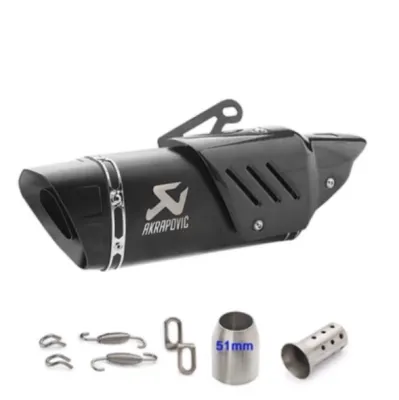
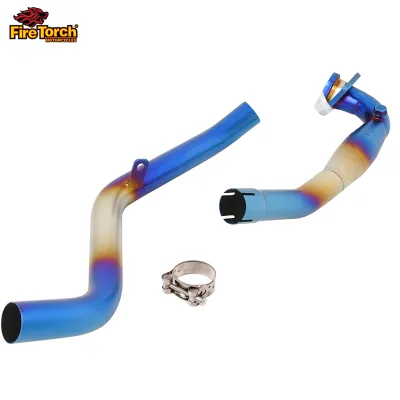
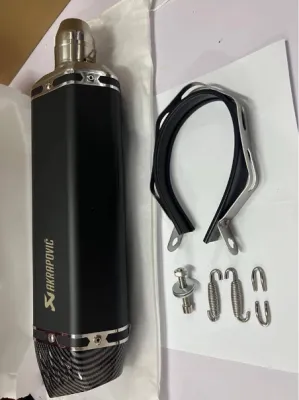
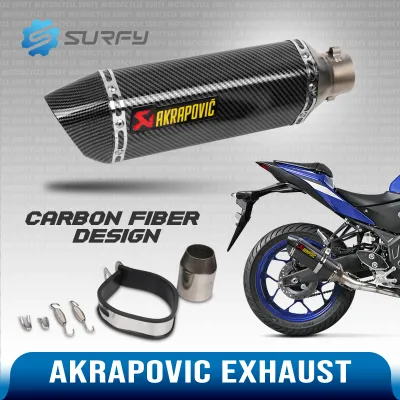
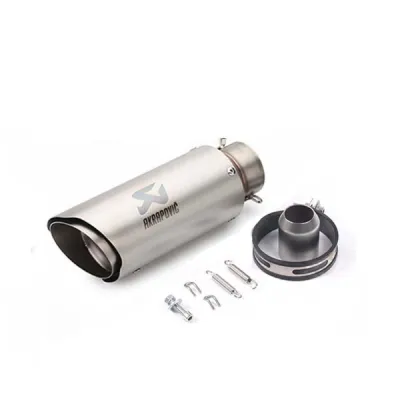
Prices are valid at publication and may change. Please refer to the product page for the latest price.
Understanding LTO Noise Limits and Enforcement
The Land Transportation Office regulates vehicle modifications to control noise pollution and maintain safety on public roads. To ensure your motorcycle remains compliant, you must verify the current official decibel limits and testing procedures published by the LTO, as these standards can be updated or supplemented by local government unit ordinances. Enforcers are authorized to conduct roadside inspections and stationary tests to identify vehicles that disrupt public peace.
During a typical roadside evaluation, traffic enforcers look for both visual and auditory indicators of non-compliance. A visual inspection often focuses on whether the exhaust system has been altered, such as the obvious removal of a silencer or the installation of an oversized open pipe. If an enforcer suspects your motorcycle is too loud, they may use a calibrated decibel meter to measure the sound level at a specific distance, angle, and engine speed, matching the official testing protocol.
Enforcement is not limited to major highways; local checkpoints and municipal traffic units also actively monitor exhaust noise in residential zones. The tropical climate and dense urban layouts in the Philippines mean that loud exhaust notes echo easily, prompting strict local enforcement in many cities. If your motorcycle fails a noise test, the consequences can be severe, including the issuance of a traffic violation ticket, the confiscation of your driver’s license, or the physical impounding of your motorcycle until the vehicle is restored to a compliant state.
Furthermore, the cost of clearing a noise violation goes beyond the official fines. You will also need to factor in the time and expense required to present your motorcycle at an LTO inspection center with a compliant exhaust system installed. To avoid these disruptions, riders must take a proactive approach to understanding how their specific exhaust setup performs under standard testing conditions.
Akrapovic Configurations: Slip-Ons, Full Systems, and DB Killers
To determine if your Akrapovic exhaust can be driven legally on public roads, you must distinguish between different product lines and physical configurations. The most critical component in this equation is the DB killer, which is a removable metal baffle insert designed to restrict exhaust gas flow slightly and significantly reduce the sound output. Keeping this baffle securely installed is the single most important factor in keeping an aftermarket exhaust within legal noise limits.

Removing the DB killer to achieve a deeper or louder exhaust note is a common practice among some riders, but it almost always guarantees a violation of local noise regulations. Without the baffle, even a street-certified Akrapovic muffler will produce sound levels that exceed the maximum allowable decibels. Additionally, operating an exhaust without its engineered baffle can negatively affect engine backpressure, potentially reducing low-end torque on smaller-displacement motorcycles.
Another major distinction lies between slip-on exhausts and full exhaust systems. A slip-on system replaces only the muffler portion of your exhaust, leaving the stock header pipes and catalytic converter intact. Because the original emissions control devices remain unaltered, slip-ons are generally easier to keep compliant with both noise and environmental regulations, provided the DB killer remains in place.
In contrast, a full exhaust system replaces the entire assembly from the engine exhaust ports to the muffler tip. These systems often eliminate the factory catalytic converter to reduce weight and increase exhaust gas velocity. In the Philippines, altering or removing the catalytic converter can trigger separate emissions compliance issues under national clean air guidelines. If you choose a full system, you must verify that the product is specifically certified for street use and does not compromise your vehicle’s ability to pass mandatory emission tests during annual registration.
Many street-legal Akrapovic exhausts are shipped with an official homologation certificate or a compliance card that references European standards (such as EC or ECE approval). While these documents prove the exhaust was manufactured to meet strict international limits, they do not exempt you from local physical testing. If an enforcer’s decibel meter shows that your exhaust exceeds the local limit—whether due to wear, modification, or packing degradation—the physical measurement will always take precedence over the paper certificate.
Pre-Ride Compliance Checklist for Aftermarket Exhausts
Before taking your modified motorcycle out onto public roads, performing a thorough pre-ride inspection can help you avoid costly penalties and ensure your vehicle operates safely. This checklist focuses on physical verification, documentation, and structural integrity.
- Inspect the DB Killer: Visually confirm that the baffle insert is present and securely fastened inside the exhaust tip. Rough road conditions and engine vibrations can loosen the mounting bolts or rivets over time, so ensure there is no play or rattling.
- Secure Your Documentation: Keep a copy of the manufacturer's homologation certificate or compliance card in your motorcycle's utility box or document holder. Having this documentation readily available alongside your official registration papers demonstrates a good-faith effort to comply with manufacturing standards.
- Check Physical Mounting and Clearance: Verify that all exhaust brackets, springs, and rubber dampers are intact and properly tensioned. Ensure the exhaust piping and muffler have adequate clearance from the rear tire, swingarm, brake lines, and plastic bodywork to prevent heat damage or mechanical interference.
- Monitor Exhaust Packing Wear: Be aware that the internal sound-absorbing material (muffler wool) degrades over time, especially when subjected to the high humidity and intense heat of tropical riding conditions. If you notice your exhaust has become significantly louder over several months of use, the internal packing may need to be serviced or replaced to maintain compliance.
Modifying a motorcycle’s exhaust system is a significant mechanical change that directly impacts engine performance, backpressure, and emissions. Always refer to your original-vehicle owner’s manual and seek qualified professional installation at an authorized service center before making any modifications. A professional technician can ensure the exhaust is fitted correctly, check for potential exhaust leaks, and verify that the engine’s fueling is properly calibrated to prevent running too lean, which can damage engine components.
If you are ever uncertain about the legal status of your aftermarket exhaust or if you suspect it might be borderline non-compliant, stop using the vehicle on public roads. You should consult an authorized dealer or visit an official motor vehicle inspection center to have the sound output tested with professional equipment before riding in areas with active enforcement.
Frequently Asked Questions (FAQ)
Will an Akrapovic slip-on automatically pass an LTO inspection?
No, installing an Akrapovic slip-on does not guarantee an automatic pass during an inspection. Compliance is determined by the actual sound level emitted by your motorcycle during the physical decibel test. To maximize your chances of passing, you must keep the factory DB killer installed, ensure there are no exhaust leaks along the connection joints, and carry any supporting manufacturer compliance documentation to show the enforcers.
Can I use a racing exhaust if I only ride on weekends?
No, public road regulations and noise limits apply at all times, regardless of the day of the week, the time of day, or the purpose of your ride. Track-only or racing exhaust systems are strictly prohibited on public streets and highways. If you choose to install a racing exhaust, the motorcycle must only be operated on closed racing circuits or private properties, and it should be transported to those venues via a trailer or support vehicle.
What happens if I get apprehended for a loud exhaust?
If you are apprehended for a non-compliant exhaust, the traffic enforcer will issue a violation ticket, which typically carries a fine payable in ₱ according to the current LTO guidelines. Depending on the specific violation and local ordinances, the enforcer may confiscate your driver’s license or impound the motorcycle. To clear the violation, you will generally be required to pay the fine, replace the non-compliant exhaust with a stock or fully certified quiet system, and present the motorcycle at an authorized inspection office for verification.

Community discussion
Share your experience or ask a question. Comments are reviewed before publication.