
Delo coolant is highly suitable for the tropical climate of the Philippines. Its advanced formulations, particularly the Extended Life Coolant (ELC) products utilizing Organic Acid Technology (OAT), are engineered to withstand extreme thermal stress, elevate the boiling point of your cooling system, and provide robust corrosion protection in high-humidity environments. However, achieving optimal performance depends entirely on selecting the specific formulation required by your vehicle manufacturer, maintaining the correct mixture ratio, and ensuring your mechanical cooling components are fully functional.
While many drivers associate coolant primarily with freezing protection in colder regions, its role in a tropical environment is even more critical. In the Philippines, a high-quality coolant serves as your primary defense against localized boiling, scale buildup, and cavitation erosion. Understanding how these chemical formulations interact with your engine under intense heat is the first step toward maintaining a reliable vehicle.
How Philippine Heat and Heavy Traffic Stress Your Cooling System
Operating a vehicle in the Philippines presents unique thermodynamic challenges that differ significantly from temperate regions. Year-round high ambient temperatures, often exceeding 35°C during the dry season, coupled with high relative humidity, severely tax your vehicle’s cooling system. A radiator dissipates heat based on the temperature differential between the hot coolant inside the core and the cooler ambient air outside. When the surrounding air is already hot and humid, this temperature differential shrinks, drastically reducing the radiator’s natural heat dissipation efficiency.
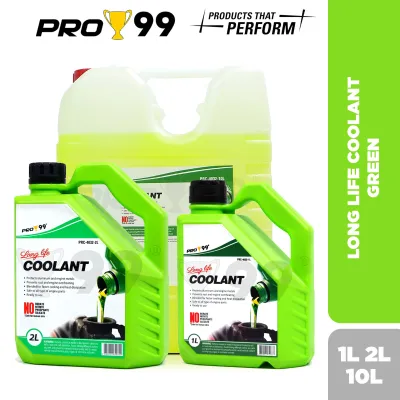
Products mentioned in this guide
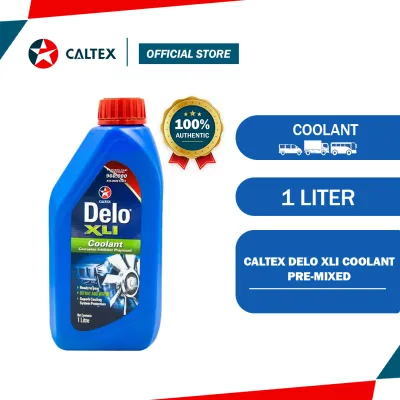
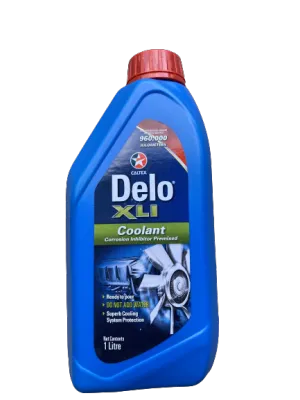
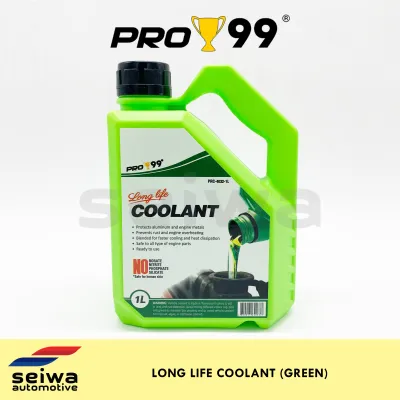
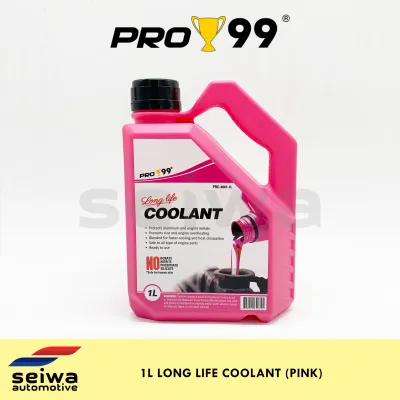
![1L PINK] Coolant for Toyota and Chevrolet - Pro99 Brand](https://img.lazcdn.com/g/p/c64659fadafe40fe81501d09479bef65.jpg_400x400q80.jpg_.webp)
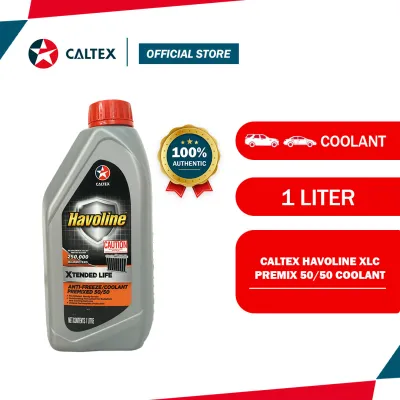
Prices are valid at publication and may change. Please refer to the product page for the latest price.
This environmental strain is compounded by the severe stop-and-go traffic characteristic of major metropolitan areas like Metro Manila, Cebu, and Davao. When your vehicle is idling or crawling at single-digit speeds, it loses the benefit of ram-air cooling—the natural airflow forced through the radiator grille by forward motion. During these prolonged periods of idling, your cooling system must rely entirely on the thermal capacity of the coolant fluid and the mechanical or electric cooling fans to draw air through the radiator core. This continuous high-load state forces the coolant to operate near its physical limits for extended periods.
In this tropical context, the primary role of a coolant is not to prevent freezing, but to elevate the boiling point of the water mixture and prevent internal system corrosion. Water is an excellent heat transfer medium, but it boils at 100°C at sea level and promotes rapid rust and scale formation on metal surfaces. If the fluid in your engine boils, it transitions into steam pockets. These steam pockets act as thermal insulators, preventing heat from escaping the engine block and leading to rapid, catastrophic overheating.
It is vital to establish a realistic baseline: no coolant formulation, regardless of its quality or brand reputation, can compensate for a mechanical failure within the cooling system. If your vehicle has a failing water pump, a stuck thermostat, a slipping drive belt, or a radiator core clogged with external road debris, upgrading your coolant will not resolve the underlying issue. A high-quality fluid is a protective medium, but it requires a mechanically sound system to do its job effectively.
How Delo Coolant Formulations Address High-Temperature Demands
Chevron’s Delo coolant line, particularly its Extended Life Coolant (ELC) products, is engineered to address the exact thermal and chemical challenges encountered in high-temperature environments. Many modern Delo formulations utilize Organic Acid Technology (OAT) or Nitrited Organic Acid Technology (NOAT). Unlike traditional inorganic coolants that rely on rapid-depleting silicates and phosphates, OAT formulations use carboxylate inhibitors that bond selectively to metal surfaces showing early signs of microscopic wear, providing targeted protection without forming a thick, insulating layer over the entire cooling system.

This targeted molecular protection is highly beneficial for modern engines that utilize aluminum cylinder heads and engine blocks. Aluminum is highly sensitive to high-temperature corrosion and cavitation—a phenomenon where vapor bubbles collapse violently against metal surfaces under pressure, gradually eroding the metal. The organic inhibitors in Delo coolants remain chemically stable under continuous high thermal loads, protecting critical aluminum, copper, brass, and cast-iron components from degradation without depleting rapidly over time.
Another critical advantage of these formulations is their ability to elevate the boiling point of the cooling mixture. When mixed at a standard 50/50 ratio with water and pressurized by a functional radiator cap (typically rated at 15 PSI), a quality glycol-based coolant can raise the boiling point of the system well above 125°C. This elevated boiling point provides a crucial safety margin when your engine is idling in heavy traffic on a hot afternoon, preventing the coolant from flashing into steam and keeping the fluid in a liquid state where it can continue absorbing heat.
However, heat transfer efficiency is a delicate balancing act. Pure ethylene glycol actually has a lower specific heat capacity than water, meaning it is less efficient at absorbing and carrying away heat on its own. The addition of glycol is necessary to raise the boiling point and prevent boiling-induced steam pockets, while the water content in the mixture does the heavy lifting of carrying heat away from the engine block. Delo coolants are formulated to balance these properties, but they must be used as a protective defense system rather than a cure-all. Always verify the specific performance claims and chemical specifications on the physical bottle label to ensure they align with your vehicle’s requirements.
What to Check on the Label Before Buying or Topping Up
Selecting the correct coolant requires careful reading of the product label rather than relying on brand name alone. The first and most critical distinction to make is whether you are purchasing a premixed fluid or a concentrated formula.
- Premixed Coolants (50/50): These are pre-diluted with deionized water and are ready to pour directly into your cooling system. A common and costly mistake made by vehicle owners in the Philippines is adding extra water to a 50/50 premixed coolant to "stretch" the product further. Doing this dilutes the concentration of glycol and corrosion inhibitors, significantly lowering the boiling point and leaving your engine highly vulnerable to overheating and internal rust.
- Concentrated Coolants: These must be mixed with water before installation. If you choose a concentrate, you must mix it with distilled or demineralized water, never tap water. Tap water in the Philippines contains dissolved minerals like calcium, magnesium, and chlorides. Under high engine heat, these minerals precipitate out of the water and form hard scale deposits inside the narrow tubes of your radiator, acting as an insulating barrier that severely restricts heat transfer and clogs the system.
Next, examine the label for specific boiling point claims. The listed boiling point is typically measured under a standard 15 PSI (103 kPa) radiator cap pressure. Ensure that the stated boiling point meets or exceeds the specifications outlined in your vehicle’s service manual. If your vehicle operates under high-load conditions, such as towing or carrying heavy cargo up steep mountain passes like the road to Baguio, ensuring a high boiling point margin is essential.
Finally, pay close attention to chemical compatibility and color. Coolant colors (such as red, pink, blue, green, or yellow) are simply dyes added by manufacturers and are not universally standardized across the automotive industry. Never mix different coolant chemistries based on color alone. Mixing an OAT-based Delo coolant with an older, silicate-based green Inorganic Additive Technology (IAT) coolant can trigger a chemical reaction that precipitates solid particles, forming a thick gel. This gel will quickly clog your radiator tubes and heater core, causing severe overheating. Always check your vehicle owner’s manual for the required industry specification (such as ASTM D3306 for passenger cars or ASTM D6210 for heavy-duty diesel engines) or specific OEM approvals, and verify that the Delo product label explicitly lists compatibility with those standards.
Essential Cooling System Maintenance for Tropical Driving
To ensure your coolant performs effectively over its intended lifespan in a harsh tropical environment, you must implement a proactive maintenance routine. Regular visual inspections are the simplest way to catch cooling system issues before they lead to an on-road breakdown.
- Check the Overflow Reservoir: When the engine is completely cold, inspect the coolant level in the translucent plastic expansion tank. The fluid level should rest comfortably between the "Low" and "Full" (or "Min" and "Max") markings.
- Evaluate Fluid Quality: Observe the color and clarity of the coolant inside the reservoir. It should be bright, clear, and free of debris. If the fluid appears muddy, brown, or milky, or if you spot an oily film floating on the surface, this indicates severe contamination, internal rust, or a failing head gasket. In such cases, stop operating the vehicle and consult a qualified professional.
- Inspect System Hoses: Check the upper and lower radiator hoses for signs of wear. The intense heat and UV exposure of the Philippine climate accelerate the aging of rubber components. Gently squeeze the hoses when the engine is cold; they should feel firm but pliable. If a hose feels excessively soft, spongy, brittle, or shows visible cracking or swelling, replace it immediately to prevent a sudden burst under pressure.
- Inspect the Radiator Cap: Examine the radiator cap and its rubber seal. If the rubber gasket is cracked, torn, or compressed, the cap will fail to maintain the required pressure within the system. This pressure loss directly lowers the boiling point of your coolant, causing it to boil over at a much lower temperature than designed.
Due to the continuous high thermal stress of tropical driving, which often falls under the “severe service” maintenance schedule in vehicle manuals, coolant additives can deplete faster than they would in temperate climates. Follow your vehicle manufacturer’s recommended service intervals for performing a complete cooling system flush and refill. A proper flush removes accumulated scale, sediment, and depleted fluid, ensuring that your fresh Delo coolant can establish direct contact with metal surfaces for maximum heat transfer.
Always prioritize safety when performing any cooling system maintenance. Never, under any circumstances, attempt to open a radiator cap while the engine is hot or warm. The cooling system operates under high pressure, and opening the cap prematurely can cause boiling coolant and steam to spray out violently, resulting in severe personal injury. If your vehicle shows signs of overheating, pull over safely to the side of the road, turn off the engine, and allow the vehicle to cool completely for at least 45 minutes before inspecting the system or adding fluid.
Frequently Asked Questions (FAQ)
Can I mix Delo coolant with another brand in an emergency?
Mixing different coolant brands or chemical formulations is highly discouraged. Combining different additive packages can cause chemical reactions that lead to precipitation, gelling, and a significant reduction in corrosion protection. In a true roadside emergency where your coolant level is dangerously low and a matching Delo product is unavailable, it is safer to top up the system with distilled water rather than mixing incompatible coolants. However, adding water will dilute your coolant mixture, lowering its boiling point. You should have the cooling system thoroughly flushed and refilled with the correct manufacturer-specified mixture as soon as possible.
Does a higher coolant concentration always mean better cooling in hot weather?
No, a higher concentration of coolant concentrate does not result in better cooling performance. Pure ethylene glycol is significantly less efficient at transferring heat than pure water. If your mixture exceeds a 70/30 coolant-to-water ratio, the fluid’s ability to absorb heat from the engine block and release it through the radiator drops dramatically, which can actually cause your engine to run hotter and potentially overheat. For the hot climate of the Philippines, a 50/50 ratio is the standard recommendation, as it provides the ideal balance of boiling point elevation, corrosion protection, and optimal heat transfer efficiency. Always follow the specific ratio guidelines on the product label and in your vehicle’s owner’s manual.

Community discussion
Share your experience or ask a question. Comments are reviewed before publication.