
Ecocool coolant can be highly effective in the Philippines’ year-round hot climate, provided you select the specific formulation that matches your vehicle’s requirements, maintain the correct mixing ratio, and follow proper cooling system maintenance procedures. In a tropical environment where ambient temperatures routinely exceed 30°C and urban traffic jams create extreme thermal stress, your choice of engine coolant directly impacts vehicle longevity and prevents catastrophic boil-overs. Selecting the right fluid requires verifying its chemical technology, boiling point, and dilution guidelines against your vehicle manufacturer’s specifications.
Why the Philippine Climate Demands High-Performance Coolant
Operating a vehicle in the Philippines presents a unique set of challenges for an internal combustion engine. The combination of high ambient temperatures, intense tropical humidity, and prolonged stop-and-go traffic in metropolitan areas like Metro Manila or Cebu subjects the cooling system to continuous thermal stress. Unlike temperate regions where engines experience seasonal temperature swings, tropical climates keep engines operating near their upper thermal limits for extended periods.
While freeze protection is irrelevant in the lowlands of the Philippines, boil-over protection and corrosion inhibition are absolutely critical. When an engine runs, it generates immense heat that must be dissipated rapidly to prevent metal components from warping or cracking. If the heat transfer fluid boils, it turns into vapor, which cannot absorb or transfer heat effectively. This leads to rapid, localized overheating within the engine block, particularly around the cylinder heads.
Products mentioned in this guide
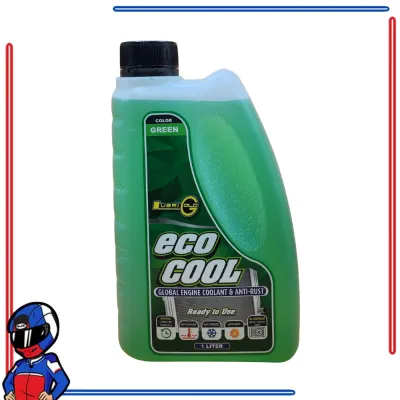
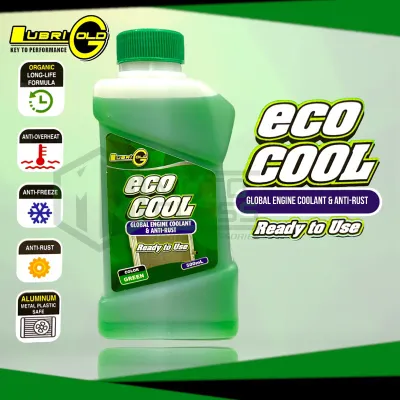
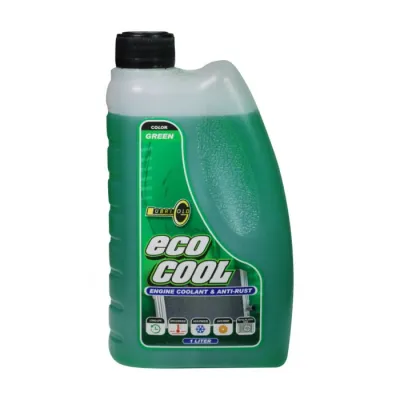
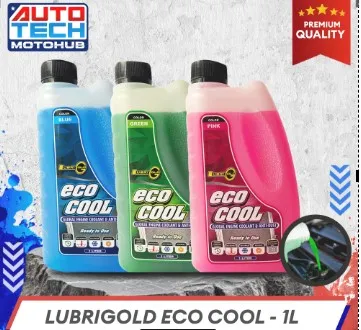
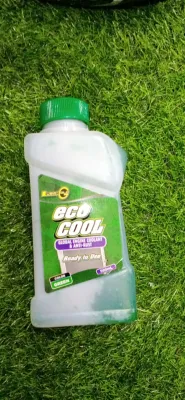
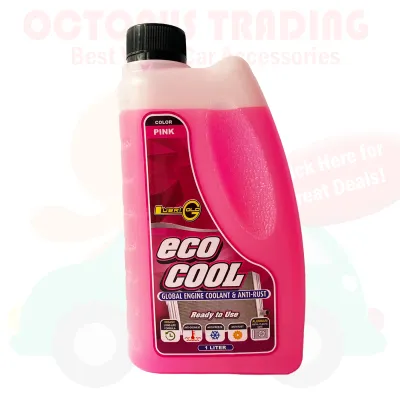
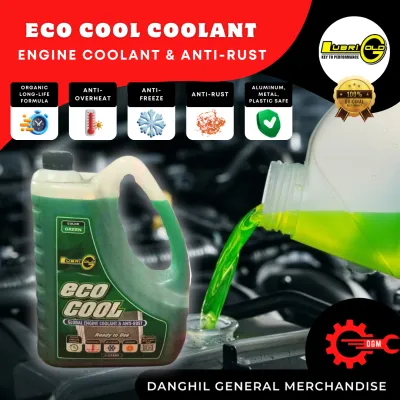
Prices are valid at publication and may change. Please refer to the product page for the latest price.
The boiling point of any fluid in a vehicle is directly influenced by the cooling system’s operating pressure. The radiator cap acts as a pressure relief valve, maintaining a sealed, pressurized environment that raises the boiling point of the liquid inside. However, pressure alone is not enough to prevent boil-over under extreme conditions. A high-performance coolant must chemically elevate the boiling point of the mixture, providing a safety margin when the vehicle is idling in heavy traffic on a hot afternoon.
Beyond heat dissipation, a coolant’s primary job in a tropical environment is to protect internal metal and rubber components from degrading under constant high heat. Modern engines utilize a mix of metals, including aluminum, copper, brass, and cast iron. Without proper chemical inhibitors, the combination of heat, moisture, and dissimilar metals creates an ideal environment for galvanic corrosion and rust, which can quickly clog thin radiator passages and compromise the water pump.
How to Check Ecocool Coolant Specs for Tropical Conditions
Before purchasing or adding any fluid to your vehicle, always check your vehicle manufacturer’s owner manual and the product label of the specific Ecocool coolant. If instructions conflict, or if your vehicle’s specific requirements are unclear, consult a certified automotive professional. Never assume that a generic coolant is safe for your specific make and model, as incorrect fluid usage can lead to severe engine damage and void your vehicle’s warranty.

To ensure that an Ecocool coolant product is suitable for tropical conditions, start by verifying its boiling point on the product label. The boiling point of the coolant mixture at atmospheric pressure must be significantly higher than that of pure water (100°C). When the system is pressurized by a functional radiator cap—typically between 0.9 and 1.1 bar—the effective boiling point of a proper coolant mixture should exceed 120°C. This high threshold is essential for preventing localized boiling inside the engine’s cooling jackets.
Next, identify the specific chemical technology listed on the Ecocool packaging. Engine coolants are formulated using different additive packages:
- Inorganic Additive Technology (IAT): Typically used in older vehicles, relying on silicates and phosphates for rapid corrosion protection, but requiring more frequent replacement.
- Organic Acid Technology (OAT): Common in modern vehicles, utilizing organic acids for long-lasting protection, but incompatible with certain older radiator materials and seals.
- Hybrid Organic Acid Technology (HOAT): A blend of inorganic and organic inhibitors designed to provide multi-metal protection over an extended lifespan.
Cross-reference these terms with your vehicle owner’s manual. Mixing incompatible chemistries—such as adding an OAT coolant to a system designed for IAT—can cause the protective additives to precipitate out of the liquid. This chemical reaction often results in a thick, gelatinous sludge that blocks the radiator tubes, restricts fluid flow, and leads to rapid engine overheating regardless of the ambient temperature.
You must also determine whether the Ecocool product you are purchasing is pre-diluted (often labeled as “50/50 Pre-mix” or “Ready-to-Use”) or a concentrate. Pre-mixed formulas are highly recommended for general maintenance because they eliminate dilution guesswork and ensure that the water used is free of harmful minerals. If you purchase a concentrate, you must manually mix it with high-quality water according to the manufacturer’s exact specifications.
Finally, understand that coolant color is not a reliable indicator of chemical composition, boiling point, or vehicle compatibility. Manufacturers use various dyes (such as green, pink, blue, or yellow) for branding and leak detection, but these colors are not standardized across the automotive industry. Two coolants of the same color can have completely different chemical bases, while two coolants of different colors might be chemically identical. Always rely on the printed specifications, industry standards (such as ASTM or JIS), and OEM approvals listed on the bottle rather than the color of the liquid.
Mixing and Maintenance Rules for Maximum Heat Protection
To achieve maximum heat protection and prevent cooling system failures, you must follow strict mixing and maintenance practices. If you are using an Ecocool concentrate, you must strictly use distilled or deionized water for dilution. Never use tap water, well water, or bottled mineral water. Tap water contains dissolved minerals such as calcium, magnesium, and chlorides. Under high operating temperatures, these minerals precipitate out of the solution and form a hard scale on the internal surfaces of the radiator, heater core, and engine block. This scale acts as a thermal insulator, severely reducing the system’s ability to transfer heat and eventually clogging the narrow tubes of the radiator.
Maintaining the correct dilution ratio is critical for balancing heat transfer and boil-over protection. A 50/50 mixture of coolant concentrate and distilled water is the general industry standard, providing an optimal balance. Glycol-based coolants have a lower heat capacity than pure water, meaning they absorb and release heat more slowly. However, they provide the necessary boiling point elevation and corrosion protection. If you use pure coolant concentrate, the engine will run hotter because the fluid cannot transfer heat efficiently. Conversely, if you use too much water, the boiling point drops, and the system loses its rust-inhibiting properties. Always verify the exact ratio required on the Ecocool label and in your vehicle manual.
A safe and regular inspection routine is essential for maintaining cooling system health in hot climates. Always check the coolant level at the overflow reservoir when the engine is completely cold. The fluid level should rest between the “Min” and “Max” or “Low” and “Full” marks on the translucent plastic tank. Never open the radiator cap or the pressurized expansion tank when the engine is hot, as the pressurized system can spray boiling liquid and steam, causing severe burns.
During your routine inspections, take the time to examine the radiator hoses, heater hoses, and clamps. The intense heat of a tropical climate, combined with high under-hood temperatures, accelerates the aging and degradation of rubber components. Squeeze the hoses gently when the engine is cold; they should feel firm but pliable. If a hose feels excessively soft, spongy, or brittle, or if you notice cracking, swelling, or crusty white or colored deposits around the clamps, the hose must be replaced immediately to prevent a sudden rupture while driving.
Early Warning Signs of Coolant Failure in Heavy Traffic
Diagnosing degrading coolant or cooling system issues early can save you from costly engine repairs. In the heavy traffic conditions common in Philippine urban centers, a failing cooling system will quickly manifest through visual and operational warning signs.
Regularly inspect the appearance of the coolant in your reservoir. Healthy coolant should be clear and bright, matching its original dyed color. If the fluid appears cloudy, muddy, dark brown, or contains floating rust particles or black sediment, the coolant has degraded. This discoloration indicates that the corrosion inhibitors have been depleted, and the fluid is actively allowing rust and scale to form inside the engine block and radiator.
Operational symptoms are equally critical to monitor. Keep a close eye on your dashboard’s temperature gauge or warning lights. If the needle consistently creeps past its normal midpoint during idle or slow-moving traffic, or if the radiator cooling fan runs continuously at high speed without cycling off, your cooling system is struggling to dissipate heat. Another common warning sign is a sweet, syrup-like odor inside the cabin or near the front of the vehicle, which often points to a small coolant leak evaporating on hot engine components. If you find yourself frequently topping up the coolant reservoir, there is a leak in the system that must be pressure-tested and repaired.
If the temperature warning light illuminates on your dashboard, or if you see steam escaping from under the hood, you must take immediate safety precautions. Pull over safely to the side of the road, turn off the engine, and activate your hazard lights. Do not attempt to open the hood immediately if steam is escaping, and never touch the radiator cap while the engine is hot. Allow the vehicle to cool down completely for at least 30 to 45 minutes. Once the system is cold, check the reservoir level. Rather than simply adding water or more fluid to a failing system, seek professional assistance. Have a qualified mechanic perform a system pressure test, check for leaks, and perform a complete system flush and refill using the correct Ecocool formulation.
Frequently Asked Questions (FAQ)
Can I just use pure water instead of coolant in the Philippines?
While pure water has excellent heat transfer properties, using it as a permanent replacement for coolant is highly damaging to modern engines. At standard atmospheric pressure, water boils at 100°C, which leaves a very narrow safety margin in hot tropical traffic. More importantly, pure water lacks the essential corrosion inhibitors, anti-foaming agents, and water pump lubricants found in high-quality coolants like Ecocool. Without these additives, water causes rapid internal rust, scale buildup, and galvanic corrosion, which will eventually clog the radiator and cause catastrophic engine failure.
How often should I flush and replace my coolant in a tropical climate?
You should always refer to the specific maintenance schedule in your vehicle owner’s manual and the lifespan guidelines printed on the Ecocool product label. Standard coolants typically require replacement every two years or 40,000 kilometers, whereas long-life formulations (such as OAT or HOAT) can last up to five years or 100,000 kilometers or more. However, because driving in the Philippines often involves severe operating conditions—including extreme ambient heat, prolonged idling in heavy urban traffic, and high humidity—it is highly recommended to perform visual inspections of the fluid’s condition every six months and consider flushing the system earlier if signs of degradation appear.

Community discussion
Share your experience or ask a question. Comments are reviewed before publication.