
Yes, Prestone green coolant can be suitable for the Philippines’ tropical climate, but its suitability depends entirely on your vehicle’s specific manufacturer requirements rather than the weather alone. While it provides the necessary boiling point elevation and corrosion protection to handle intense tropical heat and Metro Manila’s stop-and-go traffic, using it in a vehicle designed for a different coolant technology can cause severe engine damage.
When searching for the classic preston coolant green formula, car owners often focus solely on its ability to prevent overheating in hot weather. However, modern automotive cooling systems are highly sensitive chemical environments. Selecting the wrong type of fluid can lead to premature water pump failure, radiator clogging, and expensive engine repairs. To make an informed decision, you must look beyond the color of the fluid and evaluate its chemical compatibility with your specific vehicle.
How the Philippine Climate Stresses Your Car's Cooling System
The tropical climate of the Philippines presents a unique set of challenges for any automotive cooling system. With ambient temperatures frequently soaring above 35°C during the dry season, the baseline temperature of the air passing through your radiator is already exceptionally high. This high ambient temperature reduces the temperature differential between the engine coolant and the outside air, making heat dissipation much less efficient than it would be in cooler climates.
Products mentioned in this guide
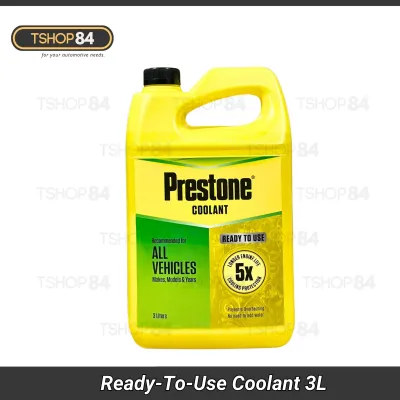
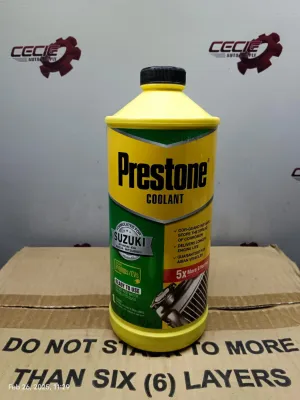
Prices are valid at publication and may change. Please refer to the product page for the latest price.
Compounding this thermal load is the high relative humidity characteristic of the archipelago. High humidity affects the density of the air, which can slightly alter the heat-carrying capacity of the air flowing through the radiator grill. Furthermore, the coastal environments found across the Philippine islands introduce salt-laden air into the engine bay, which accelerates the oxidation and corrosion of exposed metal components, including the delicate aluminum fins of the radiator.
However, the most severe stress on a vehicle’s cooling system in the Philippines does not come from the sun alone; it comes from prolonged stop-and-go traffic. In dense urban areas such as Metro Manila, Metro Cebu, and Davao, vehicles spend hours idling or moving at crawl speeds. Under these conditions, there is virtually no natural ram-air flowing through the radiator grill to cool the fluid. The engine must rely entirely on its electric cooling fans to pull air through the radiator core.
During extended idling in heavy traffic, the engine continues to generate substantial heat, but the water pump spins at a lower speed, reducing the flow rate of the coolant. This combination of low coolant flow and zero natural airflow places an immense thermal load on the system. If your cooling system is filled with plain water, you risk catastrophic failure.
Plain water is highly inefficient under these extreme conditions. At sea level, water boils at 100°C. In a modern engine operating under heavy load or idling in traffic, localized temperatures near the combustion chambers can easily exceed this limit. When water boils inside the engine block, it forms steam pockets. Steam cannot transfer heat away from metal surfaces as effectively as liquid, leading to rapid localized overheating, warped cylinder heads, and blown head gaskets. Additionally, plain water lacks the necessary corrosion inhibitors, leading to rapid rust formation and mineral scaling that can permanently block the radiator’s internal passages.
Evaluating Preston Coolant Green for Tropical Conditions
When evaluating the classic preston coolant green formula for use in tropical climates, it is essential to understand the primary active ingredient: ethylene glycol. Ethylene glycol serves as the base fluid for most high-quality coolants, and its main purpose in a hot climate is to elevate the boiling point of the water mixture. When mixed in a 50/50 ratio with distilled water, it raises the boiling point significantly, providing a safety margin that prevents the fluid from turning into steam under heavy thermal loads.

The term “green coolant” historically refers to traditional Inorganic Additive Technology (IAT) formulations. This chemical technology uses fast-acting inorganic inhibitors, primarily silicates and phosphates, to form a protective layer over the metal surfaces inside the cooling system. This layer is highly effective at preventing rust and corrosion in older vehicles that utilize copper, brass, and cast-iron components in their engines and radiators.
However, relying solely on the green color of the fluid can be misleading. Today, coolant color is no longer a reliable indicator of its chemical formulation. Some manufacturers produce universal or extended-life coolants dyed green that use Organic Acid Technology (OAT) or Hybrid Organic Acid Technology (HOAT). Conversely, some traditional IAT coolants may be dyed other colors. Therefore, you must inspect the product label to verify the underlying chemical technology rather than choosing a product based on color alone.
In the humid and coastal regions of the Philippines, the corrosion inhibitors in your coolant are just as important as its boiling point. Without these inhibitors, the moisture and salt in the air can accelerate the degradation of your radiator, water pump, and heater core. A high-quality green coolant provides robust protection against cavitation—a phenomenon where tiny vacuum bubbles collapse violently against the water pump impeller, eroding the metal over time.
Ultimately, the suitability of Prestone green coolant for your vehicle depends entirely on matching the coolant’s chemical technology to your specific vehicle manufacturer’s requirements. Modern engines utilize a wide variety of materials, including specific aluminum alloys, plastics, and rubber seals. Using an incompatible coolant technology can lead to chemical reactions that degrade these materials, regardless of how well the coolant performs in hot weather.
Key Specifications to Check on the Coolant Label
Before adding any fluid to your vehicle, always check the applied product’s label and the treated item’s manufacturer instructions. If instructions conflict, the item is unidentified, or the use is not covered, stop and consult the manufacturer or a qualified professional.
When purchasing coolant, you must carefully read the technical specifications on the packaging to ensure it aligns with your vehicle’s needs:
- Boiling Point and Concentration: Coolants are typically sold in two forms: 50/50 pre-diluted (ready-to-use) and concentrated. In the Philippines, a 50/50 pre-diluted mix is generally the most convenient and safest option, as it is blended with demineralized water at the factory. If you purchase concentrated coolant, you must mix it yourself with distilled water. Check the label to verify the boiling point under pressure; a standard 50/50 mix typically protects up to approximately 129°C when used with a properly functioning 15 psi radiator cap.
- ASTM Standards: Look for compliance with recognized industry standards. High-quality coolants will explicitly state compliance with standards such as ASTM D3306 for light-duty automotive applications or ASTM D4985 for heavy-duty diesel engines. These standards guarantee that the fluid has undergone rigorous testing to ensure baseline performance, thermal stability, and corrosion protection.
- Phosphate and Silicate Content: This is particularly critical in the Philippines, where Japanese and other Asian car brands dominate the roads. Most Asian manufacturers explicitly require phosphate-organic acid technology (P-OAT) and forbid the use of silicates. Silicates can be abrasive to the delicate seals of Asian-designed water pumps, leading to premature leaks. Conversely, many European manufacturers forbid phosphates because they can react with calcium in hard water to form scale. If your vehicle's owner's manual specifies a silicate-free or phosphate-free formula, you must ensure the coolant label matches this requirement exactly.
Best Practices for Coolant Maintenance in Heavy Traffic
Maintaining your vehicle’s cooling system is vital to preventing sudden breakdowns on congested roads. Implementing a regular maintenance routine can save you from costly repairs and dangerous roadside situations.
Always practice safe inspection techniques. Never, under any circumstances, attempt to open the radiator cap or the pressurized coolant reservoir while the engine is hot or even warm. The cooling system operates under high pressure, and opening it can cause boiling coolant and steam to spray out violently, resulting in severe, life-altering burns. Always allow the engine to cool down completely—ideally for several hours—before checking the fluid level or opening the cap.
Regularly inspect the condition of your radiator cap. The radiator cap is not just a lid; it is a calibrated pressure valve designed to maintain system pressure. By keeping the system pressurized, the cap physically raises the boiling point of the coolant. If the rubber seal on the cap is cracked, swollen, or if the spring has lost its tension, the system will lose pressure. This drop in pressure causes the coolant to boil at a much lower temperature, leading to premature boil-over and engine overheating in heavy traffic. If you notice any signs of wear on the cap, replace it immediately with an OEM-spec replacement.
When topping up your coolant reservoir, follow strict rules to avoid contaminating the system. Never use tap water to top up your cooling system. Tap water in the Philippines often contains high concentrations of minerals such as calcium, magnesium, and silica. Under the extreme heat of the engine, these minerals precipitate out of the water and form a hard scale on the internal walls of the radiator tubes. Over time, this scale acts as an insulator, blocking heat transfer and clogging the radiator. Always use distilled water or, preferably, the exact same 50/50 pre-diluted coolant mixture that is already in your system.
Finally, adjust your flushing intervals to match your driving conditions. The heavy traffic, high humidity, and extreme heat of the Philippines fall squarely under the “severe driving conditions” category in almost every vehicle owner’s manual. Under these conditions, the chemical additives and corrosion inhibitors in the coolant degrade much faster than they would under normal highway driving. Check your vehicle’s manual for the severe-service maintenance schedule. While standard intervals might suggest flushing every five years, severe conditions often require a complete system flush and refill every two to three years, or even sooner for traditional IAT green coolants.
When to Seek Professional Cooling System Diagnostics
While routine inspections and fluid top-ups can be performed at home, certain symptoms indicate deeper mechanical or chemical issues that require professional intervention.
If you experience any of the following warning signs, fresh coolant alone will not resolve the problem:
- Sweet, Syrupy Odors: A sweet smell inside the cabin or near the front of the car often indicates a pinhole leak in the heater core, radiator, or coolant hoses.
- Milky Engine Oil: A milky, light-brown substance on your engine oil dipstick or under the oil filler cap is a classic sign of coolant mixing with engine oil, typically caused by a blown head gasket or a cracked engine block.
- Visible Puddles: Bright green, pink, or blue fluid collecting under your vehicle after it has been parked indicates an active external leak.
- Spiking Temperature Gauge: A temperature gauge needle that consistently creeps toward the red zone, or a high-temperature warning light that illuminates on the dashboard, even though the coolant reservoir is filled to the correct level, indicates a mechanical failure.
Remember the severe safety risks involved in diagnosing a malfunctioning cooling system. If your car begins to overheat while driving, pull over safely, turn off the engine, and let it cool completely. Do not attempt to diagnose the issue on the side of a busy road. If overheating persists despite having a full reservoir, stop driving the vehicle to prevent catastrophic engine failure and consult a qualified mechanic. A professional can perform a cooling system pressure test to locate hidden leaks, check the operation of the thermostat, and verify that the water pump is circulating fluid correctly.
Frequently Asked Questions (FAQ)
Can I mix Prestone Green with other coolant colors?
You should avoid mixing different coolant formulations, regardless of their colors. Mixing traditional green IAT coolant with other technologies, such as orange OAT or pink HOAT, can trigger an adverse chemical reaction. The different additive packages can destabilize each other, causing the corrosion inhibitors to precipitate out of the solution and form a thick, gelatinous sludge. This sludge can block the narrow passages within your radiator, heater core, and engine block, leading to localized overheating and severe engine damage. If you need to switch coolant types or are unsure of what fluid is currently in your system, perform a thorough flush with distilled water before refilling.
Do I need a higher coolant concentration for Philippine summers?
No, you do not need a higher coolant concentration for the hot summer months in the Philippines. While increasing the concentration of ethylene glycol (for example, to a 70/30 ratio) does raise the boiling point slightly, it significantly reduces the fluid’s thermal conductivity. Pure water is actually much better at transferring and carrying heat away from engine components than ethylene glycol. A standard 50/50 mixture of coolant and distilled water provides the perfect balance for tropical climates, offering excellent boil-over protection and corrosion resistance while maintaining the optimal heat-transfer efficiency required to keep your engine running cool in extreme heat.

Community discussion
Share your experience or ask a question. Comments are reviewed before publication.