
To determine if the pro 99 coolant blue is suitable for the Philippine tropical climate, you must look beyond its eye-catching color and examine its chemical specifications, boiling point, and compatibility with your vehicle’s engine. While a high-quality blue coolant can perform exceptionally well in hot and humid conditions, using any fluid without verifying its chemical makeup against your manufacturer’s requirements can lead to severe engine damage. Suitability is never determined by color alone, but rather by how the fluid’s technical properties match both the local environment and your vehicle’s original equipment manufacturer (OEM) standards.
In the Philippines, automotive cooling systems face a continuous double-threat of intense atmospheric heat and punishing urban traffic. Ensuring your engine remains within its safe operating temperature requires a coolant that can absorb and dissipate heat efficiently without boiling or degrading. Before pouring any new fluid into your radiator, you must understand how the local climate stresses your vehicle and how to verify that your chosen coolant is up to the task.
How Tropical Heat and Traffic Stress Your Engine's Cooling System
The tropical climate of the Philippines presents a unique set of challenges for any automotive cooling system. Ambient temperatures regularly exceed 30°C, often climbing past 38°C during the dry season. This high ambient temperature reduces the temperature differential between the hot coolant inside your radiator and the outside air. Because heat transfer relies on this temperature difference, a smaller gap means your radiator must work significantly harder to shed heat into the surrounding atmosphere.
Products mentioned in this guide
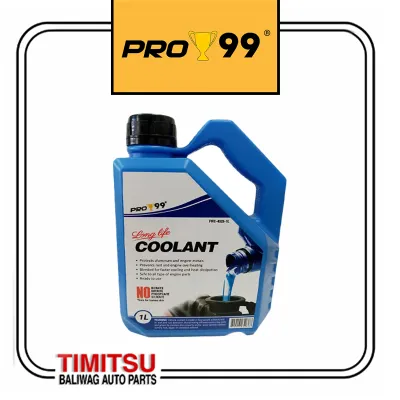
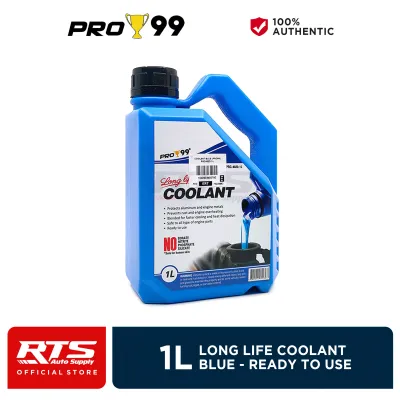
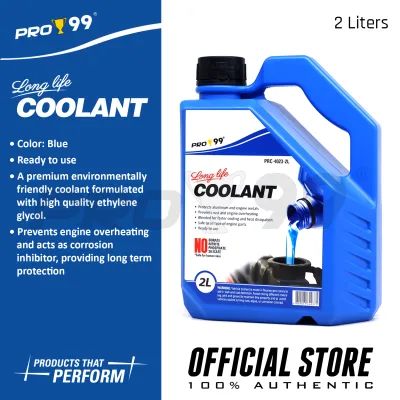
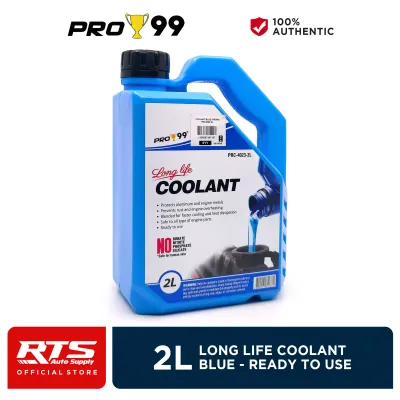
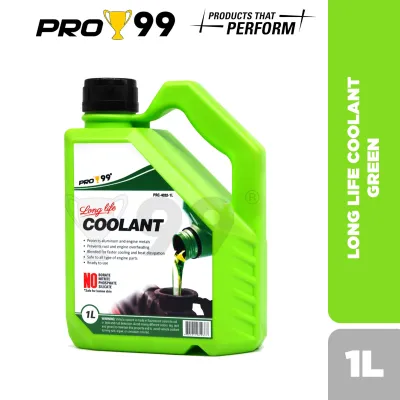
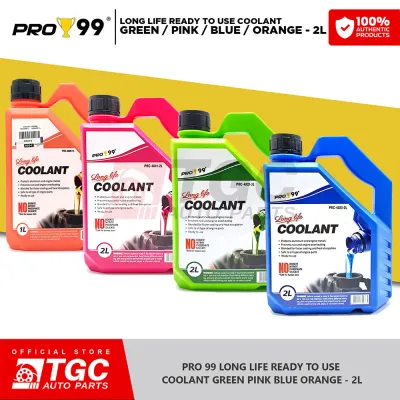
Prices are valid at publication and may change. Please refer to the product page for the latest price.
Relative humidity, which frequently hovers above 70% or 80% in tropical regions, further compounds this thermal challenge. High humidity increases the moisture content of the air, subtly altering its density and thermal properties. While humid air can technically carry heat, the overall atmospheric density and lack of dry air movement often impede the rapid evaporation and cooling processes that mechanical systems rely on to maintain thermal equilibrium.
Beyond environmental factors, the daily reality of stop-and-go traffic in major metropolitan areas like Metro Manila, Cebu, and Davao places an immense physical load on your vehicle. When a car is moving at highway speeds, a constant rush of high-velocity air passes through the radiator grille, naturally cooling the fluid within. In bumper-to-bumper traffic, this natural airflow drops to zero, forcing your vehicle to rely entirely on its electrical cooling fans and the inherent thermal capacity of the coolant itself.
Under these prolonged idling conditions, the engine block continues to generate intense heat, but the cooling system has very little opportunity to dissipate it. If a coolant has an insufficient boiling point or poor heat transfer properties, it can begin to boil locally around the hottest parts of the engine, such as the cylinder head. This localized boiling creates vapor pockets, which act as thermal insulators, preventing heat from escaping and rapidly leading to localized warping, blown head gaskets, or catastrophic engine failure.
Furthermore, the constant thermal cycling experienced during long commutes accelerates the degradation of both the coolant and the cooling system’s physical components. A reliable coolant must not only resist boiling but must also contain highly stable corrosion inhibitors. Under continuous high-stress conditions, these inhibitors prevent the formation of rust, scale, and mineral deposits that can coat the internal passages of your radiator, reducing its heat-transfer efficiency and eventually clogging the entire system.
What to Check on the Pro 99 Coolant Blue Label for Tropical Protection
When evaluating the pro 99 coolant blue for use in your vehicle, your first step should always be a thorough inspection of the physical product label, the manufacturer’s official technical data sheets, or the Safety Data Sheet (SDS). Do not rely on marketing claims or the visual appeal of the liquid. Instead, look for the specific boiling point of the fluid, both in its concentrated form and when mixed at the recommended ratio.

A coolant’s boiling point under atmospheric pressure is only part of the equation. Once sealed inside a pressurized cooling system, the boiling point of the fluid rises significantly. However, the base fluid must still possess a high baseline boiling point to provide a safe margin of error. Check the packaging to see if the product specifies its boiling point at a standard 50/50 dilution ratio under a typical system pressure of 15 psi (approximately 1.03 bar), which is the standard operating pressure for most modern passenger vehicles.
It is critical to understand that the blue color of the fluid is merely a dye added by the manufacturer. In the automotive industry, there is no universal, legally binding standard that dictates what chemical formulation a specific coolant color must represent. While some manufacturers use blue to designate specific Asian vehicle formulations, others use it simply for brand identification or leak detection. Relying solely on the blue color to assume performance, chemical composition, or boiling protection is a dangerous mistake.
You must also verify whether the specific bottle you are purchasing is a “Ready-to-Use” (pre-diluted) formula or a “Concentrate.” Ready-to-Use formulas are already mixed with purified water, typically at a 50/50 ratio, and should be poured directly into the system without modification. If you purchase a concentrated version, you must dilute it yourself. For tropical climates, a 50/50 mix of concentrate and water is generally ideal, as it provides the optimal balance of heat transfer capacity and boiling protection.
When diluting a concentrate, never use ordinary tap water. Tap water contains dissolved minerals such as calcium, magnesium, and chlorides. Under the intense heat of your engine, these minerals precipitate out of the solution and form a hard scale on the hot metal surfaces of your engine block and radiator tubes. This scale acts as an insulator, trapping heat inside the engine. Always use distilled or deionized water to mix with your coolant concentrate to ensure the system remains free of mineral buildup.
Finally, look for recognized industry standards printed on the label, such as ASTM D3306 or ASTM D4985. These certifications indicate that the fluid has undergone rigorous laboratory testing to meet the minimum performance, corrosion protection, and material compatibility requirements for automotive cooling systems. If a product lacks these basic industry certifications, it may not provide the long-term chemical stability required to protect your engine under tropical conditions.
Matching Coolant Chemistry to Your Vehicle's OEM Requirements
While finding a coolant that can handle tropical heat is essential, you must never sacrifice chemical compatibility with your vehicle’s engine. Every automotive manufacturer designs their cooling systems using specific metals, plastics, and elastomers. To protect these materials from corrosion and degradation, manufacturers specify precise coolant chemistries in the vehicle owner’s manual. You must verify that the chemical formulation of the pro 99 coolant blue matches these OEM specifications.
Automotive coolants generally fall into three primary chemical categories, each utilizing different corrosion inhibitor technologies:
- Inorganic Additive Technology (IAT): Traditionally used in older vehicles, these formulations rely on silicates and phosphates to provide fast-acting protective coatings on iron and aluminum surfaces, but they deplete quickly and require frequent changes.
- Organic Acid Technology (OAT): Common in modern European and some American vehicles, OAT coolants use organic acids to provide long-lasting corrosion protection, but they contain no silicates or phosphates.
- Hybrid Organic Acid Technology (HOAT): Often specified for Asian and some modern global vehicles, HOAT formulations combine organic acids with small amounts of silicates or phosphates to offer rapid protection and long service life.
If your vehicle’s owner’s manual specifies a phosphate-free OAT coolant, and you introduce a coolant containing high levels of phosphates or silicates, you risk causing a severe chemical reaction. The incompatible additives can precipitate out of the liquid, forming a thick, abrasive sludge. This sludge will quickly clog the narrow tubes of your radiator and heater core, restrict fluid flow, and accelerate wear on your water pump’s mechanical seal, leading to premature pump failure and severe overheating.
Before adding the pro 99 coolant blue to your system, compare the specifications listed on the product bottle with the required coolant codes in your vehicle’s manual. Look for direct matches to OEM standards, such as Toyota Super Long Life, Honda Type 2, or specific European standards like G12 or G12+. If the product label does not explicitly state that it meets or exceeds your vehicle’s specific OEM standard, do not use it, regardless of how suitable its boiling point might be for hot weather.
Additionally, you must avoid the temptation to top up a low cooling system with an unknown blue coolant simply because the existing fluid in your reservoir is also blue. Because color is not standardized, mixing two different brands of blue coolant that utilize incompatible chemical technologies can trigger the same sludge-forming reactions described above. If you need to add fluid in an emergency and do not have the correct compatible coolant on hand, it is safer to top up with a small amount of distilled water and have the system inspected and flushed by a professional as soon as possible.
Essential Cooling System Maintenance for Hot and Humid Conditions
No coolant, regardless of its quality or boiling point, can protect your engine if the mechanical components of your cooling system are neglected. In a hot and humid tropical climate, the entire system must operate at peak efficiency to prevent overheating. Regular maintenance and visual inspections are your best defense against unexpected breakdowns on the road.
One of the most critical yet frequently overlooked components of the cooling system is the radiator cap. The radiator cap is not just a lid; it is a calibrated pressure valve designed to maintain a specific pressure within the system. By keeping the system pressurized, the cap physically raises the boiling point of the coolant, preventing it from turning into steam. Over time, the rubber seals on the cap can dry out, crack, or lose their elasticity, and the internal spring can weaken.
If the radiator cap fails to hold the specified pressure, the coolant will boil at a much lower temperature, leading to rapid fluid loss through the overflow reservoir and subsequent engine overheating. Inspect your radiator cap regularly for signs of hardened or torn rubber seals, and replace it with a cap that matches your vehicle’s original pressure rating (typically measured in bar or psi) if you detect any wear. Always perform this inspection when the engine is completely cold to avoid high-pressure steam burns.
Conduct regular visual inspections of the entire cooling system to catch minor issues before they turn into major road emergencies. Look closely at all coolant hoses for signs of swelling, softening, hardening, or cracking, especially near the hose clamps. Inspect the area around your water pump, including the small weep hole on the pump body; a crusty residue or wetness around the weep hole indicates that the internal shaft seal is failing and the pump must be replaced.
Keeping the exterior of your radiator clean is equally important for maintaining optimal heat transfer in tropical climates. Over time, road dust, mud, insects, and debris can accumulate in the delicate aluminum fins of your radiator and air conditioning condenser, blocking airflow. Periodically spray the radiator fins from the engine side outward using a low-pressure garden hose to wash away debris. Never use a high-pressure washer, as the intense force can easily bend and crush the fragile aluminum fins, permanently restricting airflow.
Finally, establish a strict schedule for flushing and replacing your coolant based on your vehicle manufacturer’s recommendations. Over years of use, the corrosion inhibitors in the coolant naturally deplete, leaving your engine block, cylinder head, and radiator vulnerable to internal rust and scale. If you observe that your coolant has become cloudy, rusty, or has changed color, it is time for a complete system flush. A professional flush removes old fluid, loose scale, and sediment from the deepest passages of the engine block, ensuring that your fresh coolant can perform its job effectively.
Frequently Asked Questions (FAQ)
Can I mix Pro 99 Blue Coolant with another brand if the color is the same?
No, you should never mix different brands of coolant based solely on color. Coolant dyes are not standardized across the automotive industry, meaning two different manufacturers can use a blue dye for fluids with completely incompatible chemical formulations. Mixing an Organic Acid Technology (OAT) coolant with an Inorganic Additive Technology (IAT) coolant can cause the chemical additives to react and drop out of solution. This reaction creates a thick, jelly-like sludge that clogs your radiator passages and water pump, leading to severe engine overheating and costly mechanical damage. Always verify that the chemical specifications and OEM approvals match before mixing any fluids.
Does using a higher concentration of coolant improve boiling point in the Philippines?
No, increasing the concentration of coolant concentrate beyond the recommended limit does not improve cooling performance and can actually cause your engine to run hotter. While ethylene glycol (the main ingredient in coolant concentrate) raises the boiling point and lowers the freezing point of water, it has a much lower specific heat capacity than pure water. This means pure glycol is relatively poor at absorbing and carrying heat away from hot engine components. A mixture containing too much concentrate (such as 70% or 100%) cannot transfer heat efficiently, resulting in higher engine operating temperatures. For the tropical climate of the Philippines, a standard 50/50 ratio of concentrate to distilled water provides the ideal balance of elevated boiling protection and maximum heat transfer capacity.
Why is my engine still overheating even after changing to a new coolant?
If your engine continues to overheat after you have flushed and replaced the coolant, the root cause is likely a mechanical or electrical failure within the cooling system rather than the fluid itself. Common culprits in tropical climates include a stuck thermostat that prevents coolant from flowing to the radiator, a failing radiator fan that does not spin or runs too slowly, a worn water pump with eroded impeller blades, or a radiator core that is internally clogged with mineral scale. Additionally, a faulty radiator cap that cannot maintain system pressure will allow the coolant to boil prematurely. If your vehicle continues to run hot, stop driving immediately to prevent engine damage and seek a comprehensive diagnostic inspection from a qualified professional mechanic.

Community discussion
Share your experience or ask a question. Comments are reviewed before publication.