
A matching kapote terno jacket and pants set is one of the most practical and reliable protective gear choices for motorcycle commuting during the wet season. Unlike single-piece alternatives, this two-piece configuration provides comprehensive coverage from head to toe, ensuring that wind-driven rain does not penetrate your clothing during long rides. In tropical climates like the Philippines, where sudden downpours can catch riders in heavy traffic, having a dedicated rain suit is essential for maintaining focus, physical comfort, and control over your motorcycle.
What Your Rain Gear Must Handle During Heavy Commutes
Riding a motorcycle in heavy rain presents unique challenges that standard outerwear cannot resolve. The primary requirement for any riding kapote is robust water and wind resistance. At highway speeds or even during typical city commuting, rain strikes the rider with significant force. This pressure can easily push water through standard zippers, stitching, and thin fabrics, leading to a cold, wet ride that saps your concentration.
Wind chill is another critical factor to manage. Even in warm tropical environments, getting soaked while moving at moderate speeds lowers your body temperature rapidly. This sudden chill can cause muscle stiffness, slower reaction times, and shivering, all of which compromise your ability to handle your motorcycle safely. A high-quality rain suit acts as a windbreaker, trapping a layer of air to keep your core temperature stable.
Products mentioned in this guide
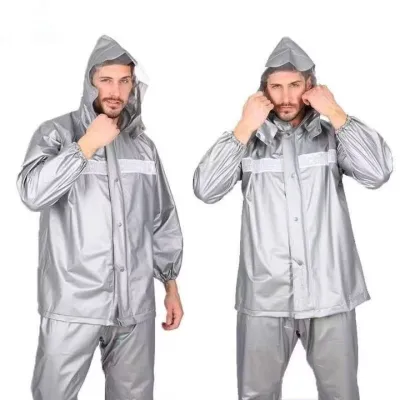
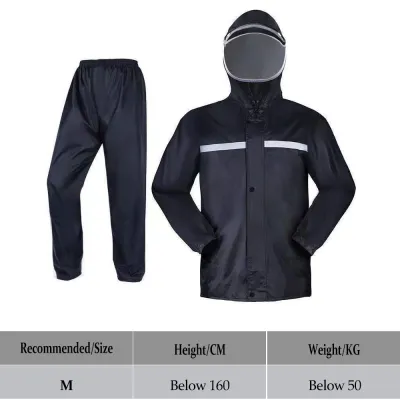
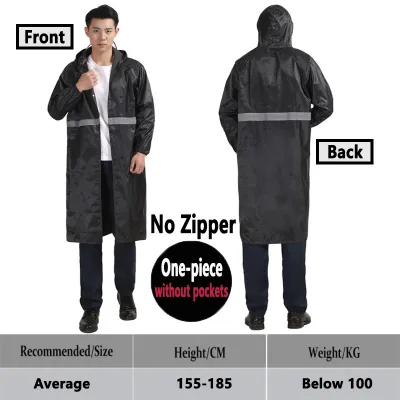
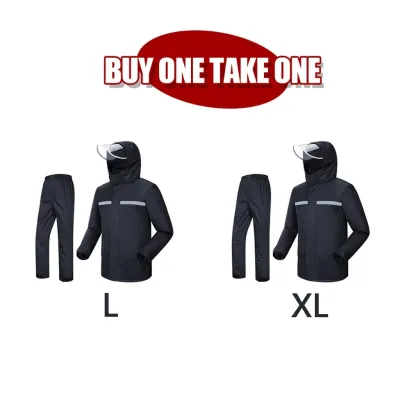
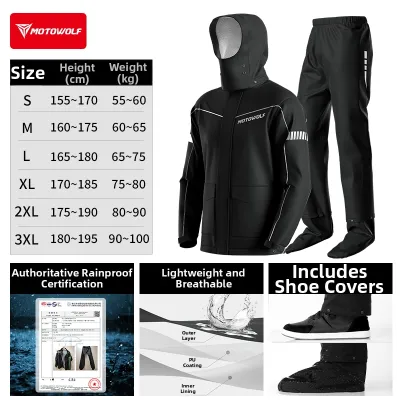
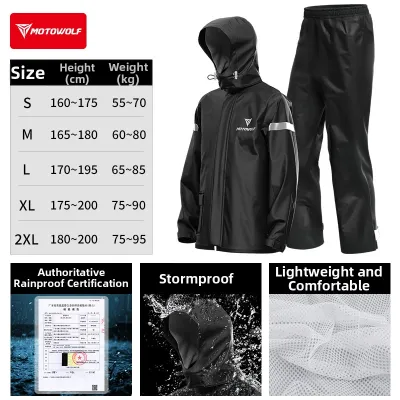
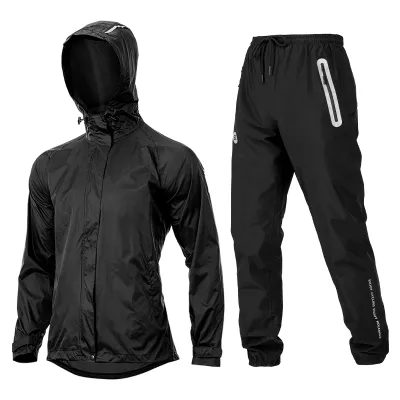
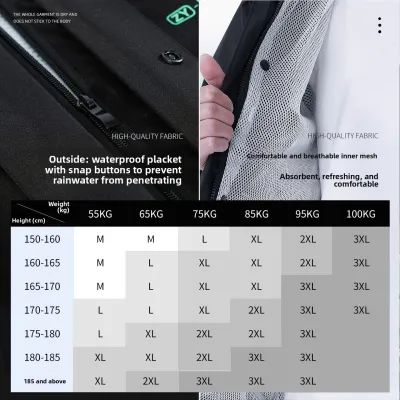
Prices are valid at publication and may change. Please refer to the product page for the latest price.
Visibility drops dramatically during heavy downpours, making road safety a paramount concern. Gray skies, road spray from larger vehicles, and fogged-up helmet visors make it incredibly difficult for car and truck drivers to spot a motorcyclist. Your rain gear must feature high-visibility colors or strategically placed reflective elements to ensure you remain visible from all angles, especially during early morning or late-evening commutes.
Finally, your gear must allow for unhindered physical mobility. Riding a motorcycle requires constant, precise inputs from your hands, arms, and legs. If a rain suit is too tight, stiff, or poorly cut, it can restrict your ability to reach the handlebars, squeeze the brake levers, or shift gears smoothly. The fit must accommodate your regular clothing or protective riding armor underneath without bunching up or pulling at the joints.
How a Terno Jacket and Pants Set Compares to Ponchos
When choosing wet-weather gear, riders often compare a matching terno jacket and pants set to a traditional one-piece poncho. While ponchos are quick to throw on during a sudden shower, they present serious safety hazards and performance limitations when riding a motorcycle. A two-piece suit offers a far more secure and effective seal against the elements.

The primary structural advantage of a terno set is how the jacket and pants overlap. When you sit on a motorcycle, your hips bend, causing standard shirts or single-piece covers to ride up or pool water in the lap area. A dedicated rain jacket that extends well past the waist, combined with high-waisted rain pants, creates an overlapping barrier. This design prevents water from pooling at your crotch or seeping into your waistband, keeping your undergarments completely dry even during extended rides.
Aerodynamics play a massive role in rider stability and safety. Ponchos are loose and catch the wind like a sail, ballooning at speed. This flapping fabric not only creates distracting noise but can also pull on your shoulders, destabilizing your balance in strong crosswinds. In contrast, a terno jacket and pants set fits closer to the body, significantly reducing wind drag and eliminating loose fabric that could catch on your motorcycle’s footpegs, exhaust pipe, or passing vehicles.
The main trade-off of a two-piece rain suit is the time and effort required to put it on. When a sudden downpour begins, pulling over to slip on both pants and a jacket takes longer than draping a poncho over your head. However, the substantial increase in physical protection, wind resistance, and overall riding safety makes the extra minute of preparation well worth the effort for daily commuters.
Essential Features to Check Before You Ride
Before purchasing or riding with a kapote terno, it is crucial to inspect several key features to ensure the gear will perform reliably when the weather turns severe. The first area to examine is the seam construction. Water rarely leaks through the flat panels of a waterproof fabric; instead, it penetrates the needle holes left by sewing machines. Look for suits that feature heat-taped or welded seams on the interior, which seal these tiny holes and prevent water from seeping through under pressure.
Cuff and ankle closures are another vital defense line. If your sleeves or pant legs are loose, wind will force rain up your arms and legs, soaking your inner layers from the extremities inward. High-quality rain suits feature adjustable closures, such as heavy-duty hook-and-loop straps, elastic bands, or snap buttons. These allow you to seal the cuffs tightly over your riding gloves and the pant hems securely around your boots.
Reflective elements must be verified for placement and durability. Look for wide, retroreflective strips across the upper back, chest, and along the sides of the legs. These strips reflect the headlights of surrounding vehicles, making your silhouette recognizable in low-visibility conditions. Ensure these reflective materials are securely bonded to the fabric so they do not crack or peel off after a few uses.
In hot and humid tropical climates, breathability is just as important as waterproofing. A completely sealed plastic suit can trap body heat and sweat, leaving you just as wet on the inside as you would be from the rain. Look for rain suits that feature a breathable inner mesh lining. This lining keeps the waterproof outer shell from sticking to your skin or clothing, allowing air to circulate and reducing the buildup of condensation.
How to Care for Your Rain Suit to Maintain Waterproofing
Proper maintenance is essential to preserve the waterproof integrity and extend the lifespan of your kapote terno. Dirt, road grime, oil, and sweat can gradually degrade the waterproof coatings and fabric fibers over time. When cleaning your rain suit, always refer to the manufacturer’s care label. Avoid using harsh household detergents, bleach, or fabric softeners, as these chemicals can strip away the durable water repellent finish. Instead, hand wash the suit using mild soap or a specialized technical fabric cleaner, gently wiping away dirt with a soft cloth or sponge.
Never place your rain suit in a mechanical washing machine or clothes dryer unless the manufacturer explicitly states it is safe to do so. The spinning action of a washing machine can tear taped seams, while the high heat of a dryer can melt the waterproof membranes or adhesive backings. After washing, hang the jacket and pants on wide, padded hangers to air-dry in a well-ventilated indoor area or a shaded outdoor spot. Keep the gear away from direct sunlight, radiators, or other intense heat sources, as UV rays and high heat accelerate material degradation.
Once the suit is completely dry, store it properly to prevent mold, mildew, and material degradation. Never fold or pack away a damp rain suit into its storage bag, as this creates a breeding ground for bacteria and can cause the waterproof inner lining to stick to itself and peel apart. Store the clean, dry suit in a cool, dark, and dry closet, preferably hanging up rather than tightly compressed, to maintain its shape and protective qualities for seasons to come.
Frequently Asked Questions (FAQ)
Can I wear my regular riding jacket over the rain suit?
Generally, your rain suit should be worn as the outermost layer, over your regular riding jacket and protective gear. Riding jackets, especially those with impact armor and abrasion-resistant fabrics, are designed to protect you from falls but can absorb a significant amount of water if exposed directly to rain. Wearing your kapote terno on the outside keeps your protective jacket dry, prevents it from becoming heavy and waterlogged, and shields you from wind chill. However, always ensure your rain suit is sized large enough to fit comfortably over your armored gear without restricting your movement.
How do I know if the waterproof coating has worn off?
You can identify a worn-out waterproof coating through an effect known as wetting out. When a rain suit is new, water will bead up into droplets and roll off the surface easily. Over time, due to friction, dirt, and washing, this water-repellent barrier wears down. If you notice that water no longer beads but instead soaks into the outer fabric, making the suit feel heavy, cold, and clammy, the coating has degraded. While the inner membrane may still keep water from passing through completely, you can restore the outer water-shedding performance by applying a manufacturer-approved wash-in or spray-on waterproofing treatment.

Community discussion
Share your experience or ask a question. Comments are reviewed before publication.