
To determine if the Scorpion EXO-391 is road-legal in the Philippines, riders must verify the presence of an Import Commodity Clearance (ICC) sticker or a Philippine Standard (PSB) mark on the specific unit they intend to purchase. While the Scorpion EXO-391 is a globally recognized full-face helmet built to meet stringent international safety standards, international certifications alone do not grant automatic road legality under local laws. Philippine traffic enforcers look specifically for the physical, tamper-evident ICC or PSB sticker during roadside checkpoints. Consequently, verifying the certification status of your exact unit before riding is essential to avoid heavy fines and confiscation.
Navigating the tropical climate, sudden downpours, and dense urban traffic of the Philippines requires riding gear that is both physically protective and legally compliant. A helmet is your primary line of defense on the road, making it crucial to understand how local regulations apply to imported models like the Scorpion EXO-391. By learning how to identify genuine compliance marks and verify importer documentation, you can enjoy your rides with complete peace of mind.
Understanding PSB and ICC Requirements for Philippine Riders
In the Philippines, motorcycle helmet usage is strictly regulated under Republic Act No. 10054, also known as the Motorcycle Helmet Act of 2009. This law mandates that all motorcycle riders wear standard protective helmets while operating their vehicles on any road or highway. To enforce this, the government relies on two distinct quality marks: the PSB mark and the ICC sticker. These marks serve as visual proof that a helmet has undergone rigorous quality and safety evaluations before being distributed to consumers.
Products mentioned in this guide
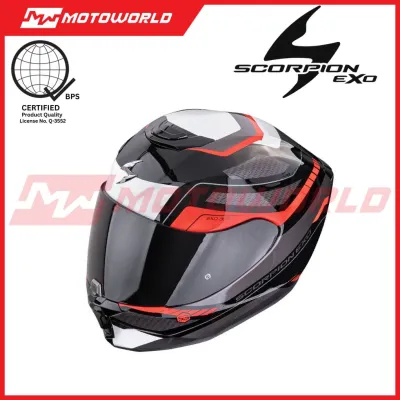
Prices are valid at publication and may change. Please refer to the product page for the latest price.
The PSB mark is typically issued by the Bureau of Philippine Standards (BPS) for locally manufactured products, certifying that the manufacturing process complies with national standards. For imported helmets like the Scorpion EXO-391, the ICC sticker is the relevant certification mark. Because these helmets are manufactured abroad, they must pass through an official import clearance process where representative samples from each batch are tested to ensure they meet local safety requirements.
Riding with a helmet that lacks a valid ICC or PSB sticker carries significant legal consequences. During routine traffic stops or dedicated checkpoints, enforcers from the Land Transportation Office (LTO) or local government units will inspect your headgear for these marks. If your helmet does not display the required sticker, you can face steep fines starting at ₱1,500 for the first offense, escalating up to ₱10,000 for subsequent violations, along with the potential confiscation of your driver’s license.
Beyond avoiding legal penalties, these certification marks represent a baseline of physical protection. The BPS subjects helmets to specific testing parameters tailored to local road conditions, including impact attenuation tests, penetration resistance checks, and retention system strength evaluations. These tests ensure that the helmet’s outer shell and inner protective liner can withstand the forces of a collision, protecting your head from severe trauma.
How to Verify the Scorpion EXO-391 Certification Status
Verifying whether a Scorpion EXO-391 unit is legally compliant requires a hands-on inspection of the physical helmet. Start by examining the rear lower portion of the outer shell, which is the standard location for the official ICC sticker. A genuine ICC sticker is holographic, displaying a unique serial number and security patterns that shift under light. It should be firmly adhered to the shell; any signs of peeling, bubbling, or a printed-on look suggest a counterfeit sticker.

Next, inspect the interior of the helmet for additional manufacturing and compliance labels. Lift the comfort liner to check the EPS (expanded polystyrene) foam and the retention straps. Legitimate imported helmets often feature sewn-in labels on the chin strap indicating compliance with international standards, alongside batch numbers that correspond to the importer’s records. These internal markings should align with the details printed on the external ICC sticker.
To ensure the helmet’s certification is legitimate, you can cross-reference the importer’s details with the official databases maintained by the Department of Trade and Industry (DTI). The BPS regularly updates its registry of certified helmet brands and authorized importers. By checking these public lists, you can confirm whether the specific distributor who brought the Scorpion EXO-391 into the country holds a valid Certificate of Conditional Release or an ICC certificate for that product line.
Before finalizing your purchase, do not hesitate to request valid import documentation or a certificate of conformity directly from the retailer. Authorized motorcycle gear shops in the Philippines keep copies of these clearances to prove the legitimacy of their inventory. If a seller is unable or unwilling to provide proof of official importation and DTI clearance, it is highly advisable to walk away from the transaction and find a compliant dealer.
International Standards vs. Local Road Legality
A common source of confusion for riders is the distinction between global safety standards and local road legality. The Scorpion EXO-391 is engineered to meet ECE 22.06, which is the latest and highly rigorous European safety standard. It may also carry DOT (Department of Transportation) markings for the North American market. These international standards involve advanced testing methodologies, including rotational impact tests and multi-angle penetration checks, making the EXO-391 an exceptionally safe helmet by global measures.
However, holding prestigious international certifications does not automatically make a helmet road-legal in the Philippines. Under local transport laws, international markings serve as supplementary proof of quality but do not replace the legal necessity of local clearance. If a helmet is imported privately or through unauthorized gray-market channels, it will lack the official ICC sticker, making it technically non-compliant during a roadside inspection.
Relying solely on a printed “ECE 22.06” or “DOT” graphic on the back of your helmet during a checkpoint is a significant legal risk. Traffic enforcers are trained to look for the specific, serialized ICC sticker issued by the DTI. Without this sticker, enforcers cannot verify if the helmet entered the country legally or if the specific batch was inspected for quality control, which can result in a citation regardless of the helmet’s actual protective capabilities.
Ultimately, you should view international standards and local certifications as complementary. The ECE 22.06 certification on your Scorpion EXO-391 guarantees that the helmet is built using advanced materials and design principles to protect your brain during an impact. Meanwhile, the physical ICC sticker serves as your legal passport, proving to local authorities that the helmet has been officially cleared for use on Philippine roads.
Safe Purchasing Practices for the Scorpion EXO-391
To ensure you receive a genuine, road-legal Scorpion EXO-391, you must practice safe purchasing habits. Always buy your riding gear from authorized physical dealers or official brand storefronts on major online marketplaces. Authorized distributors work directly with the manufacturer and local regulatory bodies to ensure every helmet sold is fully cleared, certified, and equipped with a genuine ICC sticker.
Be vigilant against common red flags when shopping for helmets online or in physical stores. A price that is significantly lower than the standard retail price of the Scorpion EXO-391 is a major warning sign. Counterfeiters often replicate popular helmet designs using cheap, brittle plastics and low-density foam that offer zero protection in a crash. Other warning signs include missing original packaging, the absence of a branded helmet bag, or a lack of official warranty cards and user manuals.
Take the time to inspect the physical build quality of the helmet before handing over your money. The Scorpion EXO-391 features a distinct Ellip-Tec visor mechanism that should operate smoothly, locking securely into place without any loose play. The interior should feature the high-quality KwikWick C moisture-wicking liner, which feels plush and fits snugly against your face. If the stitching is frayed, the fabric feels rough, or the visor mechanism feels flimsy, the helmet is likely a counterfeit.
Finally, always verify the seller’s return and exchange policies, especially when purchasing through an online marketplace. Legitimate sellers will offer clear return windows and warranties against manufacturing defects. By prioritizing authorized dealers and thoroughly inspecting both the physical helmet and its documentation, you can protect your investment and, more importantly, your life on the road.
Frequently Asked Questions (FAQ)
Can I use a DOT-certified Scorpion EXO-391 if it lacks an ICC sticker?
No, you cannot legally use a DOT-certified Scorpion EXO-391 on public roads in the Philippines if it lacks an official ICC sticker. While the DOT mark indicates that the helmet meets United States safety standards, local transport laws strictly require the physical ICC or PSB sticker issued by the DTI. Riding without this local compliance mark can result in fines and apprehension at traffic checkpoints, regardless of the helmet’s international safety ratings.
How do I report a seller offering Scorpion helmets without proper certification?
If you encounter a retailer or online seller offering Scorpion helmets that lack the required ICC stickers or are suspected of carrying counterfeit marks, you can file a formal complaint with the DTI. Gather evidence such as the store’s name, physical address, screenshots of the online listing, and photos of the non-compliant helmets. You can submit this information directly to the DTI Consumer Protection Group or through their official email and hotlines to help keep uncertified gear off the market.
Does the PSB or ICC certification guarantee the helmet will protect me in a crash?
These certifications indicate that a representative sample from the helmet’s import batch has passed the minimum safety and quality tests required by the Philippine government for local sale. However, no certification can guarantee absolute safety in every crash scenario. To maximize your protection, always ensure your Scorpion EXO-391 fits correctly, is securely buckled before every ride, and has not sustained any prior impacts, while also relying on its robust ECE 22.06 rating for advanced structural safety.

Community discussion
Share your experience or ask a question. Comments are reviewed before publication.