
Riding a motorcycle through busy Philippine streets offers unmatched agility, but modifying your machine comes with strict legal responsibilities. If you have installed or are considering an NLK exhaust, determining its legality under Land Transportation Office (LTO) guidelines is crucial to avoid costly roadside apprehensions. The short answer is that an NLK exhaust is not automatically legal or illegal; its compliance depends entirely on its specific decibel output, the presence of a functional silencer, and whether the physical design meets national standards. Many aftermarket pipes are originally manufactured for closed-course racing and will exceed legal noise limits on public roads unless properly modified with a decibel reducer.
Understanding LTO Exhaust and Noise Regulations
The LTO regulates motorcycle modifications to maintain public safety and reduce noise pollution in residential and commercial areas. Under standard Philippine land transportation guidelines, the maximum allowable noise level for motorcycle exhausts is set at 99 decibels (dB). This measurement is taken during a stationary test where a sound level meter is positioned at a 45-degree angle, exactly 0.5 meters away from the exhaust tailpipe, while the engine is held at a specified rev range.
Beyond sound levels, the physical construction of the exhaust system must comply with safety and environmental standards. A legally compliant exhaust must feature internal baffles or a spark arrestor to prevent hot embers from escaping, which is a critical safety hazard during dry, tropical summers. Open pipes—exhaust systems completely devoid of internal silencing structures—are strictly prohibited on public roads regardless of the brand.
Products mentioned in this guide
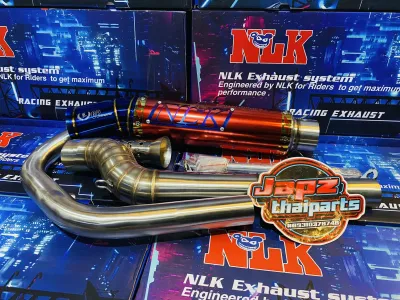
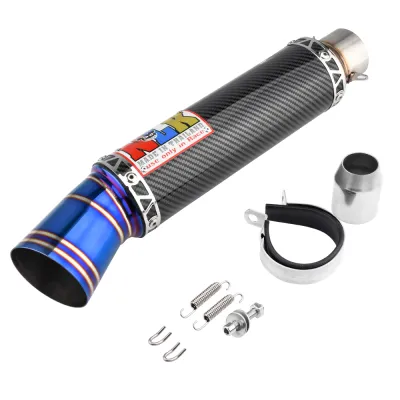
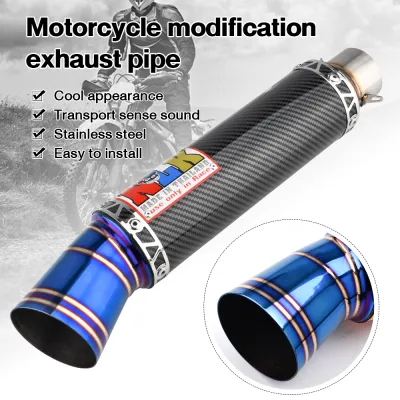
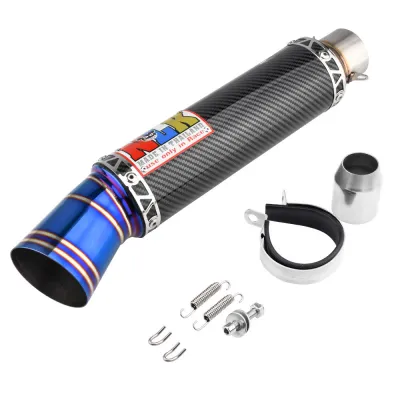
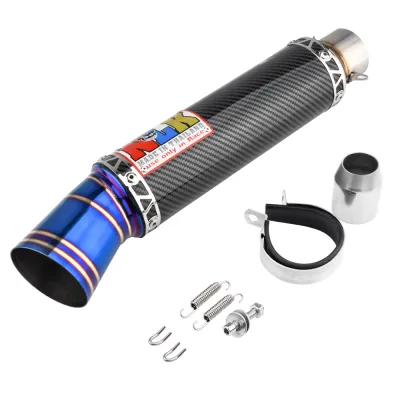
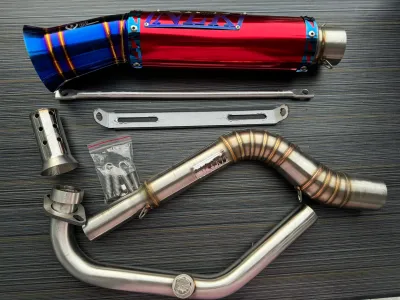
Prices are valid at publication and may change. Please refer to the product page for the latest price.
Riders must distinguish between street-legal components and those labeled for race-only or off-road use. Manufacturers often design high-performance exhausts to maximize exhaust gas flow, which inherently increases sound output. If an aftermarket exhaust is marketed exclusively for track use, riding with it on public highways without a proper silencing insert violates standard registration laws.
How to Check if Your NLK Exhaust Meets the Standards
Evaluating your NLK exhaust requires a physical inspection and an understanding of how your motorcycle’s engine displacement interacts with local regulations. Start by examining the exhaust canister and header pipes for any manufacturer markings, compliance plates, or embossed serial numbers. While some premium aftermarket brands include certification badges, many performance pipes do not carry explicit LTO approval stamps, meaning the burden of proof falls on physical testing.

Next, inspect the exit tip of the muffler to verify the presence of a physical baffle or dB killer. A compliant NLK setup typically requires a securely bolted or welded silencer insert that restricts the exhaust path and dampens the sound waves. If you can look straight through the muffler canister and see no internal obstruction or packing material, the exhaust is operating as an open pipe and will almost certainly fail a roadside inspection.
It is also important to note that while the national LTO standard is 99 dB, various local government units (LGUs) across the Philippines enforce their own localized ordinances. Some cities implement stricter “silent town” initiatives that lower the acceptable limit to 80 or 85 dB in residential zones. Consequently, an exhaust that barely passes a national highway check might still trigger an apprehension when passing through strict municipal checkpoints.
What Happens During an LTO Apprehension for Illegal Exhausts
When traffic enforcers or LTO deputized agents conduct roadside operations, they target motorcycles with visibly modified or exceptionally loud exhaust systems. During a typical apprehension, enforcers will direct you to a designated testing area to conduct a decibel test using a calibrated sound level meter. If the device registers a reading above the legal limit under the standardized testing distance and engine speed, your vehicle will be cited for operating with a noisy or modified exhaust system.
The consequences of a violation are financially and logistically demanding. Under Joint Administrative Order (JAO) No. 2014-01, operating a vehicle with unauthorized modifications or defective accessories carries a standard fine starting at ₱5,000. In addition to the monetary penalty, enforcers may confiscate your driver’s license or impound the motorcycle if the exhaust is deemed an immediate safety hazard or if you cannot resolve the issue on-site.
Reclaiming an impounded motorcycle or clearing the violation from your LTO record requires navigating an administrative process. You must settle the outstanding fines at an authorized LTO office and, in many jurisdictions, present the motorcycle with its original stock exhaust or a fully compliant, quiet aftermarket system reinstalled. The LTO will inspect the vehicle once more to verify compliance before releasing your registration documents or license.
Steps to Take if Your NLK Exhaust is Not Compliant
If you discover that your NLK exhaust exceeds the legal decibel limit, you must take immediate corrective action to ensure road legality. The most common solution is purchasing and installing a compatible, high-quality dB killer or silencer insert designed specifically for your NLK model. Ensure the insert is tightly secured with heat-resistant fasteners to prevent it from rattling loose or blowing out under high exhaust pressure during long rides in hot weather.
If a silencer insert does not lower the noise level sufficiently, you should revert to your motorcycle’s original equipment manufacturer (OEM) stock exhaust system. Before reinstalling the stock pipe, inspect the exhaust port, mounting brackets, and gaskets for signs of wear, rust, or carbon buildup. Always refer to your motorcycle’s original service manual for the correct torque specifications and bolt patterns to ensure a proper seal.
Modifying or replacing an exhaust system directly impacts engine backpressure, fuel-to-air ratios, and overall operating temperatures. To prevent exhaust leaks, loss of engine power, or potential valve damage, have all installation work performed by a qualified motorcycle mechanic. A professional technician can verify that the exhaust is mounted securely, check for leaks using specialized tools, and ensure your engine runs safely with the modified setup.
Frequently Asked Questions (FAQ)
Can I use a dB killer to make my NLK exhaust LTO legal?
Yes, installing a compatible dB killer can reduce the sound output of your NLK exhaust to help it fall below the 99 dB limit. However, simply inserting a silencer does not guarantee automatic compliance. You must verify the actual sound output using a decibel meter, as some high-flow exhausts may still exceed the legal threshold even with a basic baffle installed. Additionally, ensure the silencer does not excessively restrict exhaust flow, which can cause engine overheating during long commutes in heavy traffic.
Does the LTO require a specific certificate for aftermarket exhausts?
The LTO does not currently issue or require a specific individual certificate for aftermarket exhausts on private motorcycles. Instead, compliance is determined through physical roadside inspections, decibel testing, and visual checks for proper baffling. While carrying a manufacturer’s certificate of conformity or proof of purchase can help demonstrate that the exhaust is not a homemade or open pipe, it will not exempt you from a roadside decibel test if an enforcer suspects your motorcycle exceeds the legal noise limit.

Community discussion
Share your experience or ask a question. Comments are reviewed before publication.