
Maintaining the cooling system of your Isuzu vehicle is one of the most critical steps in ensuring long-term engine reliability, especially when navigating the demanding driving conditions of the Philippines. High ambient temperatures, dense urban traffic, and intense humidity place immense stress on your engine’s cooling components. To protect your engine from overheating and premature wear, you must use the correct coolant formulation. Using the wrong fluid can lead to chemical corrosion, clogged passages, and expensive mechanical failures.
Quick Answer: Where to Find Your Exact Coolant Specification
To find the exact coolant specification for your Isuzu vehicle, your primary and non-negotiable source of truth is the owner’s manual or the specification label located under the hood, often near the radiator or coolant reservoir tank. Selecting a coolant based solely on color or general brand reputation can lead to severe engine damage. You must cross-reference your specific Isuzu model year and engine code before purchasing any fluid.
Decoding Coolant Types: What the Labels Actually Mean
Coolant formulations have evolved significantly over the years to match the materials used in modern engines. Understanding these technologies is essential for choosing the right product.
Products mentioned in this guide
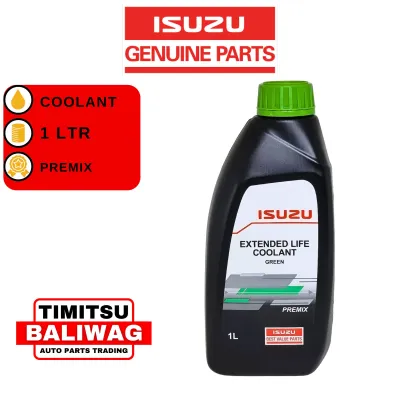
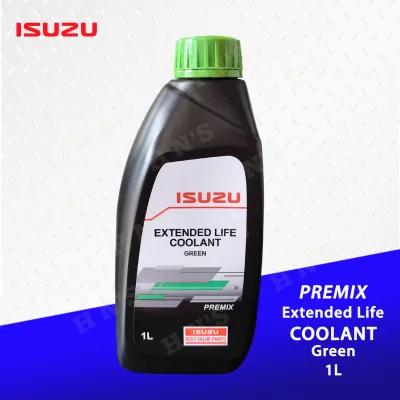
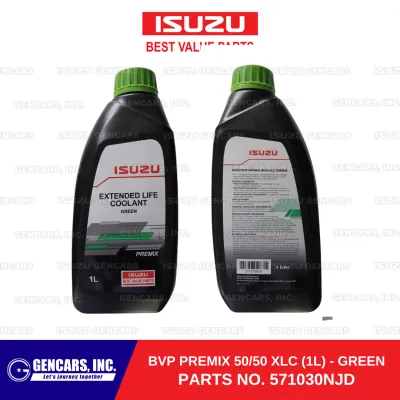
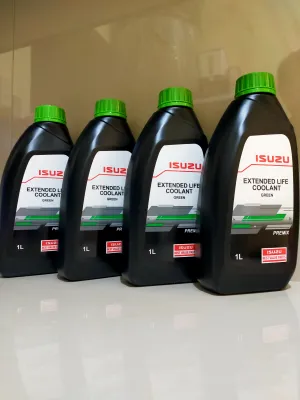
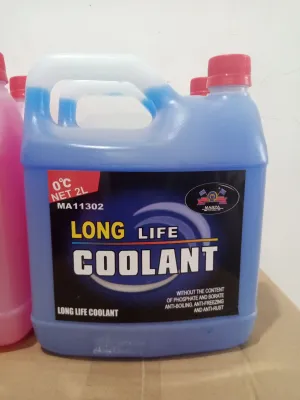
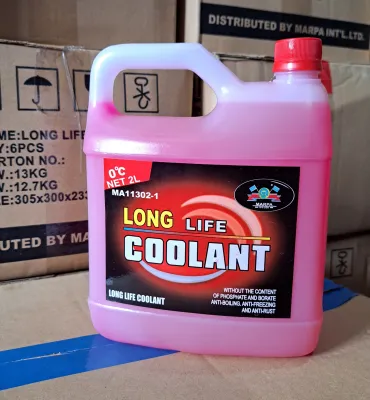
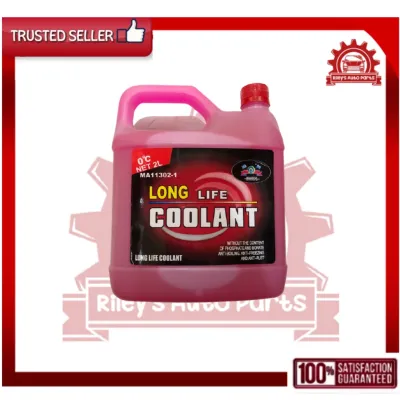
Prices are valid at publication and may change. Please refer to the product page for the latest price.

- Inorganic Additive Technology (IAT): Typically found in older vehicles, this formulation uses fast-acting inorganic inhibitors like silicates and phosphates to protect iron and steel components. However, these inhibitors deplete quickly, requiring more frequent replacement.
- Organic Acid Technology (OAT): Common in modern vehicles, OAT coolants rely on organic acids to provide long-lasting corrosion protection, particularly for aluminum components. They have a much longer service life but do not offer the immediate surface protection of older formulations.
- Hybrid Organic Acid Technology (HOAT): This formulation combines organic acids with a small amount of inorganic inhibitors to offer the benefits of both rapid protection and extended service life.
A common and dangerous misconception is that coolant color indicates its chemical formulation. Manufacturers add dyes—such as green, pink, blue, or orange—purely for visibility and brand identification. There is no universal industry standard linking color to chemical type. Mixing incompatible coolant types, such as adding an OAT coolant to an older system filled with IAT coolant, can cause a chemical reaction that forms a thick, gelatinous sludge. This sludge blocks the narrow passages of your radiator and heater core, leading to rapid engine overheating and compromised corrosion protection.
Mixing Ratios and Dilution Rules for Tropical Driving
When purchasing Isuzu coolant, you will generally find two formats: pre-mixed (ready-to-use) and concentrated. Pre-mixed coolant is already diluted with distilled water, typically at a 50/50 ratio, and can be poured directly into the reservoir. Concentrated coolant must be manually mixed with water before installation.
In the tropical climate of the Philippines, where engines must constantly reject high levels of ambient heat, maintaining the correct dilution ratio is vital. While a 50/50 ratio of coolant to water is the standard recommendation for most driving conditions, you must always consult your product label or vehicle manual for the exact requirements.
If you are diluting concentrated coolant, you must use only distilled or deionized water. Never use tap water, well water, or bottled mineral water. Tap water contains minerals like calcium and magnesium that precipitate under high engine temperatures, forming scale deposits inside the radiator tubes and water jackets. These deposits act as insulators, reducing heat transfer efficiency and potentially damaging sensitive temperature sensors and the water pump seal.
Checking Your Coolant: Visual Inspections and When to Stop
Regularly inspecting your coolant level and condition can help you catch cooling system issues before they escalate into major engine damage, potentially saving you thousands of ₱ in unexpected repair costs. However, safety must be your top priority during any inspection.
Safety Warning: Never attempt to open the radiator cap or the coolant reservoir cap while the engine is hot or running. The cooling system operates under high pressure, and opening it can cause boiling liquid and steam to spray out, resulting in severe burns. Always allow the engine to cool completely—typically for at least two to three hours—before performing any checks.
Once the engine is cold, locate the translucent coolant reservoir tank. The fluid level should rest between the “Full” (or “Max”) and “Low” (or “Min”) markings on the side of the tank. Next, inspect the physical condition of the fluid. Healthy coolant should be clear and vibrant in its original dyed color. If the fluid appears milky or cloudy, it may indicate engine oil contamination, which is a common symptom of a blown head gasket. If you observe suspended rust particles, dark sediment, or a gritty texture, the corrosion inhibitors have depleted, and the system requires a professional flush rather than a simple top-up.
If your owner’s manual is missing, the under-hood labels are unreadable, or you cannot verify the exact type of coolant currently in your system, do not guess. Mixing unknown fluids can ruin your engine. Stop the process immediately and consult a qualified mechanic or an authorized Isuzu service center to identify the correct specification and perform a safe service.
Frequently Asked Questions (FAQ)
Can I mix different coolant brands if they meet the same specification?
Yes, you can mix different brands of coolant, but only if they meet the exact same chemical specification and formulation required by your vehicle. The brand name on the bottle is less important than the technical standard listed on the label. However, if you are unsure of the exact specification of the fluid currently in your cooling system, avoid mixing any products. In such cases, a complete system drain and refill is the safest course of action to prevent chemical incompatibility.
How often should I replace the coolant in my Isuzu?
The replacement interval for your Isuzu coolant depends heavily on the specific coolant technology used (such as Long Life Coolant or Super Long Life Coolant) and your driving conditions. You should always refer to the maintenance schedule in your owner’s manual. Keep in mind that driving in severe conditions—such as heavy stop-and-go traffic in hot urban areas, towing heavy loads, or operating in highly humid environments—often requires more frequent coolant changes to maintain optimal engine protection.

Community discussion
Share your experience or ask a question. Comments are reviewed before publication.