
Protecting your motorcycle from heavy monsoon downpours and intense tropical UV rays requires more than a basic plastic tarp. In a climate characterized by extreme heat and sudden torrential rain, a high-quality motorcycle cover serves as the primary shield for your bike’s paint, electronics, and metal components. A reliable cover must combine specific waterproof materials, UV-resistant treatments, and secure fit designs to prevent rust, paint fading, and interior moisture buildup. Selecting the right cover involves understanding how tropical weather interacts with different fabrics and structural designs.
Understanding the Tropical Climate Challenge
The tropical climate in the Philippines presents a unique set of challenges for outdoor motorcycle storage. Throughout the year, vehicles are subjected to intense, direct sunlight that can quickly degrade unprotected surfaces. This constant ultraviolet (UV) exposure breaks down the chemical bonds in paint, plastics, and rubber, leading to premature fading, cracking, and brittleness. A cover that lacks proper UV protection will suffer the same fate, rapidly becoming brittle and tearing under the sun’s rays.
In addition to solar damage, the monsoon season brings prolonged periods of heavy rain and high humidity. When rainwater saturates a low-quality cover, moisture seeps through the fabric and pools on the motorcycle’s hot engine and metal parts. This constant exposure to moisture, combined with high ambient temperatures, accelerates the oxidation process, leading to rapid rust formation on chains, exhaust pipes, and frame joints.
Products mentioned in this guide
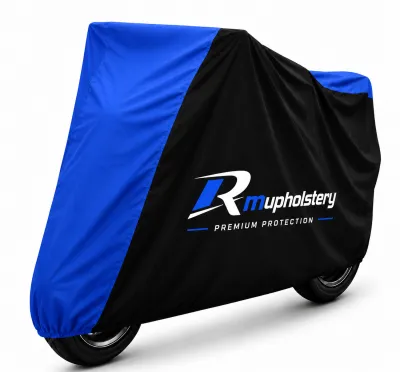
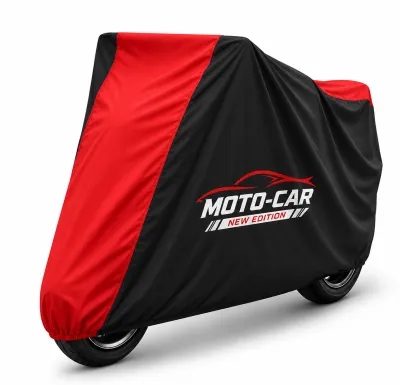
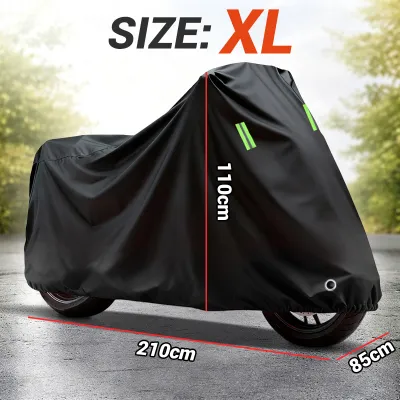
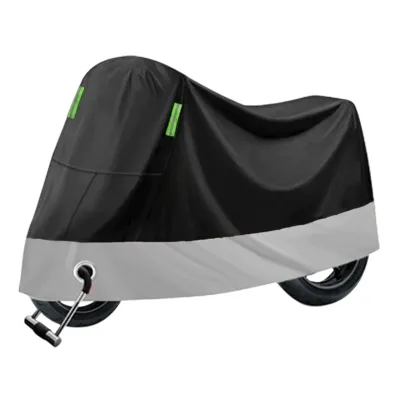
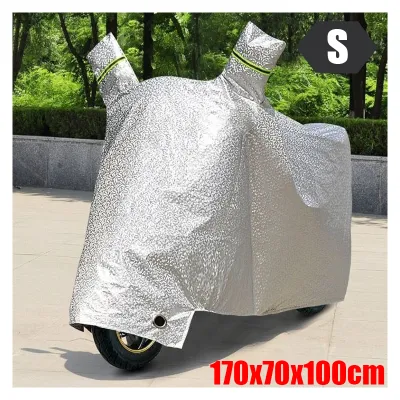
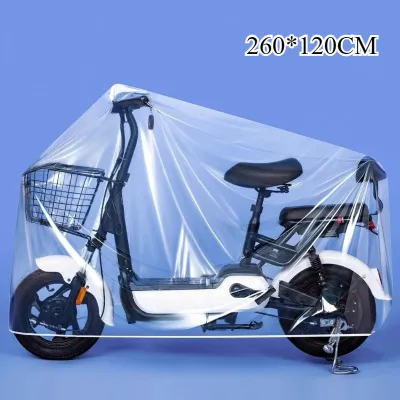
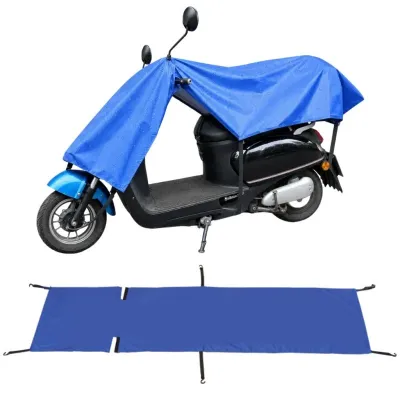
Prices are valid at publication and may change. Please refer to the product page for the latest price.
Furthermore, covering a wet or warm motorcycle can trap humid air underneath the fabric, creating a greenhouse effect. Without adequate ventilation, this trapped condensation settles into electrical connectors, instrument clusters, and switchgear, potentially causing electrical shorts and corrosion. To combat these environmental hazards, a motorcycle cover must be engineered to handle both external water pressure and internal moisture evaporation.
Essential Material Features for Weather Protection
The foundation of any protective cover is its material composition. When shopping for motorcycle covers, look for high-density synthetic fabrics such as polyester or heavy-duty Oxford cloth. Oxford cloth is particularly well-suited for tropical conditions due to its high tensile strength and resistance to tearing. Manufacturers often measure fabric density in denier (D); a rating of 300D or 600D indicates a thick, durable weave that can withstand harsh weather without wearing thin.

To ensure complete water resistance, the fabric must feature a specialized waterproof coating on its inner surface. Polyurethane (PU) and polyvinyl chloride (PVC) are the most common coatings used to repel water. While PVC offers excellent water resistance, it can be stiff and heavy. PU coatings are generally preferred because they remain flexible in both hot and cool temperatures, allowing the cover to drape smoothly over the bike without cracking. Check product specifications for a hydrostatic head rating, which measures the fabric’s ability to resist water pressure.
UV resistance is another critical material requirement. Look for covers treated with UV-reflective coatings or silver-polyurethane linings. These treatments reflect solar radiation away from the motorcycle, keeping the temperature underneath the cover significantly cooler. This temperature reduction is vital for protecting sensitive electronic displays, rubber hoses, and vinyl seats from heat-induced degradation.
While the outer layer must be tough and weather-resistant, the inner lining should be gentle on your motorcycle’s finish. A soft inner lining made of brushed cotton, fleece, or non-abrasive microfiber is essential. As wind moves the cover against the bike, a rough fabric can act like fine sandpaper, leaving micro-scratches on the clear coat, fairings, and windshield. A soft lining cushions these movements, preserving the paint’s glossy finish.
Finally, consider the trade-offs between lightweight and heavy-duty materials based on your daily routine. Lightweight covers, often made of thin polyester, are highly portable and easy to pack into a backpack or under-seat compartment, making them ideal for daily commuters parking at work. However, for long-term outdoor parking at home, a heavier, multi-layer cover offers superior durability and better protection against falling debris, heavy winds, and prolonged sun exposure.
Critical Design and Fit Elements
A motorcycle cover’s effectiveness relies heavily on its structural design and how well it fits your vehicle. During tropical storms and typhoons, strong winds can easily catch a loose cover, turning it into a sail that can tip the motorcycle over or blow the cover away entirely. To prevent this, look for covers equipped with heavy-duty elastic hems at both the front and rear. These elasticized edges hug the tires, keeping the cover snug against the lower profile of the bike.
In addition to elastic hems, adjustable windproof straps are essential for securing the cover. These straps typically run underneath the motorcycle’s belly pan, fastening with durable plastic buckles. By tightening these straps, you create a secure anchor that prevents the wind from lifting the cover from underneath. Some premium covers also feature mid-body drawstrings to customize the fit around the engine bay.
To address the issue of trapped moisture, built-in ventilation is a non-negotiable feature. Look for covers designed with covered air vents or mesh panels, usually positioned near the handlebars or upper fairings. These vents allow hot air and rising moisture to escape, promoting air circulation while preventing rain from entering. This continuous airflow is crucial for drying any condensation that forms overnight or after a sudden temperature drop.
Safety and visibility are also key design considerations, especially if you park your motorcycle on a narrow street, in a shared driveway, or near a roadway. Reflective strips, piping, or logos sewn into the front, sides, and rear of the cover significantly improve visibility in low-light conditions. This simple feature alerts passing motorists and pedestrians to the presence of your parked vehicle, reducing the risk of accidental collisions at night.
Lastly, look for specialized fit elements that accommodate the unique shape of your motorcycle. Dedicated mirror pockets reduce fabric tension around the handlebars and prevent wind flapping. If you secure your bike with a physical lock, choose a cover with reinforced lock grommets near the front wheel. These metal or fabric-reinforced holes allow you to pass a chain lock or U-lock through both the wheel and the cover, securing your motorcycle while keeping the cover locked in place.
How to Verify Quality Before Buying
With numerous options available on ecommerce platforms and in local accessory shops, verifying quality before making a purchase is essential. Start by closely inspecting the seam construction. Standard stitching leaves tiny needle holes that allow water to seep through during heavy rain. High-quality covers feature double-stitched seams reinforced with heat-sealed waterproof tape on the inside. This tape covers the stitching lines, creating an impenetrable barrier against water intrusion.
Sizing accuracy is another critical factor. Never rely solely on generic size labels like “Medium” or “Large,” as sizing standards vary widely between manufacturers. Instead, measure your motorcycle’s length, width, and height, and cross-reference these measurements with the manufacturer’s detailed size chart. If you have installed aftermarket accessories such as a top box, side panniers, crash guards, or a tall touring windshield, you must factor these dimensions into your choice. You will often need to select a size larger than standard to accommodate these additions.
When evaluating your options within your ₱ budget, consider the long-term value rather than just the upfront cost. A very cheap, generic cover may seem attractive, but it often lacks UV stabilizers and proper waterproofing, requiring replacement within a few months. Investing in a mid-range or premium cover with verifiable material specifications and a manufacturer’s warranty often proves more cost-effective over time, as it will withstand several seasons of harsh weather.
Be alert to common red flags when browsing products. Avoid covers with vague material descriptions, such as simply listing “waterproof fabric” without specifying the material type, denier rating, or coating. The absence of clear care instructions, windproof straps, or reinforced lock holes is often a sign of a low-quality product that may not survive a single monsoon season.
Maintenance and Care in Humid Conditions
To maximize the lifespan of your motorcycle cover in a humid, tropical environment, regular maintenance is required. Over time, the cover will accumulate road dust, bird droppings, tree sap, and industrial fallout. If left uncleaned, these organic and chemical contaminants can slowly degrade the waterproof coatings and weaken the fabric fibers. Periodically shake off loose debris and use a soft brush or damp cloth to wipe down the exterior surface.
When a deeper clean is necessary, hand washing is the safest method. Fill a large tub with lukewarm water and a small amount of mild, pH-neutral soap or specialized outdoor gear cleaner. Avoid using harsh household detergents, bleach, or fabric softeners, as these chemicals can strip away the UV-resistant treatments and damage the polyurethane waterproof backing. Gently scrub the fabric, rinse thoroughly with clean water to remove all soap residue, and never place the cover in a washing machine or mechanical dryer, which can tear the seams and delaminate the coatings.
The most critical step in maintaining your cover is ensuring it is completely dry before storage. Never fold or pack away a damp cover, as the trapped moisture in a warm, humid climate will rapidly lead to the growth of mold, mildew, and foul odors. Hang the cover in a shaded, well-ventilated outdoor area until both the inner lining and outer shell are completely dry.
When the cover is not in use, store it properly to protect it from environmental damage and pests. Avoid leaving it crumpled on a dusty garage floor or exposed to direct sunlight when off the bike. Fold the dry cover neatly and place it inside a dedicated storage bag. Keep the storage bag in a cool, dry indoor location away from sharp objects, rodents, and chemical spills to ensure it remains ready for the next storm.
Frequently Asked Questions (FAQ)
Can I use a regular indoor motorcycle cover outside?
No, indoor motorcycle covers are not designed to withstand outdoor elements. Indoor covers are typically made of lightweight, breathable fabrics like soft cotton or thin polyester, which lack waterproof coatings and UV-resistant treatments. If used outdoors, rainwater will quickly saturate the fabric, trapping moisture directly against your motorcycle’s metal surfaces and accelerating rust. Additionally, the intense tropical sun will rapidly degrade the untreated fibers, causing the cover to fade, become brittle, and tear within a matter of weeks.
How often should I replace my motorcycle cover in a tropical climate?
The lifespan of a motorcycle cover in a tropical climate depends on material quality and sun exposure, but you should generally perform regular visual and tactile checks to determine when it needs replacement. Inspect the inner lining for signs of peeling, cracking, or flaking of the waterproof polyurethane coating. Touch the outer fabric to check if it feels brittle or thin, and look for significant color fading, which indicates severe UV degradation. If water no longer beads on the surface during rain, or if you notice structural tears along the seams, the cover has lost its protective capabilities and should be replaced.
Will a dark-colored cover absorb too much heat in the sun?
While dark colors naturally absorb more solar heat than light colors, high-quality motorcycle covers mitigate this issue through specialized material engineering. Many dark-colored covers feature a silver-polyurethane inner lining or a reflective outer treatment designed to deflect UV rays and heat away from the bike. Additionally, when a cover is equipped with proper ventilation vents, the rising heat is allowed to escape, preventing a greenhouse effect. To minimize heat transfer, ensure your cover has functional air vents and a soft inner lining that creates a small air gap between the outer fabric and your motorcycle’s surfaces.

Community discussion
Share your experience or ask a question. Comments are reviewed before publication.