
To shield a motorcycle from the intense tropical climate of the Philippines, a high-quality motor coat cover must feature a combination of high-denier polyester or Oxford cloth, robust ultraviolet (UV) inhibitors, a waterproof polyurethane (PU) or polyvinyl chloride (PVC) inner coating, and integrated ventilation panels. These material properties work together to shield sensitive components from intense solar radiation and torrential monsoon rains. Selecting a cover with these specific characteristics ensures that your vehicle remains dry, cool, and protected against premature wear.
Understanding the Tropical Climate Challenge for Motorcycles
Leaving a motorcycle exposed to the elements in a tropical environment accelerates wear on both cosmetic and mechanical parts. The combination of extreme heat, high humidity, and sudden, heavy downpours creates a highly corrosive environment. Over time, unprotected exposure leads to faded paint, brittle plastics, and cracked leather or vinyl seats that compromise riding comfort and resale value.
Moisture from frequent rains can seep into electrical connections, leading to short circuits or corrosion on exposed metal surfaces. The exhaust system, frame joints, and brake discs are particularly vulnerable to rust when left wet for extended periods. A properly specified motor coat cover acts as a physical shield, intercepting rain and solar radiation before they can damage these critical components.
Products mentioned in this guide
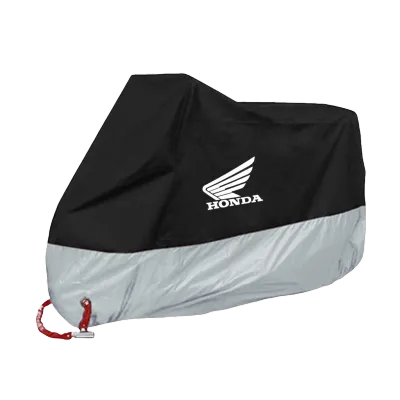
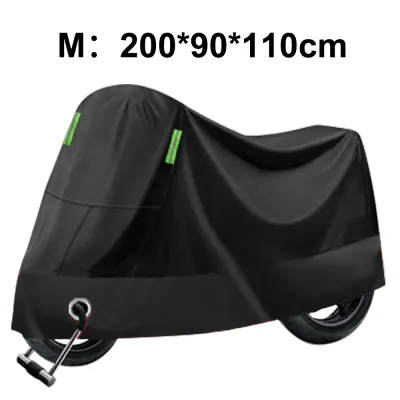
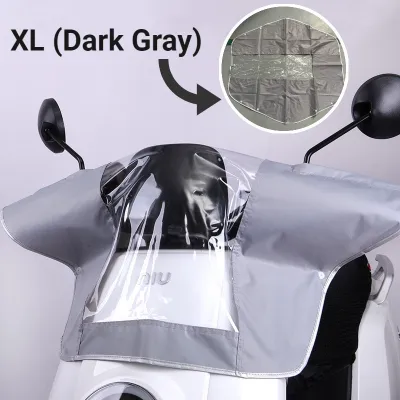
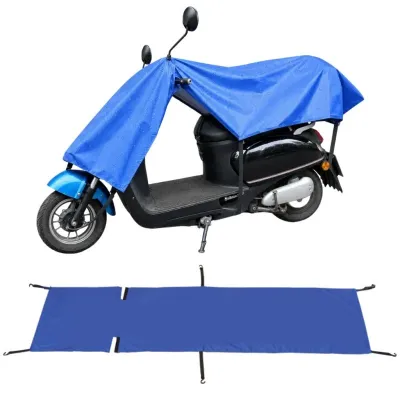
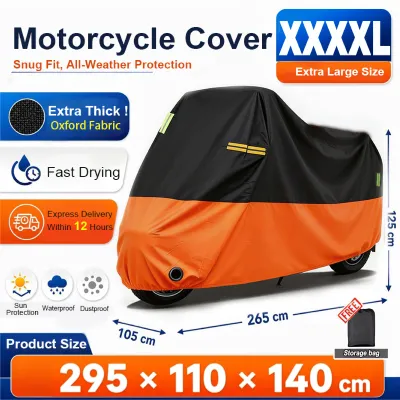
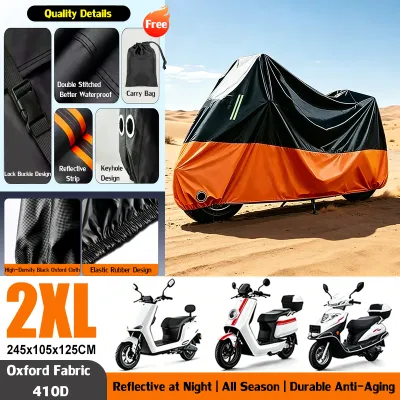
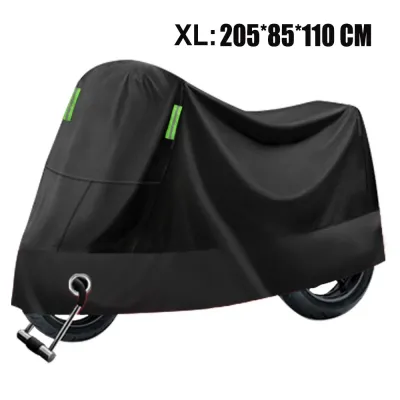
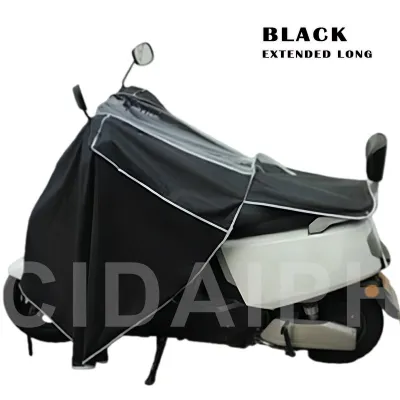
Prices are valid at publication and may change. Please refer to the product page for the latest price.
It is important to distinguish between standard indoor dust covers and heavy-duty outdoor covers designed for tropical weather. Indoor covers are typically made of lightweight, breathable fabrics intended solely to keep dust off the paint in a garage. They lack the water-blocking coatings and UV-resistant treatments necessary to survive outdoor exposure, meaning they will quickly saturate with water and degrade under direct sunlight.
Core Material Properties for Sun and Rain Protection
Evaluating outdoor protection requires looking closely at the fabric technology and construction specifications of the cover. A reliable outdoor cover relies on three primary material pillars: UV degradation resistance, water penetration prevention, and thermal management. Understanding these properties helps you select a cover that can withstand the climate without deteriorating within a few months.

When reading product specifications, pay close attention to the base fabric composition. High-denier polyester and heavy-duty Oxford cloth are the standard choices for durable outdoor covers. The denier rating, often denoted by a number followed by a “D” (such as 150D, 300D, or 600D), indicates the thickness and density of the individual threads, with higher numbers offering greater tear resistance and durability.
UV Resistance and Fabric Longevity
Equatorial sunlight contains intense ultraviolet radiation that breaks down the chemical bonds in untreated synthetic fabrics. Without proper UV inhibitors, a standard cover will quickly become brittle, fade in color, and tear easily under light tension. High-quality covers feature built-in UV-resistant treatments or specialized outer coatings that reflect or absorb these damaging rays.
When evaluating options, look for manufacturer specifications that explicitly state the level of UV protection or detail the application of UV-resistant coatings. Some covers utilize silver or aluminum-coated outer layers that actively bounce sunlight away from the fabric, keeping the material cool and extending its operational lifespan.
Avoiding thin, untreated materials is crucial for long-term outdoor storage. Cheap, single-layer plastic or basic nylon covers without UV protection often degrade within a single season of exposure to direct sunlight. Investing in a cover with verified UV-resistant properties prevents the need for frequent replacements and ensures consistent protection for your motorcycle’s paint and plastics.
Waterproofing and Seam Construction
True waterproofing requires a barrier that prevents water molecules from passing through the fabric weave, even during heavy monsoon downpours. This is typically achieved by applying an inner coating of polyurethane (PU) or polyvinyl chloride (PVC) to the base polyester or Oxford cloth. The quality and thickness of this coating determine how much water pressure the fabric can withstand before leaking.
However, the fabric itself is only part of the waterproofing equation; the seams where the fabric panels meet are the most common failure points. Water easily penetrates standard stitched seams under the pressure of heavy rain. To prevent this, look for covers featuring double-stitched seams that are reinforced with waterproof tape or heat-sealed on the inside to block water entry.
When comparing products, check for hydrostatic head ratings, which measure the water pressure a fabric can resist before leaking, or look for explicit waterproof certifications on product tags. A rating of 1000mm to 2000mm is generally sufficient for moderate rain, while higher ratings provide better protection during prolonged tropical storms and typhoons.
Heat Reflection and Breathability
While blocking external water is essential, trapping internal moisture can be equally damaging to a motorcycle. When a hot motorcycle is covered, or when the sun heats a damp cover, water vapor rises from the ground and the bike itself. If this moisture cannot escape, it creates a humid greenhouse effect underneath the cover, accelerating rust on metal parts and promoting mold growth on seats and grips.
To combat this, effective covers utilize reflective outer layers, such as silver or aluminum coatings, to deflect solar radiation and keep the temperature underneath the cover lower. This heat reflection reduces the temperature differential that causes condensation to form on the metal surfaces of the motorcycle.
Additionally, the cover must feature integrated ventilation panels or breathable fabric zones, usually located near the top or sides. These vents are designed with protective flaps that allow warm air and moisture vapor to escape while preventing rain from entering. Avoid using completely non-breathable plastic tarps, as they lack these ventilation features and will inevitably trap moisture against your bike.
Structural and Fit Features That Enhance Material Performance
Even the most advanced materials cannot protect a motorcycle if the cover does not stay securely in place during strong winds and storms. A proper fit is essential to prevent the wind from catching the cover and turning it into a sail, which can tip the motorcycle over or tear the fabric. Look for covers equipped with strong elastic hems at the front and rear, along with adjustable under-body straps and buckle systems that secure the cover firmly beneath the frame.
The interior surface of the cover also plays a critical role in protecting your motorcycle’s finish. While the outer layer must be tough and weather-resistant, the inner lining should be soft to prevent micro-scratches on the paint, fairings, and windshield. Some high-quality covers feature a soft cotton or fleece inner lining, particularly in areas that come into contact with sensitive painted surfaces or plastic windscreens.
Additional design features can significantly improve the usability and safety of a motor coat cover. Built-in mirror pockets help the cover conform to the shape of the bike, reducing loose fabric that can catch the wind. Reflective safety strips on the exterior improve nighttime visibility, preventing accidental collisions if the motorcycle is parked near a driveway or public road. Finally, ensure the cover’s dimensions match your specific vehicle model and year, taking into account any aftermarket accessories like top boxes, side panniers, or tall windshields that alter the bike’s profile.
Verifying Material Claims and Avoiding Low-Quality Covers
Navigating the market for a motor coat cover requires a critical eye, as many manufacturers use vague marketing terms to describe their products. Terms like “weatherproof,” “water-resistant,” and “all-weather” are often used interchangeably without any standardized testing or material specifications to back them up. To avoid purchasing an inadequate cover, look for concrete technical details rather than generic marketing claims.
Always cross-reference product descriptions with physical tags or detailed specification sheets to verify the exact material composition and denier count. A reputable manufacturer will clearly state whether the cover is made of 150D, 300D, or 600D polyester, and will specify the type of waterproof coating applied. If a product listing lacks these details and only uses generic buzzwords, it is highly likely to be a low-quality cover that will not survive tropical weather.
Reviewing the manufacturer’s warranty conditions can also provide valuable insight into the quality of the cover. Check if the warranty explicitly covers common tropical issues such as UV degradation, fabric tearing, or water leakage under normal usage conditions. A manufacturer that stands behind their product will often offer a clear warranty period, whereas low-quality alternatives typically offer no coverage for environmental wear and tear.
Maintaining Your Motor Coat Cover in a Tropical Environment
Proper maintenance is essential to preserve the protective qualities of your motor coat cover and extend its lifespan in high-humidity conditions. Dirt, dust, and environmental pollutants can accumulate on the surface of the cover, slowly degrading the waterproof coatings and UV inhibitors. Regularly cleaning the cover according to the manufacturer’s care instructions will help maintain its performance.
When cleaning the cover, avoid using harsh household detergents, bleach, or abrasive scrubbers, as these chemicals can strip away the waterproof PU or PVC coatings and damage the UV-resistant treatments. Instead, use a mild soap or a specialized fabric cleaner, along with a soft brush or sponge and lukewarm water. Gently rinse the cover thoroughly to remove all soap residue, which can also attract dirt if left on the fabric.
After cleaning, or after a heavy rainstorm, it is critical to allow the cover to air-dry completely before folding and storing it. Folding a damp cover traps moisture within the fabric layers, creating an ideal breeding ground for mold, mildew, and unpleasant odors. Hang the cover in a shaded, well-ventilated area until it is entirely dry to the touch on both the inside and outside.
When the cover is not in use, store it in a dry, shaded area away from direct sunlight and extreme heat. Many covers come with a dedicated storage bag, which helps protect the fabric from dust and physical damage while stored. Avoid leaving the folded cover on hot concrete or near heat sources, as this can cause the synthetic materials or waterproof coatings to degrade or stick together.
Frequently Asked Questions (FAQ)
Can I put a cover on a motorcycle with a hot exhaust?
No, you should never place a standard synthetic motor coat cover directly onto a motorcycle with a hot exhaust pipe or engine. Standard polyester, nylon, and PVC materials have relatively low melting points and can easily melt onto the hot metal, damaging both the cover and your motorcycle’s exhaust finish. Always allow the engine and exhaust system to cool down completely before covering the bike, or look for specialized covers that feature heat-resistant fabric panels sewn into the lower sections where contact with hot components is likely.
How often should I replace my motorcycle cover in the Philippines?
The replacement frequency of a motorcycle cover depends heavily on the quality of the materials, the amount of daily sun exposure, and how well the cover is maintained. In the intense tropical climate of the Philippines, a standard cover exposed to daily direct sunlight and rain may need replacement every one to two years. You should replace your cover when you observe clear signs of material failure, such as significant fabric thinning, brittle texture, tearing along the seams, or when water no longer beads on the surface and begins to seep through to the motorcycle.
Is a heavier, thicker cover always better for tropical weather?
Not necessarily, as sheer thickness does not guarantee effective protection in hot and humid climates. While a thicker cover may offer higher tear resistance, it can also trap heat and moisture if it lacks proper ventilation panels or breathable fabric technology. A heavy, non-breathable cover can create a humid environment underneath that accelerates rust and mold growth on your motorcycle. It is far more important to focus on high-quality fabric technology, effective UV-reflective coatings, reliable waterproof seals, and adequate ventilation features rather than relying solely on the weight or thickness of the material.

Community discussion
Share your experience or ask a question. Comments are reviewed before publication.