
To buy the correct rusi gala elbow for your motorcycle, you must check the exact pipe diameters (inner and outer), the engine flange bolt spacing, the specific bend angle to clear the frame, and the material durability. Because the Rusi Gala is a popular commuter scooter in the Philippines, finding a compatible aftermarket elbow pipe requires matching these precise physical dimensions rather than relying on generic “universal” labels.
The exhaust elbow—often referred to as the header pipe—is a critical component that bridges the engine cylinder head and the muffler. In a tropical climate characterized by heavy rains, high humidity, and occasional flooded streets, the exhaust system is highly susceptible to wear, rust, and physical damage. When looking for a replacement, verifying the exact specifications of the elbow pipe ensures your scooter runs efficiently, safely, and legally on public roads.
Why Exact Fitment Matters for Your Exhaust System
The primary role of the exhaust elbow is to safely route extremely hot, pressurized exhaust gases away from the engine cylinder and guide them into the muffler. Because the engine operates at high temperatures, any misalignment or gap in the exhaust tract can lead to severe mechanical issues. A poorly fitting elbow will fail to seal properly against the engine port, resulting in persistent exhaust leaks.
Products mentioned in this guide
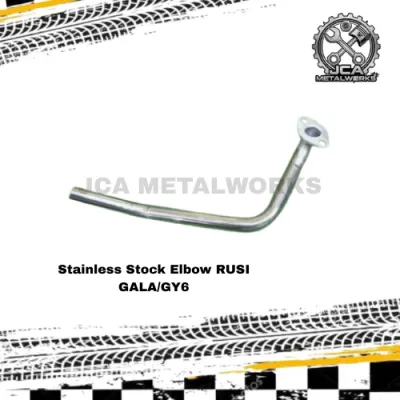
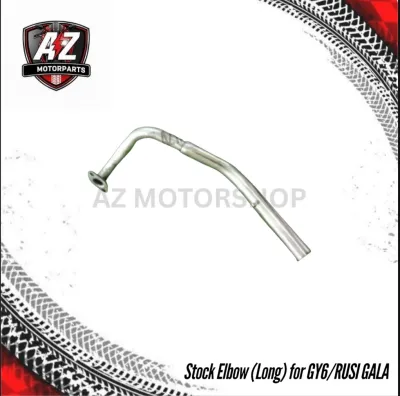
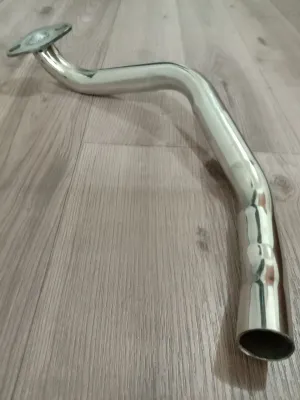
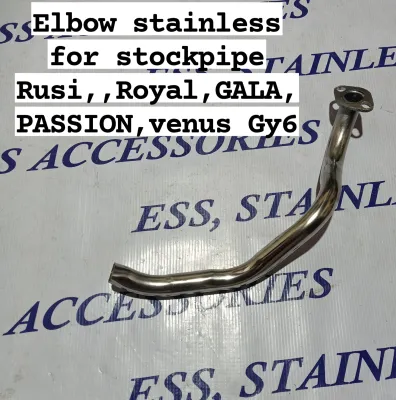
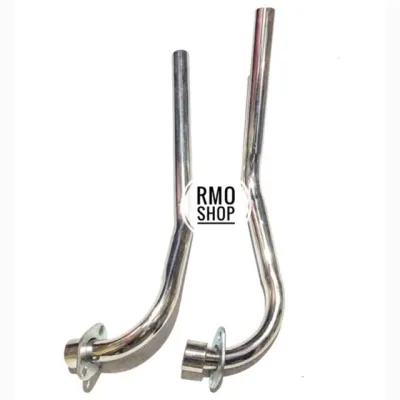
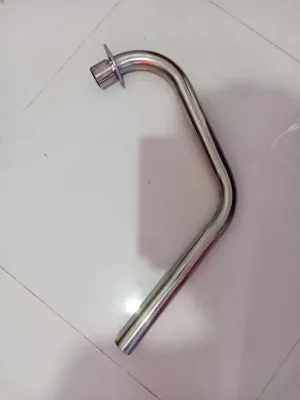
Prices are valid at publication and may change. Please refer to the product page for the latest price.
Exhaust leaks are more than just a noisy nuisance; they pose real risks to your motorcycle’s structural components. Escaping gases can reach temperatures high enough to melt nearby plastic fairings, damage electrical wiring, or leave unsightly black soot marks on your scooter’s frame. Furthermore, an unsealed exhaust system disrupts the engine’s backpressure, which is critical for proper fuel-air scavenging. This disruption often leads to sluggish throttle response, reduced fuel efficiency, and engine overheating during long commutes in heavy traffic.
Many aftermarket parts sold on online marketplaces are labeled as “universal” or “plug-and-play.” However, because different scooter models have unique chassis layouts and engine mounting positions, these generic parts rarely fit the Rusi Gala without modification. Verifying the exact physical specifications before you purchase is the only reliable way to avoid costly fitment headaches and potential engine damage.
Critical Dimensions to Verify Before Purchase
Ensuring a perfect match requires checking several key physical measurements. Because aftermarket listings can sometimes be vague, knowing exactly what dimensions to look for will help you filter out incompatible parts.

Pipe Diameter and Flow Matching
When evaluating an exhaust elbow, you must distinguish between the Inner Diameter (ID) and the Outer Diameter (OD). The inner diameter directly affects how quickly and smoothly exhaust gases exit the engine. If the replacement pipe’s ID is too narrow, it will restrict exhaust flow, causing excessive backpressure that chokes engine performance. Conversely, an ID that is too wide can reduce exhaust gas velocity, resulting in a noticeable loss of low-end torque—a drawback you will quickly feel when climbing steep inclines or carrying a pillion passenger.
The outer diameter is equally important, particularly at the slip-on joint where the elbow connects to the muffler. If the OD of the elbow is even slightly smaller than the muffler’s inlet, the exhaust clamp will not be able to compress the joint enough to create a gas-tight seal. If the OD is too large, the pipe simply will not slide into the muffler. Always check the manufacturer’s listed specifications for both the engine-side ID and the muffler-side OD, and compare them directly to your stock components.
Flange Pattern and Mounting Points
The exhaust flange is the metal plate welded to the engine-side of the elbow, which secures the pipe to the cylinder head using threaded studs and nuts. For the Rusi Gala, you must verify that the flange pattern matches your engine’s mounting configuration. This typically involves a two-bolt pattern, where the distance between the center of each bolt hole must align perfectly with the studs on the engine block.
Never attempt to force a mismatched flange onto your engine studs, and avoid drilling or elongating the mounting holes to make an incorrect part fit. Modifying the flange in this manner often warps the metal plate, preventing it from sitting flush against the exhaust port gasket. This warping creates a permanent path for hot gases to escape, which can gradually erode the aluminum cylinder head and strip the threads of your mounting studs. Additionally, check if the replacement elbow comes with its own mounting hardware or if it requires you to reuse your stock nuts and springs.
Bend Angle and Frame Clearance
Even if the flange pattern and pipe diameters match perfectly, an incorrect bend angle can make an exhaust elbow completely unusable. The bend radius determines how the pipe curves around the engine block, clears the lower chassis, and routes toward the rear of the scooter. Because the Rusi Gala has a compact frame with tight clearances, the elbow must be shaped precisely to avoid contact with surrounding parts.
If the bend angle is off, the hot metal pipe may press against the plastic engine cooling shroud, the center stand, or the rear brake cable. Over time, the intense heat can melt plastic components and damage critical safety cables, while constant contact leads to annoying vibrations and rattling. Furthermore, the routing of the elbow directly influences ground clearance. A pipe that hangs too low is highly vulnerable to scraping against high speed bumps, steep driveways, or road debris, which can dent the pipe or crack the exhaust flange.
Material Specs and Their Real-World Impact
Exhaust elbows are manufactured from several different metals, each offering distinct characteristics in terms of durability, maintenance, and cost. Understanding these material properties will help you choose a pipe that suits your riding environment and budget.
- Mild Steel (Chrome-Plated or Painted): This is the most affordable option and is often used for stock replacements. While budget-friendly, mild steel is highly vulnerable to rust and corrosion. In the humid, tropical climate of the Philippines, where roads are frequently wet or flooded, mild steel elbows require regular cleaning and occasional high-temperature repainting to prevent rust from eating through the metal.
- Stainless Steel (typically 304 Grade): Highly recommended for daily commuters, stainless steel offers excellent resistance to rust, oxidation, and road grime. It requires very little maintenance to retain its structural integrity and clean appearance. While more expensive than mild steel, its long-term durability makes it a highly cost-effective upgrade for riders facing frequent rains and coastal air.
- Titanium: Titanium is exceptionally lightweight and develops a distinct blue-purple color shift when exposed to high operating temperatures. However, titanium elbows are very expensive and are generally unnecessary for standard commuter scooters, as the minor weight savings do not translate into noticeable performance gains for daily riding.
When browsing products, always check the technical specifications on the manufacturer’s label to verify the actual material composition. Do not rely solely on product photos, as some mild steel pipes are polished or coated to mimic the look of stainless steel. Keep in mind that material choice primarily affects the lifespan and aesthetics of the exhaust system, rather than altering the horsepower of a standard commuter setup.
How to Measure Your Stock Rusi Gala Elbow for Comparison
If the technical specifications of an aftermarket elbow are unclear or poorly documented, the safest approach is to measure your stock elbow and compare those numbers directly with the seller’s product. For your safety, always ensure that the engine and the exhaust system have cooled down completely before touching any components.
To obtain accurate measurements, follow these steps:
- Clean the measurement points: Use a wire brush and a clean rag to remove carbon deposits, rust, and road debris from the exhaust flange and the slip-on joint. Clean surfaces are essential for getting precise readings.
- Measure the diameters: Use a digital caliper to measure the outer diameter (OD) of the pipe at the end that connects to the muffler. Next, measure the inner diameter (ID) of the pipe opening at the flange end.
- Measure the flange bolt spacing: Place the tips of your caliper in the exact center of each bolt hole on the mounting flange. This center-to-center measurement is critical for ensuring the flange will slide onto your engine's mounting studs.
- Document the bend profile: Take clear, high-resolution photos of your stock exhaust elbow from multiple angles while it is still mounted on the scooter. Note the clearance distance between the pipe and the frame, the engine shroud, and the ground.
Using these baseline measurements allows you to ask sellers specific questions about their product dimensions, significantly reducing the risk of ordering an incorrect part.
Installation Safety and Professional Fitment Limits
Before installing a new exhaust elbow, always read the manufacturer’s instructions and consult your scooter’s service manual. Installing an exhaust component requires careful attention to torque values. When securing the flange to the cylinder head, always use a torque wrench to tighten the nuts to the manufacturer’s specified torque. Over-tightening can easily snap the threaded studs inside the soft aluminum cylinder head, resulting in an expensive and difficult extraction process.
Additionally, you must install a brand-new exhaust crush gasket between the cylinder head port and the elbow flange. Reusing an old, compressed gasket is the most common cause of post-installation exhaust leaks, as the metal loses its ability to deform and seal microscopic gaps once it has been crushed.
It is important to know the limits of DIY work. If you find that the new elbow does not align naturally with the mounting points, or if it requires bending, cutting, welding, or modifying your scooter’s frame to fit, stop immediately. Attempting to force a poorly fitting pipe can damage your engine block or compromise the structural safety of your motorcycle. In these cases, consult a qualified motorcycle mechanic to ensure the exhaust system is installed safely and professionally.
Frequently Asked Questions (FAQ)
Can I use a universal exhaust elbow on my Rusi Gala?
While universal exhaust elbows are widely available on various online marketplaces, they rarely fit the Rusi Gala directly out of the box. Universal pipes typically lack the exact flange bolt spacing, specific bend angles, or diameter steps required to clear the scooter’s compact frame and align with the muffler. Adapting a universal pipe usually requires custom cutting, welding, and fabricating mounting brackets, which can compromise the exhaust system’s structural integrity and alter gas flow. For a hassle-free installation, it is best to purchase an elbow specifically designed and measured for your scooter model.
Should I replace the exhaust crush gasket when installing a new elbow?
Yes, you must replace the exhaust crush gasket with a brand-new copper or composite gasket every time you remove or replace the exhaust elbow. These gaskets are designed for single-use only; they deform and crush under pressure to seal the uneven surfaces between the engine’s exhaust port and the pipe flange. Once a gasket has been compressed, it loses its elasticity and cannot provide a reliable seal if reused, which almost always leads to hot exhaust leaks.

Community discussion
Share your experience or ask a question. Comments are reviewed before publication.