
Finding a KYT helmet in the Philippines that balances your budget with uncompromising safety requires understanding how different price tiers translate to specific materials, comfort features, and certified protection. While entry-level models offer essential impact protection, mid-range and premium options introduce lighter shell composites, advanced ventilation for tropical heat, and enhanced aerodynamic stability. By focusing on verified safety marks and proper fitment, you can secure a reliable helmet that protects you on daily commutes or long weekend rides.
Setting Your Budget Priorities for KYT Helmets
When planning your helmet purchase, it is vital to distinguish between non-negotiable safety requirements and optional comfort or aesthetic features. Every rider must prioritize structural integrity and certified impact absorption over cosmetic upgrades. A helmet with a basic solid-color finish provides the exact same level of protection as one adorned with intricate racer replica graphics, but often at a significantly lower price point. If you are working with a strict budget, allocating your funds toward a safer shell material or a more secure retention system is always a wiser decision than paying a premium for aesthetic designs.
The style of helmet you choose also heavily influences both the cost and the level of protection. Full-face helmets represent the gold standard for safety, offering complete coverage of the chin, face, and cranium. This design is highly recommended for high-speed highway riding and daily commutes alike, as it provides the most comprehensive barrier against impact and road debris. Open-face helmets, while generally more affordable and highly ventilated for slow-moving city traffic, leave the lower face and jaw exposed to potential injury. Modular helmets offer a versatile middle ground with a flip-up chin bar, but they tend to be heavier, mechanically complex, and more expensive due to the moving parts involved.
Products mentioned in this guide
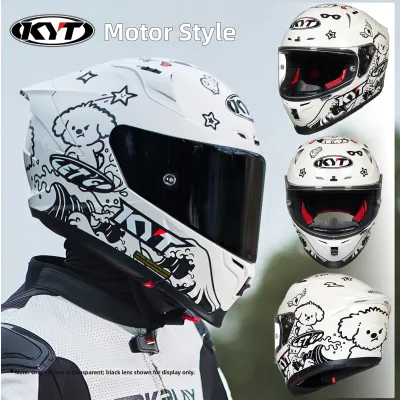
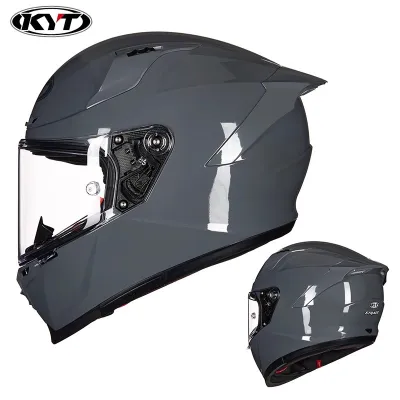
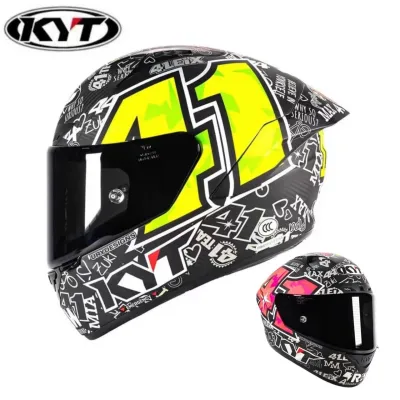
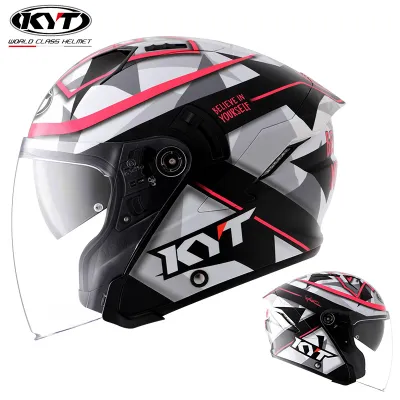
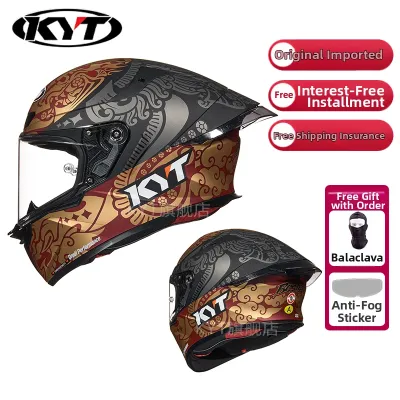
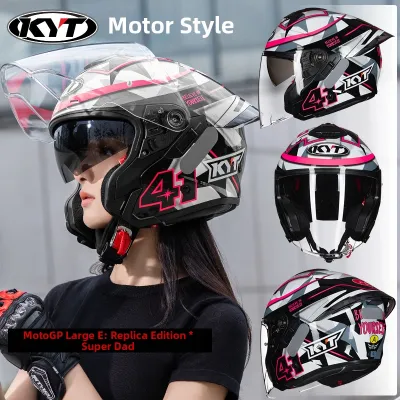
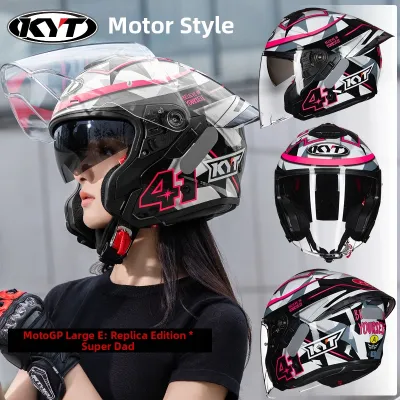
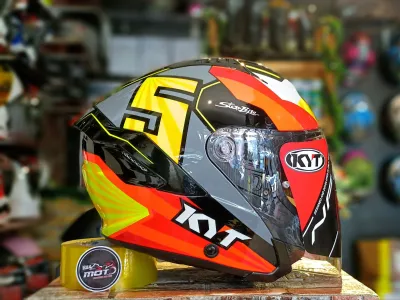
Prices are valid at publication and may change. Please refer to the product page for the latest price.
To establish a practical decision framework, start by setting a hard limit on your spending that does not compromise on basic safety certifications. If your budget is modest, focus your search on entry-level full-face helmets made from high-quality polycarbonate or ABS thermoplastic. Avoid the temptation to buy cheaper, unbranded accessories or tinted visors immediately; instead, use your entire budget to secure the highest-quality helmet shell you can afford. As your budget increases, you can begin to look for advanced features such as composite fiber shells, integrated sun shields, and emergency quick-release cheek pads.
Verifying Safety Standards and Compliance Marks
Riding on Philippine roads requires gear that can withstand rigorous real-world impacts, making safety compliance verification your most critical step. In the Philippines, all motorcycle helmets must carry official certification marks to be legally road-worthy. You must physically locate and inspect the Import Commodity Clearance (ICC) sticker or the Philippine Standard (PS) mark on the helmet. The ICC sticker is typically applied to the rear of the helmet shell and features a unique serial number and a holographic security pattern that reflects light when tilted.

In addition to local marks, reputable helmets like those from KYT carry international safety standard labels, such as the United States Department of Transportation (DOT) mark or the Economic Commission for Europe (ECE) certification. The ECE 22.05 or the newer, more stringent ECE 22.06 labels are usually sewn directly onto the chin strap or printed clearly on the rear of the shell. When inspecting these labels, look closely at the print quality and adhesion. Genuine safety stickers are durable, precisely aligned, and difficult to peel off, whereas counterfeit stickers often look poorly printed, use incorrect fonts, or lift easily at the edges.
Be highly vigilant for immediate red flags that indicate a potentially counterfeit or non-compliant helmet. If a helmet lacks an ICC or PS mark entirely, or if the sticker appears to be a simple paper printout without holographic elements, do not purchase it. Other warning signs include misspelled brand names, missing user manuals, or a price that seems unrealistically low compared to authorized dealer listings. If you encounter any of these discrepancies, stop the purchase immediately and contact the manufacturer or an authorized local distributor to verify the product’s authenticity.
Evaluating Materials and Features Within Your Budget
Understanding the materials used in helmet construction helps you evaluate what you are actually paying for at different price points. Entry-level and mid-range helmets commonly utilize Acrylonitrile Butadiene Styrene (ABS) or advanced thermoplastic resins for their outer shells. ABS is highly impact-resistant, durable, and cost-effective to manufacture, though it tends to be heavier than premium alternatives. On the other hand, higher-tier helmets often feature composite fiber shells, which blend fiberglass, carbon fiber, and organic fibers. These composite materials offer superior energy dissipation during an impact while significantly reducing the overall weight, which helps minimize neck fatigue during long rides.
The interior of the helmet is just as important as the outer shell, especially when riding in the hot and humid tropical climate of the Philippines. You should prioritize helmets that feature fully removable and washable interior liners. Sweat, oil, and dust accumulate quickly during daily commutes, and being able to wash the cheek pads and crown liner is essential for maintaining hygiene and preventing odor. Look for moisture-wicking fabrics that actively draw sweat away from your skin, as well as hypoallergenic materials that prevent skin irritation during extended use.
Visor mechanisms and optical clarity are additional features to evaluate based on your budget. Check the product’s official specifications to confirm if the visor is Pinlock-ready, which allows you to install an anti-fog insert. This is incredibly useful for maintaining clear vision during sudden afternoon downpours or early morning rides. Additionally, look for visors that offer certified UV protection to shield your eyes from intense tropical sunlight. A reliable quick-release visor mechanism is also highly beneficial, allowing you to swap or clean visors without needing specialized tools.
Choosing Reliable Retailers and Avoiding Counterfeits
To ensure you are purchasing a genuine KYT helmet, you must select your purchasing channels with care. Buying directly from official brand stores or authorized physical dealers is the safest way to guarantee authenticity and secure reliable after-sales support. Authorized dealers can provide expert assistance with sizing, offer genuine replacement parts, and honor the manufacturer’s warranty. While general online marketplaces and ecommerce platforms offer convenience, they also host third-party sellers who may distribute counterfeit goods. If buying online, only purchase from verified flagship stores or highly rated sellers with official dealer badges.
When your helmet is delivered, perform a thorough unboxing inspection before using it on the road. A genuine helmet should arrive in its original, branded box with matching serial numbers printed on the packaging and the helmet itself. Inside, you should find a high-quality helmet bag, an official user manual, a warranty card, and any anti-counterfeit tags or holographic stickers intact. Inspect the overall build quality, checking that the paint finish is smooth, the visor mechanism operates smoothly, and the inner EPS liner is free from cracks or compressions.
Before finalizing your purchase, especially when shopping online, carefully review the retailer’s return, exchange, and warranty policies. Ensure they offer a clear return window in case the helmet does not fit correctly or arrives with manufacturing defects. A reputable seller will have a transparent policy for handling exchanges and will stand by the manufacturer’s warranty against material defects. Never ride with a helmet that does not fit perfectly or shows signs of damage, and always utilize the seller’s return policy to resolve any issues immediately.
Frequently Asked Questions (FAQ)
How do I determine the correct fit for a KYT helmet?
To find the correct helmet size, use a flexible tape measure to measure the circumference of your head. Wrap the tape horizontally around your head, approximately one inch above your eyebrows and just above your ears, taking the measurement at the widest point. Compare this measurement to the official KYT sizing chart, as sizing can vary slightly between different helmet models and shell shapes.
Once you put the helmet on, perform several physical checks to confirm a proper fit. The cheek pads should press firmly against your cheeks without causing pain, and there should be no gaps between your forehead and the brow liner. Fasten the chin strap securely, then perform the roll-off test by grasping the rear of the helmet and trying to pull it forward off your head; if the helmet slips off or shifts significantly, it is too large.
Are replacement visors and parts available for entry-level models?
Yes, replacement visors, cheek pads, and ventilation covers are generally available, but availability depends on the specific model. To verify compatibility, consult the manufacturer’s official parts catalog or contact an authorized local dealer. Avoid purchasing generic, unbranded replacement parts from unverified online sellers, as they may not fit securely or meet safety standards.
When replacing a visor, always verify its authenticity to ensure it maintains structural integrity and optical clarity. Genuine replacement visors are designed to resist shattering upon impact and provide proper UV protection. Using non-genuine visors can compromise your safety, lead to poor visibility in low-light conditions, and void your helmet’s warranty.

Community discussion
Share your experience or ask a question. Comments are reviewed before publication.