
When upgrading the interior of a manual car, the shifter knob is one of the most frequently touched components. While aesthetics often drive the initial choice, daily driving in a tropical climate demands a careful balance of thermal comfort, grip security, and long-term durability. There is no single universal winner among leather, aluminum, and carbon fiber; the ideal material depends on your specific driving environment, cabin temperature management, and tactile preferences. This guide breaks down the practical performance of each option to help you make an informed decision.
For most daily drivers navigating urban traffic and open highways, leather emerges as the most balanced option due to its excellent thermal insulation and natural grip. However, drivers seeking a highly mechanical, weighted shift feel often gravitate toward aluminum, while those prioritizing a modern, lightweight aesthetic with moderate heat resistance find their match in carbon fiber. Choosing the right material requires looking past visual appeal and evaluating how each substance handles the harsh realities of daily use.
How to Evaluate Shifter Knob Materials for Daily Use
Selecting an aftermarket shifter knob for manual car setups requires a clear understanding of how different materials interact with your hands and the cabin environment. In tropical regions, cabin temperatures can soar rapidly when a vehicle is parked uncovered. A material that absorbs and retains heat efficiently can become physically painful to touch, forcing you to wait for the air conditioning to cool the cabin before you can safely shift gears. Therefore, thermal conductivity is a primary factor to analyze before making a purchase.
Products mentioned in this guide
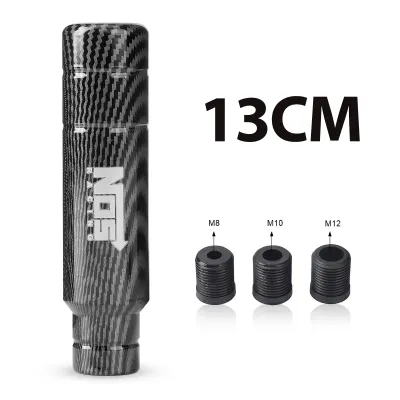
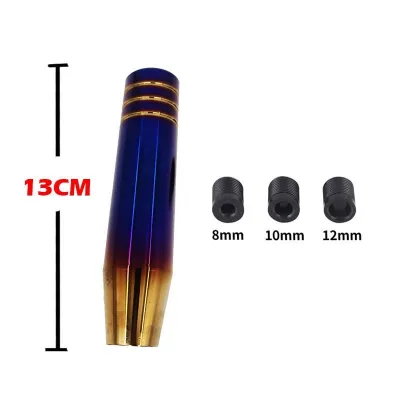
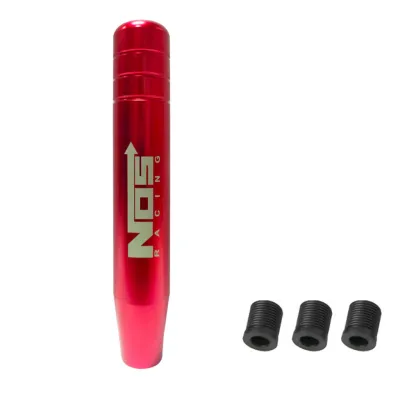
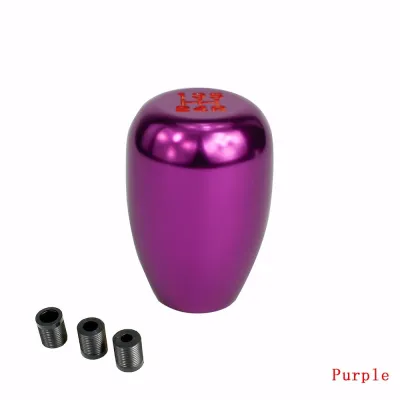
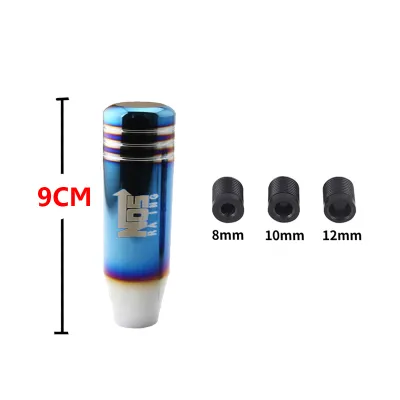
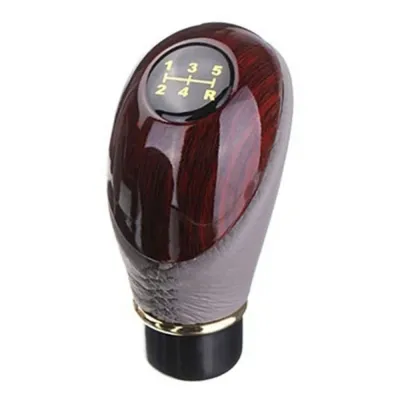

Prices are valid at publication and may change. Please refer to the product page for the latest price.
Grip retention is another critical safety and comfort consideration. Daily commuting often involves prolonged periods of stop-and-go traffic, which can lead to hand fatigue and palm perspiration. A shift knob must provide a secure, non-slip surface even when your hands are damp. If a material becomes slick under humid conditions, your hand could slip during a critical gear change, potentially leading to missed shifts or transmission wear.
Finally, long-term durability under intense ultraviolet (UV) exposure and high relative humidity must be evaluated. The cabin of a car acts like a greenhouse, intensifying solar radiation that can degrade plastics, dry out organic materials, and fade anodized coatings. A quality shift knob should resist cracking, peeling, and discoloration over years of exposure. By analyzing these environmental factors alongside your personal driving style, you can narrow down the choices to a material that enhances your daily commute.
Leather Shift Knobs: Comfort and Classic Grip
Leather-wrapped shift knobs are widely regarded as the benchmark for daily driving comfort. Because leather is a natural, porous material, it possesses excellent thermal insulation properties. It does not rapidly absorb ambient heat from the cabin air or direct sunlight, meaning it remains comfortable to hold even after your car has been parked under the midday sun. This temperature stability makes it an incredibly forgiving choice for daily commuters who need to get in and drive without delay.

The tactile experience of leather is highly secure and comfortable. It offers a natural, compliant grip that conforms slightly to the pressure of your hand, reducing the effort required to maintain control during gear changes. Over time, high-quality leather develops a unique patina, absorbing natural oils from your hands and taking on a character that reflects your driving history. However, this organic nature also means that lower-grade synthetic leathers or poorly constructed covers can suffer from premature wear, such as peeling, cracking, or unravelling at the stitched seams.
Maintaining a leather shift knob in a humid environment is essential to prevent degradation and hygiene issues. High humidity can encourage mold or mildew growth if organic oils and sweat are left unchecked on the surface. Regular cleaning with a damp microfiber cloth and a dedicated, mild leather cleaner is necessary to remove dirt and body oils. Applying an automotive-grade leather conditioner every few months helps preserve the material’s flexibility and prevents it from drying out under intense cabin heat. Always avoid silicone-based protectants, as they leave a greasy, slippery residue that compromises your grip and safety.
Aluminum Shift Knobs: Durability and Solid Feel
Aluminum shift knobs are favored by enthusiasts who appreciate a precise, mechanical connection to their vehicle’s transmission. Metal knobs are often machined from solid billet aluminum, which provides a reassuring weight and structural rigidity. This added mass can alter the shifting dynamics by increasing the inertia of the shift lever, making gear engagements feel more positive and deliberate. For drivers who enjoy a raw, sporty feedback from their gearbox, the solid feel of aluminum is difficult to match.
However, the primary drawback of aluminum in a tropical climate is its exceptionally high thermal conductivity. Aluminum acts as a highly efficient heat sink, rapidly absorbing thermal energy from both the cabin air and direct sunlight. If your vehicle is parked outdoors without protection, an aluminum knob can become hot enough to cause physical discomfort or minor burns upon contact. Conversely, on rainy days with heavy air conditioning usage, the metal can feel uncomfortably cold. This extreme temperature sensitivity requires practical workarounds, such as using sunshades or keeping a small cloth cover over the shifter when parked.
When shopping for an aftermarket shifter knob for manual car applications, pay close attention to the surface finish. Raw aluminum is highly susceptible to scratching from rings, keys, or abrasive particles. Anodized finishes offer improved scratch resistance and allow for various color options, though they can still fade over time under direct UV exposure. Knurled textures—featuring cross-hatched patterns machined into the metal—are highly recommended for daily drivers, as they significantly improve grip security when your hands are sweaty, mitigating the naturally slick texture of smooth metal.
Carbon Fiber Shift Knobs: Lightweight and Modern Aesthetics
Carbon fiber shift knobs offer a distinctive blend of modern, motorsport-inspired aesthetics and unique physical properties. Unlike aluminum, carbon fiber has relatively low thermal conductivity, meaning it does not become excessively hot or cold to the touch under typical cabin temperature fluctuations. This makes it a much more comfortable alternative to metal for drivers who want a high-tech look without the risk of burning their hands after parking in the sun.
In terms of shifting dynamics, genuine carbon fiber is incredibly lightweight. A lightweight knob provides a very different tactile experience compared to a weighted aluminum one; it transmits more of the transmission’s natural vibrations and mechanical feedback directly to your hand. This raw, communicative feel is highly valued by drivers who want to feel every nuance of the gear synchronization process. However, because carbon fiber is typically bonded to a metal or plastic core for structural integrity, the overall weight of the knob can vary depending on its internal construction.
The longevity of a carbon fiber shift knob largely depends on the quality of its protective clear coat resin. Because carbon fiber itself is a fabric embedded in resin, the outer clear coat is what shields the material from physical wear and UV radiation. Over years of exposure to intense sunlight, low-quality resins can yellow, cloud, or develop fine cracks. To ensure you are purchasing a genuine product rather than a cheap imitation, look closely at the weave pattern. Real carbon fiber exhibits a distinct three-dimensional depth where the woven strands reflect light differently at various angles, whereas hydro-dipped plastics or vinyl wraps present a flat, repetitive, and uniform pattern.
Material Comparison Matrix for Everyday Driving
To help you weigh the practical trade-offs of each material, the following matrix compares leather, aluminum, and carbon fiber across key daily driving performance metrics.
| Material | Heat Comfort | Grip Security | Weight Feel | Maintenance Effort | Relative Cost Tier |
|---|---|---|---|---|---|
| Leather | Excellent | High | Moderate | Moderate | ₱₱ |
| Aluminum | Poor | Moderate (High if knurled) | Heavy | Low | ₱ |
| Carbon Fiber | Good | Moderate | Light to Moderate | Low | ₱₱₱ |
While aluminum is generally the most budget-friendly and durable against physical scratches, it demands the most compromise regarding thermal comfort. Leather provides the most balanced everyday experience but requires periodic conditioning to prevent environmental damage. Carbon fiber offers excellent thermal properties and a premium look, though it typically commands a higher price point and relies heavily on the quality of its UV-resistant clear coat.
Fitment and Installation Checks Before Purchasing
Before purchasing any aftermarket shifter knob for manual car use, verifying compatibility with your specific vehicle is paramount for safety and functionality. Shift levers vary significantly across different car manufacturers, model years, and transmission types. You must consult your vehicle’s owner’s manual or use a thread pitch gauge to measure the original shift lever’s thread diameter and pitch. Common thread patterns include M10x1.25, M10x1.5, and M12x1.25, and installing a knob with the incorrect thread pitch will strip the threads on either the knob or the shifter shaft, leading to a loose and unsafe installation.
Many aftermarket shift knobs are sold as universal kits that utilize rubber or plastic adapters and small set screws to secure the knob to non-threaded or differently threaded shafts. While these universal systems offer broad compatibility, they require careful installation to prevent the knob from rotating or coming loose during spirited driving. Threaded, vehicle-specific knobs are always preferred for a secure, rattle-free connection. If you must use a universal adapter system, ensure the set screws are tightened evenly and checked periodically for tightness.
When installing your new shift knob, always start threading it by hand to avoid cross-threading. Spin the knob gently until it seats fully against the shifter shaft or the shift boot retainer. Do not use excessive force or heavy tools to tighten the knob, as this can strip the internal threads—especially in knobs with soft plastic or aluminum inserts. If your vehicle features a reverse lockout collar (a mechanism that requires you to pull up on a ring to engage reverse), verify that the aftermarket knob’s base has sufficient clearance to allow the collar to function fully and safely. If you are unsure about any part of the installation process, consult a qualified automotive professional to ensure the modification does not interfere with safe vehicle operation.
Frequently Asked Questions (FAQ)
Is an aluminum shift knob safe to use if the car is frequently parked outdoors?
Yes, an aluminum shift knob is physically safe to use, but it requires active management to avoid discomfort. Because aluminum absorbs heat rapidly, parking in direct sunlight can make the surface hot enough to cause pain. To mitigate this, always use a high-quality reflective windshield sunshade when parking outdoors. Alternatively, you can place a small, light-colored cloth cover or a dedicated silicone sleeve over the shift knob while the vehicle is parked to shield it from direct solar radiation.
Will a heavier shift knob make my manual transmission shift smoother?
A heavier shift knob can make the physical act of moving the gear lever feel smoother by utilizing kinetic momentum to assist in pushing the shifter into gear. This added mass helps overcome the initial resistance of the shift linkage. However, a weighted knob is purely a tactile modification; it cannot fix mechanical issues such as worn synchronizers, damaged gear teeth, stiff shift cables, or low transmission fluid. If your gearbox is grinding or difficult to engage, you should address the underlying mechanical issues rather than attempting to mask them with a heavier knob.
How often should I condition a leather shift knob to prevent cracking?
In warm, humid climates, you should clean and condition a leather shift knob every two to three months. The combination of high humidity, cabin heat, and acidic sweat from your hands accelerates the breakdown of leather’s natural fibers. Use a damp microfiber cloth to wipe away surface dirt, followed by a small amount of dedicated, non-greasy automotive leather conditioner. Avoid using household oils, petroleum jelly, or silicone-based protectants, as these will clog the pores of the leather, attract dirt, and make the surface dangerously slippery during driving.

Community discussion
Share your experience or ask a question. Comments are reviewed before publication.