
Quick Answer: What Defines a High-Quality LED Crystal Shift Knob?
A premium car led crystal shifter is defined by three primary elements: genuine high-grade optical crystal (such as K9 glass), a fully sealed internal LED circuit, and a secure metal-threaded mounting interface. Unlike cheap plastic novelties, a high-quality shift knob provides a substantial physical weight that improves gear-shifting momentum, flawless light diffusion that prevents driver glare at night, and a rock-solid mechanical fitment that ensures driving safety.
When shopping on online marketplaces, look for solid cut-glass construction and solid brass or steel thread adapters rather than hollow acrylic housings and soft rubber push-fit sleeves. The following sections break down how to verify these features and avoid low-quality imitations when browsing accessories.
Key Selection Criteria: Features to Check Before You Buy
Upgrading your vehicle’s interior with a car led crystal shifter is an excellent way to elevate cabin aesthetics, but because the shift knob is a primary touchpoint, you must balance visual appeal with mechanical durability. A poor-quality accessory can degrade rapidly under environmental stress or, worse, detach during an emergency maneuver. Evaluating your options across three core pillars—material integrity, electrical reliability, and mechanical fitment—will ensure you select a durable, safe, and premium product.
Products mentioned in this guide
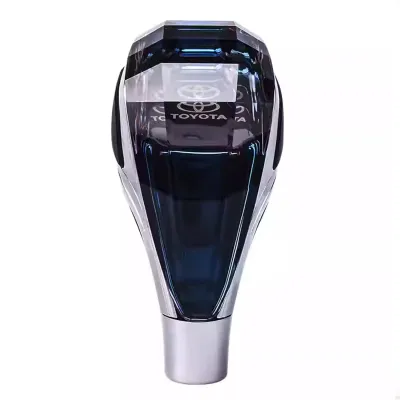
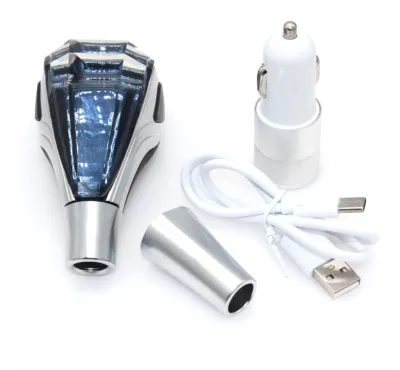
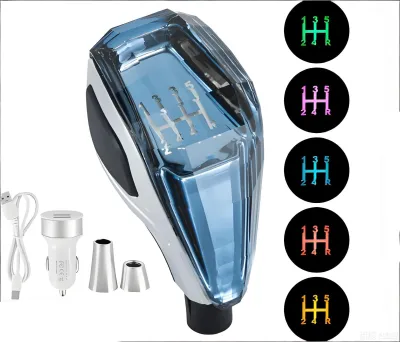
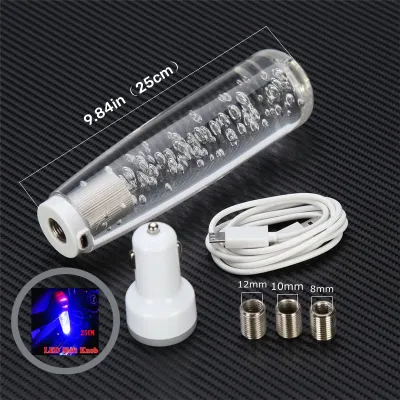
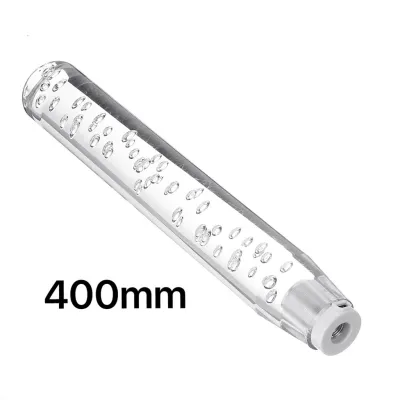
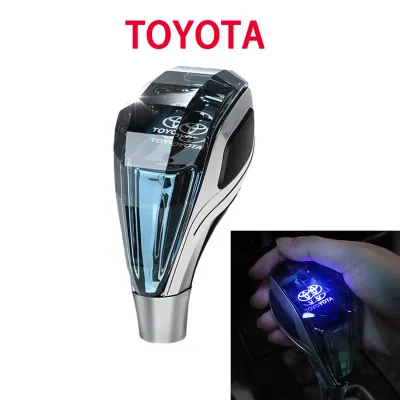
Prices are valid at publication and may change. Please refer to the product page for the latest price.

Crystal Clarity and Material Durability
The choice of material directly dictates how the shift knob looks, feels, and ages. Genuine optical crystal, typically designated as K9 glass, features a high density that gives the knob a solid, reassuring weight in your hand. This material has a high refractive index, meaning it splits and bends light into clean, sharp geometric patterns across its cut facets. Furthermore, real glass is naturally cool to the touch, providing a premium tactile feel even when the cabin is warm.
In contrast, cheap alternatives rely on molded acrylic, polycarbonate, or basic plastics. These materials are much lighter, feel warm or neutral at room temperature, and tend to distort light, creating a muddy or cheap visual effect. More importantly, plastics are highly susceptible to scratch damage from rings, keys, and fingernails. Over time, the constant friction, combined with hand oils and intense UV exposure from parking under the tropical sun, will cause acrylic to cloud, scratch, and turn an unsightly yellow. Genuine K9 optical crystal is highly scratch-resistant and completely immune to UV-induced yellowing, ensuring the accessory maintains its brilliant clarity over years of daily use. When browsing product listings, look for clear declarations of “K9 optical crystal” or “diamond-cut glass” and avoid vague descriptions like “crystal-like acrylic” or “glass-effect resin.”
LED Lighting Mechanisms and Power Delivery
The electrical system of an illuminated shift knob must be robust enough to handle daily vibrations and the harsh environmental conditions inside a vehicle. There are two primary power configurations available:
- USB-Rechargeable Internal Batteries: These models feature a built-in lithium-ion battery, usually activated by a touch-sensitive sensor when you rest your hand on the knob. They offer a clean, wire-free installation. However, because the interior of a car parked under direct sunlight can reach extreme temperatures, the internal battery must be of high quality to prevent swelling or capacity loss.
- Direct 12V Wired Systems: These connect directly to your vehicle's accessory power or cigarette lighter socket. While they provide continuous illumination without needing a recharge, they require careful wire routing behind the dashboard and center console to prevent the cable from snagging on moving parts.
In tropical climates with high relative humidity, moisture resistance is critical. Humid air and sweaty palms can introduce moisture into the base of the shift knob. If the internal LED circuit board is not properly sealed or conformal-coated, this moisture will cause rapid corrosion of the copper traces, leading to flickering lights, dead pixels, or complete electrical failure. Furthermore, look for knobs designed with frosted internal facets or dedicated light-diffusing lenses. A quality shifter diffuses light evenly across its surface, whereas low-end models use a single unshielded LED that shoots a harsh, blinding beam upward, creating a dangerous glare that can impair your night vision while driving.
Thread Pitch Compatibility and Adapter Kits
The mechanical connection between the shift knob and your transmission lever is the most critical safety factor. Vehicle manufacturers use specific thread pitches on their gear levers (for example, M10x1.5 is common on Honda manual gearboxes, M12x1.25 is standard for Toyota and Subaru, and M8x1.25 is widely used on gated automatic shifters). Attempting to force a shift knob with an incompatible thread pitch onto your lever will permanently strip the threads of both components, resulting in a loose knob and a costly repair bill for a new shifter assembly.
To guarantee a secure fit, premium shift knob packages include comprehensive adapter kits made of high-quality metals. Look for packages that provide:
- Solid Metal Threaded Inserts: These inserts, usually machined from solid brass or steel, screw directly into the core of the shift knob and then onto the vehicle's shift lever, creating a secure metal-on-metal connection.
- Grub Screws and Hex Keys: These allow you to lock the shift knob in its correct orientation, preventing it from spinning or backing off during gear changes.
Avoid products that rely on universal plastic or rubber friction-fit sleeves. These soft sleeves are pushed over the threaded lever and held in place purely by friction or a plastic compression nut. Under the intense heat of a closed vehicle cabin, these plastics soften and expand. During a firm or rapid gear change, a friction-fit knob can easily pull off or spin freely in your hand, presenting a severe safety hazard by temporarily preventing you from controlling the transmission.
Red Flags: Low-Quality Indicators to Avoid
Identifying poorly manufactured accessories before you buy can save you from frustrating returns and potential vehicle damage. When evaluating listings on online marketplaces, watch out for these common warning signs:
- Vague or Missing Specifications: If a seller does not list the exact thread pitch dimensions, adapter sizes, or the specific type of crystal material used, they are likely distributing low-grade, generic merchandise.
- Unusually Light Shipping Weights: A solid K9 crystal shift knob typically weighs between 250 and 400 grams due to the density of the glass and metal core. If the listed shipping weight of the package is under 150 grams, the product is almost certainly hollow plastic.
- Exposed or Flimsy Wiring: Avoid wired LED knobs where thin, uninsulated copper wires exit the base without any rubber strain relief or protective sleeving. These fragile wires will easily snap or short-circuit when the shift boot moves.
- Unsubstantiated Universal Fit Claims: Be highly skeptical of listings that claim absolute compatibility with all automatic and manual vehicles. Vehicles equipped with manual reverse lockout collars (which require pulling a ring upward to engage reverse) or automatic shifters with physical release buttons require highly specialized designs. A basic threaded knob will not work on these vehicles without disabling critical safety mechanisms.
- Adhesive-Heavy Construction: Avoid knobs that feature small, glued-on rhinestones or multi-piece acrylic components. The high thermal cycles inside a vehicle cabin will quickly break down standard adhesives, causing the decorative pieces to fall off and leave behind a sticky, unsightly residue.
Installation Safety and Vehicle Compatibility
Before attempting to install a new car led crystal shifter, you must understand the safety boundaries of your specific vehicle. The installation process begins with removing the factory shift knob. Always consult your vehicle’s service manual or owner’s guide before proceeding. While many manual shift knobs simply unscrew counter-clockwise, some modern vehicles use hidden clips, retention pins, or integrated collar rings that attach directly to the shift boot. Forcing these components off without the proper trim tools can tear the leather boot or crack the surrounding plastic center console.
Once the factory knob is safely removed, you must verify that the new installation does not interfere with any mechanical safety features:
- Reverse Lockout Collars: If your manual transmission uses a pull-up ring to engage reverse gear, the base of your new crystal shift knob must have a wide, recessed cavity. This cavity provides the necessary clearance for the collar to slide fully upward. If the knob blocks this movement, you will be unable to shift into reverse.
- Automatic Shift Release Buttons: Never attempt to install a standard threaded crystal knob on an automatic transmission that requires pressing a button on the shifter to move out of Park or Neutral. Bypassing this safety lock is extremely dangerous, as the vehicle could accidentally be bumped into gear while moving. Only use crystal knobs specifically engineered with integrated mechanical push-buttons designed for your vehicle model.
- Transmission Linkage Wear: A heavier shift knob changes the leverage and momentum of your gear throws. While this often improves the shifting feel of a manual transmission, an excessively heavy custom knob (exceeding 450 grams) can place continuous downward pressure on the internal shift forks. On older or high-mileage gearboxes with worn synchronizers, this constant weight can accelerate wear on the synchronizer rings, eventually leading to gear crunching or popping out of gear.
If you begin screwing the thread adapter or the new shift knob onto your shifter lever and encounter sudden resistance, stop immediately. Forcing the threads will cause cross-threading, ruining the metal shaft of your transmission linkage. If the shift knob feels loose, rotates under light pressure, or if you are uncertain about its compatibility with your vehicle’s safety mechanisms, do not drive the vehicle. Seek the assistance of a qualified automotive technician or professional installer to complete the installation safely.
Frequently Asked Questions (FAQ)
Will a heavy crystal shift knob damage my manual transmission?
A moderately weighted crystal shift knob (typically between 200 and 350 grams) is generally safe for daily driving and can actually improve your shifting experience by providing smoother gear engagement through increased momentum. However, using an excessively heavy custom knob (over 450 grams) on an older transmission with worn linkages can cause problems. The constant weight can put slight, continuous pressure on the shift selector forks, leading to accelerated wear on the synchronizer rings over time. Always verify the weight specifications of the accessory and compare them to your original factory knob before installation.
How do I clean a crystal shift knob without damaging the LED base?
To clean your crystal shift knob safely, you must prevent liquid from entering the internal electronics. Never spray glass cleaners, water, or chemical solvents directly onto the knob, as the liquid can seep into the charging port, touch sensors, or seams, causing short circuits and corrosion. Instead, spray a small amount of mild, ammonia-free glass cleaner or a diluted isopropyl alcohol solution directly onto a clean, lint-free microfiber cloth. Gently wipe down the external crystal facets to remove fingerprints and oils, then use a dry section of the cloth to buff the surface to a clear, streak-free shine.

Community discussion
Share your experience or ask a question. Comments are reviewed before publication.