
In the intense heat and relentless stop-and-go traffic of Philippine roads, choosing between premium engine oils like Liqui Moly, Shell, and Motul is not about finding a single universal winner. No single brand reigns supreme across all vehicles and driving conditions. Instead, the ideal choice depends on matching your vehicle manufacturer’s exact viscosity and certification requirements with the specific synthetic formulation of each brand. This guide provides the objective criteria you need to evaluate product labels, understand base oil classifications, and make a conditional decision based on your specific driving profile, vehicle type, and maintenance habits.
Understanding Engine Oil Needs in Stop-and-Go Traffic and High Heat
When a car idles for hours in midday heat, there is minimal oncoming airflow to cool the engine bay. This lack of active cooling causes under-hood temperatures to spike, placing immense thermal stress on the engine oil. Under these conditions, the oil is susceptible to accelerated oxidation, a chemical reaction where the oil reacts with oxygen to form sludge, varnish, and acidic byproducts. This degradation reduces the oil’s ability to lubricate moving parts effectively, increasing the risk of metal-on-metal wear.
Viscosity is the most critical factor in preventing this wear. At high ambient temperatures, oil naturally thins out. If the viscosity drops too low, the protective oil film between critical engine components—such as the piston rings and cylinder walls—can shear or rupture. Maintaining the correct viscosity grade ensures that the oil film remains strong enough to withstand high shear forces while still flowing freely to carry heat away from critical engine zones.
Products mentioned in this guide
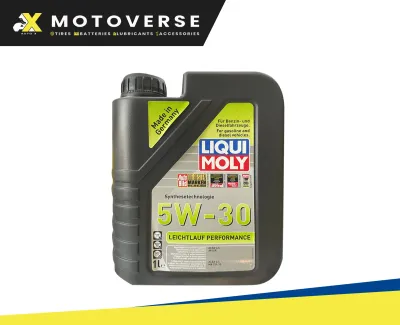
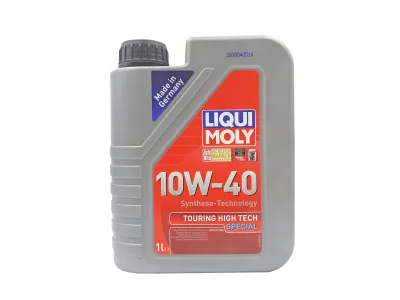
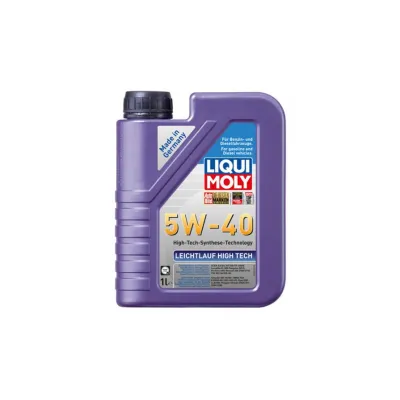
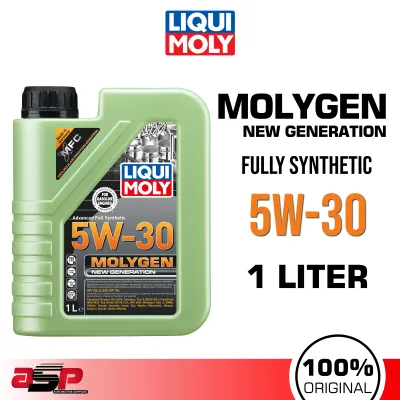
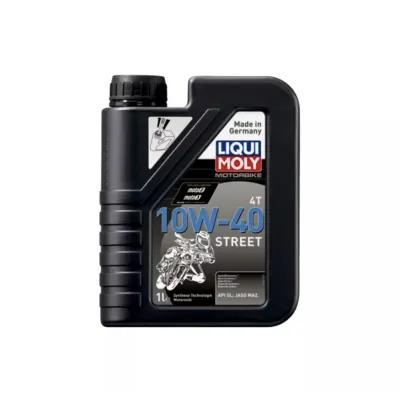
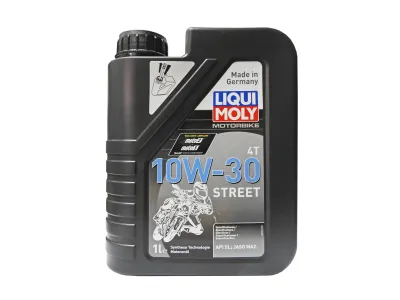
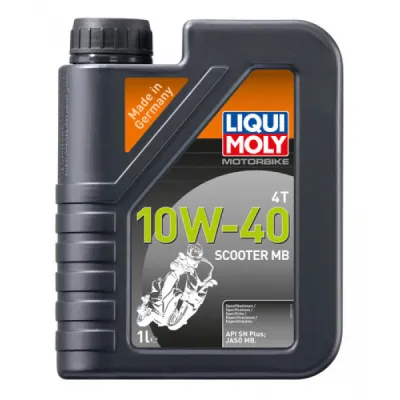
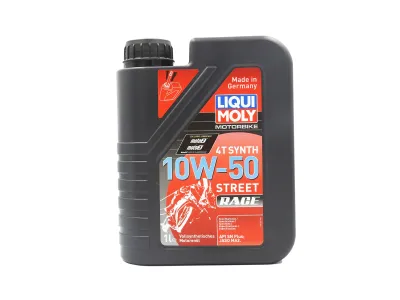
Prices are valid at publication and may change. Please refer to the product page for the latest price.
In the Philippines, daily commutes are rarely “normal” driving conditions. Most automotive manufacturers define “severe driving” as operating a vehicle in stop-and-go traffic, idling for extended periods, or operating in ambient temperatures consistently above 32°C. Because metropolitan commutes regularly combine all of these factors, standard oil change intervals designed for temperate climates do not apply. Your daily commute is, by definition, a severe-service scenario that demands high-quality synthetic formulations.
Evaluating Brand Formulations and Product Tiers
To make an informed comparison, you must look past marketing slogans and examine the specific product tiers offered by Liqui Moly, Shell, and Motul. Each brand produces a wide range of oils, from entry-level mineral oils to highly advanced fully synthetic formulations. Comparing a premium fully synthetic oil from one brand to a semi-synthetic oil from another is misleading. You must compare equivalent tiers to understand what you are paying for. Fully synthetic oils utilize highly refined or chemically synthesized base oils that offer superior thermal stability and better resistance to oxidation.

The first step in evaluating any bottle of engine oil is checking the industry certifications printed on the label. The American Petroleum Institute (API) and the European Automobile Manufacturers’ Association (ACEA) set the baseline standards for oil performance. For modern gasoline engines, look for the latest API SP rating, which is specifically formulated to protect against low-speed pre-ignition (LSPI) in turbocharged direct-injection engines. For diesel engines, look for relevant API CK-4 or CJ-4 ratings. ACEA ratings (such as A3/B4 or C3) indicate that the oil meets stringent European performance standards.
Understanding base oil classifications helps demystify brand claims. Base oils are categorized into five groups by the API. Group III oils are highly refined hydrocracked mineral oils, often marketed as “synthetic technology.” Group IV consists of Polyalphaolefins (PAO), which are true synthetic chemical compounds offering exceptional thermal stability. Group V includes all other base oils, such as esters, which are highly polar and adhere well to metal surfaces under extreme heat.
Brand-specific additive packages also play a major role in engine protection. Liqui Moly is widely recognized for its specialized additives, such as friction-reducing micro-ceramic compounds. Shell often highlights its proprietary gas-to-liquid (GTL) technology, which derives base oil from natural gas to produce a highly pure product with strong active cleansing agents. Motul is famous for its ester-based technology, particularly in its high-performance lines, which provides outstanding film strength at extremely high operating temperatures.
Essential Specifications to Verify Before Purchasing
Before purchasing any premium engine oil, you must establish a strict verification checklist to protect your engine and maintain your vehicle’s warranty. Your primary reference must always be the vehicle owner’s manual. This document specifies the exact viscosity grade (such as 0W-20, 5W-30, or 10W-40) and the specific original equipment manufacturer (OEM) approvals required for your engine. Using an oil that lacks these exact approvals, even if it is a premium brand, can lead to premature engine wear or void your warranty.
Another critical check is the manufacturing date and batch code printed on the bottle. While unused engine oil stored in sealed containers has a relatively long shelf life, buying old or improperly stored stock can expose your engine to degraded additives. Look for clear, laser-etched batch codes on the lower portion or neck of the bottle. If the print is smudged, missing, or easily wiped off, it may indicate a compromised product.
The high demand for premium brands has unfortunately made them targets for counterfeiters. To protect your engine from low-grade recycled oils packaged in premium bottles, inspect the packaging closely. Check the integrity of the cap’s security ring; it should be firmly attached and snap open cleanly. Look for high-quality, crisp label printing with accurate spelling, aligned graphics, and functional security features like holograms or QR codes. Purchasing exclusively from authorized distributors or official brand stores is the most effective way to guarantee authenticity.
Finally, do not overlook the oil filter. A premium synthetic oil can only perform its job if the oil filter is capable of matching its service life and flow requirements. High-performance synthetic oils often have longer service intervals and carry more suspended contaminants. Always pair your premium oil with a high-quality, OEM-spec or premium synthetic-media oil filter to ensure proper filtration and oil pressure.
Decision Framework: Matching Oil to Your Driving Profile
Selecting the right premium oil requires matching the specific strengths of each brand’s product lines to your vehicle’s design and your daily driving habits. There is no universal winner, but there are clear scenarios where one brand’s formulation may align better with your needs.
Consider Liqui Moly if your vehicle is a European import or a modern domestic car that requires highly specific OEM approvals. Liqui Moly excels at producing specialized, factory-approved formulations that cater to the precise engineering tolerances of brands like Volkswagen, BMW, and Mercedes-Benz. Additionally, if you are looking for targeted engine protection through advanced additive technology, Liqui Moly’s specialized lines featuring friction-reducing additives provide an extra layer of defense against the wear caused by constant stop-and-go idling.
Opt for Shell if you are looking for widely available, highly reliable fully synthetic options that focus on engine cleanliness and active deposit control. Shell’s fully synthetic oils, particularly those formulated from natural gas using gas-to-liquid technology, offer excellent resistance to thermal breakdown and help prevent the accumulation of sludge in engines that operate under constant heat. This makes them highly suitable for daily commuters, high-mileage family SUVs, and older vehicles where maintaining internal engine cleanliness is a primary concern.
Choose Motul if you operate a high-performance vehicle, a modified turbocharged engine, or a motorcycle that experiences extreme operating temperatures. Motul’s reputation is built on high-thermal-stability formulations, particularly those utilizing ester technology in their premium lines. These oils are engineered to maintain an exceptionally strong lubricating film under extreme shear stress and high heat, making them ideal for spirited driving or high-revving motorcycle engines.
Regardless of these brand characteristics, your first step must always be to verify your vehicle’s warranty status. If your vehicle is currently covered under an active dealership warranty, you must use the exact oil viscosity, specification, and sometimes even the specific brand mandated by the dealership’s service policy. Using an unauthorized oil, even a premium one, can give the manufacturer grounds to deny warranty coverage.
Adjusting Maintenance Intervals for Tropical Conditions
Operating a vehicle in the Philippines means your engine is almost always running under severe-service conditions. The combination of high ambient humidity, intense tropical heat, and prolonged idling in heavy traffic accelerates the degradation of even the highest-quality synthetic oils. To protect your engine, you must adapt your maintenance schedule to reflect these real-world challenges rather than relying solely on the standard mileage intervals advertised on oil bottles.
Severe-service triggers include driving short distances where the engine does not reach full operating temperature, idling for extended periods, and driving in dusty or coastal environments. Under these conditions, fuel dilution and moisture accumulation can occur in the crankcase, reducing the oil’s viscosity and neutralizing its protective additives. If your daily commute involves these factors, you should consult your owner’s manual for the “severe schedule,” which typically recommends cutting the oil change interval in half—often reducing a standard 10,000-kilometer interval down to 5,000 kilometers or six months.
Between scheduled oil changes, make it a habit to visually and physically inspect your oil. Pull the dipstick, wipe it on a clean white cloth, and observe the color and consistency. While synthetic oil naturally darkens as it suspends soot and contaminants, a gritty texture, a milky appearance, or a strong smell of fuel are clear warning signs that the oil has degraded and needs immediate replacement.
Whenever you perform an oil change, always replace the oil filter and the drain plug gasket. Reusing an old oil filter introduces trapped contaminants back into your fresh oil, accelerating its degradation. Similarly, a worn drain plug gasket can lead to slow oil leaks, which can quickly drop your oil level to dangerous levels under high-heat driving conditions.
Frequently Asked Questions (FAQ)
Can I mix different premium engine oil brands?
Mixing different premium engine oil brands is generally not recommended except in emergency situations. While modern oils are designed to be compatible, each brand uses a unique, proprietary balance of additives, detergents, and anti-wear agents. Mixing them can disrupt this chemical balance, potentially reducing the overall effectiveness of the lubrication and, in severe cases, leading to the formation of harmful sludge or deposits. If you must top off your oil in an emergency with a different brand, ensure it matches the exact viscosity and OEM specifications required by your engine, and plan to perform a full drain and oil change as soon as possible.
How do I spot counterfeit engine oil in the market?
Spotting counterfeit engine oil requires a close inspection of the packaging and the physical product. Examine the bottle’s seal integrity; the cap should have an unbroken tamper-evident ring, and the foil seal under the cap should be firmly adhered without signs of glue residue. Look for laser-etched batch codes and manufacturing dates on the bottle, and verify that the labels are printed sharply with no spelling errors. Upon opening, the oil should have a consistent color, a clean chemical odor, and a smooth viscosity. To eliminate the risk of counterfeits, always purchase your oil from authorized distributors, official online brand stores, or reputable automotive service centers.
Does a higher price guarantee better heat resistance?
A higher price tag does not automatically guarantee superior heat resistance for your specific engine. Premium oil prices often reflect factors such as specialized import costs, brand marketing, and niche European OEM certifications that your vehicle may not even require, meaning a ₱3,000 bottle of oil is not automatically twice as protective as a ₱1,500 bottle. Instead of relying on price, evaluate the oil’s technical specifications, such as its viscosity index and High-Temperature High-Shear (HTHS) rating, which directly measure its ability to maintain film strength under extreme heat. Using an expensive racing oil in a standard daily commuter can actually reduce performance and efficiency, as racing formulations are designed for operating conditions your vehicle will never encounter.

Community discussion
Share your experience or ask a question. Comments are reviewed before publication.