
Finding the right ls2 half head helmet in the Philippines requires balancing your budget with essential safety certifications and riding comfort. In a tropical climate characterized by intense heat, sudden downpours, and high humidity, an open-face or half-face helmet offers excellent ventilation and convenience for daily commutes. However, navigating the market’s price tiers can be challenging. By categorizing LS2’s offerings into entry-level, mid-range, and premium tiers, you can identify which features—such as shell materials, visor technologies, and interior liners—align with your spending capacity and riding habits. This guide outlines how to evaluate these tiers, verify local safety compliance, and make an informed decision that protects both your head and your wallet.
Setting Your Budget and Safety Baseline for LS2 Helmets
To ride legally and safely on Philippine roads, your primary consideration must always be compliance with national safety standards. Before looking at specific designs or colorways, verify that the helmet features a legitimate Import Commodity Clearance (ICC) sticker or a Philippine Standard (PS) mark. These certifications indicate that the helmet model has undergone rigorous impact and penetration testing to meet local safety regulations. Additionally, look for recognized international standards such as ECE 22.05 or the newer ECE 22.06 printed on the shell or strap.
When planning your purchase, avoid allocating your entire budget solely to the helmet shell. A complete riding setup often requires additional investments to ensure long-term comfort and functionality. For instance, you may need to set aside funds in ₱ for a compatible anti-fog insert if you ride during early morning downpours, or allocate a portion of your budget for an aftermarket communication system.
Products mentioned in this guide
![[Saifex] LS2 3/4 Open Face Helmet LS2 OF601 BOB II Carbon Fiber Retro Motorcycle Helmet Capacete Summer Jet Scooter Half Helmets](https://img.lazcdn.com/g/p/e28b68a891112505a866c1a048324b6b.jpg_400x400q80.jpg_.webp)
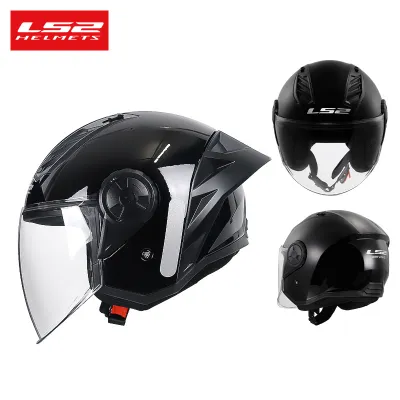
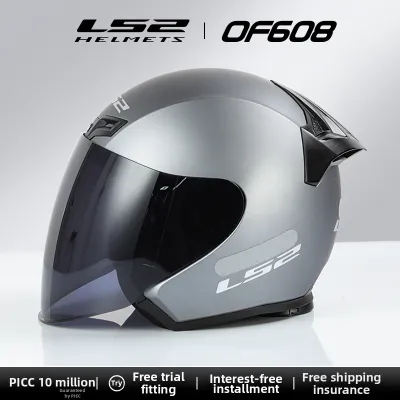
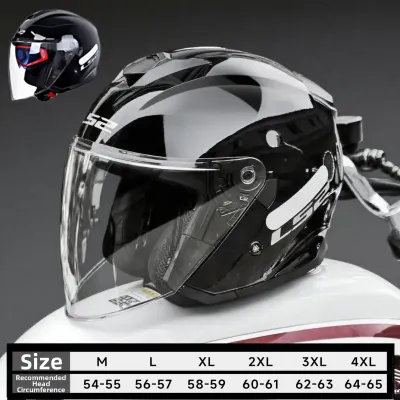
Prices are valid at publication and may change. Please refer to the product page for the latest price.
Understanding the trade-offs in helmet pricing is key to managing your expectations. Higher-priced tiers generally offer lighter, more advanced shell materials that reduce neck fatigue, whereas lower-priced tiers rely on heavier, standard thermoplastics. If you have a strict budget limit, prioritize structural safety and certified protection over aesthetic upgrades, such as limited-edition graphics or brand collaborations, which often increase the price without adding functional safety value.
Entry-Level LS2 Half-Face Helmets: Core Features and Trade-Offs
Entry-level LS2 half head helmet options are designed for budget-conscious riders and daily city commuters who need reliable protection without premium frills. At this price point, the helmet shell is typically constructed from High-Pressure Thermoplastic Technology (HPTT) or standard ABS thermoplastics. While these materials are highly durable and capable of dispersing impact energy effectively, they tend to be heavier than composite alternatives. This extra weight may not be highly noticeable during short city trips, but it can contribute to neck strain during prolonged riding sessions.

Despite their accessible pricing, entry-level models still provide essential features for daily utility. You can expect standard clear visors that offer a wide field of view, basic top and rear ventilation ports to manage heat, and fully removable, washable interior liners. These liners are crucial in the humid Philippine climate, as they allow you to wash away sweat and prevent odor buildup.
When inspecting an entry-level helmet, pay close attention to the visor specifications printed on the packaging or the protective film. Verify that the visor offers scratch-resistant properties and UV protection. In tropical conditions, UV protection helps shield your eyes from intense sunlight, while scratch resistance ensures that road debris does not easily compromise your visibility over time.
Riders choosing an entry-level model should be prepared for certain trade-offs, particularly regarding wind noise and aerodynamics. At highway speeds, basic shell shapes and simpler visor seals can lead to increased wind whistle and turbulence inside the helmet. To mitigate these issues during your daily commute, ensure the visor is fully closed and locked into position, and consider using high-quality earplugs designed for riding to protect your hearing.
Mid-Range LS2 Options: Evaluating Comfort and Functional Upgrades
Stepping up to the mid-range tier of LS2 half-face helmets introduces significant upgrades in both material technology and rider comfort. Helmets in this category often utilize Kinetic Polymer Alloy (KPA), a proprietary blend of polycarbonate, space-age thermoplastics, and other materials formulated by the manufacturer. KPA offers a lighter overall weight compared to standard thermoplastics while maintaining excellent flexibility and energy absorption properties. The shell shapes are also more aerodynamically profiled, which helps reduce drag and neck strain when riding at higher speeds on bypass roads or expressways.
Interior comfort receives a substantial boost in the mid-range tier. The liners are typically crafted from advanced moisture-wicking, breathable, and hypoallergenic fabrics. These materials actively draw sweat away from your skin, accelerating evaporation to keep you cool in heavy traffic. Additionally, mid-range models often feature laser-cut foam cheek pads that conform more precisely to the contours of your face, reducing pressure points and providing a more secure fit.
Functionality is another area where mid-range helmets excel. One of the most valued upgrades at this level is the integrated, drop-down inner sun shield, often operated by a slider on the side of the helmet. This dual-visor system allows you to adapt instantly to changing light conditions, such as transitioning from bright afternoon sun to shaded mountain passes or tunnels, without needing to swap visors. Many mid-range visors are also Pinlock-ready, featuring built-in pins to accept anti-fog insert lenses.
To determine if a mid-range LS2 helmet is worth the extra investment, evaluate your typical riding habits. If your daily commute exceeds thirty minutes, or if you frequently ride during the hottest hours of the day, the improved ventilation, lighter weight, and dual-visor convenience of a mid-range model will directly translate to reduced fatigue and safer, more focused riding.
Premium LS2 Half-Face Helmets: Advanced Materials and Touring Specs
For long-distance touring enthusiasts and riders who demand the highest specifications, premium LS2 half-face helmets offer cutting-edge materials and specialized features. At the top of this tier, shells are constructed from advanced materials such as High-Performance Fiberglass Composite (HPFC) or pure carbon fiber. These materials represent the pinnacle of helmet engineering, offering exceptional structural rigidity and impact dispersion while significantly reducing the helmet’s overall weight. A lighter helmet drastically reduces physical fatigue on multi-hour rides, allowing you to stay alert and comfortable.
Premium models are equipped with advanced comfort and convenience features designed for seamless integration with modern riding technology. Many high-end LS2 helmets feature dedicated cutouts and routing channels for Bluetooth communication systems, allowing speakers and wiring to sit flush without pressing against your ears. You will also find safety-focused additions like emergency release cheek pads, which allow medical personnel to safely remove the helmet in the event of an accident, and premium, plush interior textiles that maintain their shape and cushioning over years of use.
Visor technology in premium helmets is engineered to meet strict optical standards. These visors are designed to eliminate distortion across your entire field of view, reducing eye strain during long journeys. They often feature advanced quick-release mechanisms that allow you to swap visors in seconds without tools, as well as premium anti-fog coatings or included high-grade Pinlock inserts.
Before investing in a premium LS2 half-face helmet, carefully assess your actual riding needs. If you primarily use your motorcycle for short, low-speed trips to the local market, the advanced touring specifications and carbon fiber construction may exceed your practical requirements. However, if you frequently embark on long-distance weekend tours, ride high-displacement motorcycles, or prioritize the absolute lightest weight possible, the premium tier provides clear, long-term value that justifies the higher initial cost.
Final Pre-Purchase Checks: Authenticity, Fit, and Total Costs
Before finalizing your purchase of an LS2 half head helmet, conducting a thorough physical inspection is essential to ensure you are receiving a genuine, safe product. The market contains counterfeit helmets that mimic the appearance of reputable brands but lack real protective capabilities. Always check for authentic, tamper-evident ICC or PS stickers on the rear of the shell. Genuine LS2 helmets also feature clear manufacturing date stamps, high-quality brand decals under the protective clear coat, and holographic security tags on the packaging or user manual.
Achieving a proper fit is just as critical as the helmet’s structural integrity. A helmet that is too loose can shift or fly off during an impact, while one that is too tight will cause painful pressure points. To check the fit, place the helmet on your head and fasten the chin strap securely. The helmet should sit level on your brow, and the crown area should feel snug without pinching. When you shake your head from side to side, your cheeks should move with the helmet’s interior pads without the shell sliding independently. Finally, close the visor completely to verify that the rubber gasket seals tightly against the visor surface, preventing wind and water from leaking inside.
When purchasing online through an ecommerce platform, be mindful of the total cost of ownership. The listed price of the helmet may not include additional expenses such as shipping fees, local delivery surcharges, or potential import duties. Always calculate the final checkout total in ₱, and factor in the cost of any immediate replacement parts you might need, such as a tinted visor or spare cheek pads.
Lastly, review the seller’s return, exchange, and warranty policies before making your payment. Because helmet fit is highly personal and depends on your specific head shape, ensure the seller allows exchanges for different sizes if the helmet does not fit perfectly upon delivery. Verify that the product is covered by an official manufacturer warranty against material and manufacturing defects, and keep your official receipt safe to facilitate any future claims.
Frequently Asked Questions (FAQ)
How do I clean and maintain the interior liner of my LS2 helmet?
To clean your LS2 helmet’s interior, start by carefully unbuttoning the removable cheek pads and the main crown liner from their snaps inside the shell. Avoid pulling forcefully on the fabric to prevent tearing the seams or damaging the plastic mounting clips. Once removed, hand-wash the liners in lukewarm water using a mild, non-abrasive detergent or baby shampoo. Gently squeeze the soapy water through the foam, avoiding wringing or twisting the pads, which can deform their shape. Rinse the liners thoroughly with clean water, press out the excess moisture with a clean towel, and allow them to air-dry completely in a shaded, well-ventilated area away from direct sunlight or heat sources. If the interior pads have lost their cushioning or fail to return to their original shape after drying, stop using them and consult the manufacturer’s guidelines to purchase official replacement pads.
Can I install a Bluetooth communication system in any LS2 half-face helmet?
Most modern LS2 half-face helmets are designed to accommodate aftermarket Bluetooth communication systems, but compatibility depends on the specific model’s interior design. Before purchasing a communication device, remove the cheek pads and inspect the EPS foam liner for dedicated, recessed speaker pockets and molded channels for routing wires. If these pockets are present, installing speakers is straightforward and will not press uncomfortably against your ears. For mounting the external receiver unit, open-face helmets typically require a clamp mount or an adhesive mount on the side of the shell. Because the open-face design exposes the microphone to more wind than a full-face helmet, you will need to use a flexible boom microphone with a high-density foam windscreen. Always check the communication system manufacturer’s specifications and installation instructions to ensure compatibility with open-face shell profiles before making a purchase.

Community discussion
Share your experience or ask a question. Comments are reviewed before publication.