
Choosing the right car phone holder is not about finding a universally superior product, but about matching the mounting mechanism to your vehicle’s interior layout, your phone’s physical characteristics, and your daily driving environment. In tropical climates like the Philippines, where intense cabin heat, high humidity, and uneven road surfaces are common, this choice directly impacts both device safety and driving comfort. The three primary options—magnetic, air vent, and suction cup mounts—each offer distinct advantages in terms of accessibility, stability, and installation flexibility. By understanding how these systems interact with your dashboard, windshield, and phone, you can select a mount that keeps your device secure and your line of sight clear.
Selecting an inappropriate mount can lead to distracting vibrations, damaged air vents, or a phone that repeatedly falls while you are navigating busy streets. While basic models on online marketplaces can start as low as ₱300, premium mounts with robust clamping mechanisms or integrated charging features can range from ₱800 to ₱2,000. Investing a few moments to analyze your vehicle’s specific layout before purchasing will save you from the frustration of a mount that fails to adhere or blocks vital controls.
How the Three Mounting Mechanisms Work
To make an informed choice, it is essential to understand the physical forces and structural requirements that keep each holder type in place. A magnetic car phone holder relies on a direct magnetic connection between powerful neodymium magnets housed inside the mount head and a thin, high-carbon steel plate attached to your phone. This plate can be adhered directly to the back of the device, placed between the phone and its case, or integrated directly into a compatible phone case. The strength of this connection is highly dependent on the distance between the magnet and the metal plate, meaning thick or heavily textured cases can significantly weaken the hold.
Products mentioned in this guide
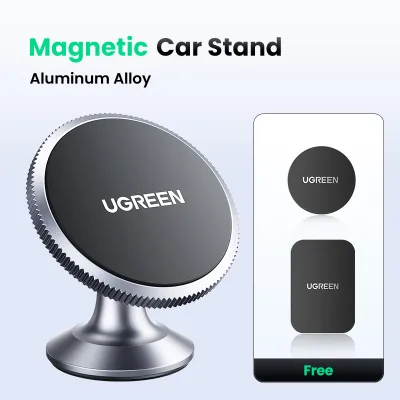
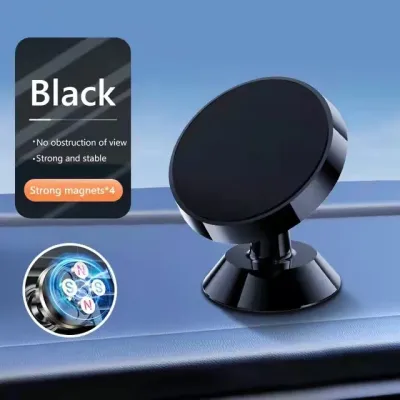
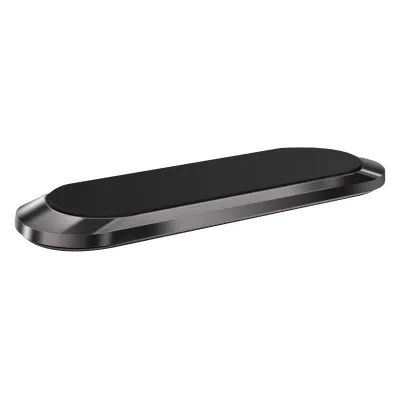
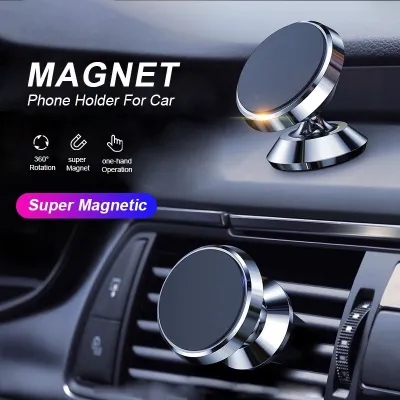
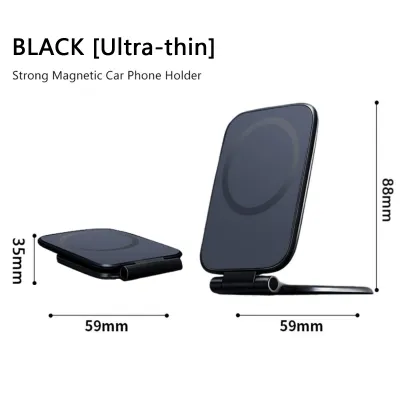
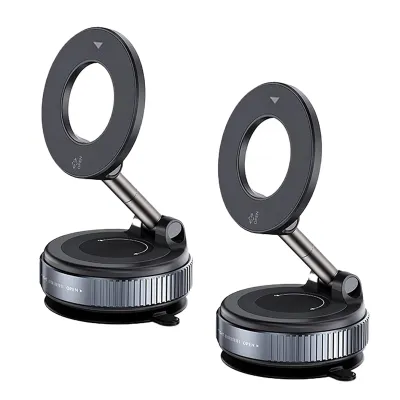
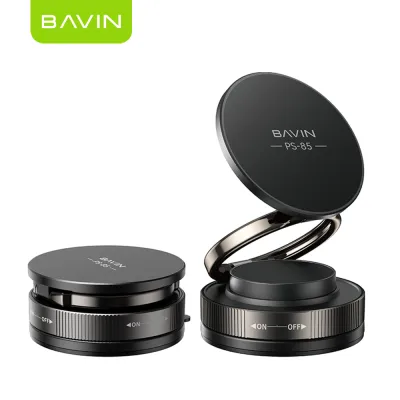
Prices are valid at publication and may change. Please refer to the product page for the latest price.
Air vent mounts bypass the need for adhesives or suction by securing directly to the plastic slats, or louvers, of your vehicle’s air conditioning vents. These mounts typically use one of two mechanisms: a spring-loaded rubberized clip that pinches the vent blade, or a mechanical hook that extends behind the blade and tightens via a threaded collar. Because they rely on the structural integrity of the vent assembly, they require straight, rigid, and standard horizontal or vertical blades to function correctly. Curved, circular, or highly flexible vent designs generally cannot support the weight of a modern smartphone.
Suction cup mounts utilize atmospheric pressure to create a powerful vacuum seal against a flat surface, such as the windshield glass or a smooth section of the dashboard. Most modern suction mounts feature a flexible polyurethane or silicone cup combined with a mechanical lever that pulls the center of the cup upward, expelling air and creating a low-pressure pocket. To improve adhesion on slightly textured dashboard plastics, many manufacturers apply a sticky, reusable polyurethane gel pad to the rim of the suction cup. This gel fills microscopic gaps in the surface, though it still requires a clean, non-porous foundation to maintain a reliable seal over time.
Comparing Stability, Space, and Device Compatibility
Each mounting style handles road vibrations, cabin space, and device physical dimensions differently. The table below outlines how these three types compare across key operational categories to help you visualize their practical trade-offs.

| Feature | Magnetic Mounts | Air Vent Mounts | Suction Cup Mounts |
|---|---|---|---|
| Vibration Resistance | High (if metal plate is directly exposed to magnet) | Moderate (dependent on vent blade rigidity) | High on glass; Moderate to Low on textured dashboards |
| Dashboard Footprint | Minimal; occupies very little visual or physical space | Low; sits flush against the air conditioning vent | High; requires a large flat surface and has a longer arm |
| Maximum Weight Capacity | Dependent on magnet rating and case thickness | Limited by the strength of the plastic vent blades | High (when mounted on clean, non-porous glass) |
| Line-of-Sight Obstruction | Extremely low; can be positioned away from the windshield | None; keeps the entire windshield area completely clear | Moderate to High; can block portions of the road if poorly placed |
| Case Compatibility | Limited; requires a thin case or an exterior metal plate | Universal; adjustable mechanical arms fit almost any case | Universal; adjustable mechanical arms fit almost any case |
Line-of-sight obstruction is a critical safety and legal consideration for drivers. In the Philippines, local road safety regulations, such as the Anti-Distracted Driving Act, strictly govern where devices can be placed relative to the driver’s field of view. Mounting a large suction cup directly in the center of the windshield can obstruct your view of pedestrians and oncoming traffic, potentially violating local safety standards. Air vent mounts naturally sit lower on the dashboard, keeping the windshield completely clear, while compact magnetic mounts can often be positioned on small, flat trim pieces that do not interfere with your forward vision.
Device size and case thickness also dictate which mount will perform reliably. Heavy, large-screen smartphones or those equipped with rugged, multi-layered protective cases can easily overwhelm a weak magnetic car phone holder or cause an air vent clip to sag downward. If you prefer a thick, drop-proof case, a mechanical clamping mount—whether attached via a suction cup or a heavy-duty vent hook—is generally more reliable because it physically cradles the outer edges of the device rather than relying on magnetic attraction through thick plastic layers.
Pros, Cons, and Ideal Use Cases
Magnetic car phone holders are highly favored for their convenience and minimalist design. The primary advantage is the ability to mount or remove your phone instantly with one hand, requiring no manual adjustment of side clamps or bottom feet. However, the necessity of a metal plate introduces several drawbacks. If you use wireless charging standards, a misplaced metal plate can block the induction coils, causing the charger to fail or, worse, causing the metal plate to heat up rapidly during charging. Additionally, some users find the aesthetic of an adhesive metal plate on the back of their phone or case undesirable.
Air vent mounts excel at keeping your phone within easy reach while utilizing space that is already vacant. In hot tropical climates, placing your phone directly in front of an active air conditioning vent provides an excellent cooling effect, preventing the device from overheating while running demanding GPS navigation and music streaming apps simultaneously. Conversely, during cooler rainy seasons or if you use the vehicle’s heater, directing hot air onto the phone can cause it to overheat quickly. Furthermore, blocking a major vent reduces cabin airflow, and the constant weight and leverage of a heavy phone can eventually fatigue or snap fragile plastic vent louvers, leading to costly dashboard repairs.
Suction cup mounts offer the greatest placement flexibility, allowing you to position the phone precisely where you need it using adjustable telescopic arms and rotating ball joints. They are highly effective on windshield glass, providing a rock-solid anchor point that is immune to dashboard texture issues. The main disadvantage of suction mounts is their vulnerability to extreme cabin heat. Prolonged exposure to direct sunlight can degrade the suction cup’s flexible material, dry out the adhesive gel, and cause the vacuum seal to fail unexpectedly while driving. Additionally, removing a sticky gel pad after months of exposure to heat can leave a stubborn residue or, in some cases, permanently discolor or warp soft-touch dashboard plastics.
Decision Framework: Which Holder Fits Your Driving Needs?
To determine the most appropriate mount for your daily commute, you can evaluate your specific vehicle layout and phone setup against the following condition-based guidelines:
- Choose a magnetic mount if: You prioritize rapid, one-handed mounting, prefer a clean and unobtrusive dashboard aesthetic, and use a slim phone case or a device with built-in magnetic alignment features that do not interfere with your wireless charging habits.
- Choose an air vent mount if: Your dashboard lacks flat, smooth surfaces for suction cups, you want to keep your windshield completely unobstructed to comply with local road safety laws, and your vehicle features sturdy, traditional horizontal vent slats that can easily support the weight of your device.
- Choose a suction cup mount if: You require highly adjustable viewing angles, have a large or heavy phone with a thick protective case, and possess a smooth, non-porous dashboard surface or prefer to mount the device directly to the windshield glass.
Before making a final purchase, take a close look at your vehicle’s interior materials. If your dashboard is wrapped in genuine leather, soft-touch synthetic vinyl, or features a highly textured, porous grain, a suction cup mount with an adhesive gel pad should generally be avoided to prevent surface damage. Similarly, if your car has circular vents, motorized vent slats, or very thin plastic blades, an air vent mount is highly likely to cause physical damage or fail to hold securely, making a dashboard-mounted magnetic or suction option the safer path.
Pre-Purchase Safety and Installation Checks
Before installing any phone holder, performing a few quick physical checks can prevent damage to your vehicle’s interior and ensure your device remains secure on the road. First, if you are opting for an air vent mount, gently press on your vent blades with your finger to assess their rigidity. If the blades bend easily or feel brittle, they may not support a heavy smartphone, especially when subjected to the upward and downward forces of driving over speed bumps or uneven pavement. Ensure the mounting clip features a rubberized coating to prevent scratching the plastic finish of your vents.
Second, verify your dashboard’s material compatibility if you plan to use a suction cup. Consult your vehicle owner’s manual or contact the manufacturer to confirm if the dashboard trim is sensitive to adhesives or vacuum pressure. If you decide to mount a suction cup on the windshield, inspect the glass for any aftermarket tinting films. Applying a high-tack suction cup directly onto a tinted surface can cause the film to bubble, stretch, or peel away when you attempt to remove or reposition the mount.
Third, if you select a magnetic car phone holder, check your phone manufacturer’s specifications regarding magnetic proximity. While modern solid-state storage and screens are safe from magnetic fields, some devices feature sensitive internal compasses or optical image stabilization (OIS) systems in their cameras that can experience temporary calibration issues if a powerful magnet is placed directly over them. To prevent this, ensure the metal plate is installed precisely according to the mount manufacturer’s instructions, typically centered on the lower third of the phone, well away from the camera module and wireless charging coils.
Finally, always consult your vehicle owner’s manual to identify the exact deployment zones for all cabin airbags, including steering wheel, passenger dashboard, and side-curtain airbags. Never mount a phone holder, run charging cables, or position your device within or directly adjacent to these deployment paths. In the event of a collision, an airbag deploying behind a mounted phone can turn the device into a dangerous high-velocity projectile inside the cabin, posing a severe safety risk to you and your passengers.
Frequently Asked Questions (FAQ)
Will a magnetic car phone holder damage my phone's internal components?
No, standard magnetic car phone holders will not damage the internal solid-state storage, processor, or screen of a modern smartphone. Modern mobile devices do not rely on magnetic hard drives or cathode-ray tube displays, which were historically vulnerable to magnetic fields. However, extremely strong magnets can occasionally cause temporary interference with your phone’s internal digital compass, GPS calibration, or optical image stabilization (OIS) systems in the camera. To minimize this risk, always follow the manufacturer’s instructions for plate placement, and verify your phone manufacturer’s guidelines regarding magnetic accessories.
How do I remove suction cup residue from my dashboard?
To safely remove sticky residue left behind by a suction cup’s polyurethane gel pad, start by wiping the area gently with a clean microfiber cloth dampened with warm, soapy water. Use a mild, pH-neutral dish soap or a dedicated automotive interior detailer that is explicitly labeled as safe for your specific dashboard material, whether it is plastic, vinyl, or synthetic leather. Avoid using harsh household solvents like acetone, isopropyl alcohol, or abrasive scrubbing pads, as these can permanently strip the dashboard’s protective UV coating, cause discoloration, or dry out the material, leading to premature cracking.

Community discussion
Share your experience or ask a question. Comments are reviewed before publication.