
Choosing the best car phone mount in the Philippines is not about finding a single, universally perfect product. Instead, the ideal choice depends on your vehicle’s interior layout, your phone’s weight, and how much you value quick access during your daily commute.
To make the right choice, you can use a simple, condition-based decision framework:
- Choose magnetic mounts (using a magnet plate) if you prioritize instant, one-handed attachment, want a clean dashboard profile, and do not rely on wireless charging.
- Choose vent clips if you want your phone kept cool by the air conditioning during long, hot drives and prefer it mounted near eye level, provided your car has sturdy horizontal vent louvers.
- Choose suction cups if you need flexible placement on the windshield or a smooth dashboard, especially if you carry a heavy phone or use a tablet for navigation.
Ultimately, the “best” hold is highly subjective. It depends entirely on your vehicle’s interior materials, the design of your air vents, and the weight of your device. Understanding how these mounting styles perform under local driving conditions will help you avoid buying a mount that drops your phone mid-drive.
Products mentioned in this guide



Prices are valid at publication and may change. Please refer to the product page for the latest price.
How Magnetic, Vent, and Suction Mounts Actually Work
Every phone mount relies on a specific physical mechanism to secure your device and attach itself to your car’s interior. Understanding these principles helps you evaluate which system is compatible with your vehicle.
Magnetic Mounts (Using a Magnet Plate)
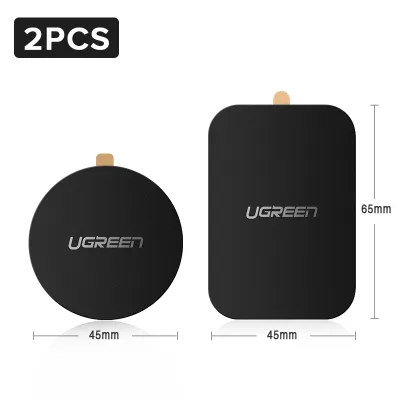
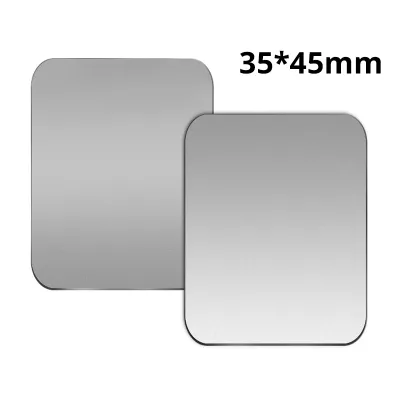
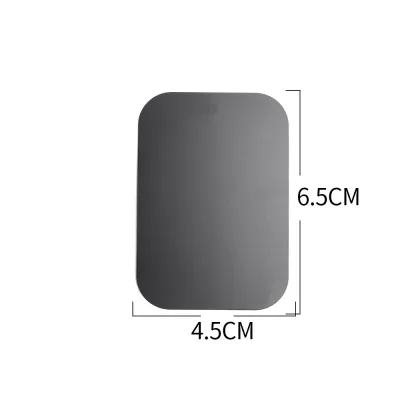
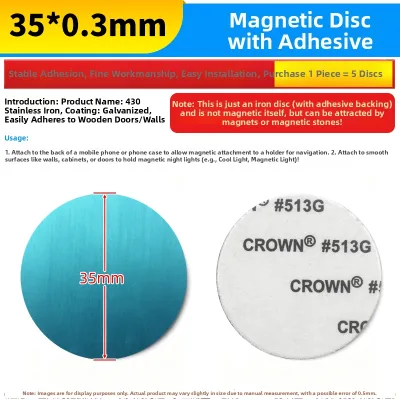
Magnetic mounting systems rely on a two-part connection. The first part is a high-strength magnetic base that clips or sticks to your dashboard. The second part is a thin, metallic sheet known as a magnet plate, which you attach to the back of your phone or slide inside your phone case.
The security of this hold depends on two distinct bonds: the physical adhesive holding the magnet plate to your device, and the magnetic pull between the plate and the mount’s base. High-quality magnetic mounts use neodymium magnets, which generate a strong magnetic field capable of holding heavy devices through thick protective cases.
Vent Clip Mounts
Vent clip mounts use a mechanical clamping or hooking mechanism to grip your car’s air conditioning vent louvers. Some basic models use spring-loaded, rubber-coated jaws that squeeze onto a vent blade, while more robust designs utilize a mechanical hook that wraps around the back of the blade and tightens via a screw dial.
Because these mounts rely entirely on physical clamping, their stability is directly tied to the strength and shape of your car’s plastic vent fins. They require no adhesives or suction cups, making them highly portable and easy to transfer between different vehicles.
Suction Cup Mounts
Suction cup mounts rely on atmospheric pressure to create a tight vacuum seal against a flat, non-porous surface. When you press the flexible polyurethane or silicone cup against your windshield or dashboard and engage the locking lever, the center of the cup is pulled upward, creating a low-pressure vacuum pocket inside.
To improve performance on textured surfaces, many modern suction mounts combine this vacuum mechanism with a sticky polyurethane gel pad. This gel fills microscopic gaps in textured dashboard plastics, while some manufacturers include a separate, semi-permanent adhesive dashboard disk to provide a perfectly smooth surface for the suction cup to grip.
Hold Strength and Stability on Philippine Roads
Driving in the Philippines presents unique challenges for car accessories. Intense tropical heat, high humidity, and demanding road conditions—ranging from concrete expansion joints on elevated highways to deep potholes on provincial roads—will test the limits of any mounting system.

Suction Cups in Heat
Direct sunlight hitting your windshield can easily heat the glass to temperatures exceeding 60°C. This extreme heat causes the air trapped inside the suction cup’s vacuum pocket to expand, while simultaneously softening the sticky gel pad.
As the gel softens and the internal pressure rises, the vacuum seal can fail without warning, causing your mount and phone to crash onto the console. To prevent this, you must thoroughly clean the mounting surface with isopropyl alcohol, allow it to dry completely, apply the suction cup when the glass is cool, and fully engage the locking lever.
Vent Clips on Bumpy Roads
While vent clips are immune to windshield heat failures, they are highly vulnerable to physical road vibrations. Bouncing over speed bumps or driving on uneven asphalt puts severe mechanical stress on your AC vent louvers.
Heavy smartphones create a leverage effect on thin plastic fins, and sudden road jolts can easily crack or snap these fragile components. Before purchasing a vent clip, you must inspect your vehicle’s vent design; traditional, thick horizontal slats handle clips reasonably well, whereas circular, vertical, or highly stylized diagonal vents often fail to support the weight or allow the clip to slide off entirely.
Magnetic Mounts and Adhesive Failure
While high-quality neodymium magnets do not lose their magnetic properties in tropical temperatures, the adhesive backing on the magnet plate is highly vulnerable to heat. Prolonged exposure to cabin heat can soften the acrylic adhesive tape commonly used to secure the plate to your phone or case.
Under the weight of a heavy phone, a softened adhesive can allow the magnet plate to slide off the device, causing the phone to fall while leaving the plate stuck to the mount. To prevent this, clean the application surface thoroughly with alcohol, press the plate firmly in place for at least 30 seconds, and allow the adhesive to cure for a full 24 hours before subjecting it to the magnetic pull of the mount.
Verification Step
Before relying on any new mount in active traffic, perform a stationary safety check. With your vehicle safely parked, mount your phone and gently tap the sides of the device to simulate road bumps. If the phone wobbles, slips, or sags, readjust the mounting position or tighten the clamps before starting your journey.
Daily Convenience, Visibility, and Airflow
Beyond sheer hold strength, your choice of phone mount directly impacts your daily driving comfort, your physical field of view, and the climate inside your vehicle.
Magnetic Mounts
In terms of daily convenience, magnetic mounts are unmatched. They allow for instant, one-handed attachment and detachment, letting you grab your phone or snap it back into place in a fraction of a second without fumbling with mechanical arms or spring clamps.
Because the mount base itself is incredibly compact, it minimizes visual clutter on your dashboard. This low-profile design helps preserve the clean aesthetic of your car’s interior and ensures your dashboard remains unobstructed.
Vent Clips
One of the greatest advantages of a vent clip in a tropical climate is active thermal management. Running GPS navigation, streaming music, and charging a smartphone simultaneously generates significant internal heat, which can trigger thermal throttling, slow down your phone, or damage its battery.
Placing the phone directly in front of an active AC vent keeps the device cool and running at peak performance, even during long afternoon drives. However, the trade-off is that the mount and phone will block a significant portion of cold airflow to the cabin, and depending on your car’s layout, the vents may place the phone too low or too far from your natural line of sight.
Suction Cups
Suction cup mounts offer the highest level of adjustability, often featuring long telescoping arms and ball joints that allow you to position your phone precisely at eye level. This flexibility keeps your navigation maps directly in your line of sight, reducing the time your eyes spend off the road.
The primary drawback is physical bulk. Large suction arms can block a significant portion of your windshield view, potentially violating local road safety regulations regarding windshield obstructions, and they can physically interfere with dashboard controls or radio dials if mounted too low.
Phone Compatibility and Interior Protection
Every mounting style has potential drawbacks that can affect your smartphone’s functionality or cause long-term wear and tear to your vehicle’s interior.
Magnet Plate Interference
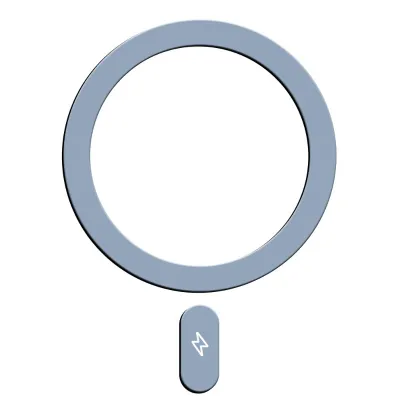
Attaching a steel magnet plate directly to the center of your phone’s back panel blocks the electromagnetic induction required for Qi or MagSafe wireless charging. If you attempt to charge your phone wirelessly with the plate attached, the plate can block the energy transfer and heat up rapidly, creating a potential safety hazard.
Additionally, a poorly placed plate can occasionally interfere with internal digital compasses, GPS calibration, or Near Field Communication (NFC) chips used for contactless payments. To avoid these issues, position the plate at the very bottom edge of your phone, or use a specialized phone case with built-in magnetic compatibility designed to bypass the wireless charging coil.
Vent Clip Damage
Over time, the constant vibration of a clamped phone holder can scratch the delicate plastic or metallic finish of your AC vent louvers. In older vehicles, where years of UV exposure have made the interior plastics brittle, the clamping force combined with road vibrations can cause the louvers to warp or break entirely.
To protect your interior, select vent clips that feature soft, thick silicone padding on the gripping surfaces, and avoid overtightening mechanical hooks that pull hard against the plastic slats.
Suction Cup Residue and Damage
Sticky gel suction cups and adhesive mounting disks can leave circular marks or sticky residue on your dashboard. Under intense UV rays and heat, the chemicals in the gel can react with soft-touch dashboard plastics, vinyl, or leather, leading to permanent discoloration, bubbling, or peeling of the surface material.
Always consult your vehicle owner’s manual regarding dashboard material care. To prevent irreversible damage to sensitive dashboard surfaces, consider mounting the suction cup directly to the glass windshield instead.
How to Choose the Right Mount for Your Car
To make your final decision, evaluate your specific driving habits, your phone’s features, and your vehicle’s layout against this checklist:
- Choose Magnetic if you want instant, one-handed mounting, use a slim and smooth phone case, and prefer a clean, minimalist dashboard layout without relying on wireless charging.
- Choose Vent Clip if your car has sturdy, traditional horizontal vent louvers, you want to keep your phone cool during long hot drives, and you do not mind losing a bit of direct AC airflow.
- Choose Suction Cup if you have a heavy phone or tablet, require precise eye-level positioning, have a smooth dashboard surface or prefer windshield mounting, and do not mind a slightly bulkier mount.
Verify First: Before purchasing, check your vehicle’s specific vent design, measure the texture of your dashboard, and verify your phone’s charging compatibility to ensure a safe, secure, and legally compliant setup.
Frequently Asked Questions (FAQ)
Will a magnet plate ruin my phone's internal components?
Modern smartphones utilize solid-state flash memory and are completely unaffected by the static magnetic fields generated by consumer phone mounts. However, the physical magnet plate can block wireless charging coils, disrupt MagSafe alignment, and temporarily interfere with compass calibration or NFC sensors if placed directly over those internal modules.
Can I use a suction cup mount on a textured dashboard?
Standard suction cups rely on an airtight seal and will quickly fail on textured, porous, or curved dashboard surfaces because air leaks into the vacuum chamber. To mount on a textured dash, you must use a specialized adhesive dashboard disk that provides a perfectly smooth surface, though you should first verify that your dashboard material can safely support strong adhesives without peeling or discoloring over time.

Community discussion
Share your experience or ask a question. Comments are reviewed before publication.