
Selecting the right engine oil is one of the most critical decisions you can make to ensure the longevity and performance of your vehicle’s engine. With options ranging from newer market entries like MG Redshift to established global brands like Shell, Castrol, and Motul, finding the right match can feel overwhelming. However, there is no single “best” fully synthetic oil that universally outperforms the rest for every vehicle. The ideal choice depends entirely on your car manufacturer’s specifications, your engine type, and your specific driving conditions.
In the Philippines, vehicles face unique environmental challenges, including intense tropical heat, high humidity, and severe stop-and-go traffic in major metropolitan areas. These conditions place immense thermal stress on your engine, making the choice of a high-quality fully synthetic oil highly beneficial. Rather than relying on brand popularity or marketing promises, you must evaluate these oils based on objective technical criteria. This guide establishes a practical framework to help you decode oil labels, compare these four prominent brands, and calculate the true cost of your vehicle’s lubrication maintenance.
Identify Your Engine's Exact Oil Requirements
Before you begin comparing MG Redshift, Shell, Castrol, or Motul, you must establish your vehicle’s baseline requirements. Your starting point should always be the vehicle owner’s manual. This document contains the precise specifications designated by the engineers who designed your engine. Using an oil that does not meet these exact standards can lead to accelerated engine wear, reduced fuel efficiency, or even void your manufacturer’s warranty.
Products mentioned in this guide
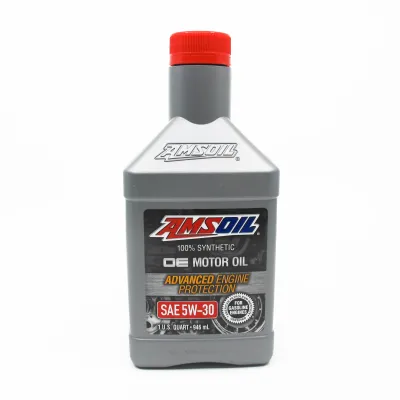
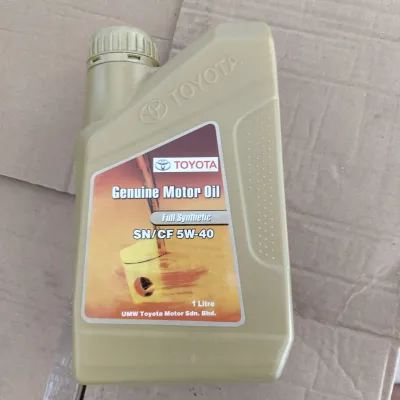
Prices are valid at publication and may change. Please refer to the product page for the latest price.
The first specification to locate is the viscosity grade, represented by an alphanumeric code such as 0W-20, 5W-30, or 10W-40. The number preceding the “W” (which stands for winter) indicates the oil’s flow rate at low temperatures, while the number following it indicates its viscosity at operating temperature. In a tropical climate like the Philippines, low-temperature startup flow remains important, but high-temperature stability is critical. Your manual may provide a chart showing acceptable viscosity ranges based on ambient temperatures, allowing you to select a slightly heavier oil if you regularly operate in extreme heat.
Beyond viscosity, you must identify the required industry certifications and OEM (Original Equipment Manufacturer) approvals. Look for standards set by organizations like the American Petroleum Institute (API) or the European Automobile Manufacturers’ Association (ACEA). For modern gasoline engines, you will often see requirements for API SP or API SN Plus, which are formulated to prevent low-speed pre-ignition (LSPI) in turbocharged engines. European vehicles frequently require specific ACEA sequences, such as ACEA C3 for diesel engines with particulate filters, or proprietary manufacturer approvals like VW 508.00/509.00, BMW Longlife-04, or Mercedes-Benz MB-Approval 229.51.
Finally, note your engine’s exact oil capacity, including the volume required when replacing the oil filter. Knowing whether your engine requires 3.5 liters, 4.0 liters, or more than 6.0 liters will directly influence your purchasing decisions. It helps you determine whether to buy a standard 4-liter jug, individual 1-liter bottles, or a combination of both to avoid running short during an oil change.
How to Compare MG Redshift, Shell, Castrol, and Motul
Once you have documented your vehicle’s requirements, you can objectively compare the offerings from MG Redshift, Shell, Castrol, and Motul. To do this effectively, you must look past the front label’s marketing terms and carefully read the technical specifications printed on the back of the bottle.

MG Redshift is a fully synthetic engine oil option that has gained attention, particularly among owners of MG vehicles and budget-conscious drivers looking for modern formulations. When evaluating MG Redshift, verify that the specific bottle matches your required viscosity and carries the necessary API or ACEA ratings. While it is designed to meet the demands of modern passenger cars, you must ensure that its back-label certifications explicitly align with your non-MG vehicle if you plan to use it in another brand. Check the product documentation to confirm if it holds the specific OEM approvals your car requires.
Shell offers a highly diverse range of fully synthetic oils, most notably under the Shell Helix Ultra family. Shell is widely recognized for its proprietary gas-to-liquid (GTL) technology, which refines base oil from natural gas rather than crude oil, resulting in a highly pure base fluid. When browsing Shell’s lineup, you will find specialized variants tailored for different engine types, such as Shell Helix Ultra ECT (Emission Compatible Technology) for modern diesel and gasoline engines with advanced exhaust aftertreatment systems. Ensure you select the specific Helix variant that matches your manual’s OEM approval codes.
Castrol is another global leader, with its premium fully synthetic line represented by Castrol EDGE. Castrol formulations often emphasize fluid titanium technology or advanced polymers designed to prevent oil film breakdown under extreme pressure. Castrol EDGE is available in numerous viscosity grades and specific formulations, including those designed for European specifications, high-mileage vehicles, or modern turbocharged gasoline direct-injection (TGDI) engines. Carefully cross-reference the specific Castrol EDGE bottle with your vehicle’s requirements, as different bottles of the same viscosity can carry entirely different OEM approvals.
Motul is highly regarded among automotive enthusiasts and performance-oriented drivers. Their fully synthetic offerings, such as the Motul 8100 series or the specialized H-Tech line, are known for utilizing high-quality synthetic base stocks, including ester-based formulations in their high-end lines. Motul excels at providing highly specific, manufacturer-approved oils that cater to precise European, Japanese, and American OEM standards. If your vehicle requires a niche specification that is difficult to find in mainstream retail outlets, Motul’s extensive catalog is highly likely to offer a compliant option.
When comparing these brands, always verify the “Fully Synthetic” claim. In many markets, oils formulated with highly refined Group III mineral base oils can legally be labeled as “fully synthetic.” True synthetic performance, however, relies on the additive package and the balance of base oils. Look for explicit listings of industry standards (like API SP or ACEA C3) and official OEM approval numbers on the back label. If a bottle states that it “meets the requirements of” a specification rather than being “officially approved by” the manufacturer, understand that this represents the oil brand’s internal testing rather than formal OEM certification.
Calculate the True Value and Maintenance Costs
Choosing the right fully synthetic oil is not just about the initial purchase price of the bottle; it requires calculating the true cost of ownership over your vehicle’s service interval. Fully synthetic oils generally command a premium over semi-synthetic or mineral oils, but they offer extended drain intervals and superior engine protection that can offset the higher upfront cost.
To calculate the true value, start by comparing the price per liter in ₱ across different packaging sizes. Purchasing a 4-liter jug is almost always more economical than buying four individual 1-liter bottles. If your engine requires 4.5 liters of oil, the most cost-effective strategy is typically to purchase one 4-liter jug and one 1-liter bottle, saving the remaining half-liter for top-ups between service intervals. Avoid buying excess oil that will sit on your shelf for years, as opened containers can absorb moisture from the humid Philippine air over time.
Next, align your oil choice with your vehicle’s recommended drain interval. While fully synthetic oils are chemically capable of lasting 10,000 to 15,000 kilometers, you must follow the service schedule outlined in your owner’s manual to maintain your warranty and protect your engine. Crucially, pay attention to the manual’s definition of “severe driving conditions.” In the Philippines, factors such as frequent short trips under 8 kilometers, prolonged idling in heavy traffic, driving in dusty environments, and operating in ambient temperatures consistently above 32°C all classify your driving as severe. Under severe conditions, manufacturers typically recommend halving the drain interval (e.g., changing the oil every 5,000 kilometers or six months instead of every 10,000 kilometers).
Additionally, you must factor in the cost of a high-quality oil filter. Using a premium fully synthetic oil with a cheap, low-grade filter is a counterproductive practice. A standard paper filter may degrade or clog long before a fully synthetic oil loses its protective properties, leading to unfiltered oil bypassing the filter element and circulating through your engine. Budget for an OEM or high-quality synthetic-media filter that is rated to last the full duration of your synthetic oil’s service life. Finally, include the cost of professional labor if you do not perform the oil change yourself, as well as the proper disposal fees for the used oil and filter.
Decision Guide: Which Fully Synthetic Oil Fits Your Car?
To make your final decision, you must synthesize your vehicle’s requirements, your driving habits, and the practical availability of each brand. Use the following conditional framework to guide your purchase:
Choose MG Redshift if you own an MG vehicle or a modern passenger car where the oil’s specifications perfectly align with your owner’s manual. If MG Redshift is readily available at your local dealership or authorized service center and offers a highly competitive price per liter for your required viscosity, it represents a practical, cost-effective choice for routine maintenance.
Choose Shell or Castrol if you drive a mainstream Asian or European vehicle and require an oil that is exceptionally easy to find. Because Shell Helix Ultra and Castrol EDGE are distributed widely across the Philippines, you can easily purchase them at major service stations, auto supply shops, and official online brand stores. These brands offer a vast array of specific OEM approvals, making them highly reliable choices if you want to ensure strict compliance with your vehicle’s warranty requirements without searching specialized shops.
Choose Motul if you drive a high-performance vehicle, a European car with highly specific lubrication demands, or if you frequently subject your engine to demanding driving conditions such as towing or spirited driving. While Motul may carry a higher price per liter and require visiting specialized auto shops or authorized distributors, its advanced formulation and extensive list of official OEM approvals provide peace of mind for enthusiasts and owners of premium vehicles.
Before making any purchase, always verify your vehicle’s warranty status. If your car is still covered by a manufacturer’s warranty, you must use an oil that carries the exact, officially approved specification listed in your manual, and the service should ideally be documented by an authorized service center. Using an unapproved oil, even from a premium brand, can give the manufacturer grounds to deny a warranty claim in the event of an engine failure. If you are ever uncertain about compatibility, consult your vehicle’s authorized dealer or a qualified automotive professional before proceeding with an oil change.
Frequently Asked Questions (FAQ)
Can I mix MG Redshift with Shell, Castrol, or Motul?
In an emergency situation where your oil level is dangerously low, it is acceptable to top up your engine with a different brand of fully synthetic oil, provided it shares the exact same viscosity grade (e.g., 5W-30) and meets or exceeds the API/ACEA specifications required by your engine. However, mixing different brands is generally discouraged for long-term use. Each brand formulates its fully synthetic oil with a proprietary blend of additives, anti-wear agents, and detergents. Mixing brands can disrupt the chemical balance of these additive packages, potentially reducing the oil’s overall effectiveness and shortening its optimal service life. If you must mix brands to top up your engine, plan to perform a complete oil and filter change at your earliest convenience.
How do I verify the authenticity of fully synthetic oil in the Philippines?
The local automotive market has occasionally been affected by counterfeit engine oils, which can cause catastrophic engine damage due to inadequate lubrication and thermal breakdown. To ensure you are purchasing genuine fully synthetic oil, always buy from authorized physical dealerships, official brand service stations, or verified official flagship stores on reputable ecommerce platforms. When inspecting the bottle, check for intact security seals, tamper-evident caps, and high-quality label printing without alignment errors or spelling mistakes. Many premium brands like Shell and Motul include unique QR codes, holograms, or batch codes on the packaging that you can scan or verify on the manufacturer’s official website to confirm authenticity before pouring the oil into your engine.

Community discussion
Share your experience or ask a question. Comments are reviewed before publication.