
Choosing the right seat cover material for a Yamaha Mio i 125 in the Philippines requires balancing two extreme weather conditions: intense tropical heat and sudden, heavy downpours. There is no single material that excels perfectly in every category, so the best choice depends on your daily parking situation and riding habits. For riders who prioritize heat dissipation and airflow during hot midday commutes, a 3D mesh cover is highly effective, provided it is paired with a waterproof barrier underneath. Conversely, for those who frequently park in the open during the rainy season, high-quality synthetic leather or vinyl with sealed seams offers the most reliable water shedding, though it requires shade or a reflective cover to manage heat. Understanding the specific trade-offs of each material allows you to make an informed decision that protects your scooter’s seat foam and ensures a comfortable ride.
Understanding the Climate Challenges for Motorcycle Seats
The tropical climate of the Philippines presents unique challenges for motorcycle components, particularly the seat. During the dry season, ambient temperatures combined with direct solar radiation can cause the surface of a standard black seat to reach temperatures that are uncomfortable or even unsafe to sit on directly. This intense heat absorption not only causes immediate discomfort to the rider but also accelerates the degradation of the seat material itself. Over time, ultraviolet (UV) rays break down the chemical bonds in plasticizers used in standard vinyl covers, leading to hardening, loss of elasticity, and eventual cracking.
Once the material cracks, the seat becomes highly vulnerable during the wet season. Rainwater easily penetrates these cracks and saturates the underlying polyurethane foam. Because motorcycle seat foam acts like a sponge, it retains moisture long after the rain has stopped. When a rider sits on a saturated seat, the pressure squeezes the trapped water upward through the seams or cracks, resulting in wet clothing and a highly uncomfortable commute. Furthermore, prolonged moisture retention inside the foam creates an ideal environment for mold, mildew, and bacterial growth, which can permanently degrade the structural integrity of the seat foam and cause unpleasant odors.
Products mentioned in this guide
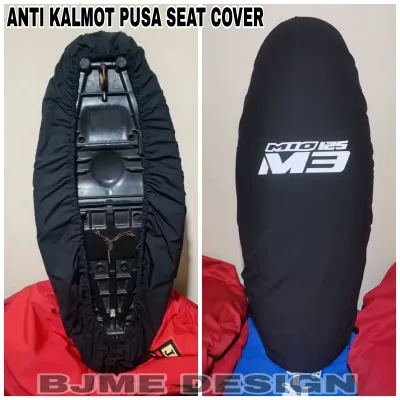
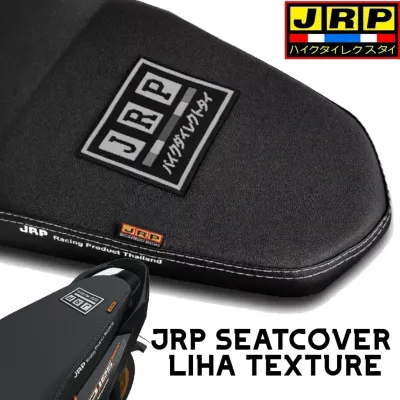
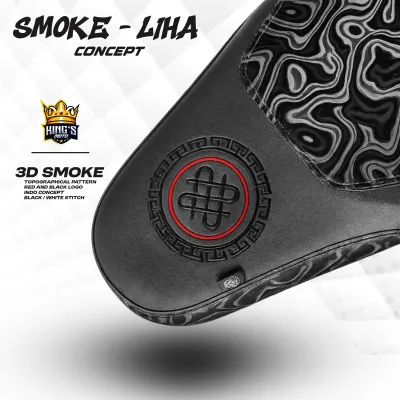
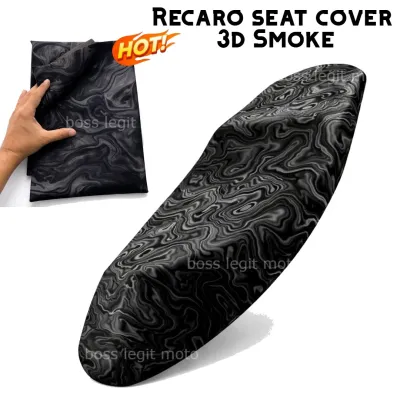
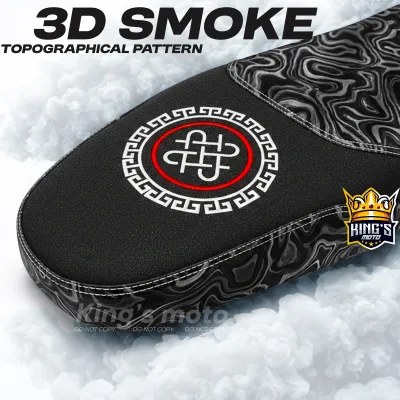
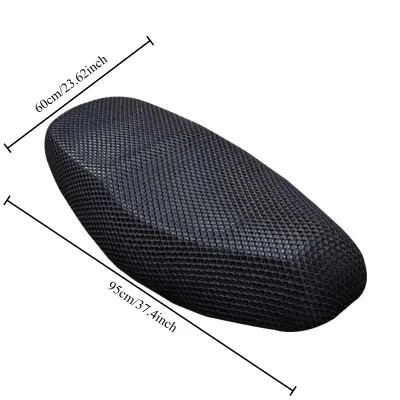
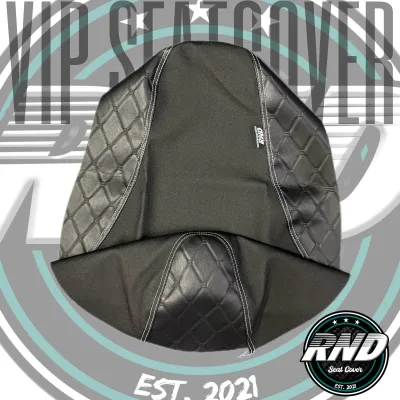
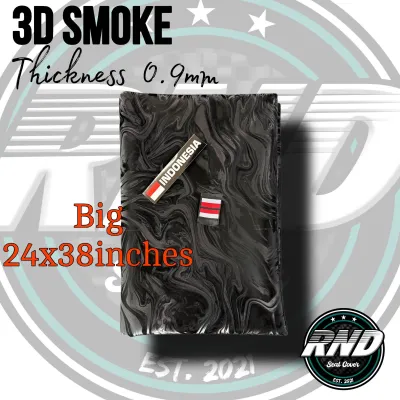
Prices are valid at publication and may change. Please refer to the product page for the latest price.
Key Material Properties to Check Before Buying
To select a seat cover that can withstand these climate pressures, you must look beyond aesthetic appeal and verify specific material properties on product labels or manufacturer specification sheets. First, evaluate the material’s thermal properties. Look for indicators of breathability or thermal reflection, such as open-weave designs or specialized coatings designed to deflect solar radiation. These features help prevent the seat from acting as a heat sink when parked in direct sunlight.

Second, examine the water resistance specifications. A truly effective wet-weather cover should feature hydrophobic coatings or a solid waterproof backing, such as polyurethane (PU) or polyvinyl chloride (PVC). However, the material itself is only part of the equation; you must also check the seam construction. Standard stitched seams contain thousands of tiny needle holes that allow water to seep through. Look for manufacturers that specify sealed, taped, or high-frequency welded seams, which block water entry at these critical failure points.
Third, verify the UV stabilization rating. High-quality seat covers often specify UV-resistant treatments or anti-fade properties. This ensures the material remains pliable and retains its color despite daily exposure to intense sunlight. Finally, do not overlook surface texture and grip. A wet seat cover can become incredibly slick, which compromises rider safety. Look for materials with embossed patterns, textured finishes, or non-slip ratings that maintain adequate friction between your riding gear and the seat, even during sudden stops in heavy rain.
Evaluating Common Seat Cover Materials
When shopping for a Mio i 125 seat cover, you will primarily encounter three material categories: synthetic leather/vinyl, 3D mesh, and heavy-duty canvas. Each category has distinct structural characteristics that dictate how it performs under different weather conditions.
Synthetic Leather and Vinyl
Synthetic leather and vinyl are the most common materials for scooter seats because they are inherently non-porous and highly effective at shedding water. When properly installed, a solid vinyl cover prevents rainwater from reaching the underlying foam, allowing you to simply wipe the seat dry after a downpour. However, standard vinyl is highly susceptible to heat retention. If left in the sun, it can quickly become hot enough to cause discomfort.
To mitigate these issues, look for premium marine-grade vinyl or synthetic leather that explicitly lists UV inhibitors in its specifications. These additives help the material resist cracking and fading under the tropical sun. Additionally, if you consider a perforated vinyl design for improved airflow, verify whether the manufacturer has integrated a waterproof membrane directly beneath the perforated layer. Without this secondary barrier, rainwater will pass directly through the perforations and saturate the seat foam.
3D Mesh and Breathable Fabrics
3D mesh seat covers have gained significant popularity in tropical regions due to their excellent heat management. These covers feature a multi-layered, open-loop polyester structure that creates a physical air gap between the rider and the seat surface. This gap allows air to circulate continuously while you ride, preventing heat buildup and allowing sweat to evaporate quickly. Even when parked in direct sunlight, 3D mesh does not retain heat the way solid vinyl does, making it much cooler to sit on immediately.
The primary trade-off of 3D mesh is its lack of water resistance. Because the material is highly porous, rainwater passes straight through the mesh. If installed directly over bare seat foam, a mesh cover will allow the foam to become completely saturated during a rainstorm. To use a 3D mesh cover safely in wet weather, you must verify that your Mio i 125 has a fully intact, waterproof stock cover underneath, or install a separate water-resistant barrier over the foam before fitting the mesh cover. Some manufacturers offer hybrid designs that feature a quick-drying mesh top layer paired with an integrated waterproof under-layer, which provides a balance of airflow and moisture protection.
Heavy-Duty Canvas and Nylon
Heavy-duty canvas and nylon materials offer a rugged, highly durable alternative for riders who use their Mio i 125 for daily utility, delivery work, or long-distance commuting. These materials are exceptionally resistant to tears, abrasions, and punctures, making them highly durable over years of heavy use. To determine their suitability for rainy weather, you must check the denier rating (such as 600D or higher), which indicates the density and strength of the fabric weave.
Canvas and nylon are not naturally waterproof, so you must verify that the material features a thick polyurethane (PU) or polyvinyl chloride (PVC) backing on the underside. This backing acts as a barrier that prevents water from penetrating the fabric and reaching the seat foam. While canvas does not get as hot as smooth vinyl, it can still absorb heat if it is a dark color and lacks thermal treatments. Look for canvas covers that specify thermal-lining backings or lighter color options to help manage surface temperatures during the dry season.
Fitment and Safety Considerations for the Mio i 125
Beyond material selection, proper fitment is critical to ensuring both the longevity of the seat cover and your safety on the road. The Yamaha Mio i 125 features a distinct seat contour that is relatively narrow at the front to allow riders to easily reach the ground, widening out toward the rear passenger section. Universal seat covers often fail to conform to this specific shape, resulting in loose material that can bunch up. These folds not only trap water and dirt but can also cause discomfort and chafing during long rides. Always verify that the product is specifically patterned for the Mio i 125 seat dimensions.
Rider stability is another vital safety factor. A seat cover that is too slippery can cause you to slide forward during sudden braking, shifting your center of gravity and potentially compromising your control over the scooter. This risk is amplified on wet roads. Ensure the material you choose provides sufficient grip under both wet and dry conditions.
Finally, verify that the installation of the seat cover does not interfere with the mechanical operation of the scooter. The cover must not obstruct the seat hinges, the locking latch, or the rubber sealing gasket that runs around the perimeter of the under-seat utility box. If the cover is too thick or poorly aligned, it may prevent the seat from latching securely, leaving your stored items vulnerable to theft or water intrusion during heavy rain. If you are installing a staple-on cover and are unsure of how to maintain proper tension without damaging the seat pan, consult a qualified motorcycle upholstery professional to ensure a safe and secure fit.
Daily Maintenance and Care in Wet and Sunny Conditions
Proper maintenance is essential to extend the lifespan of your Mio i 125 seat cover and preserve its protective qualities. When cleaning the cover, always refer to the manufacturer’s care label. Use only mild, pH-neutral soap and water. Avoid harsh chemical detergents, bleach, or abrasive scrubbing pads, as these can strip away hydrophobic coatings, degrade UV inhibitors, and weaken the stitching or welded seams.
If your seat cover becomes wet, wipe it down promptly with a clean, dry microfiber cloth to prevent water spots and minimize the chance of moisture seeping through the seams. For 3D mesh covers that have absorbed water, allow them to air dry completely in a shaded, well-ventilated area. Never use high-heat hair dryers or heat guns to speed up the drying process, and avoid leaving a saturated seat in direct, intense sunlight to dry. Rapid thermal changes and extreme heat can warp the plastic seat pan, degrade the underlying polyurethane foam, and cause synthetic materials to shrink or crack.
To protect your seat cover from the elements when the scooter is parked for extended periods, consider using a physical barrier. A high-quality, breathable, and reflective outdoor motorcycle cover shields the entire vehicle from direct UV radiation and heavy downpours. This simple step significantly reduces the thermal load on your seat cover and prevents water pooling, ensuring the materials remain pliable and effective for as long as possible.
Frequently Asked Questions (FAQ)
Can I use a standard indoor seat cover for outdoor parking in the rain?
No, standard indoor seat covers are typically designed only to protect the motorcycle from dust, dirt, and minor indoor abrasions. They are usually made from lightweight, highly porous fabrics that offer no water resistance. If used outdoors in the rain, these covers will quickly saturate, trapping moisture directly against your Mio i 125 seat. This trapped moisture accelerates the degradation of the seat foam and creates a breeding ground for mold and mildew. For outdoor parking, always use a dedicated waterproof or highly water-resistant outdoor cover.
Does a darker seat cover color significantly increase heat absorption?
Yes, basic thermal principles dictate that darker colors, especially black, absorb more visible light and convert it into heat, resulting in higher surface temperatures when parked in the sun. However, the material’s physical structure and specialized coatings play a more significant role in overall comfort. For example, a dark-colored 3D mesh cover that allows continuous airflow will feel much cooler to sit on than a lighter-colored, solid vinyl cover that traps heat and lacks breathability. When choosing a seat cover, prioritize material properties, thermal-reflective coatings, and ventilation over color alone.

Community discussion
Share your experience or ask a question. Comments are reviewed before publication.