
The correct engine oil viscosity for your Mitsubishi depends entirely on your specific model, engine type, and year of manufacture. There is no single universal grade for all Mitsubishi vehicles. To ensure proper engine protection and performance, you must verify the manufacturer’s exact specification in your owner’s manual. Understanding how viscosity grades like 5W-30 and 10W-40 work will help you make informed maintenance decisions and communicate effectively with your service provider.
How to Find the Exact Viscosity for Your Mitsubishi
Finding the precise oil viscosity for your vehicle starts with your Mitsubishi owner’s manual. Inside, the maintenance or specifications section contains a lubrication chart detailing the approved Society of Automotive Engineers (SAE) grades. This chart often maps out the recommended viscosities based on the typical temperature ranges your vehicle encounters.
Another quick reference point is located directly under the hood. Many Mitsubishi models feature the recommended oil viscosity stamped or printed directly onto the engine oil filler cap. This serves as an immediate visual guide during routine top-ups.
Products mentioned in this guide
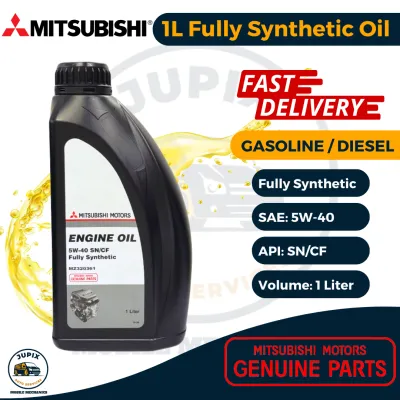
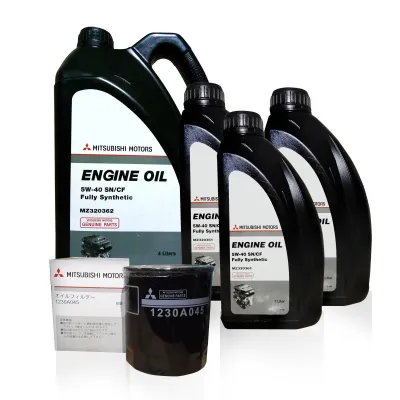
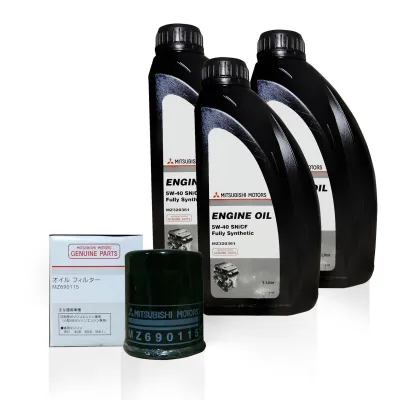
![Mitsubishi Fully Synthetic Engine Oil 5W-40 [3 Liters + Oil Filter MD135737 (C-415)] Oil Change for Mirage](https://img.lazcdn.com/g/p/71857896453c5dc5ce09e8b93905c96a.png_400x400q80.png_.webp)
![Mitsubishi 5W-40 Fully Synthetic Engine Oil [3 Liters + Oil Filter] Change Oil Package for Mirage](https://img.lazcdn.com/g/p/20c73b6b76339e51e102659e128fe46d.png_400x400q80.png_.webp)
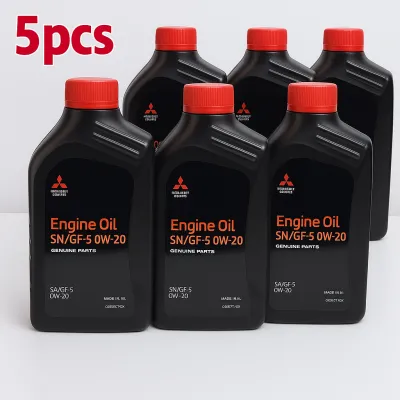
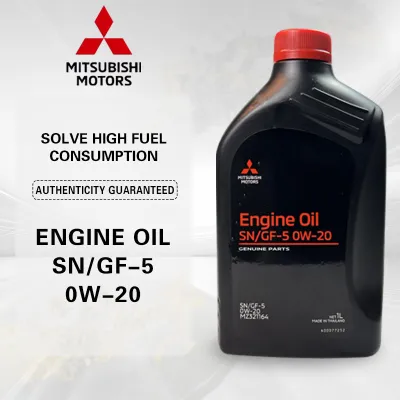
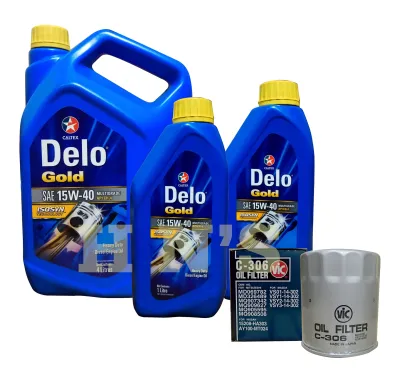
Prices are valid at publication and may change. Please refer to the product page for the latest price.
If your manual is missing or the markings on the cap have worn away, avoid guessing. You can contact an authorized Mitsubishi service center or dealership and provide your Vehicle Identification Number (VIN). The service team can look up the exact factory specifications to ensure you purchase the correct fluid.
Decoding Viscosity Grades: What the Numbers Mean
The alphanumeric codes on an oil bottle, such as 5W-30, represent the oil’s multi-grade viscosity rating. These multi-grade oils are formulated with special additives that allow them to flow effectively across a wide range of temperatures, unlike older single-grade oils that remained static.

The first number, followed by the letter “W,” stands for “Winter” or cold-temperature performance. A lower number before the “W” indicates that the oil remains more fluid at low temperatures, allowing it to pump quickly through the engine during a cold start to prevent metal-on-metal contact.
The second number represents the oil’s viscosity at the engine’s normal operating temperature, typically measured at 100 degrees Celsius. A higher second number means the oil maintains a thicker protective film under intense heat and heavy engine loads, which is crucial for protecting internal components when the engine is fully warmed up.
Comparing Common Grades: 0W-20, 5W-30, and 10W-40
Modern Mitsubishi passenger vehicles, especially newer models, frequently specify 0W-20 engine oil. This low-viscosity oil is designed to reduce internal friction, which helps maximize fuel efficiency while flowing rapidly through the tight internal tolerances of modern engines.
For a broad range of older and mid-generation Mitsubishi engines, 5W-30 serves as a highly versatile option. It offers a reliable balance, providing prompt lubrication during startup while maintaining a stable protective barrier under standard operating conditions.
In contrast, 10W-40 is a thicker oil often associated with older engine designs or vehicles operating under demanding conditions. While it provides a robust film of protection, its higher resistance to flow makes it less suitable for modern engines designed for thinner lubricants.
Always remember that these general profiles are engineering characteristics rather than universal rules. Your specific Mitsubishi engine was designed and tested with a particular viscosity in mind, meaning the manufacturer’s explicit recommendation must always take precedence over general grade descriptions.
Conditions That Might Require a Viscosity Adjustment
Operating conditions in tropical climates with sustained high ambient temperatures can influence how oil behaves inside your engine. While modern multi-grade oils are highly stable, prolonged exposure to extreme heat or heavy stop-and-go traffic in urban areas may prompt a discussion about your oil choice.
Similarly, high-mileage engines that have experienced natural wear over time may have slightly wider internal clearances between moving parts. In some cases, a qualified technician might suggest a slightly different viscosity to help maintain oil pressure and minimize consumption.
Vehicles frequently subjected to severe driving cycles, such as hauling heavy cargo or towing, also experience elevated engine temperatures. These demanding tasks place extra stress on the lubricating film, sometimes requiring specialized fluid considerations.
However, you should never deviate from the viscosity grades listed in your owner’s manual on your own. Using an incorrect viscosity can lead to inadequate lubrication, increased wear, or severe engine damage, so always consult an authorized Mitsubishi mechanic before making any changes.
Frequently Asked Questions (FAQ)
Can I mix 5W-30 and 10W-40 engine oils in an emergency?
In an absolute emergency where your oil level is dangerously low and no matching grade is available, mixing 5W-30 and 10W-40 is acceptable to prevent immediate engine seizure. However, doing so alters the oil’s intended flow characteristics and dilutes the specific additive packages. You should schedule a complete oil and filter change with the correct viscosity as soon as possible to restore proper protection.
Does using a thicker oil like 10W-40 provide better protection in hot climates?
Not necessarily. Modern Mitsubishi engines are engineered with precise internal clearances and advanced cooling systems optimized for specific, thinner oil grades. Using a thicker oil than recommended can restrict flow, delay critical lubrication during startup, and increase operating temperatures, regardless of the hot outdoor climate.
What are the symptoms of using the wrong oil viscosity?
Using an incorrect oil viscosity can manifest in several observable ways. You might notice decreased fuel economy due to increased internal resistance, or hear unusual ticking or tapping noises from the engine during startup. Other common signs include increased oil consumption, minor leaks around seals, or the illumination of the oil pressure warning light on your dashboard.

Community discussion
Share your experience or ask a question. Comments are reviewed before publication.