
Selecting a clutch conversion kit for your motorcycle requires careful verification of technical specifications to ensure proper fitment, reliable power transfer, and safe operation. Because the clutch is a critical safety and control component, installing an incompatible kit can lead to sudden clutch slippage, drag, or complete transmission lockup. Before purchasing any aftermarket kit, you must verify your vehicle’s exact model, year, and engine specifications against the manufacturer’s documentation. Because clutch installation directly impacts your control of the motorcycle, always consult your original vehicle service manual and consider having a qualified professional perform the installation. In tropical climates like the Philippines, where high humidity and intense stop-and-go traffic put extreme thermal stress on your transmission, choosing the correct specifications is vital to prevent premature wear and costly ₱10,000 transmission repairs.
Verifying Spline and Hub Compatibility
The physical connection between your motorcycle’s transmission shaft and the new clutch assembly is the first critical checkpoint. You must verify that the inner hub spline count, diameter, and pitch match your motorcycle’s transmission input shaft exactly. Even a minor discrepancy in spline dimensions will prevent the hub from sliding onto the shaft or, worse, cause catastrophic stripping of the splines under load. Refer to your motorcycle’s official service manual to confirm these dimensions before ordering.
Additionally, inspect your existing outer clutch basket for physical wear, such as grooving or notching on the basket fingers where the plate tabs sit. A new clutch conversion kit cannot function correctly if the plates get caught in pre-existing notches. Finally, check whether the kit is designed to reuse your stock primary drive gear or if it requires a specific gear included in the package, as mismatching these gears can damage your engine’s primary drive system.
Products mentioned in this guide
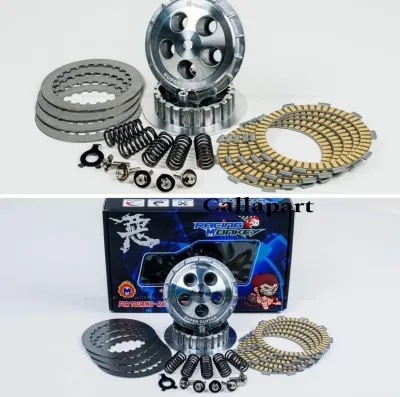
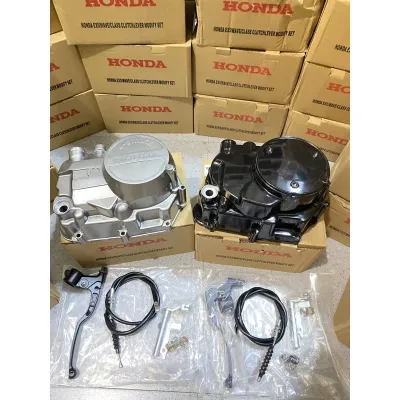
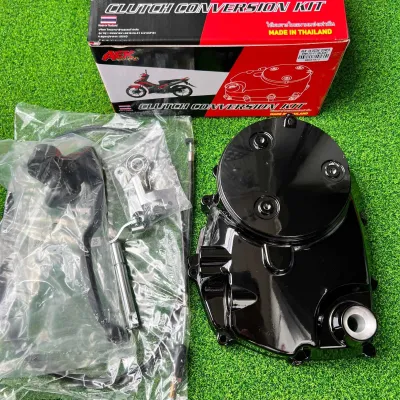
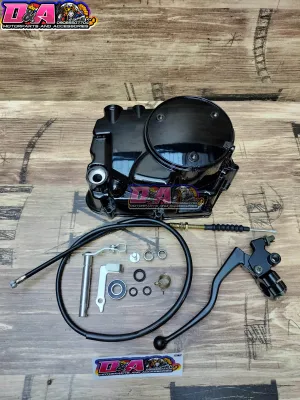
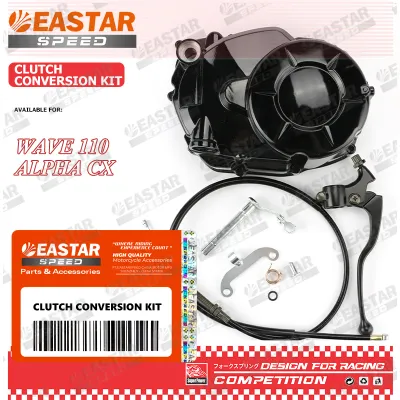
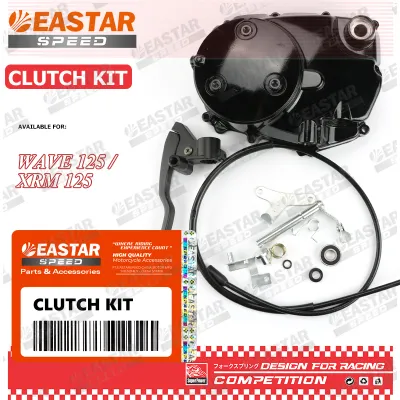
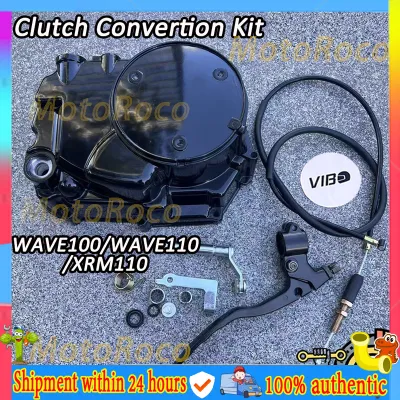
Prices are valid at publication and may change. Please refer to the product page for the latest price.
Checking Plate Count and Stack Height
The total thickness of the combined friction and steel separator plates, known as the stack height, determines whether the clutch can fully disengage and engage within the basket’s physical limits. Before purchasing, verify the exact plate count required for your specific motorcycle model and year. A kit with too few plates will slip under acceleration, while too many plates will prevent the pressure plate from releasing, causing the motorcycle to creep forward even with the lever fully pulled.

Use a precision caliper to measure the total stack height of the new kit and compare it to the wear limits specified in your vehicle’s service manual. While some high-performance kits alter the plate count or individual plate thickness to increase surface area, they must still fit within the overall OEM stack height tolerance. Be aware that while increasing the plate count can enhance torque capacity, it may also restrict oil flow between the plates, which is critical for cooling in hot, humid riding conditions.
Understanding Spring Rate and Lever Feel
Clutch springs provide the clamping force necessary to hold the friction and steel plates together when the clutch is engaged. When evaluating a clutch conversion kit, compare the kit’s spring rate to your motorcycle’s original equipment manufacturer (OEM) baseline. Stiffer springs increase the clamping force, which helps prevent clutch slip under heavy acceleration, but they also increase the effort required to pull the clutch lever.
In heavy traffic conditions, an excessively stiff clutch lever can lead to rapid hand fatigue and compromised vehicle control. If your daily commute involves navigating congested urban roads, look for a kit that balances adequate clamping force with a manageable lever pull. Additionally, check if your motorcycle uses a slipper clutch mechanism; these systems require specific spring configurations and rates that differ significantly from standard wet clutches, and using the wrong springs can disable the slipper function entirely.
Comparing Friction Materials for Your Riding Needs
Friction plates are lined with specialized materials designed to grip the steel separator plates under intense heat and pressure. Common materials include organic compounds (like paper or cork), Kevlar, and carbon fiber, each offering distinct operating temperature ranges and engagement characteristics. Review the manufacturer’s product labels to ensure the material matches your typical riding environment and maintenance habits.
Aggressive materials like Kevlar or carbon fiber offer excellent heat resistance, making them highly durable in tropical climates, but they often require specific clutch basket clearances and precise break-in procedures to prevent glazing. Furthermore, you must verify whether the friction material is compatible with your motorcycle’s wet or dry clutch system. For wet clutches, ensure the material is compatible with the specific engine oil viscosity and formulation recommended by your motorcycle manufacturer, as incorrect oil can cause the friction material to degrade or slip.
Reviewing Kit Contents and Installation Boundaries
A successful clutch conversion requires more than just plates and springs, so you must carefully verify what is included in the kit before starting the job. Ensure the kit contains essential peripheral components, such as a new clutch cover gasket, thrust washers, and any model-specific locking fasteners. Reusing a worn clutch cover gasket or a deformed lock washer often leads to oil leaks or mechanical failure down the road.
Before beginning the installation, consult your motorcycle’s service manual to identify the specialized tools required for the job. You will typically need a clutch holding tool to secure the basket, a calibrated torque wrench to tighten the spring bolts to exact specifications, and a specific locking nut socket. If the installation instructions require machining the clutch basket, modifying the inner hub, or if the torque specifications are unclear, stop immediately and consult a qualified professional mechanic to avoid damaging your transmission.
Frequently Asked Questions (FAQ)
Can I mix friction plates and springs from different brands?
Mixing friction plates, steel plates, or springs from different manufacturers is highly discouraged unless the combination is explicitly tested and approved by the brands involved. Mismatched components can cause uneven pressure distribution across the plate stack, leading to localized overheating, rapid wear, and unpredictable lever feedback. To maintain consistent performance and safety, always install a complete, matched kit from a single manufacturer.
How do I know if my clutch basket needs replacement along with the kit?
You should visually inspect your clutch basket fingers for deep notches or ridges worn into the metal by the friction plate tabs. If you can feel distinct ridges with your fingernail, the basket must be replaced or professionally serviced, as these notches will trap the new plates and cause the clutch to drag or stick. Additionally, check for excessive lateral play or rattling in the basket bearings, which indicates internal wear that a simple plate kit cannot fix.

Community discussion
Share your experience or ask a question. Comments are reviewed before publication.