
Motorcycle exhaust sound waves are physical pressure pulses created by the rapid release of high-pressure combustion gases into the exhaust system. The volume and tone of these waves are determined by engine speed, pipe dimensions, and the internal design of the muffler. Understanding how these acoustic forces operate allows riders to make informed decisions when selecting or modifying their exhaust systems.
Every time an engine cycle completes, the exhaust valve opens to release spent gases, initiating a complex acoustic process. By analyzing the physics of these sound waves, riders can better understand how different aftermarket components alter both the performance and the acoustic profile of their motorcycles.
How Engine Pulses Create Exhaust Sound Waves
The journey of an exhaust sound wave begins inside the engine’s combustion chamber. When the spark plug ignites the air-fuel mixture, the rapid combustion creates an intense high-pressure gas expansion. As the exhaust valve opens, this pressurized gas is suddenly released into the exhaust manifold, creating a powerful compression wave that travels down the pipe.
Products mentioned in this guide


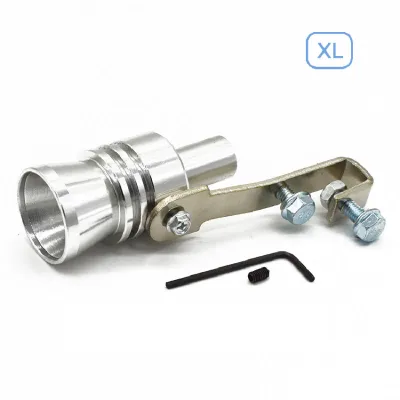
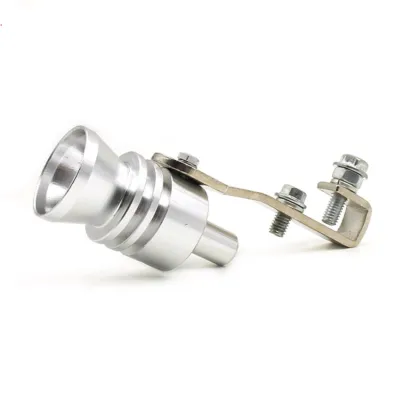
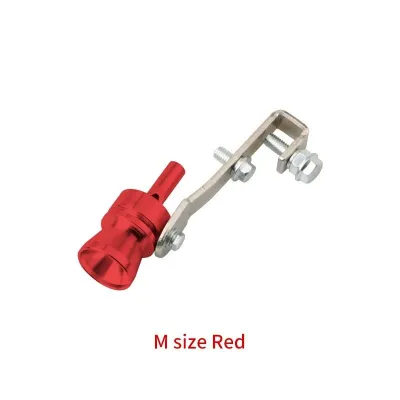
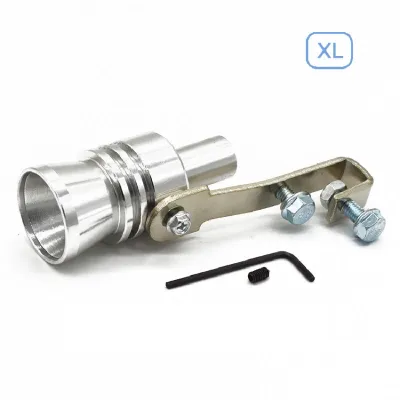
Prices are valid at publication and may change. Please refer to the product page for the latest price.
This compression wave is a physical sound wave. It travels through the exhaust piping at the speed of sound, which is significantly faster than the actual physical flow of the exhaust gases. When this high-velocity wave exits the tailpipe and collides with the lower-pressure ambient air, it produces the characteristic popping or roaring sound of the engine.
The pitch and volume of this sound are defined by frequency and amplitude. Frequency, which determines the pitch or tone, is directly tied to engine speed (RPM) and the number of cylinders; higher RPMs produce more pulses per second, resulting in a higher-pitched sound. Amplitude, which determines the volume or loudness, depends on the pressure differential between the combustion chamber and the outside air. In the warm, humid climate of the Philippines, ambient air density can slightly influence how these sound waves propagate, though the physical design of the exhaust system remains the primary factor shaping the acoustic output.
Design Specs That Amplify Exhaust Volume
To increase the volume of a motorcycle, modifications typically focus on maximizing the amplitude of the sound waves. The physical dimensions of the exhaust piping play a critical role in this process. Shorter and wider pipes allow the pressure waves to exit the system with minimal resistance, preventing the waves from losing energy through friction against the pipe walls.

Straight-through exhaust designs, often referred to as open pipes, are engineered to maximize volume by removing internal obstructions. In these systems, the sound waves travel along a direct, unimpeded path from the exhaust valve to the atmosphere. Without physical barriers to disrupt the wave front, the sound waves retain their maximum amplitude, resulting in a significantly louder exhaust note.
Header configurations also influence how sound waves behave in multi-cylinder motorcycles. When individual pipes merge into a single collector, the timing of the pressure pulses determines whether they amplify or cancel each other out. In high-performance header designs, the pulses are timed to merge in a way that creates constructive interference, where the peaks of the sound waves align to produce a deeper, louder, and more resonant tone.
Muffler Specs That Absorb or Cancel Sound Waves
Mufflers are engineered to control and reduce exhaust volume using physical barriers and acoustic dampening materials. One of the primary methods used is the integration of internal baffles and resonance chambers. These metal plates and curved tubes force the sound waves to bounce around and change direction, causing them to collide with one another. This collision creates destructive interference, where the peaks of some waves align with the troughs of others, effectively canceling out a portion of the acoustic energy.
Another common method is the use of sound-absorbing packing materials, such as fiberglass or steel wool, wrapped around a perforated core. As the high-pressure sound waves pass through the perforations, they vibrate the fibers of the packing material. This physical vibration converts the acoustic energy of the sound waves into heat energy, dampening high-frequency raspiness and producing a smoother, quieter exhaust note.
Secondary components like resonators and catalytic converters also play a significant role in muffling sound. Although catalytic converters are primarily designed to reduce harmful emissions, their dense internal ceramic or metallic honeycomb structure acts as a physical restriction. This restriction naturally disrupts the wave front of the exhaust pulses, absorbing a portion of the sound energy before the gases ever reach the main muffler.
Legal Boundaries and Safety Checks for Exhaust Mods
While modifying a motorcycle exhaust system can enhance performance and sound, riders must navigate strict legal and safety boundaries. In the Philippines, land transportation authorities enforce specific decibel limits to control noise pollution on public roads. Operating a motorcycle with an excessively loud exhaust can lead to roadside apprehensions, registration delays, and fines starting at ₱1,000 or more.
Before purchasing or installing any aftermarket exhaust component, always inspect the product packaging and manufacturer labels. Street-legal systems typically feature certifications indicating compliance with noise standards, while louder, unrestricted systems are often marked with “off-road use only” warnings. Verifying these labels beforehand helps ensure your motorcycle remains compliant with local traffic laws.
Modifying the exhaust system also alters the engine’s backpressure, which can directly impact the air-fuel ratio and overall engine health. If your planned modification requires structural welding, oxygen sensor relocation, or ECU remapping to correct fuel delivery, stop the installation immediately. Consult a qualified professional to perform these adjustments, ensuring that your motorcycle remains safe, reliable, and legally compliant.
Frequently Asked Questions (FAQ)
Does removing the catalytic converter make the exhaust louder?
Yes, removing the catalytic converter generally increases the volume of the exhaust. Because the internal honeycomb structure of the converter restricts gas flow and disrupts sound waves, removing it allows the pressure pulses to pass through the system with less resistance. However, removing this component increases harmful emissions and often violates local environmental and noise regulations in the Philippines. Riders should verify local emission laws before making any modifications to their emissions control systems.
Can exhaust wrap change the sound wave frequency?
Exhaust wrap does not significantly alter the frequency or volume of the sound waves. The primary purpose of thermal exhaust wrap is to retain heat within the pipes, which helps maintain exhaust gas velocity and protects nearby motorcycle components from high temperatures. While the wrap may slightly dampen minor metallic vibrations or high-pitched ringing from the pipe walls, it will not change the fundamental tone, pitch, or loudness of the exhaust note.

Community discussion
Share your experience or ask a question. Comments are reviewed before publication.