
Finding the right motorcycle raincoat for daily commuting in the Philippines is a matter of safety and comfort on the road. A reliable raincoat must balance waterproof performance with breathability, ease of use, and visibility. For daily commuters navigating unpredictable tropical weather, the ideal gear keeps you dry during sudden downpours without turning the interior into a humid sauna. Choosing the right gear requires understanding your specific commute, your motorcycle type, and the key safety features that prevent accidents on wet, low-visibility roads.
Key Challenges for Motorcycle Commuters in the Philippines
Daily riding in the Philippines presents unique meteorological and environmental challenges that standard rain gear simply cannot handle. The country experiences distinct wet and dry seasons, but sudden localized thunderstorms can occur at almost any time of the year. Commuters must be prepared to transition from dry, scorching heat to a torrential downpour within minutes. This unpredictability means your rain gear must be highly accessible and ready to deploy at a moment’s notice.
The sheer volume of water during a tropical monsoon is another critical factor. Standard water-resistant jackets will quickly saturate under the force of wind-driven rain at highway speeds. Water easily finds its way through tiny needle holes in stitched seams, zippers, and collar openings. Therefore, a commuter’s raincoat must feature specialized construction techniques designed to withstand high-pressure water impact over extended periods.
Products mentioned in this guide
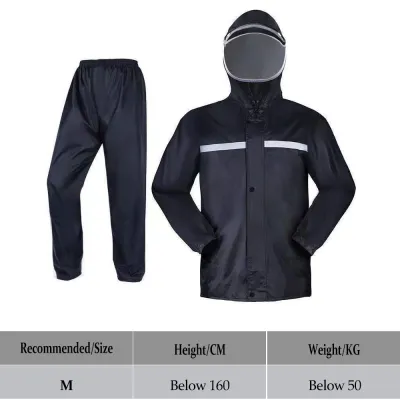
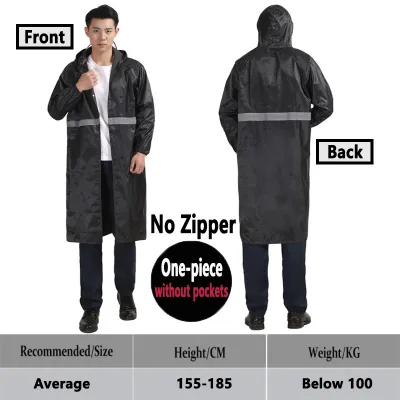
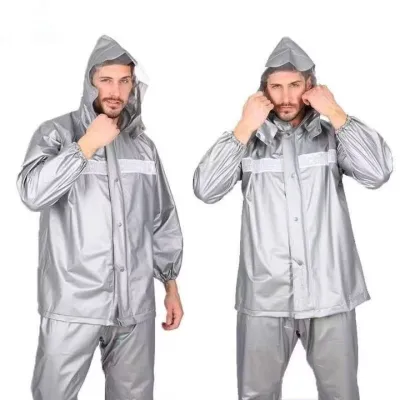
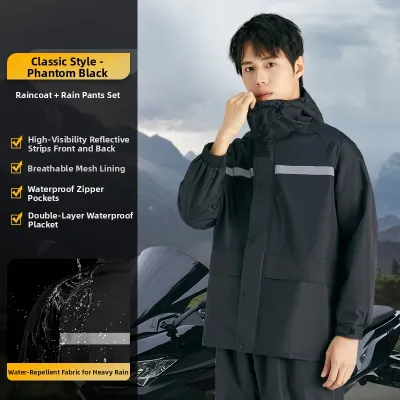
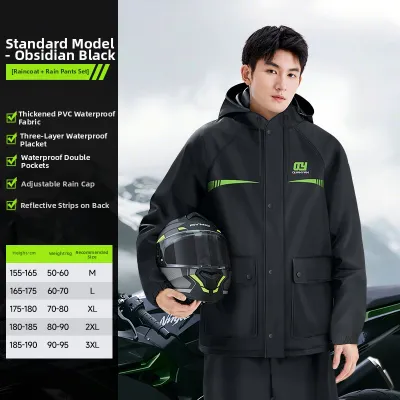
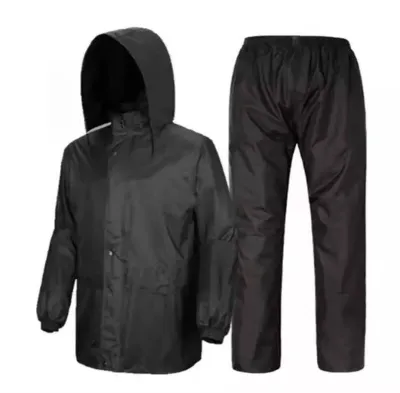
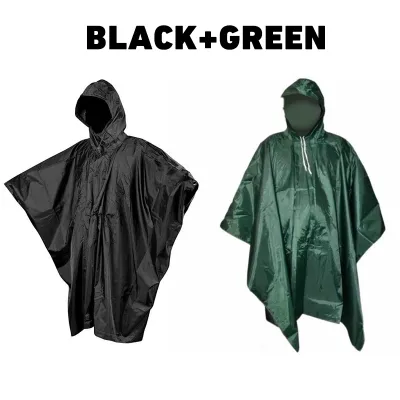
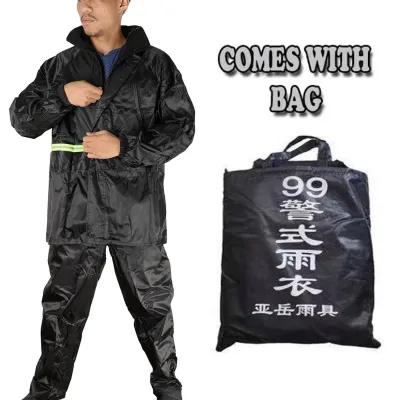
Prices are valid at publication and may change. Please refer to the product page for the latest price.
Furthermore, the intense tropical humidity of the Philippines creates a challenging microclimate inside waterproof garments. When riding in heavy traffic along major thoroughfares, stop-and-go conditions limit natural airflow. If a raincoat lacks proper ventilation, body heat and sweat quickly accumulate on the inside, leaving the rider just as wet from perspiration as they would have been from the rain.
Finally, the physical environment of urban commuting requires rapid adaptability. When a sudden downpour begins, riders often have only a few moments to pull over safely to put on their gear. Raincoats that are overly complex to wear or require removing footwear can delay this transition, exposing the rider and their personal belongings to heavy rain.
Comparing Raincoat Styles for Daily Riding
Selecting the right style of motorcycle rain gear depends heavily on your daily route, the type of motorcycle you ride, and how much storage space you have available. A short, low-speed commute on an underbone or scooter demands different features than a long-distance highway journey on a manual motorcycle. Understanding the fundamental design differences between a poncho and a two-piece suit allows you to match your gear to your specific riding profile.

Rain Ponchos (Kapote)
The traditional single-piece rain poncho, locally referred to as a kapote, remains a common sight on roads due to its simplicity and ease of storage. These garments are designed to drape over the rider and often stretch across the front of a scooter or underbone motorcycle to cover the handlebars and legs. Their primary advantage is the speed of deployment; you can quickly pull a poncho over your head, even while wearing a backpack or bulky everyday clothing, without needing to struggle with pants.
However, ponchos present significant safety and performance limitations when riding at moderate to high speeds. The loose, open design allows wind to catch the fabric, causing severe flapping that can distract the rider and destabilize the motorcycle. In high-wind conditions, a flapping poncho can block your mirrors or even wrap around your face, severely obstructing your field of vision.
More critically, loose fabric poses a mechanical hazard. Excess material can easily become entangled in moving parts such as the drive chain, rear wheel sprocket, or hot exhaust pipes. Additionally, because ponchos are open at the bottom, they offer minimal protection against water spraying up from the road or from passing vehicles, leaving your lower legs and shoes completely soaked during longer rides.
Two-Piece Rain Suits
For the dedicated daily commuter, a two-piece rain suit consisting of a separate jacket and trousers offers the highest level of protection and safety. This style provides a close, aerodynamic fit that minimizes wind resistance and eliminates the dangerous flapping associated with ponchos. Because the pants and jacket are separate, they seal out water more effectively, preventing road spray from reaching your lower body.
The secure closures of a two-piece suit, typically featuring heavy-duty zippers, storm flaps, and elasticated cuffs, ensure that water cannot penetrate even at highway speeds. This makes them the preferred choice for riders who must travel long distances or navigate high-speed expressways where wind and rain forces are amplified.
The primary trade-off with a two-piece suit is the time and effort required to put it on. You must pull the pants over your shoes—which can be difficult on a wet roadside—and carefully zip and fasten the jacket. Additionally, two-piece suits are generally bulkier and heavier than ponchos, requiring more dedicated storage space under your seat, in a top box, or inside a backpack when not in use.
Critical Features to Verify Before Buying
When shopping for a motorcycle raincoat on online marketplaces or at local riding gear shops, it is essential to look past generic marketing claims and verify specific technical features. The quality of construction directly determines whether a raincoat will keep you dry or leak during its very first storm.
First, inspect the interior seams of the garment. Even the most waterproof fabric will let water in if the needle holes from stitching are left exposed. High-quality motorcycle raincoats feature taped or heat-sealed seams on the inside. This process applies a waterproof tape over every stitched joint, creating a continuous barrier against water penetration. Always check the product specifications or physical interior to confirm that all major seams, especially around the shoulders, crotch, and underarms, are fully sealed.
Second, visibility is a paramount safety concern during heavy downpours when road visibility drops significantly. Your raincoat must feature high-visibility reflective elements. Look for wide, retroreflective strips placed strategically across the back, chest, and sleeves. These strips reflect the headlights of surrounding vehicles, ensuring you remain visible to car drivers from all angles in low-light or foggy conditions.
Third, examine the closure systems and adjustment points. A quality jacket should feature a robust front zipper protected by a double storm flap. This flap folds over the zipper and secures with hook-and-loop fasteners or snap buttons to prevent wind-driven water from forcing its way through the zipper teeth. Adjustable cuffs on the wrists and ankles are also crucial; they allow you to seal the openings tightly over your riding gloves and boots, preventing water from creeping up your limbs.
Lastly, pay attention to ventilation and material specifications. Look for raincoats that incorporate mesh linings and covered back vents. These design elements allow hot air and moisture to escape from the inside while preventing rain from entering. While thicker materials often offer better durability against wear and tear, they can also be heavier and hotter. Verify the manufacturer’s material descriptions, looking for high-density polyester or nylon fabrics coated with polyurethane or polyvinyl chloride for reliable, long-lasting water resistance.
Ensuring a Safe and Comfortable Fit
A motorcycle raincoat must fit correctly to ensure both comfort and safety on the road. An improperly sized raincoat can restrict your physical movement, block your vision, or create safety hazards while operating your motorcycle.
When determining your size, always remember that your raincoat must fit comfortably over your regular riding gear. This includes your helmet, armored riding jacket, pants, and potentially a backpack. Buying a raincoat in your standard clothing size often results in a fit that is too tight, which can restrict your shoulder and arm movement. It is generally advisable to size up, but you must check the manufacturer’s specific sizing chart and measurements to ensure a proper fit without excessive bagginess.
Before setting off, check for any loose straps, long drawstrings, or flapping adjustment tabs. Any dangling cords must be securely tied down or tucked away. If a drawstring catches on a handlebar control, a foot peg, or the motorcycle’s chain, it can cause a sudden loss of control or a serious mechanical failure.
The design of the collar and hood requires careful inspection. The collar should seal snugly around your neck without being restrictive, preventing water from running down from your helmet. If the raincoat includes a hood, it must be thin enough to fit comfortably underneath your helmet without altering the helmet’s fit or safety performance. Alternatively, many riders prefer hoods that can be rolled up and zipped into the collar, allowing the helmet to seal directly against the neck roll. Ensure that the collar height does not restrict your ability to turn your head fully to check your blind spots and side mirrors.
Finally, perform a physical range-of-motion test while wearing the full rain suit over your riding gear. Sit on your motorcycle in your natural riding position. Reach forward to the handlebars and ensure you can comfortably operate the clutch, brake levers, throttle, and handlebar switches without any pulling or restriction across your back or shoulders. Stand up, bend your knees, and ensure the pants do not ride up too high, exposing your ankles to the rain.
Maintaining Your Rain Gear for Longevity
Proper care and maintenance are essential to preserve the waterproof coatings and seam seals of your motorcycle rain gear. Neglecting your raincoat can lead to premature degradation of the materials, causing leaks and requiring early replacement.
Always refer to the manufacturer’s specific washing instructions printed on the care label. As a general rule, you should never machine wash or machine dry a waterproof motorcycle raincoat. The aggressive agitation of a washing machine and the high heat of a dryer can easily delaminate the waterproof coating, melt seam-sealing tapes, and damage reflective strips. Instead, hand wash the gear using cool water and a mild, non-detergent soap. Gently wipe away road grime, mud, and oil splatters with a soft sponge or microfiber cloth.
After washing or riding in the rain, proper drying is critical to prevent the growth of mold, mildew, and unpleasant odors, which thrive in humid climates. Hang both the jacket and pants on wide, padded hangers in a well-ventilated, shaded indoor area. Never wring out the garments, as this can crack the internal waterproof membrane. Allow the gear to air-dry completely before folding or storing it.
Storage practices also play a major role in the lifespan of your gear. Avoid storing your wet or damp raincoat inside a cramped under-seat compartment or top box, as the trapped moisture and heat from the engine can quickly ruin the fabric and adhesive seals. Once fully dry, fold the raincoat gently without creating sharp, permanent creases, which can weaken the waterproof barrier over time. Store the gear in a cool, dry place away from direct sunlight, as prolonged exposure to ultraviolet rays can degrade the synthetic fibers and fade reflective elements.
Frequently Asked Questions (FAQ)
Can I use a regular walking raincoat for motorcycle riding?
Using a standard pedestrian raincoat for motorcycle riding is highly discouraged due to safety and durability concerns. Regular raincoats are designed for low-speed walking and lack the structural integrity required to withstand the high wind pressures experienced while riding. At speed, the wind will cause a standard raincoat to flap violently, which can tear the lightweight fabric, open up cheap zippers, and distract the rider. Furthermore, pedestrian raincoats rarely feature the robust seam-sealing, double storm flaps, and extensive reflective elements necessary for safe riding in low-visibility conditions. They also lack the specific cut required to accommodate riding armor and the reaching posture of a motorcyclist, often restricting movement and leaving the lower body exposed to road spray.
How do I prevent my helmet visor from fogging up in the rain?
Helmet visor fogging occurs when warm, humid breath condenses on the cooler interior surface of the visor during a rainstorm. To combat this, ensure your helmet’s ventilation ports are fully open to maximize airflow, even if it means a small amount of moisture enters. Installing an anti-fog insert, such as a Pinlock lens, is one of the most effective solutions, as it creates a sealed double-pane barrier that prevents condensation. Additionally, ensure your raincoat’s collar is adjusted so that it does not block the exhaust vents at the bottom of your helmet. If you do not have an anti-fog insert, applying a manufacturer-approved anti-fog spray or treatment to the inside of the visor can help disperse moisture and maintain clear vision.

Community discussion
Share your experience or ask a question. Comments are reviewed before publication.