
Finding the right motorcycle seat cover is a balance between your daily riding habits, local weather conditions, and personal comfort preferences. In a tropical climate characterized by intense sun and sudden heavy downpours, your choice of material directly impacts your riding stamina and safety. Matching your seat cover to your specific riding profile ensures a more stable, comfortable, and durable setup.
Identify Your Primary Riding Profile and Environment
Your daily routine dictates the level of wear and protection your motorcycle seat requires. A rider spending hours in stop-and-go city traffic faces different physical demands than someone taking occasional long-distance highway trips. Long commutes require sustained pressure relief, while short, frequent trips prioritize quick mounting and easy maintenance.
Weather exposure is a primary factor when selecting accessories in tropical regions. Prolonged exposure to intense midday sunlight can rapidly degrade seat materials, causing them to crack. Conversely, sudden afternoon rain showers require a surface that repels water instantly or dries rapidly to prevent moisture from soaking into the underlying foam.
Products mentioned in this guide
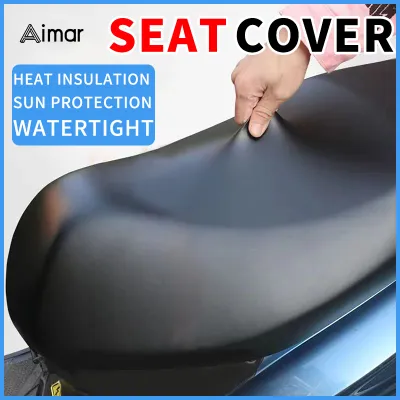
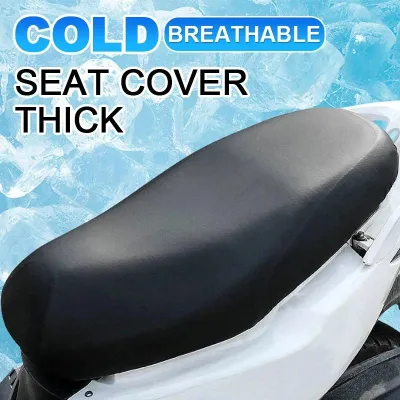
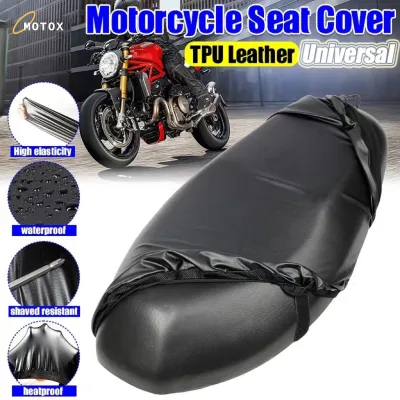
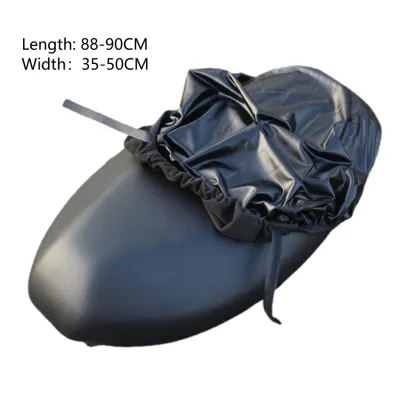
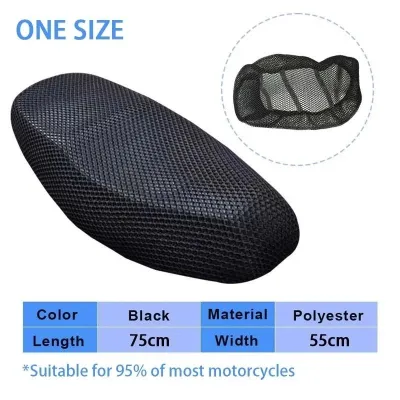
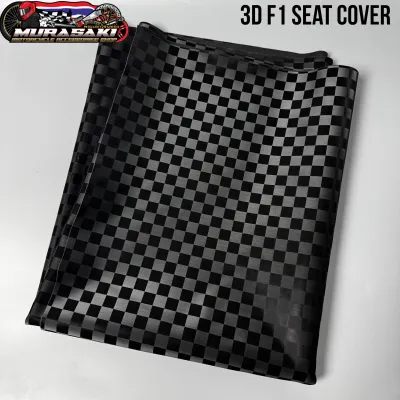
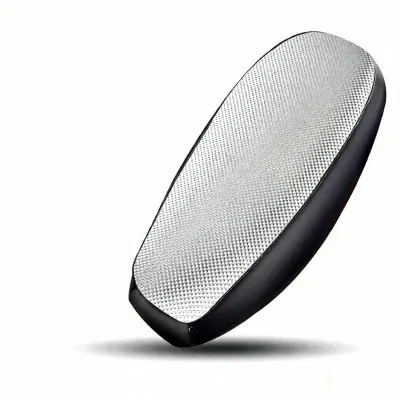
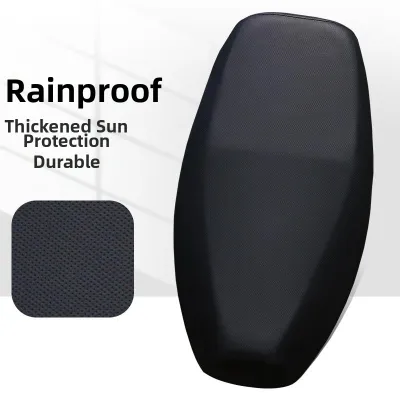
Prices are valid at publication and may change. Please refer to the product page for the latest price.
Additionally, consider how you use your motorcycle for carrying passengers or cargo. Frequent pillion riders require a seat cover that offers consistent grip to prevent sliding during braking. If you regularly strap luggage or cargo nets to your seat, you need a highly durable material that resists abrasions and strap friction.
Comparing Seat Cover Materials by Rider Needs
Motorcycle seat covers generally fall into four primary categories: gel or foam inserts, leather or synthetic leather, waterproof covers, and 3D mesh options. Each material serves a distinct purpose, offering unique advantages depending on whether you prioritize cushioning, aesthetics, moisture protection, or airflow.

Choosing the right option involves understanding the inherent trade-offs of each material. For instance, a highly breathable mesh cover provides excellent ventilation but offers minimal protection against heavy rain. On the other hand, a fully sealed waterproof cover keeps the internal foam dry but can trap heat and sweat against your body during long rides in hot weather.
Before making a purchase, always check the manufacturer’s specifications and product labels for exact material properties. Look for details regarding UV resistance, slip-resistant backing, and specific care instructions to ensure the cover aligns with your daily usage patterns and maintenance capabilities.
Gel and Foam Inserts for Long-Distance Comfort
Gel and specialized foam inserts are designed primarily to distribute your body weight evenly across the seat surface. By reducing pressure points on your tailbone and hips, these covers help minimize the physical fatigue associated with extended hours in the saddle. They also assist in dampening high-frequency engine vibrations.
However, adding a gel or foam pad increases the overall thickness of your seat. This extra height can alter your riding posture, affect how easily your feet reach the ground, and potentially interfere with the tension of your existing seat cover. Ensure that any add-on cushion does not block seat-locking mechanisms or under-seat storage latches.
Because seat shapes vary widely between underbone motorcycles, scooters, and adventure bikes, it is crucial to verify compatibility with your specific motorcycle make and model. A poorly matched gel pad can shift during cornering, which compromises your stability and control over the vehicle.
Leather and Synthetic Leather for Durability and Style
Natural leather offers a classic aesthetic and develops a unique patina, but it requires regular conditioning to prevent drying and cracking in humid environments. Synthetic leather, such as high-grade polyurethane (PU) or vinyl, provides excellent resistance to UV rays and moisture, making it a highly practical alternative for daily riders.
One major consideration with leather and synthetic leather is heat absorption. Dark-colored synthetic materials can become exceptionally hot when parked under direct sunlight, making the seat uncomfortable to sit on immediately. Some synthetic covers feature heat-reflective coatings, so check the product specifications for these specialized treatments.
To maintain the integrity of these materials, always use cleaning agents and conditioners that are explicitly authorized on the manufacturer’s material label. Avoid harsh household detergents or solvents, as they can strip away protective UV coatings, leading to premature hardening, cracking, and peeling of the synthetic surface.
Waterproof and Water-Resistant Covers for Wet Conditions
Waterproof and water-resistant covers are essential for protecting your seat’s internal foam from moisture saturation. While water-resistant covers can repel light drizzles, fully waterproof options utilize specialized seam sealing, heavy-duty stitching, and impermeable material coatings to block water even during severe tropical downpours.
A snug, precise fit is critical for any waterproof cover. If the cover is too loose, water will pool in the sagging areas, eventually seeping through seams or creating damp spots that transfer to your clothing. The cover must stretch tightly over the seat contours to allow water to run off naturally.
When shopping, verify the manufacturer’s water resistance rating and check if the cover requires periodic re-treatment with waterproofing sprays. Keep in mind that while these covers keep rain out, they do not allow air to circulate, meaning they can feel warm and humid against your skin during dry, sunny days.
Mesh and 3D Air Covers for Hot Weather Ventilation
Mesh and 3D air covers utilize an open, honeycomb-like structure that creates a physical gap between your body and the seat surface. This design allows air to flow continuously beneath you while riding, significantly reducing heat buildup and perspiration during hot, humid daytime trips.
While mesh covers excel at temperature regulation, they offer no water resistance. Rainwater will pass directly through the mesh to the seat below, though the mesh itself dries very quickly. Additionally, the open structure can trap dust, small debris, and sand, requiring more frequent shaking out or rinsing compared to solid covers.
When selecting a mesh cover, pay close attention to the quality of the base layer and the attachment straps. The underside must feature a high-grip, non-slip material to prevent the cover from sliding around on the slick factory seat, especially during sudden stops or sharp turns.
How to Verify Fit, Installation, and Safety
Ensuring your selected seat cover fits your exact motorcycle model is a critical safety requirement. A loose or poorly installed cover can slip, bunch up, or slide during acceleration, braking, or cornering, directly compromising your control over the motorcycle. Always match the cover to the specific make, model, and production year of your vehicle rather than relying solely on generic size categories.
Before finalizing your installation, check that the cover does not interfere with any functional components. It must not block passenger grab rails, obstruct the opening of under-seat storage compartments, or come into contact with moving parts. The cover should wrap securely around the seat pan without pinching electrical wiring or fuel lines.
For complex installations, such as those requiring the removal of the original vinyl, heavy-duty stapling, or custom foam shaping, consider seeking professional upholstery services. If you choose to install it yourself, consult your vehicle’s service manual for the correct procedure to safely remove and reinstall the seat assembly without damaging the mounting brackets or locking mechanisms.
Maintenance and Care Based on Material Type
Regular maintenance is key to extending the lifespan of your motorcycle seat cover and preserving its functional benefits. For basic cleaning, use a soft microfiber cloth and mild, pH-neutral soap mixed with warm water. Gently wipe down the surface to remove road grime, sweat, and dust, avoiding abrasive scrubbing pads that can scratch or tear the material.
Proper drying techniques are essential to prevent the growth of mold, mildew, and unpleasant odors under the cover. After washing or riding in heavy rain, allow the seat to dry completely in a well-ventilated, shaded area. Avoid using high-heat hair dryers or leaving the wet seat in direct, intense sunlight to dry, as extreme heat can warp synthetic materials.
Perform regular visual inspections of your seat cover to catch wear early. Check the seams for any signs of separation, look for fine cracks in synthetic leather, and inspect elastic bands or straps for loss of tension. Addressing minor issues early can prevent complete material failure and protect the underlying seat foam from damage.
Frequently Asked Questions (FAQ)
Can I install a gel seat cover over my existing factory seat foam?
Yes, many gel seat covers are designed as slip-on pads that sit directly on top of your existing factory seat. However, if you are performing a permanent upholstery upgrade, the gel pad is typically recessed into the factory foam. Adding a gel pad on top of the existing seat will increase the overall seat height and alter the tension of your outer seat cover, which may require a larger replacement cover to secure properly.
Will a dark-colored seat cover get too hot in the sun?
Dark-colored seat covers, especially those made of solid vinyl or synthetic leather, absorb solar radiation and can become uncomfortably hot when parked in direct sunlight. To mitigate this heat buildup, you can use a reflective silver sun shield when parked, drape a light-colored cloth over the seat, or park in shaded areas. Alternatively, installing a temporary 3D mesh cover over your dark seat can help keep the surface cooler.
How do I know if a universal seat cover will fit my scooter?
To determine if a universal seat cover will fit your scooter, you must measure the maximum length, width, and height of your seat pan using a flexible measuring tape. Compare these dimensions against the manufacturer’s sizing chart, paying close attention to the shape of the nose and the rear section of the seat. Avoid universal covers that are too loose, as they can slip during cornering, trap water underneath, or bunch up, creating safety hazards while riding.

Community discussion
Share your experience or ask a question. Comments are reviewed before publication.