
Finding the right motorcycle helmet requires balancing your personal budget with uncompromising safety standards. In the Philippines, where tropical heat, heavy downpours, and congested roads are daily realities, your choice of protective gear directly impacts both your safety and riding comfort. Motoworld offers a wide range of helmet options across various price points, making it a popular destination for local riders seeking reliable head protection.
Navigating these options involves understanding what features are realistic at each price tier and ensuring that any helmet you consider meets local road safety laws. By aligning your budget with verified safety certifications and practical design elements, you can secure a helmet that protects your head without overstretching your finances.
Verifying Safety Certifications for Use in the Philippines
Before comparing prices or aesthetic designs, you must verify that any helmet you consider is legally certified for road use in the Philippines. The Land Transportation Office (LTO) and the Department of Trade and Industry (DTI) require all motorcycle helmets to carry specific safety marks. For imported helmets, look for the Import Commodity Clearance (ICC) sticker, which features a unique serial number and a hologram that is difficult to replicate. For locally manufactured or officially distributed helmets, look for the Philippine Standard (PS) mark.
Products mentioned in this guide
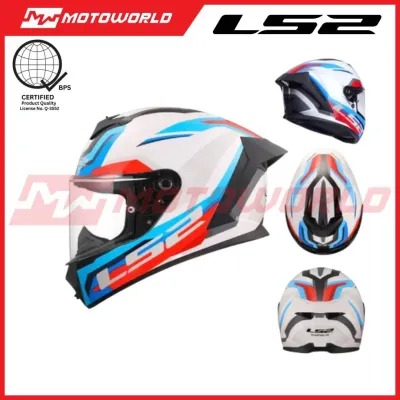
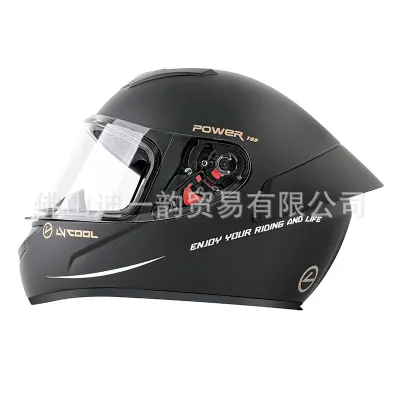
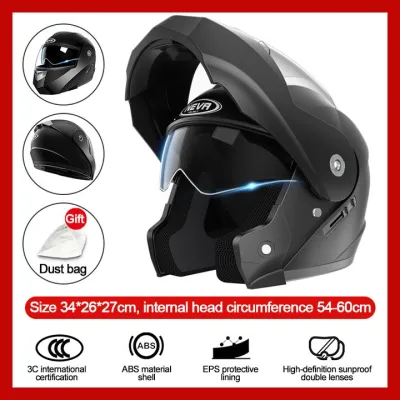
Prices are valid at publication and may change. Please refer to the product page for the latest price.
These physical stickers are typically affixed to the rear of the helmet shell or under the comfort liner. In addition to local marks, reputable helmets often carry international certification labels, such as the European ECE 22.05 or ECE 22.06 standards, or the American DOT (Department of Transportation) rating. These international marks are usually printed directly onto the outer shell or sewn into the retention strap.
Never rely solely on digital badges in online product listings, verbal assurances from sellers, or printed text on the packaging. Counterfeit stickers do exist, so it is vital to inspect the physical label closely for signs of tampering, peeling, or low-quality printing. If a helmet lacks a physical, untampered ICC or PS mark, or if the label appears altered, you must treat this as a hard stop condition and immediately abandon the purchase. Riding with an uncertified helmet not only exposes you to severe legal penalties and fines but also risks catastrophic head injuries in the event of a collision.
Setting Expectations for Helmets Under ₱1,500
When shopping with a strict budget of under ₱1,500, your primary focus must remain entirely on basic structural safety and legal compliance. At this entry-level price point, helmets are almost exclusively constructed from standard thermoplastic materials, which provide reliable impact protection but tend to be heavier than premium composites. You should not expect advanced aerodynamic shapes, dual-visor systems, or highly specialized ventilation channels in this tier.

Instead, carefully evaluate the helmet’s essential components to ensure they meet basic functional standards. Check that the primary clear visor is optically correct, free of distortion, and securely mounted to the shell. The retention system, which is usually a micrometric quick-release buckle at this price level, must click firmly into place and resist slipping when pulled. Additionally, inspect the internal padding to ensure it provides sufficient thickness and coverage around your temples, cheeks, and the back of your head.
Accepting certain trade-offs is necessary when purchasing an entry-level helmet. You will likely experience simpler ventilation ports that may not flow as much air during hot, humid afternoon rides in traffic. The overall weight of the helmet may also be higher, which can lead to neck fatigue during longer journeys. At this budget, always prioritize a plain, solid-colored helmet with verified safety certifications over a flashy, graphically complex model that compromises on shell integrity or padding quality.
Balancing Features and Cost in the ₱1,500–₱2,500 Range
Stepping up to the ₱1,500 to ₱2,500 price range introduces a noticeable improvement in rider comfort, convenience, and material refinement. In this mid-tier bracket, manufacturers begin to incorporate features that make daily commuting in tropical climates significantly more bearable. One of the most practical upgrades to look for is a fully removable and washable inner liner, which allows you to maintain hygiene and combat sweat buildup over time.
This budget tier also frequently introduces dual-visor systems, featuring an integrated drop-down sun shield that protects your eyes from intense glare without requiring you to swap visors. Ventilation systems become more sophisticated, utilizing molded EPS channels that actively direct airflow over your scalp to reduce heat buildup. When evaluating these options, ensure that the added convenience features do not distract you from verifying the core safety certifications. A dual-visor system is only beneficial if the overall shell and impact-absorbing liner still meet strict ICC or PS standards.
Before finalizing a purchase in this price range, perform a hands-on physical inspection of the helmet’s build quality. Operate the visor mechanism several times to ensure it seals tightly against the eyeport gasket, preventing rain and wind noise from entering. Squeeze the cheek pads and crown liner to assess their density; higher-density foam retains its shape longer and provides a more secure fit. Finally, inspect the metal rivets securing the chin strap to the shell to ensure they are flush, rust-free, and securely anchored.
Evaluating Premium Features Above ₱2,500
Helmets priced above ₱2,500 represent the premium segment of Motoworld’s offerings, where advanced materials, superior aerodynamics, and enhanced safety technologies become standard. In this tier, you are paying for significant reductions in weight, improved high-speed stability, and superior impact-absorption capabilities. Shells in this category often utilize advanced polycarbonate blends or fiberglass composites, which offer exceptional strength while minimizing overall bulk.
One of the key safety upgrades in premium helmets is the use of multi-density EPS (expanded polystyrene) liners. These liners feature varying layers of foam density designed to absorb both low-speed and high-speed impacts more effectively. Visor systems also receive major upgrades, often coming equipped with Pinlock-ready shields that accept anti-fog inserts—a crucial feature for maintaining clear vision during heavy tropical downpours. You will also find highly refined aerodynamic profiles that reduce wind drag and buffeting, making highway riding much quieter and more comfortable.
To verify that a premium helmet justifies its higher price tag, consult the manufacturer’s official specifications rather than relying on vague retail descriptions. Check the physical weight of the helmet; a lighter helmet reduces strain on your neck muscles during long rides. Additionally, inquire about the manufacturer’s warranty terms, which often cover material and manufacturing defects for several years. Purchasing from an authorized distributor ensures you have access to genuine replacement parts, such as replacement visors, cheek pads, and ventilation covers, protecting your investment over the long term.
Final Checks: Fit, Authenticity, and Seller Policies
Regardless of which budget tier you choose, a helmet can only protect you effectively if it fits your head correctly. Before completing your purchase, perform a comprehensive physical fit test. Put the helmet on and fasten the chin strap securely; it should feel snug around your entire head without creating painful pressure points on your forehead or temples. Shake your head side to side and nod up and down—the helmet must not rotate or slide independently of your skin. If the helmet moves easily, it is too large and may come off or fail to protect you during an accident.
When purchasing your helmet, especially through online marketplaces or ecommerce platforms, verifying seller authenticity is critical to avoiding counterfeit products. Only buy from official Motoworld stores or authorized dealers who can provide a genuine receipt and warranty card. If buying online, review the seller’s unboxing policies; many authorized retailers require a continuous, unedited video of the unboxing process to process returns or exchanges for damaged items.
Finally, clarify the store’s specific return and exchange policies regarding sizing issues. Because helmet shapes vary between round-oval and intermediate-oval profiles, a helmet that matches your measured head circumference might still feel uncomfortable due to your unique head shape. Ensure that the seller allows exchanges for a different size or model within a reasonable timeframe, provided the helmet remains unused with all original tags and protective films intact.
Frequently Asked Questions (FAQ)
Can I replace the visor on any Motoworld helmet model?
Visor compatibility and replacement procedures depend entirely on the specific helmet model and its shell size. Visor mounting mechanisms, base plates, and locking systems vary significantly across different product lines, meaning a visor designed for one model will not fit another. To ensure a secure and safe fit, always check your helmet’s user manual or consult an authorized Motoworld representative to obtain the exact replacement part number. Using incompatible or third-party visors can compromise your field of vision and may detach unexpectedly while riding.
How do I clean the inner padding without damaging it?
To preserve the hygiene and structural integrity of your helmet’s interior, first check if the comfort liner and cheek pads are fully removable. If they are removable, hand wash them in lukewarm water using a mild soap, such as baby shampoo, and allow them to air dry completely in a well-ventilated area away from direct sunlight. For non-removable liners, use a specialized helmet interior cleaner or a damp cloth with mild soapy water to gently spot-clean the fabric. Never use harsh household chemicals, bleach, solvents, or machine washing cycles, as these substances can permanently degrade the impact-absorbing EPS liner and weaken the fabric adhesives.
Is it safe to buy a second-hand Motoworld helmet to save money?
Purchasing a second-hand helmet is highly discouraged and presents a severe safety risk, regardless of your budget constraints. Helmets are designed to absorb impact energy through the microscopic compression of the internal EPS liner, a process that occurs even during minor drops and leaves no visible external damage on the outer shell. Because you cannot visually verify the structural history or internal integrity of a used helmet, you have no way of knowing if its protective capabilities have already been compromised. It is always safer to save your budget for a brand-new, certified entry-level helmet that guarantees uncompromised protection.

Community discussion
Share your experience or ask a question. Comments are reviewed before publication.