
Muffler fiber packing is the unsung hero of any high-performance or custom exhaust system. When you modify an exhaust, you are not just changing how gases exit the engine; you are actively reshaping the sound waves and thermal dynamics of your vehicle. Choosing the correct fiber for muffler applications is essential to achieving a deep, refined exhaust note while protecting your bodywork from extreme heat.
Understanding how these materials function, comparing the different options available, and selecting the right material for your specific riding or driving conditions will ensure your exhaust modification remains durable, efficient, and street-legal. Maintaining your exhaust packing is also a critical part of vehicle ownership, especially when dealing with the high operating temperatures of modified engines.
Understanding Muffler Fiber Packing and Its Role in Exhaust Systems
To understand why fiber packing is necessary, you must first look at the internal anatomy of a straight-through performance muffler. Unlike stock mufflers that use heavy steel plates and complex routing to quieten the engine, a performance muffler typically features a straight, perforated core tube running through the center of an outer metal shell. The empty space surrounding this perforated tube is tightly packed with specialized sound-absorbing fiber.
Products mentioned in this guide
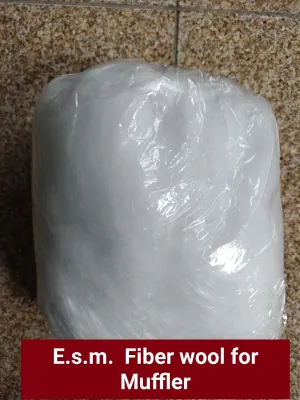
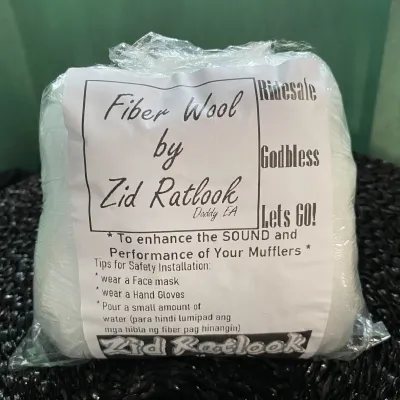
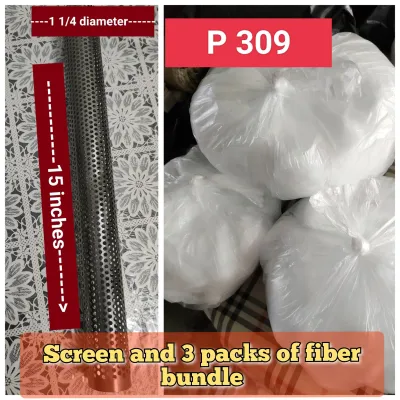
Prices are valid at publication and may change. Please refer to the product page for the latest price.
This design serves a vital acoustic purpose. As exhaust gases rush through the central perforated tube, high-pressure sound waves escape through the small holes and expand into the surrounding fiber packing. The dense fibers create microscopic friction points, converting the acoustic energy of the sound waves into heat. This process specifically dampens high-frequency sound waves, eliminating the harsh, raspy pitch and cabin drone that make long drives exhausting, while allowing lower-frequency tones to pass through as a deep, resonant rumble.
Beyond sound management, fiber packing provides essential thermal insulation. Exhaust gases exiting an engine can reach temperatures well over 500 degrees Celsius. Without a dense layer of packing material to absorb and dissipate this heat, the extreme thermal energy would transfer directly to the outer muffler shell. This rapid heat transfer can cause severe metal fatigue, structural cracking, and permanent discoloration of premium materials like titanium, polished stainless steel, or carbon fiber. In worst-case scenarios, an unpacked muffler can radiate enough heat to melt nearby plastic bodywork or damage electrical wiring.
It is important to distinguish between chambered mufflers and packed mufflers. Chambered designs rely on internal metal baffles to reflect and cancel out sound waves. While highly durable and maintenance-free, they restrict exhaust gas flow and add significant weight. Packed mufflers, by contrast, offer a direct, unobstructed path for exhaust gases, minimizing backpressure and maximizing engine performance. However, because the packing material is constantly exposed to high-velocity gas pulses and extreme heat, it is a wear item that requires periodic replacement to maintain its performance and acoustic properties.
Comparing Common Fiber for Muffler Materials in Exhaust Mods
Selecting the right fiber for muffler repacking requires balancing several critical performance factors: thermal resistance, physical durability, acoustic absorption, and cost. Different materials excel in different environments, and using the wrong fiber can lead to rapid degradation or even physical danger. Before purchasing any packing material, always check the manufacturer’s printed temperature ratings and Material Safety Data Sheets (MSDS) to verify compatibility with your specific exhaust setup.

Fiberglass (Glass Wool)
Standard fiberglass, often sold as glass wool or continuous-filament fiberglass, is the most common and accessible packing material on the market. It consists of fine, woven glass fibers that offer excellent sound absorption and are highly cost-effective.
Fiberglass is highly efficient at dampening high-frequency noise, yielding a smooth, classic exhaust note that many riders prefer. It is also lightweight and easy to install, making it a popular choice for budget-conscious DIY projects.
However, standard fiberglass has clear thermal limitations. Under sustained high temperatures, the chemical binders holding the glass fibers together begin to break down. Once these binders degrade, the individual glass fibers become brittle, shatter into tiny particles, and are easily blown out of the exhaust tip by high-velocity gas pulses. For this reason, standard fiberglass is best suited for daily commuter scooters, standard street motorcycles, and 4-stroke engines with moderate operating temperatures.
Ceramic Fiber
Ceramic fiber packing is engineered from alumina-silica materials designed to withstand extreme industrial heating applications. This material represents a significant upgrade in thermal durability compared to standard fiberglass.
This material offers superior heat resistance and maintains its structural integrity under extreme thermal stress. It does not melt, shrink, or become brittle easily, which translates to a significantly longer service life inside high-performance exhaust systems.
Because of its resilience, ceramic fiber is the preferred choice for racing applications, turbocharged vehicles, and 2-stroke engines that generate intense, localized heat. It is also ideal for short, custom exhausts where the muffler canister is mounted very close to the engine block. The primary trade-offs are its higher upfront cost and the need for meticulous safety precautions during installation, as ceramic dust can be highly irritating to the skin and lungs.
Stainless Steel Wool
Stainless steel wool consists of long, continuous strands of corrosion-resistant steel. Unlike fiberglass or ceramic fiber, steel wool is rarely used as a standalone acoustic dampener because its dense, metallic structure is less effective at absorbing sound waves.
Instead, stainless steel wool serves as a critical structural barrier. When repacking a muffler, a thin layer of stainless steel wool is wrapped directly around the inner perforated core tube before the primary fiberglass or ceramic packing is added.
This metal barrier protects the finer, lighter fibers from the direct impact of high-velocity exhaust gas pulses. It prevents the primary packing from being torn apart and blown out of the exhaust tip over time. It also prevents fibers from being drawn back into the engine during deceleration pulses, making it an essential companion material for any long-lasting exhaust repack.
Carbon and Basalt Fiber Alternatives
Basalt fiber is manufactured by melting volcanic basalt rock, while carbon fiber packing utilizes specialized carbonized filaments. These materials represent the premium tier of aftermarket exhaust packing.
Basalt fiber provides thermal performance comparable to ceramic fiber but is safer to handle and less prone to shedding airborne dust. Carbon fiber packing is exceptionally lightweight and offers extreme thermal stability, making it highly resistant to chemical degradation from unburnt fuel.
These niche materials are generally reserved for professional racing builds, high-end custom superbikes, and weight-sensitive track vehicles. While they offer outstanding longevity and heat management, their high cost and limited retail availability make them less practical for everyday commuter vehicles.
How to Choose the Right Packing Material for Your Riding Style
Selecting the ideal fiber for muffler customization depends heavily on your vehicle’s engine configuration, how you ride, and where the exhaust is physically located. A material that works perfectly for a casual commuter might fail within hours on a dedicated track machine.
Engine Type and Configuration Your engine’s combustion cycle plays a major role in packing wear. 2-stroke engines exhaust a significant amount of unburnt fuel and oil residue, which can quickly saturate and degrade standard fiberglass. For a 2-stroke setup, a combination of a stainless steel wool base layer and high-heat ceramic fiber is highly recommended to resist both chemical saturation and thermal shock. 4-stroke engines run cleaner but can still generate intense, dry heat; standard street commuters can easily utilize fiberglass, while high-displacement or modified 4-stroke engines benefit from the added durability of ceramic or basalt fiber.
Riding Environment and Usage Operating conditions in the Philippines place unique demands on exhaust systems. Tropical heat and high humidity accelerate thermal stress, while heavy stop-and-go traffic in urban areas like Metro Manila causes heat to build up rapidly due to the lack of cooling airflow. For daily commuters and long-distance touring riders, durability and low maintenance are the top priorities. A dense fiberglass wrap protected by a stainless steel wool layer offers a cost-effective, long-lasting solution for daily road use. Conversely, track-day enthusiasts and off-road riders who operate at sustained high RPMs should invest in premium ceramic or basalt fibers to withstand continuous, extreme thermal loads.
Muffler Placement The physical location of your exhaust canister dictates its thermal exposure. An underbelly muffler or an exhaust mounted very close to the engine headers experiences significantly higher temperatures than a traditional, long side-mounted slip-on canister. If your exhaust design features a short pipe or tight bends near the engine block, prioritize high-temperature ceramic packing to prevent premature blowout and shell discoloration.
Maintenance Cycle Every exhaust modification requires a realistic assessment of maintenance willingness. Lightweight, high-performance setups packed with standard fiberglass may require repacking every few months if subjected to hard riding. Consider the trade-off between the higher upfront cost of premium ceramic fiber and the physical labor—or professional service fees—required to regularly disassemble, clean, and repack your muffler. Always check the exhaust manufacturer’s product labels and instructions for recommended service intervals and specific material compatibility.
Safety Precautions and Legal Boundaries When Repacking
Working with fiber packing materials and modifying your vehicle’s exhaust system involves distinct health, safety, and legal responsibilities that must not be overlooked.
Personal Protective Equipment (PPE) Handling fiberglass, ceramic, or basalt fiber releases microscopic, airborne particulates that can cause severe physical irritation. Always wear an N95 or higher-rated respirator to prevent inhaling these fibers, which can damage lung tissue. Protect your eyes with sealed safety goggles, and wear heavy-duty work gloves, long sleeves, and pants to prevent the fibers from embedding in your skin and causing intense itching.
Safe Handling and Cleanup Always perform the repacking process in a well-ventilated outdoor area or a workshop with active airflow. When disassembling the muffler and removing old, degraded packing, do not use compressed air to blow out the residue, as this disperses hazardous dust into your breathing zone. Instead, use a vacuum equipped with a HEPA filter to safely collect the debris, or lightly mist the old packing with water to keep the dust down. Place all waste, including old packing and used sandpaper, into a heavy-duty plastic bag, seal it tightly, and dispose of it in accordance with local waste management guidelines.
Legal and Noise Compliance Modifying an exhaust system carries significant legal responsibilities. In the Philippines, the Land Transportation Office (LTO) enforces strict regulations regarding vehicle noise levels and unauthorized modifications. Removing muffler packing entirely or failing to replace blown-out fiber leads to excessive decibel levels, which can result in heavy fines, vehicle impoundment, or failure during the mandatory Motor Vehicle Inspection System (MVIS) testing. Never assume your modified exhaust is street-legal simply because it has packing. Consult the latest LTO guidelines or visit a certified inspection center to verify that your exhaust system complies with local decibel limits before riding on public roads.
When to Seek Professional Help While repacking is a common DIY task, certain conditions require professional intervention. If you disassemble your muffler and find that the inner perforated core tube is cracked, rusted through, or detached from the end caps, simple repacking will not fix the issue. If the muffler shell is dented, warped, or requires welding to reseal, take the components to a qualified exhaust fabricator or motorcycle mechanic to ensure structural integrity and road safety.
Frequently Asked Questions (FAQ)
How often should I repack my motorcycle muffler?
There is no single mileage or time-based interval for repacking, as it depends heavily on your engine type, riding style, and the quality of the fiber used. However, you should inspect your exhaust if you notice clear warning signs: a sudden increase in exhaust volume, a tinny or hollow metallic sound, hot spots or discoloration on the outer muffler shell, or visible fiber particles blowing out of the exhaust tip. For active riders, checking the packing every 10,000 to 15,000 kilometers is a good preventive practice.
Can I use household insulation fiberglass for my exhaust?
No, you should never use household or building insulation fiberglass in a vehicle exhaust system. Household insulation is designed for static thermal barriers in buildings; it lacks the dense structural binders, high-velocity resistance, and extreme temperature ratings required to survive inside an active exhaust. Using it will result in rapid degradation, immediate blowout, severe fire hazards, and potential engine damage if fibers are drawn back into the combustion chamber.
Does packing material affect exhaust backpressure and performance?
Yes, the state of your muffler packing directly influences exhaust dynamics. In a straight-through performance exhaust, the fiber packing absorbs sound waves while maintaining the designed inner diameter of the exhaust path. If the packing is completely blown out or severely degraded, the exhaust gases expand turbulently into the empty outer chamber. This turbulence disrupts the scavenging effect, alters backpressure, and can lead to a noticeable loss in low-end torque and overall engine efficiency.

Community discussion
Share your experience or ask a question. Comments are reviewed before publication.