
Selecting the correct coolant for your Nissan Almera in the Philippines is one of the most critical maintenance decisions you can make to ensure long-term engine health. The ideal choice is a high-quality Phosphated Organic Acid Technology (P-OAT) coolant that explicitly matches Nissan’s factory specifications, such as Nissan Blue Long Life Coolant (L248 or L255) or a certified aftermarket equivalent. In the hot, humid tropical climate of the Philippines, where stop-and-go traffic in major urban centers puts immense thermal stress on your engine, using the wrong fluid can lead to rapid corrosion, water pump failure, and catastrophic overheating.
To keep your vehicle running efficiently, you must understand the specific chemical requirements of your Almera’s cooling system. This guide outlines how to identify the correct specifications, weigh the pros and cons of original equipment manufacturer (OEM) versus aftermarket options, verify product compatibility, source authentic fluids locally, and perform safe top-ups.
Understanding Your Nissan Almera's Cooling System Requirements
Before purchasing any fluid, you must identify the exact factory specifications required for your specific Nissan Almera model year. Nissan has produced several generations of the Almera, featuring different engine designs—ranging from the older 1.5-liter naturally aspirated engines to the modern 1.0-liter turbocharged powerplants. You can locate the precise OEM fluid specification code by consulting your vehicle’s owner’s manual or checking for a warning label on or near the factory coolant reservoir cap. These documents will typically specify a Nissan-approved fluid that meets Japanese Industrial Standard (JIS) K 2234 requirements.
Products mentioned in this guide
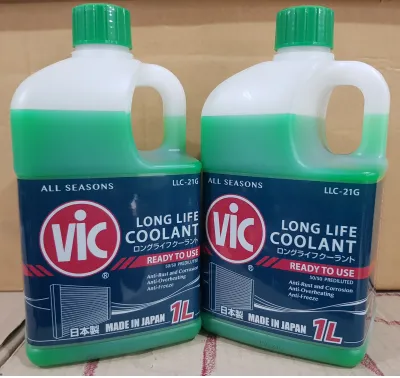
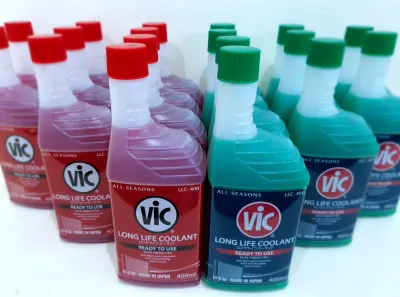
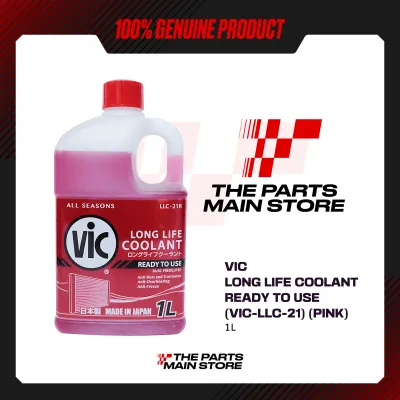
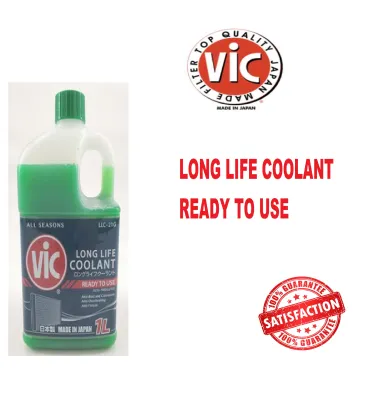
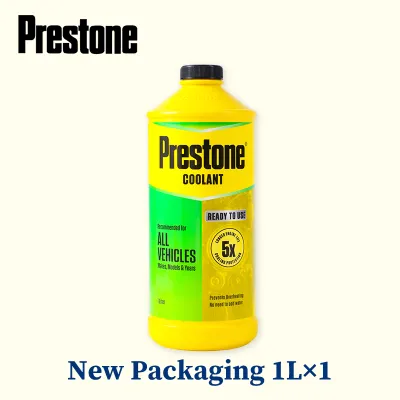
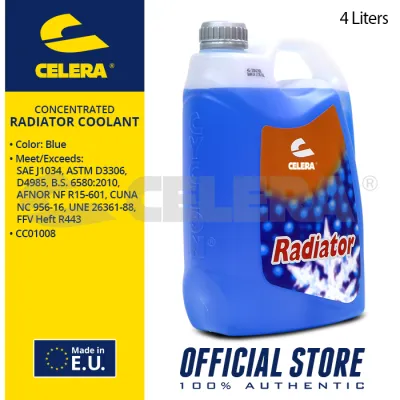
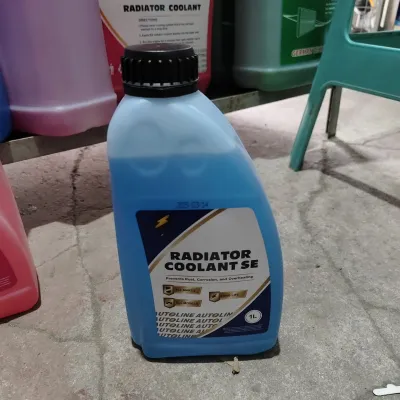
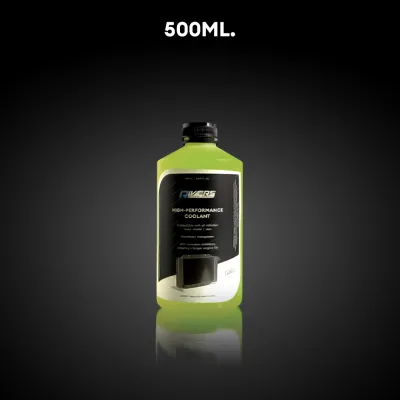
Prices are valid at publication and may change. Please refer to the product page for the latest price.
When selecting a coolant, you will encounter both premixed and concentrated formulas. Premixed coolants, usually sold in a 50/50 ratio of coolant to demineralized water, are highly recommended for most vehicle owners because they eliminate the risk of mixing errors. Concentrated formulas require you to dilute the chemical with distilled water before pouring it into the system. Never use tap water for dilution, as the dissolved minerals can quickly form scale deposits inside the radiator’s narrow passages, severely reducing heat transfer efficiency.
It is a common misconception that you can determine chemical compatibility simply by looking at the color of the fluid. While Nissan’s factory-fill coolant is typically blue, aftermarket manufacturers use various dyes—including pink, green, blue, and yellow—for their products. Relying solely on color-coding can lead to mixing incompatible chemical packages, which can neutralize the corrosion inhibitors or cause the fluid to break down prematurely. Always prioritize the written specification code on the label over the visual color of the liquid.
Your Almera’s engine block, cylinder head, and radiator are constructed primarily from lightweight aluminum alloys, which require specialized protection. P-OAT coolants are specifically formulated with phosphates and organic acids to provide rapid, robust protection for aluminum surfaces under high temperatures. This chemistry avoids the use of silicates, borates, and amines. Silicates can act as abrasives that wear down water pump seals, while borates can accelerate corrosion in aluminum components when exposed to the high-heat cycles typical of tropical driving.
OEM vs. Aftermarket Coolants: Evaluating Your Options
Deciding between OEM Nissan fluids and aftermarket alternatives requires weighing cost, convenience, and warranty considerations. Purchasing genuine Nissan Blue Long Life Coolant directly from an authorized dealership or service center guarantees absolute compatibility and preserves your vehicle’s factory warranty. However, OEM fluids generally carry a premium price tag and may require a dedicated trip to a dealership, which might not be convenient if you live far from major commercial hubs.

Reputable aftermarket coolants offer a highly accessible and cost-effective alternative, provided you verify their credentials. When evaluating aftermarket options, look for products from established global chemical manufacturers that explicitly state they meet or exceed Nissan L248, L250, or L255 specifications. Avoid products that only feature generic marketing claims like “suitable for all Asian vehicles” without listing the specific testing standards or manufacturer codes they comply with.
Mixing different coolant chemistries is one of the most hazardous mistakes you can make during cooling system maintenance. If you mix a silicate-based European formulation with the phosphate-based Asian formulation required by your Almera, the chemicals can react negatively. This reaction often results in the formation of a thick, gelatinous sludge that can clog your radiator core, heater core, and engine water jackets, leading to localized hot spots and severe engine damage. Furthermore, using non-compliant fluids or mixing incompatible types can void any active manufacturer or service warranties.
Switching from the factory-fill coolant to an alternative aftermarket formulation also carries long-term maintenance implications. While a high-quality aftermarket P-OAT coolant can perform admirably, you must ensure that the old fluid is completely flushed from the system before introducing the new brand. A simple drain-and-fill operation leaves a significant amount of old fluid in the engine block, meaning a complete system flush with distilled water is necessary to prevent chemical contamination when changing brands.
How to Verify Coolant Compatibility Before Purchasing
To protect your engine, you should follow a strict verification process before handing over your money for a bottle of coolant. Begin by carefully reading the technical data sheet or the back label of the product packaging. Look for a dedicated section listing manufacturer approvals or compliance standards. You want to see an explicit mention of Nissan specifications or compliance with the JIS K 2234 standard, which governs high-quality coolants designed for Japanese automotive cooling systems.
Be highly skeptical of “universal” or “all-makes, all-models” coolants. While these products claim to work safely in any vehicle, they often utilize a generic Organic Acid Technology (OAT) formulation that lacks the rapid-acting phosphate inhibitors required to protect the Almera’s aluminum water pump from cavitation. Cavitation occurs when tiny vapor bubbles collapse violently against metal surfaces, eroding the water pump impeller over time. A dedicated P-OAT fluid prevents this damage much more effectively than a generic universal fluid.
Before purchasing, physically inspect the packaging for quality and authenticity. Ensure that the bottle features a intact, tamper-evident seal beneath the cap. Check the label for clear manufacturing dates, batch numbers, and expiration dates, as chemical inhibitors can degrade if the product has been sitting on a shelf for several years under poor storage conditions. If the printing on the label is blurry, misspelled, or lacks clear manufacturer contact information, do not purchase the product.
If you encounter any ambiguity on the product packaging, or if the retailer cannot provide clear documentation of the product’s origin and compatibility, halt the purchase immediately. It is far safer and more economical to delay your maintenance work than to risk pouring an unverified chemical into your engine. In these situations, consult a qualified mechanic or contact your local Nissan service department to obtain the correct fluid or verify if a specific aftermarket brand is safe to use.
Sourcing Authentic Coolants in the Philippines
Sourcing genuine automotive fluids in the local market requires careful selection of your purchasing channels to avoid counterfeit products. The most reliable source for genuine Nissan coolant is an authorized Nissan dealership service center. Buying directly from the dealership parts counter ensures that you receive authentic OEM fluids that have been imported through official supply chains, giving you complete peace of mind regarding product quality and compatibility.
If you prefer to buy aftermarket brands, locate established, brick-and-mortar auto supply stores that specialize in Japanese vehicle parts. Reputable shops are usually transparent about their supply chains and can tell you exactly which official distributor supplied their stock. Do not hesitate to ask the store manager about the origin of their products, as reputable businesses will gladly verify their sourcing to maintain customer trust.
When browsing e-commerce platforms or online marketplaces, you must exercise extreme caution. The digital marketplace is flooded with counterfeit automotive fluids packaged in convincing replica bottles. To minimize risk, only purchase from official brand stores, certified flagship malls, or highly rated sellers with a long history of positive feedback specifically concerning automotive consumables. Avoid listings that feature prices significantly lower than the market average, as unrealistically cheap products are a primary indicator of counterfeit or diluted fluids.
Additionally, pay attention to how the retailer stores their inventory. The tropical climate of the Philippines exposes products to intense heat and high humidity. Coolant bottles stored in direct sunlight or in hot, unventilated metal warehouses can suffer from accelerated plastic degradation, which can compromise the container’s seal and allow moisture or contaminants to enter. Whenever possible, purchase from clean, well-maintained stores that keep their inventory in temperature-controlled or shaded indoor environments.
Safe Practices for Checking and Topping Up Coolant
Performing basic cooling system maintenance requires strict adherence to safety protocols to prevent severe personal injury. The most critical rule of cooling system service is to never open the radiator cap or the coolant reservoir cap while the engine is hot or running. The cooling system operates under high pressure to raise the boiling point of the fluid. Opening the system while hot will cause an instantaneous drop in pressure, resulting in the superheated fluid violently boiling over and spraying scalding liquid and steam onto your face and hands. Always allow the engine to cool completely—typically for at least two to three hours—before attempting to open any caps.
Once the engine is cold, locate the translucent coolant expansion reservoir in the engine bay. The reservoir features molded lines indicating the “MIN” (minimum) and “MAX” (maximum) levels. When the engine is cold, the coolant level should sit comfortably between these two marks, ideally closer to the “MAX” line. If the level is at or below the “MIN” mark, use a clean funnel to add your verified premixed coolant directly into the reservoir until it reaches the proper level. Avoid overfilling, as the fluid needs space to expand when the engine reaches operating temperature.
While checking the level, take a moment to visually inspect the condition of the fluid inside the reservoir. Healthy Nissan coolant should appear clear and vibrant blue. If the fluid looks brown, muddy, or contains floating black particles, it indicates severe contamination, rust, or a failing engine component, such as a leaking head gasket. Additionally, look for white, crusty residue around hose connections, the radiator core, or the water pump, as this is a clear sign of a slow coolant leak that requires immediate professional inspection and repair.
Finally, remember that engine coolant is highly toxic to humans, pets, and the environment. Its sweet smell can attract animals, posing a fatal poisoning hazard if left exposed. Always wipe up any accidental spills immediately with rags or absorbent material. If you perform a full system flush, collect the drained fluid in a heavy-duty, leak-proof container and transport it to an authorized recycling center or hazardous waste disposal facility. Never pour used coolant down household drains, storm sewers, or directly onto the ground.
Frequently Asked Questions (FAQ)
Can I mix different coolant colors or brands in my Nissan Almera?
No, you should not mix different coolant colors or brands in your Nissan Almera. Color is merely a dye added by manufacturers and does not represent chemical compatibility. Mixing different formulations—such as a phosphate-based Asian coolant with a silicate-based European coolant—can cause a chemical reaction that forms a thick gel or sludge. This sludge can block the narrow passages of your radiator and engine block, leading to severe overheating. If you do not know what brand or type of coolant is currently in your system, it is safest to perform a complete system flush with distilled water before refilling it with a single, verified P-OAT coolant.
How often should the coolant be completely flushed and replaced?
You should consult your Nissan Almera owner’s manual for the exact service intervals, as they vary by model year and engine type. Generally, Nissan’s factory-fill Blue Super Long Life Coolant is designed to last for up to 80,000 to 100,000 kilometers, or approximately 4 to 5 years, whichever comes first. However, the harsh driving conditions in the Philippines—including extreme tropical heat, high humidity, and prolonged idling in heavy traffic—can accelerate the degradation of the fluid’s protective inhibitors. It is highly recommended to have your coolant’s pH and freeze point tested annually by a qualified mechanic, and to replace the fluid whenever you service major cooling system components like the water pump or radiator.
Is it safe to use distilled water as a temporary coolant substitute in an emergency?
Using distilled water is acceptable only as a temporary emergency measure to prevent your engine from overheating when no proper coolant is available. Distilled water is free of the minerals found in tap water that cause scale buildup, making it the only safe water type to put in your radiator. However, water alone lacks the boiling point elevation, lubrication, and corrosion inhibitors provided by a proper 50/50 coolant mixture. Operating your vehicle long-term on pure water will lead to internal rust, water pump damage, and a high risk of boil-over. If you must use distilled water in an emergency, drive directly to a service center to have the system flushed and refilled with the correct P-OAT coolant mixture as soon as possible.

Community discussion
Share your experience or ask a question. Comments are reviewed before publication.