
Deciding on a replacement radiator for your Yamaha NMAX V2 comes down to a choice between the guaranteed, plug-and-play reliability of an Original Equipment Manufacturer (OEM) part and the cost flexibility or specialized designs of aftermarket alternatives. The NMAX V2 is a staple of daily commuting in the Philippines, where stop-and-go traffic, high ambient temperatures, and intense humidity put a constant thermal load on the engine. A compromised cooling system can quickly lead to engine overheating, warped cylinder heads, and costly repairs.
To make an informed decision, you must weigh the predictable standards of genuine factory parts against the diverse landscape of aftermarket components. While some aftermarket options offer robust construction at a lower price point, they require a higher level of scrutiny during purchase and installation. Understanding the technical differences, verification steps, and safety protocols will ensure your scooter remains reliable on the road.
Understanding OEM and Aftermarket Radiator Standards
Original Equipment Manufacturer (OEM) radiators are genuine parts sourced directly through authorized Yamaha distribution networks. These components are manufactured to the exact blueprints, material specifications, and quality control standards established by the factory for the NMAX V2. When you buy an OEM radiator, you are purchasing a part that is identical to the one installed on the assembly line, ensuring consistent heat dissipation and a perfect physical fit without any modifications.
Products mentioned in this guide
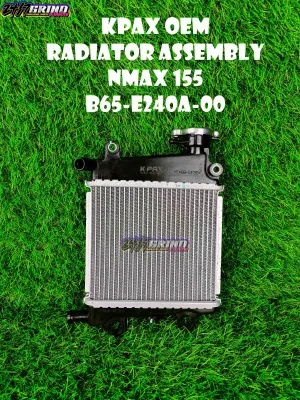
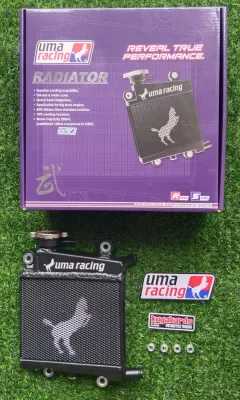
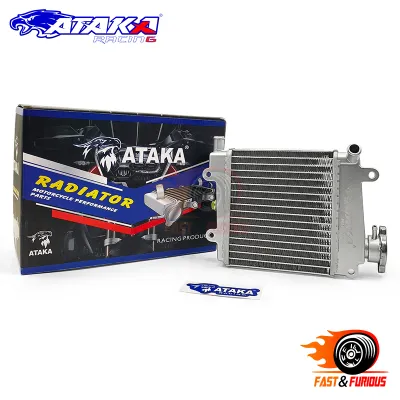
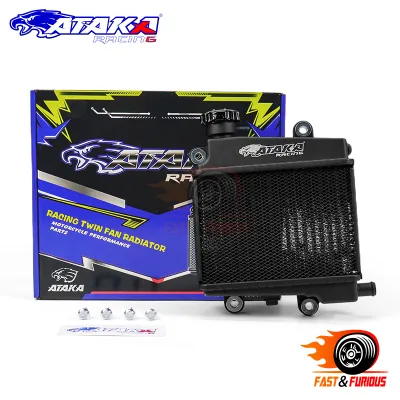
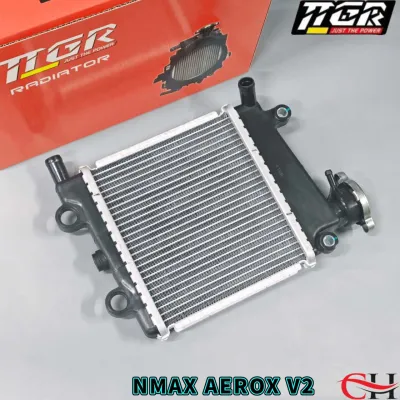
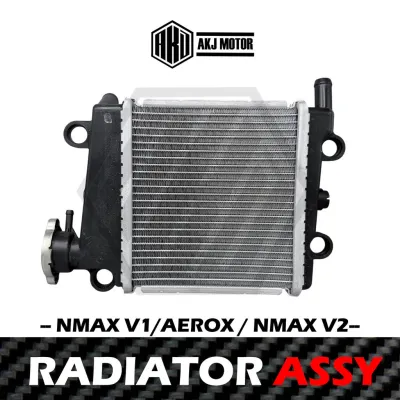
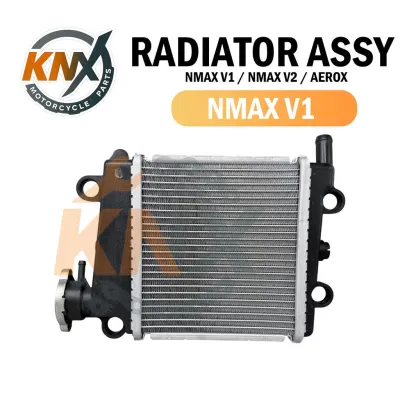
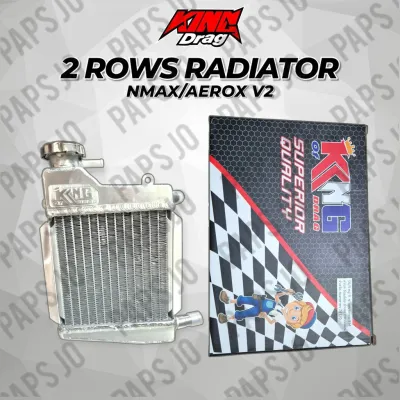
Prices are valid at publication and may change. Please refer to the product page for the latest price.
Aftermarket radiators encompass a broad spectrum of products manufactured by third-party companies. This category is highly diverse, ranging from established motorcycle performance brands that produce high-capacity cooling units to unbranded, budget-friendly replacements found on local online marketplaces. Because these parts do not undergo the same factory certification processes as OEM components, their quality, material grades, and manufacturing tolerances can vary significantly.
The primary distinction lies in the consistency of production. OEM parts adhere to strict quality assurance protocols, meaning every unit off the line will perform identically. Aftermarket manufacturers, particularly in the lower price tiers, may use thinner aluminum alloys, less robust plastic end tanks, or less precise welding techniques to reduce production costs. Consequently, choosing an aftermarket radiator requires you to actively verify the product’s specifications rather than assuming it matches factory performance.
Critical Dimensions to Verify Before Buying
When evaluating any replacement radiator for your NMAX V2, physical compatibility is the most critical factor. You cannot rely solely on a product listing or a seller’s compatibility claim; instead, you must verify the physical dimensions and mounting interfaces against your original unit.

First, inspect the fitment and mounting points. The NMAX V2 chassis has specific mounting brackets that align with the radiator shroud and the engine block. Check that the replacement radiator’s mounting tabs are in the exact same positions and have the correct bolt hole diameters. Additionally, verify the outer diameter and angle of the inlet and outlet hose necks. Even a minor variance in hose neck angle can kink your coolant hoses, restricting flow and causing localized overheating.
Second, examine the core thickness and fin density. The core is the active heat-exchange area of the radiator, consisting of flat tubes and folded cooling fins. Measure the thickness of the replacement core and compare it to your stock radiator. While a thicker core can hold more coolant, it must still fit within the tight clearances of the NMAX V2 engine bay without rubbing against the fairings or suspension components. Fin density, measured in fins per inch, determines the surface area available for cooling; however, excessively dense fins can restrict airflow at low speeds, which is counterproductive in heavy city traffic.
Third, verify the material composition of the radiator. Standard OEM radiators typically feature an aluminum core crimped to molded plastic end tanks. Many aftermarket options offer all-aluminum construction, where the end tanks are welded directly to the core. While all-aluminum radiators can be highly durable, you must inspect the quality of the welds. Look for clean, uniform weld beads without porosity or pinholes. If the product description does not specify the aluminum alloy grade (such as 3003 or 6061 aluminum), ask the seller for technical documentation to ensure the metal can withstand the corrosive environment of a pressurized cooling system.
Finally, check the pressure cap and valve compatibility. The radiator cap is a safety valve that maintains system pressure, raising the boiling point of the coolant. Ensure the replacement radiator accepts the standard NMAX V2 radiator cap or comes with a high-quality cap rated for the correct pressure limit (typically around 1.1 bar). An incompatible cap interface can lead to coolant leaks into the overflow reservoir or prevent the system from drawing coolant back into the radiator as the engine cools.
Evaluating Cost, Warranty, and Long-Term Value
The financial decision between OEM and aftermarket radiators involves looking beyond the initial purchase price to calculate the total cost of ownership. Genuine Yamaha parts generally command a premium price at authorized local dealers, reflecting the cost of factory testing, import duties, and guaranteed compatibility. This upfront investment provides peace of mind, as the part is guaranteed to function correctly without additional modification or premature failure.
In contrast, aftermarket radiators available on local e-commerce platforms span a wide price range. Budget-friendly options can cost significantly less than OEM parts, making them highly attractive if you are on a strict repair budget. However, these lower-priced units often come with shorter or non-existent warranty periods, sometimes limited only to a standard platform return window. If an unbranded aftermarket radiator fails prematurely due to a split seam or a leaking weld, the cost of buying a replacement and performing another coolant flush will quickly exceed the price of a single OEM unit.
You must also factor in potential hidden costs associated with aftermarket fitment. If the replacement radiator does not align perfectly, you may need to purchase specialized mounting hardware, new hose clamps, or custom silicone hoses to complete the installation. Furthermore, if the unit fails and causes the engine to overheat, you risk severe damage to the cylinder head gasket, which is a far more expensive repair. When evaluating value, consider how long you plan to keep the scooter; for long-term daily use, the reliability of an OEM part often translates to better value over time.
Installation Safety and Cooling System Integrity
Replacing a motorcycle radiator is a precise task that directly impacts engine health. Because the cooling system operates under high pressure and extreme temperatures, you must establish clear safety boundaries before beginning any work. Always allow the engine to cool completely before touching any cooling system components; opening a hot radiator cap can release pressurized steam and boiling coolant, causing severe burns.
Before starting the installation, consult the official NMAX V2 service manual for exact torque specifications for the mounting bolts and the drain plug. Over-tightening bolts into the aluminum engine case can easily strip the threads, leading to costly repairs. Additionally, ensure you have the correct tools, including a torque wrench, clean containers for fluid disposal, and safety gear such as gloves and eye protection.
When refilling the system, the choice of coolant is critical. Always use a high-quality, pre-mixed motorcycle coolant that is compatible with aluminum engines. Never mix different coolant formulations, such as silicate-based and silicate-free (organic acid technology) coolants. Mixing incompatible fluids can cause a chemical reaction that forms a thick gel, clogging the narrow passages of the radiator core and the engine block, which leads to rapid overheating.
Once the new radiator is installed and the system is filled, you must perform a thorough coolant bleeding procedure to remove any trapped air pockets. Air bubbles in the cooling lines can block coolant flow and cause localized hot spots in the cylinder head. Follow the manufacturer’s instructions to bleed the system, which typically involves running the engine with the radiator cap off for a specified period while monitoring the coolant level and gently squeezing the hoses to release trapped air.
Establish clear stop conditions during the installation process. If you find that the mounting brackets do not align without forcing them, if the hose necks are the wrong diameter, or if the temperature sensor does not thread smoothly into the radiator body, halt the installation immediately. Do not attempt to modify the radiator or use makeshift adapters. In these situations, reinstall the stock components if possible and seek the assistance of a qualified professional mechanic to ensure the integrity of your cooling system.
Decision Framework: Choosing the Right Radiator
To finalize your decision, evaluate your specific riding requirements, budget, and technical comfort level against the characteristics of each radiator type.
Choose an OEM radiator if you prioritize long-term reliability, daily commuting dependability, and hassle-free installation. If your NMAX V2 is your primary source of transport or livelihood, the guaranteed fitment and factory-standard cooling performance of a genuine Yamaha part are worth the higher initial cost. This choice also preserves any remaining factory warranty on your scooter and maintains its resale value.
Choose an aftermarket radiator if you are working within a strict budget, use the scooter primarily for short, low-stress trips, and have the technical knowledge to verify the part’s specifications. If you select this route, avoid the cheapest unbranded options and instead look for reputable aftermarket manufacturers that offer clear specifications, material details, and a reasonable seller warranty.
Verify first if you are considering a modified or high-capacity aftermarket radiator. If your NMAX V2 has engine modifications that require enhanced cooling, a high-capacity all-aluminum radiator may be beneficial. However, you must carefully verify that the unit is designed specifically for the V2 model year, as differences in bodywork clearance and mounting points from other generations can prevent a proper fit without extensive modifications.
Frequently Asked Questions (FAQ)
Can I use an NMAX V1 radiator on a V2 model?
No, you should not attempt to install an NMAX V1 radiator on an NMAX V2. While both scooters share a similar engine platform, Yamaha updated the chassis, mounting bracket locations, hose routing, and bodywork clearances for the V2 model. Attempting to fit a V1 radiator will result in alignment issues, pinched hoses, and potential interference with the fairings. Always verify the specific OEM part number or aftermarket compatibility list for the V2 model year before purchasing.
How do I know if my current radiator needs replacement instead of just a flush?
A radiator requires replacement when it suffers from physical structural failure that cannot be resolved by cleaning. Inspect the unit for external signs of damage, such as heavily bent or crushed cooling fins over a significant portion of the core, which restricts airflow. Look for persistent coolant leaks, especially at the seams where the plastic end tanks are crimped to the aluminum core, as these joints degrade over time. If your engine continues to overheat after a thorough chemical flush and you observe rust or heavy scale buildup inside the filler neck, the internal passages may be permanently blocked, necessitating a replacement.
Is it safe to use tap water in an emergency if I don't have coolant?
Using tap water is strictly an emergency measure to get your scooter to a safe location and should not be used for regular operation. Tap water contains dissolved minerals like calcium and magnesium, which precipitate under high engine temperatures to form scale deposits inside the narrow cooling passages. This scale acts as an insulator, reducing heat transfer and eventually clogging the radiator. Furthermore, water lacks the corrosion inhibitors and water pump lubricants found in proper motorcycle coolant, leading to rapid rust and cavitation damage. If you must use water in an emergency, use distilled water if available, and perform a complete system flush and refill with proper coolant as soon as possible.

Community discussion
Share your experience or ask a question. Comments are reviewed before publication.