
The ideal brake shoe for your Honda TMX 155 depends on how you use your motorcycle, balancing daily commuting with heavy-duty commercial hauling. Original Equipment Manufacturer (OEM) brake shoes guarantee factory-matched safety, predictable stopping power, and precise fitment for the TMX 155’s drum brake system. On the other hand, reputable aftermarket options offer excellent availability and cost benefits, making them a practical choice for budget-conscious riders and fleet operators, provided they meet strict quality and fitment standards.
The Honda TMX 155 is a legendary workhorse on Philippine roads, frequently subjected to demanding conditions, heavy passenger loads, and stop-and-go traffic in high humidity. Because drum brakes rely on the friction between the brake shoes and the inner surface of the wheel hub, choosing the right replacement component is critical for your safety and the longevity of your motorcycle. This comparison explores the differences between genuine OEM parts and aftermarket alternatives, helping you make an informed decision based on performance, durability, and overall value.
Safety First: Brake System Boundaries and Fitment Verification
Before purchasing any brake shoes, you must establish clear safety boundaries and verify compatibility. The Honda TMX 155 has been produced in various iterations over the years, and minor differences in model years can affect drum brake dimensions. Never assume a brake shoe fits based solely on a generic product label; always verify the exact part numbers and drum diameter compatibility for your specific TMX 155 model year.
Products mentioned in this guide
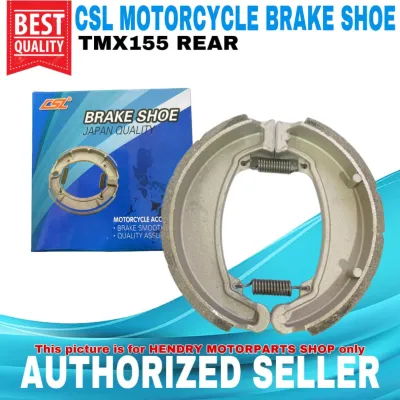
![[KRCP] TMX155 REAR BRAKE SHOE Genuine Part 06430-KB5-900 from Indonesia](https://img.lazcdn.com/g/p/9ec42b7200b479a7525d0b0a7ed7c7fb.jpg_400x400q80.jpg_.webp)
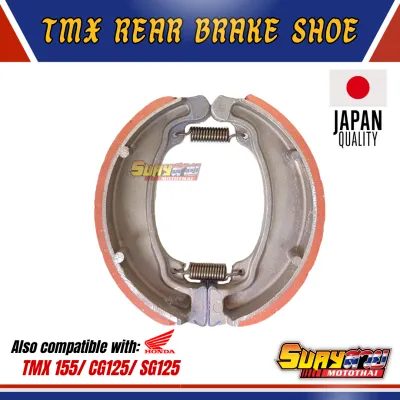
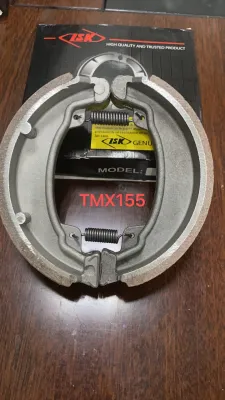
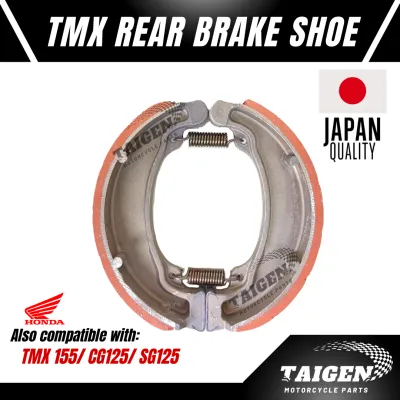
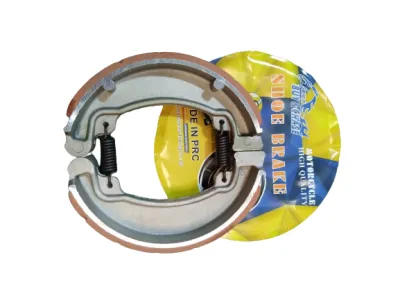
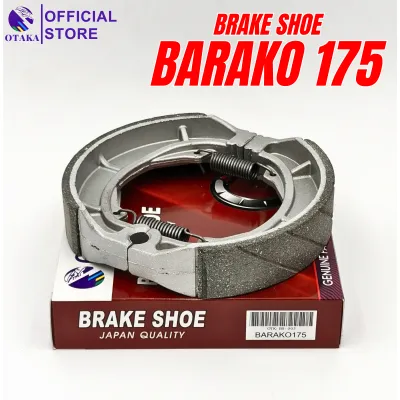
Prices are valid at publication and may change. Please refer to the product page for the latest price.
Because the braking system is a critical safety component, any maintenance or replacement requires careful inspection of the entire assembly. Consult your owner’s manual or a qualified mechanic regarding brake cable tension, return spring condition, and the state of the brake cam. If you notice that the brake drum is scored, out of round, or heavily worn, installing new brake shoes will not restore optimal stopping power. In such cases, or if any mounting hardware shows signs of fatigue or corrosion, stop immediately and seek professional installation and repair.
Working on motorcycle brakes carries inherent risks if done incorrectly. Ensure the motorcycle is securely parked on its center stand on a level surface before removing the rear wheel. Clean the brake assembly using a dedicated brake cleaner to remove accumulated dust and debris, avoiding the inhalation of fine particles. If you are not fully confident in your ability to properly adjust the brake play or secure the torque arm, always have a certified motorcycle technician perform the installation.
OEM Brake Shoes: Predictable Performance and Factory Standards
Genuine Honda OEM brake shoes represent the baseline standard for safety and reliability. These parts are engineered specifically for the TMX 155, utilizing a friction material compound that matches the hardness and thermal characteristics of the stock steel drum. This precise engineering ensures consistent stopping power under various weather conditions, from dry summer heat to heavy monsoon downpours.

One of the primary advantages of choosing OEM brake shoes is their predictable wear rate. Because the friction material is designed to wear down before the drum does, using genuine parts helps protect your expensive wheel hubs from premature wear. Additionally, buying from authorized Honda dealers ensures you receive a product backed by factory quality control, minimizing the risk of manufacturing defects such as friction material delamination.
However, choosing OEM parts does involve certain trade-offs. Genuine Honda brake shoes typically carry a higher upfront cost compared to common aftermarket alternatives, which can add up for commercial riders who cover high mileages daily. Furthermore, depending on your location, authorized dealerships may occasionally face stock shortages, requiring you to wait for parts or seek alternative sourcing options.
Aftermarket Brake Shoes: Evaluating Compounds and Value
The aftermarket industry offers a vast array of brake shoes for the Honda TMX 155, ranging from premium performance brands to budget-friendly utility options. When evaluating these third-party products, you must look past marketing claims and focus on verifiable quality indicators. Reputable aftermarket manufacturers print recognized safety certifications, standard compliance markings, or batch numbers directly on the packaging or the backing plate of the shoe.
Understanding the friction compound is essential when choosing aftermarket brake shoes. Most options utilize organic, semi-metallic, or ceramic-infused compounds, each offering different characteristics. Organic compounds are generally softer, providing a smooth, quiet bite and low drum wear, though they may wear down faster under heavy loads. Semi-metallic compounds offer stronger initial bite and better heat dissipation, making them suitable for carrying heavy cargo, but they can generate more brake dust and accelerate drum wear.
When shopping in the aftermarket space, you must remain vigilant against red flags that indicate low-quality or unsafe products. Avoid brake shoes sold in unbranded, plain packaging or those lacking clear specification labels and manufacturer contact information. Extremely low prices—significantly below the market average for reputable brands—often indicate substandard friction materials that can fail under high heat, leading to sudden brake fade or complete delamination of the friction lining from the metal backing plate.
Decision Framework: Daily Commuting vs Commercial Heavy-Duty Use
To choose the right brake shoes for your TMX 155, you must evaluate your primary riding conditions, payload requirements, and maintenance budget. This conditional framework helps align your choice with your daily operational needs.
You should choose OEM brake shoes if you prioritize a guaranteed factory feel, ride primarily for personal commuting or light transport, and want to eliminate any guesswork regarding fitment and drum wear. The predictable performance of genuine parts ensures that your braking response remains consistent with how the motorcycle felt when it first rolled off the showroom floor. This is the safest route for riders who prefer a “set-and-forget” maintenance routine.
You should choose reputable aftermarket brake shoes if you manage a fleet of delivery or tricycle units, require immediate parts availability from local shops, or need specific high-friction compounds to handle frequent heavy-load hauling. For commercial operations where downtime translates directly to lost income, the lower cost and widespread availability of quality aftermarket brands make them a highly practical choice. If you carry heavy loads, verify with the aftermarket manufacturer that their compound is rated for heavy-duty utility use.
Regardless of your choice, neither option will perform safely if the surrounding brake components are compromised. If your brake drum is deeply grooved, the backing plate is bent, or the brake cam is sticking, new brake shoes will wear unevenly and fail to provide adequate stopping power. Always inspect, clean, and, if necessary, replace these supporting hardware components before installing your new brake shoes.
Purchasing Safely and Avoiding Counterfeits
Because the Honda TMX 155 is incredibly popular, it is a frequent target for counterfeit parts manufacturers. Installing fake brake shoes poses a severe safety risk, as substandard bonding agents can cause the friction material to detach entirely during hard braking. To protect yourself, buy replacement parts only from authorized motorcycle dealerships, established local parts distributors, or official brand stores on reputable e-commerce platforms.
When purchasing, carefully inspect the product packaging for security features. Genuine parts and high-quality aftermarket brands typically feature high-resolution printing, clear holographic stickers, and specific part number labels that match the manufacturer’s catalog. Be suspicious of packaging with blurry text, misspelled words, or labels that look easily peelable or generic.
Finally, perform a physical inspection of the brake shoes before installation. Check that the friction material is evenly bonded to the metal backing plate with no visible gaps, cracks, or excess adhesive spilling over the edges. The metal backing plate should be free of rough edges, rust, or casting defects, and the spring mounting holes must be cleanly drilled to ensure the return springs can be securely attached.
Frequently Asked Questions (FAQ)
How often should I replace the brake shoes on my TMX 155?
Rather than relying on a fixed mileage interval, you should determine replacement timing by inspecting the wear indicator pointer on the brake panel. When you press the brake pedal or squeeze the lever fully, check if the pointer aligns with the wear limit mark on the panel; if it does, the shoes must be replaced. Additionally, inspect the thickness of the friction material during every tire change or routine maintenance, and replace the shoes immediately if you hear scraping noises or feel a sudden loss of lever resistance.
Can I use brake shoes from a different Honda model on the TMX 155?
You should never assume brake shoes are compatible simply because they look similar or come from another Honda motorcycle with a similar engine displacement. Different models often use distinct drum diameters, backing plate widths, and spring attachment points. To avoid dangerous fitment issues, always cross-reference the exact OEM part number or verify the inner drum diameter specifications with a qualified mechanic before attempting to install brake shoes designed for a different model.

Community discussion
Share your experience or ask a question. Comments are reviewed before publication.