
Deciding between an Original Equipment Manufacturer (OEM) clutch lining and an aftermarket alternative for your Sniper 150 is a critical decision that directly impacts your motorcycle’s rideability, power delivery, and long-term maintenance costs. The Sniper 150 is a highly popular underbone motorcycle in the Philippines, frequently subjected to demanding daily commutes, intense tropical heat, and stop-and-go traffic. Choosing the right clutch lining requires balancing your specific riding habits, budget, and performance expectations. While genuine OEM parts offer unmatched predictability and a guaranteed factory fit, aftermarket alternatives present opportunities for cost savings or tailored performance characteristics. Understanding how these options differ in material composition, durability, and engagement feel will help you make an informed decision that keeps your motorcycle running smoothly on local roads.
Understanding the Role of the Clutch Lining in Your Sniper 150
The clutch lining, or friction plate assembly, plays a vital role in your motorcycle’s manual transmission system. When you pull the clutch lever, the pressure plate releases, allowing the clutch plates to spin freely. As you release the lever, the clutch linings press against the steel plates, creating the friction necessary to transfer rotational energy from the engine crankshaft directly to the transmission and ultimately to the rear wheel. Under varying loads—such as climbing steep inclines, carrying a pillion passenger, or accelerating from a complete stop—these linings must withstand immense friction and heat without slipping.
Over time, the friction material on the clutch linings naturally wears down. You can identify a worn clutch lining through several distinct, observable symptoms. The most common sign is clutch slippage, where the engine RPM increases rapidly when you twist the throttle, but the motorcycle’s actual speed does not increase proportionally. You might also notice a distinct loss of acceleration, a spongy or unusually stiff clutch lever feel, or difficulty shifting gears smoothly. In severe cases, a burning smell may emanate from the engine crankcase, indicating extreme friction and heat buildup.
Products mentioned in this guide
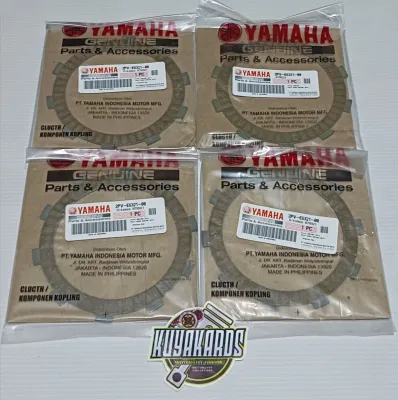
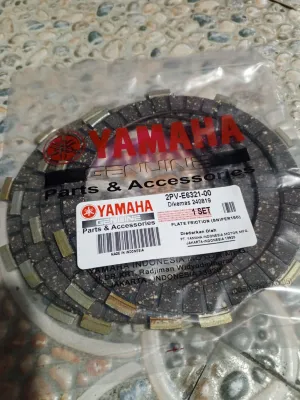
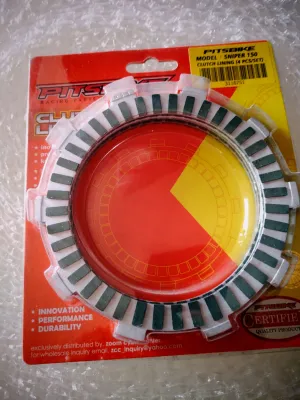
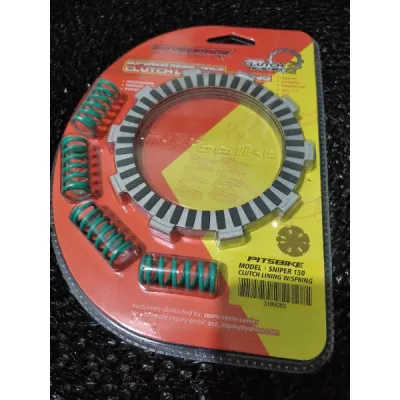
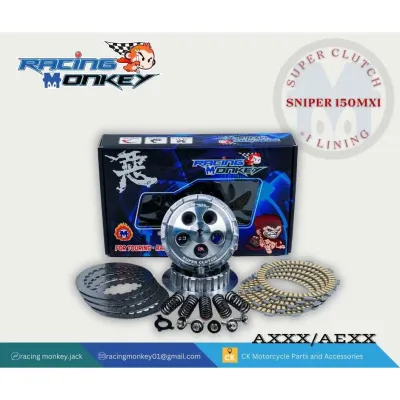
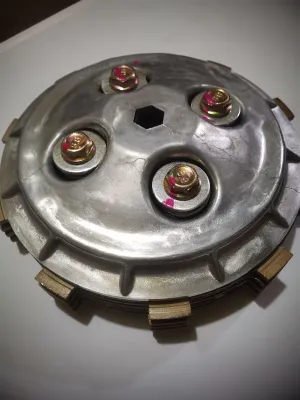
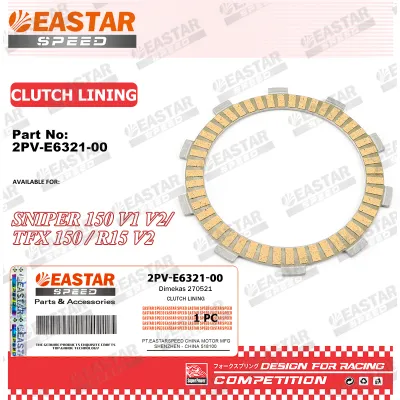
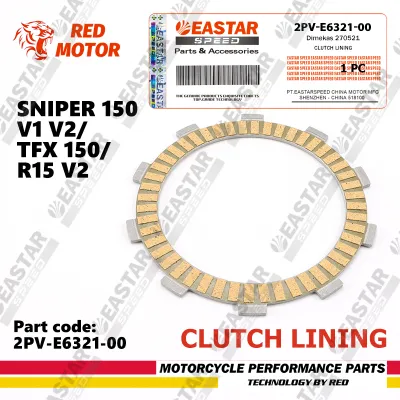
Prices are valid at publication and may change. Please refer to the product page for the latest price.
Before purchasing any replacement parts, it is essential to consult your motorcycle’s official service manual. The manual provides the exact wear limits for the friction plates, the recommended inspection intervals, and the safety boundaries for clutch assembly maintenance. Measuring the thickness of your existing plates with a precision caliper and comparing the readings to the manufacturer’s service limits is the only definitive way to confirm if a replacement is necessary.
OEM Clutch Linings: Predictable Performance and Factory Fit
Choosing genuine OEM clutch linings for your Sniper 150 ensures that you are installing parts engineered specifically for your motorcycle’s engine configuration. These genuine parts are manufactured to match the exact friction material specifications, thickness, and tolerances established by the factory. This precise matching guarantees a predictable clutch engagement feel, allowing for smooth takeoffs and consistent power delivery without the need to adapt to a different lever bite point.

The primary advantage of OEM linings lies in their consistent lifespan and seamless integration with the stock clutch basket, pressure plates, and clutch springs. Because the friction material is formulated to work harmoniously with the factory engine oil specifications and operating temperatures, the risk of premature wear or accelerated degradation of surrounding components is minimal. For riders who rely on their Sniper 150 for daily transportation, this predictability translates to peace of mind and reduced maintenance frequency.
However, opting for genuine OEM parts does involve certain trade-offs. OEM components typically carry a higher upfront cost compared to standard aftermarket alternatives, which can be a significant factor if you are on a tight budget. Additionally, because of the high demand for genuine parts, counterfeit components are common in the market. To ensure you are purchasing authentic OEM linings, you must source them directly from authorized dealers or reputable local distributors, rather than unverified online sellers.
Aftermarket Clutch Linings: Cost Savings and Material Variations
The aftermarket segment offers a diverse range of clutch linings, catering to different rider preferences, budgets, and performance requirements. These options span from highly affordable, budget-friendly generic replacement sets to specialized, performance-oriented friction plates designed for modified engines or racing applications. This variety allows riders to customize their clutch setup based on their specific riding environment and financial constraints.
Aftermarket linings often utilize different friction materials, such as organic compounds, semi-metallic blends, or ceramic-infused materials. These material variations can significantly alter the clutch lever feel, heat tolerance, and engagement bite. For instance, some aftermarket plates are designed to offer a more aggressive engagement bite, which can appeal to riders seeking sportier acceleration. Others focus on enhanced heat dissipation, which is highly beneficial for managing the high operating temperatures typical of tropical climates and congested urban traffic.
Despite these potential benefits, choosing aftermarket parts introduces certain risks that require careful consideration. Lower-quality or unverified aftermarket linings may suffer from poor fitment precision, leading to uneven wear, clutch drag, or persistent slippage. Some budget materials may degrade rapidly under heavy loads, releasing debris into the engine oil and potentially clogging the oil strainer. To mitigate these risks, you must thoroughly research the reputation of the aftermarket manufacturer and verify the compatibility of the specific part number with your Sniper 150 model year.
Key Comparison Factors for Your Replacement Decision
To help you weigh the practical differences between OEM and aftermarket clutch linings, it is helpful to evaluate them across several key performance and value dimensions. The following comparison matrix outlines how these two categories generally compare under typical operating conditions:
| Comparison Factor | OEM Clutch Linings | Aftermarket Clutch Linings |
|---|---|---|
| Fitment Precision | Guaranteed factory fit; no modifications required | Variable; ranges from exact fit to minor tolerance deviations |
| Material Consistency | High; standardized friction compound | Variable; ranges from budget organic to high-heat compounds |
| Expected Durability | Consistent and predictable under standard use | Highly dependent on brand quality and material type |
| General Price Positioning | Higher upfront cost (₱₱ to ₱₱₱) | Budget-friendly to premium performance (₱ to ₱₱₱) |
When preparing to purchase a replacement, verifying compatibility is a critical step. You should check the exact model year of your Sniper 150, as minor design updates over production years can sometimes affect clutch plate dimensions or the required number of plates in the stack. Always cross-reference the manufacturer part numbers listed in your parts catalog with the product packaging before opening or attempting to install the new linings.
Identifying reputable aftermarket brands requires a diligent inspection of the product and its packaging. High-quality aftermarket manufacturers typically package their clutch linings in sealed, branded containers with clear holographic security labels, batch numbers, and detailed compatibility lists. Avoid purchasing linings that arrive in plain, unmarked plastic bags or show signs of poor manufacturing quality, such as uneven friction material application, rough edges, or loose fibers on the plates.
How to Decide: Matching the Clutch Lining to Your Riding Style
Selecting the right clutch lining ultimately depends on how you use your Sniper 150 and what you prioritize in your daily ride. If you are a daily commuter, a delivery rider, or a long-distance touring enthusiast who values reliability above all else, choosing OEM clutch linings is highly recommended. The factory-standard performance ensures that your motorcycle operates exactly as the engineers intended, providing a smooth, predictable ride with minimal risk of unexpected clutch failure during long journeys or daily city riding.
Conversely, you should consider aftermarket clutch linings if you are working within a strict budget and need a cost-effective repair solution, or if you are specifically looking to alter your motorcycle’s clutch engagement characteristics. If you choose this path, ensure you select verified, reputable aftermarket brands that have a proven track record of durability among local riders. This approach allows you to achieve reliable performance without paying the premium associated with genuine factory parts.
You must verify first and potentially seek professional assessment if your Sniper 150 has undergone engine modifications, such as a big bore kit, or if you regularly carry exceptionally heavy loads. Modified engines generate higher torque and heat, which can quickly overwhelm standard OEM or basic aftermarket friction materials. In these scenarios, upgrading to heavy-duty aftermarket clutch springs or specialized high-friction linings may be necessary to prevent slippage, and a qualified mechanic can help determine the most compatible setup for your modified powertrain.
Installation and Break-In Considerations
Proper installation and a disciplined break-in period are essential to maximizing the lifespan and performance of your new clutch linings, regardless of whether you chose OEM or aftermarket parts. When assembling the clutch pack, always refer to your service manual to verify the correct plate stacking order, as the friction plates and steel plates must be aligned in a specific sequence. Additionally, check the clutch spring tension and adjust the clutch cable free-play to the exact millimeter specifications outlined by the manufacturer to ensure complete engagement and disengagement.
Before installing the new friction plates, it is a standard industry practice to soak them in clean, fresh engine oil—ideally the same oil type you will use in your engine crankcase—for at least 15 to 30 minutes. This pre-soaking ensures that the dry friction material is fully saturated, preventing premature wear and burning during the initial engine start. Once installed, observe a gentle break-in period for the first 100 to 200 kilometers, avoiding sudden high-RPM launches, aggressive downshifting, or heavy loading to allow the new linings to bed in smoothly against the steel plates.
If you encounter any difficulties during the disassembly process, or if you observe deep grooving, warping, or heat discoloration on the clutch basket or pressure plates, stop immediately and consult a qualified professional mechanic. Attempting to install new linings into a damaged clutch basket will lead to rapid wear and poor performance. Specialized tools, such as a clutch holding tool and a calibrated torque wrench, are highly recommended to ensure all fasteners are tightened to the correct specifications without damaging the delicate aluminum components of your transmission.

Community discussion
Share your experience or ask a question. Comments are reviewed before publication.