
Choosing between a genuine Yamaha OEM ignition coil and an aftermarket alternative for your Mio i125 comes down to balancing long-term reliability against immediate budget constraints. A genuine OEM coil offers guaranteed electrical compatibility, exact physical fitment, and resistance to the high humidity and heat typical of Philippine roads. Conversely, aftermarket options provide a more affordable entry point but require careful verification of specifications, build quality, and seller reputation to avoid electrical issues or premature failure.
The ignition coil plays a critical role in your scooter’s fuel-injected engine by converting low battery voltage into the high-voltage spark required to ignite the air-fuel mixture. In a tropical climate characterized by heavy monsoon rains, high humidity, and intense stop-and-go traffic, the electrical system of your Mio i125 is constantly under stress. A failing or substandard coil can quickly lead to poor engine performance, leaving you stranded on your daily commute. Understanding the differences between original factory parts and third-party alternatives is essential for making an informed purchase.
Recognizing Ignition Coil Issues on the Mio i125
Before spending money on a replacement ignition coil, it is crucial to confirm whether this component is actually the source of your engine trouble. A failing ignition coil on a Mio i125 typically manifests through several distinct symptoms. You might experience hard starting in the morning, frequent engine misfires while accelerating, sudden stalling when the engine reaches operating temperature, or an unexplained drop in fuel economy. Because the Mio i125 relies on a precise electronic fuel injection system, any inconsistency in the spark can disrupt the entire combustion cycle.
Products mentioned in this guide
![[BR]GENUINE IGNITION COIL FOR MIO i125/M3](https://img.lazcdn.com/g/ff/kf/S7f641167e62c4d0280d1a8c4f4f1441et.jpg_400x400q80.jpg_.webp)
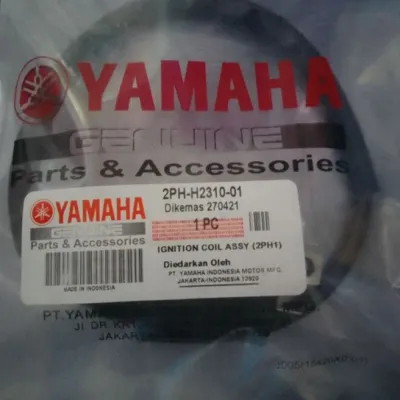
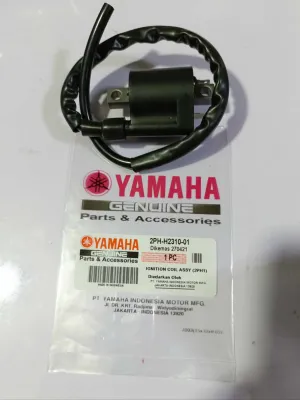
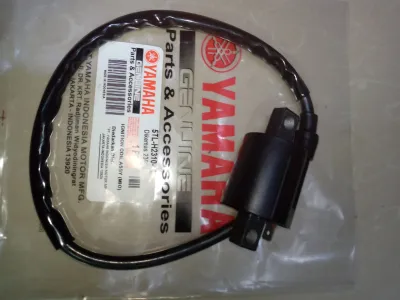
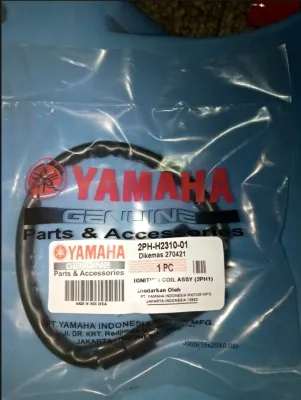
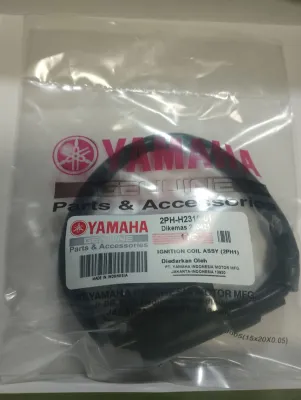
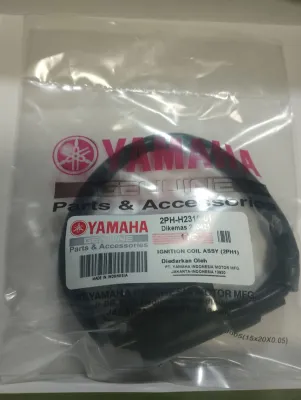
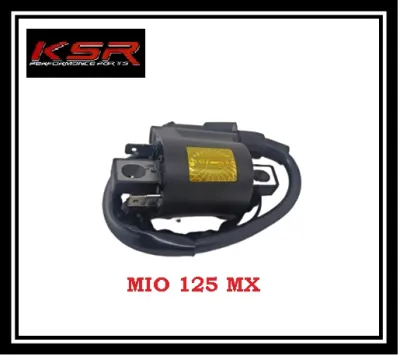
Prices are valid at publication and may change. Please refer to the product page for the latest price.
However, these symptoms can easily be confused with simpler, less expensive issues. A fouled spark plug, a loose spark plug cap, a weak battery, or even contaminated fuel can mimic the signs of a bad ignition coil. To distinguish between these problems, start with basic visual inspections. Check the spark plug cap to ensure it is tightly secured to both the spark plug and the high-tension wire. Inspect the ignition coil’s exterior for visible cracks in the plastic housing, signs of melting, or corrosion on the electrical terminals.
If the physical components appear intact, further diagnostic testing is required. This is where DIY boundaries must be respected. Testing the electrical resistance of the coil requires a digital multimeter and a clear understanding of the scooter’s electrical system. If you do not own the proper diagnostic tools or feel uncomfortable testing live electrical circuits, it is highly recommended to halt your troubleshooting and consult a qualified motorcycle mechanic. Misdiagnosing the issue can lead to purchasing unnecessary parts while leaving the root cause unresolved.
Genuine OEM Ignition Coils: Fitment and Factory Standards
Opting for a genuine Yamaha OEM ignition coil ensures that your Mio i125 receives a component manufactured to strict factory standards. The primary advantage of choosing an OEM part is the guarantee of exact electrical resistance, precise connector shapes, and perfect mounting bracket alignment. Because the coil is designed specifically for your scooter’s electrical architecture, it integrates seamlessly with the original engine tuning and ECU mapping, preventing any unexpected error codes or electrical interference.

The reliability of genuine parts is particularly valuable for riders who use their Mio i125 for daily commuting or delivery services. OEM components are built using high-grade insulating materials and potting compounds that resist the extreme heat generated by the engine and the high humidity of the local climate. This robust construction translates to a predictable, long-term lifespan, reducing the likelihood of sudden breakdowns on the road.
However, the popularity of genuine Yamaha parts has made them a frequent target for counterfeiters. Unverified online marketplaces and unauthorized physical shops often sell low-quality replicas packaged in convincing counterfeit boxes. Installing a fake “OEM” coil can severely damage your scooter’s ECU or wiring harness. To protect your investment, always purchase genuine parts from authorized Yamaha 3S shops or highly reputable, verified distributors. Inspect the packaging for official security labels, clear printing, and matching part numbers before installation.
Aftermarket Alternatives: Cost Savings and Quality Variables
Aftermarket ignition coils are a popular choice for budget-conscious riders or those looking for immediate replacements when OEM parts are out of stock. The most obvious appeal of aftermarket alternatives is their lower upfront cost, which can be significantly less than genuine Yamaha parts. Additionally, aftermarket options are widely available in local motorcycle supply shops across both urban and rural areas, making them highly accessible in an emergency.
Despite the cost savings, aftermarket coils come with significant quality variables. Third-party manufacturers use different standards for internal copper windings, insulation materials, and outer casing durability. High-quality aftermarket brands may offer performance comparable to OEM, but lower-end, unbranded options often cut corners. Poorly insulated coils can suffer from internal short circuits when exposed to heavy rain or high engine temperatures, leading to sudden failure.
Furthermore, using an aftermarket coil with incorrect electrical specifications can introduce risks to your Mio i125. If the primary or secondary resistance of the aftermarket coil does not match the requirements of the ECU, it can cause voltage inconsistencies. This can trigger the check-engine light, cause rough idling, or in worst-case scenarios, overload and damage the sensitive electronic components of your fuel injection system. When considering aftermarket brands, it is vital to research customer feedback and verify that the part is explicitly rated for the Mio i125.
Electrical Safety and Pre-Purchase Verification
Working on your motorcycle’s ignition system requires strict adherence to safety protocols to prevent personal injury and equipment damage. The ignition coil generates tens of thousands of volts to create a spark, which can deliver a painful shock if handled improperly. Before purchasing any replacement coil, always consult the official Mio i125 service manual to verify the exact primary and secondary resistance specifications. This step is crucial for ensuring compatibility, especially when evaluating aftermarket options.
Before beginning any installation or inspection, ensure the scooter’s ignition switch is turned off and the key is removed. It is mandatory to disconnect the battery—starting with the negative terminal—to isolate the electrical system and prevent accidental short circuits. Never attempt to test for a spark by holding the spark plug wire directly against the engine frame with your bare hands, as this poses a significant shock hazard.
If you encounter any signs of melted wiring, burnt insulation, or corroded connectors on the wiring harness during the replacement process, stop immediately. Do not attempt to install the new ignition coil onto a damaged electrical system. Continuing under these conditions can destroy the new coil or cause permanent damage to the ECU. In such cases, hand the vehicle over to a qualified professional technician who can trace the wiring harness and resolve any underlying electrical faults safely.
Comparing Value: Pricing, Warranties, and Lifespan Expectations
When deciding between OEM and aftermarket ignition coils, evaluating the total cost of ownership is more practical than simply comparing the initial price tag in ₱. While an aftermarket coil may save you money upfront, its long-term value depends on its lifespan. If a cheaper aftermarket coil fails prematurely, the combined cost of buying a second replacement, paying for additional mechanic labor, or dealing with the inconvenience of a breakdown can quickly exceed the price of a single, highly reliable genuine OEM coil.
Warranty coverage is another critical factor that separates these two options. Genuine Yamaha parts purchased and installed at authorized dealers typically come with a limited manufacturer warranty, providing peace of mind and recourse if the part fails prematurely. In contrast, local aftermarket parts sellers often offer very limited “store-use” warranties, or even no warranty at all once the electrical component has been installed and run.
Geographic location also plays a role in availability and support. In major urban centers, riders have easy access to both authorized Yamaha 3S shops and specialized aftermarket retailers. However, in remote or rural areas of the Philippines, finding an authorized dealer with immediate stock of genuine parts can be difficult. In these scenarios, a reputable aftermarket coil from a local shop may be the most practical temporary or permanent solution to get your scooter back on the road quickly, provided you verify its specifications carefully.
Decision Framework: Choosing the Right Coil for Your Needs
To make the final decision, consider your daily riding habits, budget, and willingness to perform electrical checks. Choosing a genuine OEM ignition coil is the best path if you prioritize long-term reliability and use your Mio i125 daily for commuting or livelihood. The plug-and-play nature of genuine parts eliminates the need for electrical troubleshooting, ensuring your scooter runs exactly as the manufacturer intended.
On the other hand, choosing a high-quality aftermarket coil makes sense if you are working within a strict budget, use the scooter primarily for short, occasional trips, or have a trusted local mechanic who can verify the part’s electrical specifications before installation. If you go this route, avoid the cheapest, unbranded options and focus on established aftermarket manufacturers with positive reviews from other Mio i125 owners.
Before purchasing either option, always verify the overall health of your scooter’s electrical system. If your Mio i125 has extensive electrical modifications—such as high-draw auxiliary lights, aftermarket horns, or modified wiring—these upgrades can place additional stress on the ignition system. Ensure that the original coil failed due to normal wear and tear rather than an underlying issue like a faulty stator, a failing voltage regulator, or a damaged grounding wire, as these root causes must be addressed first to protect your new coil.
Frequently Asked Questions (FAQ)
Can I use a universal ignition coil on my Mio i125?
Using a universal ignition coil on your Mio i125 is highly discouraged. Universal coils are designed to fit a wide range of motorcycles, meaning they often lack the correct connector plugs and mounting brackets specific to the Mio i125. More importantly, they rarely match the precise primary and secondary electrical resistance values required by the scooter’s ECU. Splicing wires to force a universal coil to fit increases the risk of moisture ingress, short circuits, and electrical fires, which can permanently damage your engine control unit.
How often should the Mio i125 ignition coil be replaced?
Unlike spark plugs or engine oil, the ignition coil on your Mio i125 does not have a strict replacement interval based on mileage or time. It is designed to last for many years and is typically replaced only when it exhibits clear symptoms of failure or fails electrical resistance tests. However, it is good practice to inspect the physical condition of the coil, its mounting bracket, and the high-tension wire for cracks, melting, or terminal corrosion whenever you perform routine spark plug maintenance.
Will an aftermarket ignition coil void my Yamaha warranty?
Yes, installing an aftermarket ignition coil can void your Yamaha factory warranty, particularly for claims related to the electrical system, ECU, or engine performance. Yamaha’s warranty policy generally requires the use of genuine parts installed by authorized technicians. If an aftermarket electrical component causes damage to other parts of the scooter, the manufacturer will likely deny coverage for those repairs. Always check your specific warranty booklet or consult an authorized Yamaha dealer before replacing components on a scooter that is still under warranty.

Community discussion
Share your experience or ask a question. Comments are reviewed before publication.