
Deciding between an Original Equipment Manufacturer (OEM) Genuine Yamaha clutch assembly and an aftermarket alternative for your Yamaha NMAX comes down to balancing long-term reliability against your specific performance goals and budget. For the vast majority of daily commuters navigating congested city streets, the OEM clutch assembly remains the most reliable choice because it is engineered to match the exact tolerances of your scooter’s engine. However, if you are looking to customize your scooter’s acceleration profile, or if you are working within a strict budget, certain reputable aftermarket assemblies offer viable alternatives provided you carefully verify their specifications and compatibility.
Understanding the NMAX Clutch Assembly
The centrifugal clutch assembly in your Yamaha NMAX plays a critical role in managing power transfer from the engine to the rear wheel. Located inside the continuously variable transmission (CVT) casing, this component relies on centrifugal force to fling clutch shoes outward against the clutch bell as engine revolutions increase. Once the shoes grip the inner surface of the bell, power is smoothly transferred to the rear wheel, allowing your scooter to accelerate from a complete stop without stalling.
Over time, the friction linings on the clutch shoes wear down due to heat, friction, and environmental factors. In tropical climates like the Philippines, where high humidity and intense stop-and-go traffic are common, the CVT system experiences significant thermal stress. This accelerated wear can lead to distinct symptoms that signal it is time for an inspection or replacement.
Products mentioned in this guide
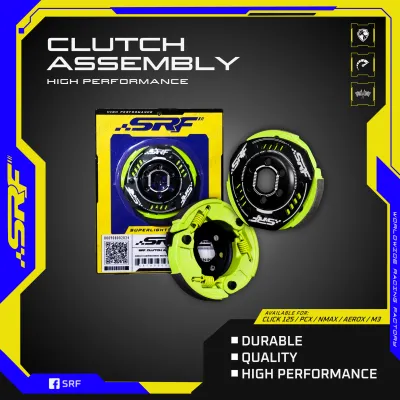
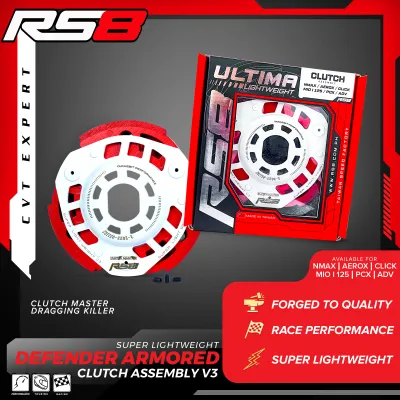
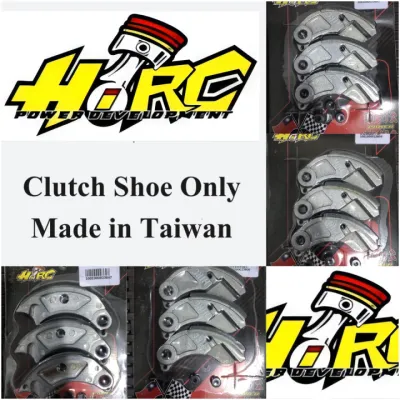
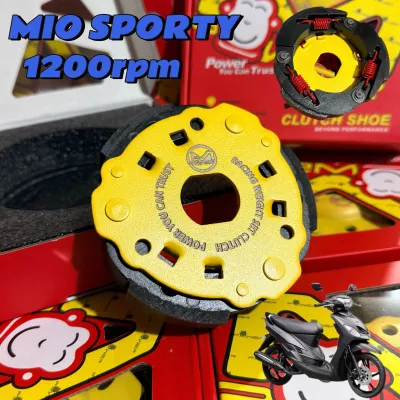
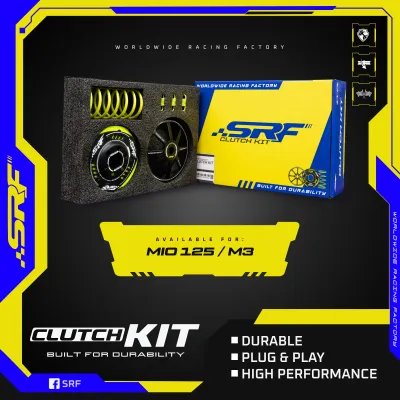
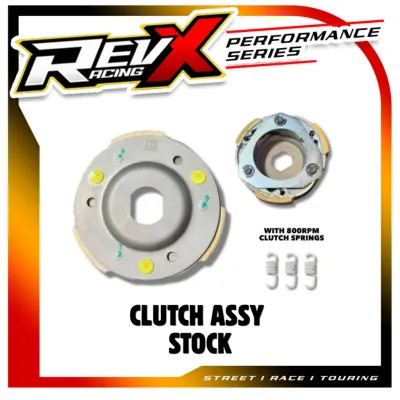
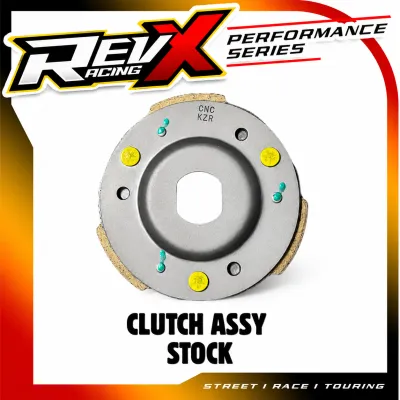
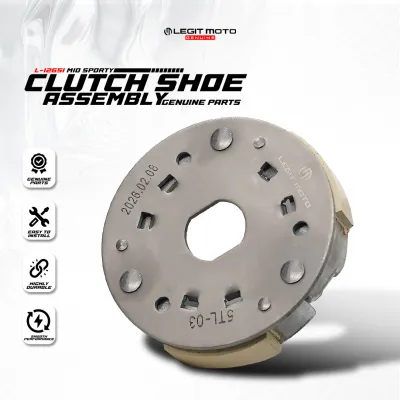
Prices are valid at publication and may change. Please refer to the product page for the latest price.
One of the most common signs of a failing clutch is a distinct shuddering or dragging sensation when pulling away from a complete stop. This vibration often occurs because the clutch shoes are slipping or engaging unevenly against the clutch bell. You might also notice a high-pitched squealing noise during acceleration, which typically indicates glazed clutch pads or a build-up of fine clutch dust inside the bell.
It is essential to distinguish clutch-specific issues from other common CVT wear items before purchasing replacement parts. For instance, a loss of top-end speed or a sluggish midrange acceleration might stem from a worn drive belt or flat spots on your variator roller weights rather than the clutch itself. Inspecting the entire CVT system together allows you to isolate the exact cause of the performance drop and avoid replacing functioning components.
Genuine Yamaha (OEM) Clutch Assemblies
Opting for a Genuine Yamaha OEM clutch assembly ensures that your NMAX retains its original factory performance, smoothness, and fuel efficiency. Yamaha designs these components using specific friction materials and spring rates calibrated precisely for the NMAX engine’s power band. This precise engineering minimizes vibration, guarantees predictable engagement speeds, and ensures the transmission operates quietly under various riding conditions.

Because OEM parts are manufactured to strict quality control standards, they offer highly predictable service life and exceptional durability. When you install a genuine clutch, you eliminate the guesswork associated with component compatibility and material quality. This makes the OEM route highly favored by riders who rely on their scooters for daily livelihood, long-distance touring, or hassle-free commuting.
To ensure you are purchasing an authentic OEM assembly, you must perform several verification steps before completing your transaction. Counterfeit parts are common in online marketplaces and unauthorized physical shops, often mimicking official packaging closely. Always inspect the packaging for the official Yamaha Genuine Parts label, which should feature crisp printing, correct part numbers, and a high-quality security hologram.
For the Yamaha NMAX, part numbers can vary slightly depending on the specific model year and generation of your scooter. For example, older NMAX models (often referred to as Version 1) may use different clutch shoe or bell part numbers compared to the newer Version 2 or Version 3 models equipped with traction control. Always cross-reference your scooter’s chassis number or consult an authorized dealer’s parts catalog to verify the exact part number prefix, such as 2DP or B6H, before buying.
Purchasing directly from authorized Yamaha 3S shops or highly reputable, verified distributors is the most reliable way to guarantee authenticity. If you are buying from an online marketplace, look for official brand stores or sellers with high ratings and extensive positive feedback detailing successful installations. Avoid listings with unusually low prices, as genuine OEM assemblies maintain a consistent market value due to strict manufacturer pricing structures.
Aftermarket Clutch Assemblies for NMAX
The aftermarket industry offers a wide array of clutch assemblies for the NMAX, ranging from budget-friendly standard replacements to high-performance racing kits. Standard aftermarket replacements aim to mimic the performance of the OEM unit at a lower price point, making them attractive options for budget-conscious riders. Performance-oriented upgrades, on the other hand, are designed to alter how your scooter accelerates by changing the engagement characteristics of the clutch.
Performance aftermarket clutches often feature stiffer clutch springs (often rated at 1,000 RPM, 1,500 RPM, or higher) and specialized friction materials like carbon or copper composites. These modifications allow the clutch to engage at higher engine speeds, delivering a more immediate throttle response and stronger initial acceleration. Some performance kits also include lightweight clutch bells with specialized cooling grooves or outer fins designed to dissipate heat more rapidly in stop-and-go traffic.
When selecting an aftermarket clutch assembly, you must carefully verify compatibility with your specific NMAX model year and transmission setup. Because aftermarket manufacturers design parts for a broad range of scooters, a clutch labeled generally for “150cc scooters” may not fit the unique shaft splines or housing dimensions of the NMAX. Always check the manufacturer’s official compatibility list and look for explicit confirmation that the assembly fits your specific NMAX generation.
Relying on aftermarket components introduces certain risks that you must actively manage through careful research. Lower-quality aftermarket clutches may use inferior friction materials that wear down rapidly, leading to premature slipping and frequent maintenance intervals. Additionally, mismatched spring rates or poorly balanced clutch bells can introduce severe vibrations, accelerate wear on your gearbox bearings, or even damage your input shaft over time.
To mitigate these risks, prioritize aftermarket brands with established reputations within the local riding community. Read verified user reviews on ecommerce platforms and motorcycle forums, paying close attention to long-term feedback regarding durability and noise levels. Avoid products that do not clearly state their material specifications or those that lack clear installation instructions and warranty terms.
Key Comparison Dimensions for Your Decision
When deciding between OEM and aftermarket clutch assemblies, comparing them across structured dimensions helps clarify which option aligns with your priorities. Price is often the most immediate factor for many riders in the Philippines. While exact prices fluctuate based on exchange rates and local dealer promotions, a genuine OEM clutch assembly (including the carrier, springs, and bell) typically ranges from ₱2,500 to ₱4,500, whereas standard aftermarket replacements can cost between ₱1,200 and ₱2,200, and premium performance kits can exceed ₱5,000.
Material composition and build quality are critical indicators of how well the clutch will perform under daily thermal stress. OEM clutches utilize a proprietary organic friction compound designed for quiet operation and smooth, progressive engagement over thousands of kilometers. Aftermarket options vary widely; budget options may use harder compounds that cause squealing, while premium performance options use carbon-fiber or copper-infused linings designed to grab the bell aggressively but may accelerate bell wear.
Warranty coverage and customer support also differ significantly between the two paths. Genuine parts purchased and installed at authorized Yamaha service centers often carry a limited manufacturer warranty against defects, providing substantial peace of mind. Conversely, aftermarket parts typically rely on individual seller return policies, which may only cover out-of-box failures and offer little to no recourse if the component fails prematurely after installation.
The following table summarizes the key verification points and conditional trade-offs to guide your selection:
| Feature / Dimension | Genuine Yamaha (OEM) | Aftermarket (Standard / Performance) |
|---|---|---|
| Primary Focus | Maximum reliability, smooth engagement, and long-term durability. | Cost savings (standard) or enhanced acceleration response (performance). |
| Typical Price Range | ₱2,500 to ₱4,500 (Verify with local dealers) | ₱1,200 to ₱5,000+ (Depending on brand and specifications) |
| Friction Material | Proprietary organic compound optimized for low noise and smooth wear. | Varies from basic organic to carbon, copper, or ceramic composites. |
| Verification Method | Check security hologram, part number prefix (e.g., 2DP, B6H), and dealer authorization. | Verify explicit NMAX model year compatibility, spring RPM ratings, and user reviews. |
| Warranty Support | Limited manufacturer warranty when installed by authorized technicians. | Limited to seller return policies or specific aftermarket brand terms. |
| Best Suited For | Daily commuters, stock scooters, and riders prioritizing hassle-free operation. | Budget-conscious repairs or riders with modified engines seeking custom tuning. |
How to Decide: Matching the Clutch to Your Riding Needs
To make the final decision, you should evaluate your daily riding habits, performance expectations, and budget constraints. If your NMAX is your primary tool for daily commuting, delivery work, or long-distance travel, choosing the Genuine Yamaha OEM clutch assembly is highly recommended. The peace of mind that comes with factory-tested reliability and smooth, predictable engagement in heavy city traffic far outweighs the minor cost savings of unverified aftermarket alternatives.
Alternatively, an aftermarket clutch assembly may be the right choice if you are working with a limited budget and can confidently verify a high-quality, reputable replacement brand. It is also the preferred route if you have already modified other areas of your scooter’s engine or CVT system—such as installing a lighter flyball setup or an aftermarket pulley—and want a clutch with stiffer springs to match your new power curve.
Before purchasing any replacement parts, always perform a thorough physical inspection of your current CVT system to confirm the clutch is the actual source of your issues. Sometimes, a simple cleaning of the clutch bell and shoes with an authorized brake cleaner to remove accumulated dust can restore smooth engagement and eliminate shuddering. If you discover oil or grease inside the CVT casing during your inspection, this indicates a leaking crankshaft or gearbox seal, which must be replaced immediately to prevent ruining your new clutch.
Installation Checks and Safety Boundaries
Replacing an NMAX clutch assembly requires specific tools and a careful adherence to safety protocols to prevent damaging your transmission components. To perform this task safely, you will need a dedicated clutch holding tool (often called a Y-tool) to secure the clutch bell, a socket set (including 17mm and 19mm sockets), a large clutch nut wrench (typically 39mm or 41mm depending on the nut size), and a calibrated torque wrench. Attempting to loosen or tighten CVT nuts using impact wrenches without a torque wrench can easily strip the crankshaft threads or damage the gearbox input shaft.
Always consult the official Yamaha NMAX service manual for your specific model year to verify the exact torque specifications and tightening sequences for all CVT fasteners. Applying the correct torque is critical; under-tightening can cause the clutch assembly to spin loose during operation, leading to catastrophic transmission failure, while over-tightening can stretch bolts and strip delicate aluminum threads.
Recognizing your safety boundaries is essential when undertaking DIY motorcycle maintenance. If you encounter seized bolts, stripped threads, or if you do not possess a calibrated torque wrench and the necessary holding tools, stop your DIY efforts immediately. In such cases, or if you feel unsure about handling high-tension clutch spring compression, take your scooter to a qualified mechanic or an authorized Yamaha service center to ensure a safe and professional installation.

Community discussion
Share your experience or ask a question. Comments are reviewed before publication.