
The Kawasaki Barako 175 is a legendary workhorse on Philippine roads, widely trusted by tricycle operators, delivery riders, and daily commuters for its unmatched reliability. Because these motorcycles endure heavy daily use under harsh tropical conditions, components like the seat cover are highly susceptible to wear, tear, and UV damage. Replacing a worn-out cover with a genuine original equipment manufacturer (OEM) part is essential to maintain rider comfort and protect the underlying seat foam from waterlogging.
However, the market is flooded with counterfeit seat covers that mimic the appearance of genuine parts but fail to deliver the same durability. Spotting a genuine seat cover for the Barako 175 requires a keen eye for detail, a basic understanding of material quality, and a systematic approach to verifying sellers. Investing a few minutes to inspect the product before purchase or installation can save you from wasting money on a counterfeit that will quickly degrade.
Key Visual and Physical Markers of an Original Seat Cover
Identifying a genuine OEM seat cover begins with a close inspection of the packaging. Original manufacturer parts are distributed in high-quality, sealed plastic packaging designed to protect the material during transit and storage. The packaging features a clear, professionally printed label containing the official brand logo, a precise part number, a scannable barcode, and country-of-origin information. The typography on a genuine label is crisp, perfectly aligned, and free of smudges or spelling errors. If the label looks poorly photocopied, off-center, or lacks a specific OEM part number, the product is highly suspect.
Products mentioned in this guide
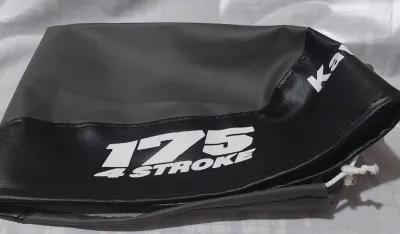
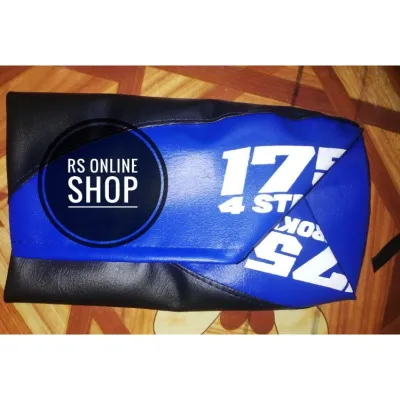
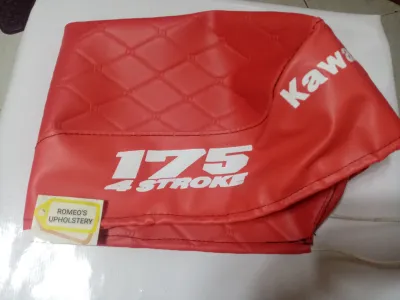
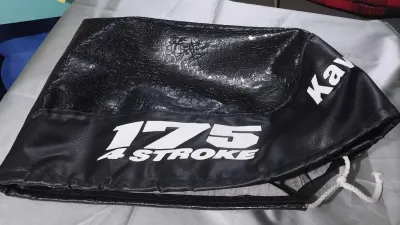
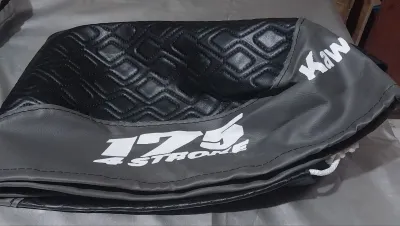
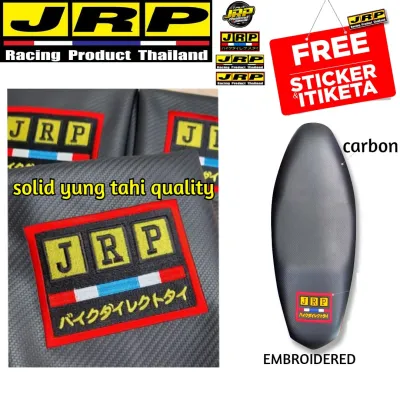
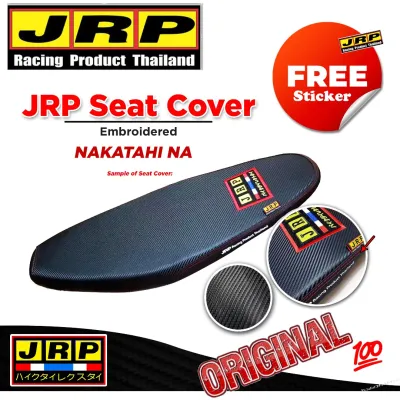
Prices are valid at publication and may change. Please refer to the product page for the latest price.
Once you unpack the seat cover, examine the material texture and thickness. A genuine Barako 175 seat cover is made from heavy-duty, marine-grade synthetic leather (vinyl) formulated to withstand intense tropical sunlight and heavy monsoon rains. The material feels thick, supple, and has a distinct, consistent grain pattern that provides a non-slip grip for the rider. When you look at the underside, the backing fabric should be a robust, tightly knitted or woven reinforcement layer that is securely bonded to the vinyl. This backing prevents the cover from stretching out of shape or tearing when tensioned over the seat pan.
Stitching and seam construction are critical indicators of authenticity. Genuine seat covers feature highly precise, uniform stitching with a high thread density. The manufacturer uses heavy-duty, weather-resistant nylon thread that does not easily fray or unravel. The seams are perfectly aligned to match the specific contours and curves of the Barako 175 seat frame. This precise tailoring ensures that when the cover is installed, there are no loose pockets, wrinkles, or uneven tension points where water can pool and eventually seep into the seat foam.
Red Flags That Indicate a Counterfeit Product
Counterfeit seat covers are manufactured with cheap materials and poor quality control, resulting in several distinct physical flaws. One of the most common red flags is substandard stitching. Inspect the seams closely for loose threads, skipped stitches, uneven seam allowances, or crooked lines. If the thread feels thin, brittle, or easily frays when rubbed with a fingernail, the seams will likely split open under the stress of daily riding or during the installation process.

Another immediate warning sign is the physical quality and smell of the material. Counterfeit covers often feel paper-thin, stiff, or excessively glossy and plastic-like. They frequently emit a strong, harsh chemical or recycled plastic odor, which indicates the use of low-grade, toxic PVC compounds that lack UV stabilizers. Under the intense Philippine sun, these cheap materials quickly dry out, become brittle, and crack within a few months. Additionally, the backing fabric on fake covers is often a flimsy, non-woven material resembling cheap paper or thin gauze, which tears easily under slight tension.
Labeling and branding on counterfeit products are rarely accurate. Watch out for misspelled brand names, distorted logos, or generic terms like “OEM-grade,” “high-quality replacement,” or “genuine type” instead of a clear declaration of authenticity. Counterfeiters often use generic, unmarked plastic bags with handwritten labels or labels that mimic the official design but use incorrect fonts and blurry graphics. If the packaging lacks a legitimate barcode or the part number does not match official manufacturer catalogs, the item is almost certainly a fake.
Evaluating the Seller and Pricing on E-Commerce Platforms
When shopping on digital marketplaces and e-commerce platforms, verifying the credibility of the seller is your first line of defense. Look for shops designated as official brand stores, authorized distributors, or highly rated specialty motorcycle parts dealers. Avoid purchasing from generic, multi-category shops that sell a random assortment of household goods alongside motorcycle parts. Check the seller’s business registration details, overall rating, and how long they have been operating on the platform.
Compare the listed price in ₱ against the manufacturer’s suggested retail price (MSRP) at physical authorized dealerships. While online sellers may offer occasional discounts or promotional vouchers, a price that is significantly lower than the standard retail price is a major red flag. Genuine OEM components carry manufacturing, quality control, and distribution costs that cannot be bypassed. If a deal seems too good to be true, it is highly likely that the seller is offering a cheap counterfeit disguised as an original part.
Analyze customer reviews with a critical eye, focusing on buyers who have uploaded actual photos and videos of the product they received. Look for detailed feedback regarding the material thickness, ease of installation, and long-term durability. Be cautious of listings with highly repetitive, generic five-star reviews that lack specific details, as these can be artificially generated. Pay close attention to any negative reviews mentioning fitment issues, thin materials, or suspicions of receiving a counterfeit item.
What to Do If You Receive a Fake Seat Cover
If you receive a seat cover and suspect it is a counterfeit, do not attempt to install it on your motorcycle. Installing the cover requires stretching and stapling, which will damage the material and likely void your ability to return the product for a full refund. Keep the item in its original, unused condition and preserve all packaging, labels, and shipping documents.
Immediately document the product by taking clear, high-resolution photos and videos. Capture close-up shots of the packaging labels, blurry logos, uneven stitching, thin backing material, and any other physical flaws that indicate it is a counterfeit. This visual evidence is crucial when filing a dispute on e-commerce platforms, as buyer protection policies require clear proof of the claim before authorizing a return and refund.
Initiate a return or refund request through the e-commerce platform’s official resolution center, selecting “counterfeit product” or “item not as described” as the primary reason. Upload your documented photos and videos along with a clear explanation of why the product is not genuine. Once the platform approves the return, ship the item back using the designated logistics partner. Additionally, report the seller’s listing to the platform’s customer support to help prevent other riders from falling victim to the same counterfeit scheme.
Frequently Asked Questions (FAQ)
Can I use a fake seat cover temporarily if it fits the Barako 175?
Using a counterfeit seat cover, even temporarily, is not recommended due to the rapid deterioration of low-grade materials. Cheap synthetic leather lacks UV protection and weather resistance, meaning it will quickly crack, tear, and fade under daily exposure to sun and rain. Once the cover cracks, rainwater will seep directly into the underlying seat foam, causing it to rot, develop mold, and lose its cushioning properties. Furthermore, poorly tailored fake covers can slip or shift during rides, compromising your seating stability and overall riding safety.
Do original seat covers for the Barako 175 come with a warranty?
Genuine OEM motorcycle accessories and replacement parts purchased through authorized dealers typically carry a limited warranty against manufacturing defects. The specific terms, duration, and coverage of the warranty depend on the manufacturer’s policies and the authorized dealer’s terms. To validate any future warranty claims, always ensure you obtain and keep the official sales receipt, and preserve the original packaging with its intact labels and part numbers.

Community discussion
Share your experience or ask a question. Comments are reviewed before publication.