
Navigating the demanding roads of the Philippines requires a cooling system that can withstand intense operating conditions. If you are wondering whether Prestone concentrated coolant is suitable for the Philippine tropical climate, the short answer is yes. However, its ultimate effectiveness depends entirely on using the correct dilution ratio, utilizing high-quality distilled water, and ensuring the specific product formulation matches your vehicle’s original equipment manufacturer (OEM) requirements.
Selecting the right engine fluid is not just a matter of brand loyalty; it is a critical maintenance decision. In a region characterized by high ambient temperatures and dense urban traffic, your engine relies on a robust cooling system to prevent catastrophic thermal failure. Using a premium product like Prestone coolant concentrated can provide the necessary protection, but only if you understand how to prepare, install, and maintain it according to professional automotive standards.
Engine Cooling Demands in the Philippine Tropical Climate
Operating a vehicle in the Philippines presents a unique set of thermal challenges that differ significantly from those in temperate regions. The country experiences consistently high ambient temperatures, often exceeding 35°C during the dry season, paired with high relative humidity. This elevated ambient heat directly reduces the efficiency of your vehicle’s radiator. Because the temperature differential between the hot engine coolant and the surrounding air is narrowed, the rate of heat exchange is compromised, forcing the cooling system to work much harder to maintain optimal operating temperatures.
Products mentioned in this guide
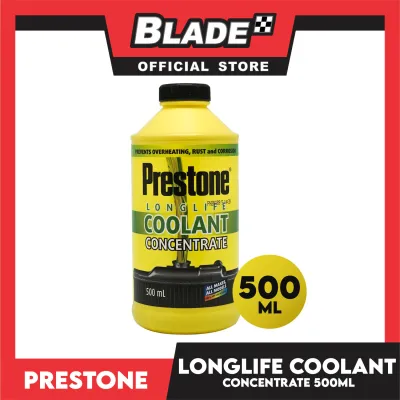
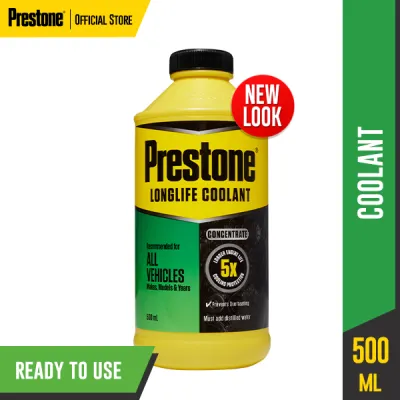
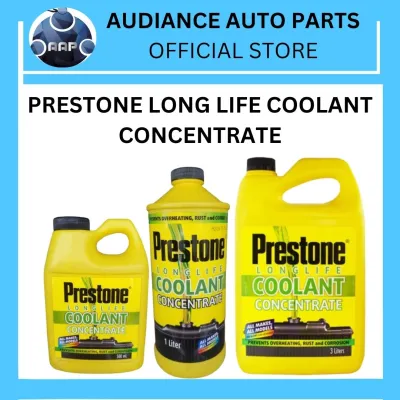
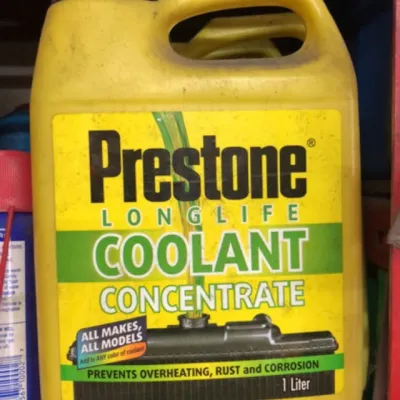
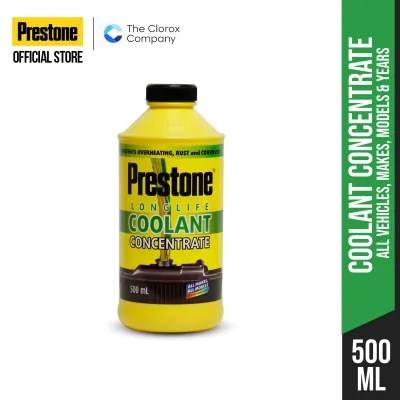
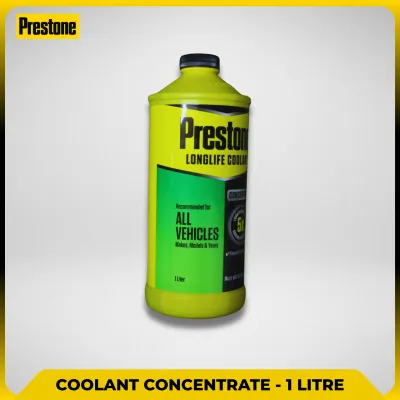
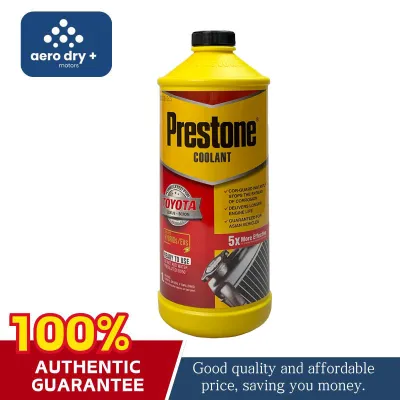
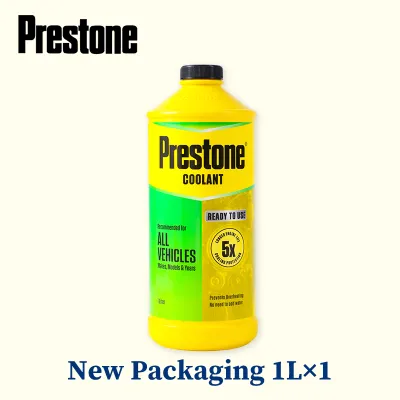
Prices are valid at publication and may change. Please refer to the product page for the latest price.
This environmental stress is severely compounded by the stop-and-go traffic common in major urban centers like Metro Manila, Metro Cebu, and Davao. When a vehicle is idling or moving at crawl speeds on congested roads, there is virtually no ram air flowing naturally through the radiator grille. The system must rely entirely on electric cooling fans to draw air across the radiator fins. Under these conditions, heat soak occurs rapidly as the engine continues to generate combustion heat with limited convective cooling, causing internal temperatures to climb toward critical thresholds.
To survive these extreme driving profiles, your cooling system requires a high-quality fluid that offers excellent thermal properties. The coolant must possess a high boiling point to prevent vapor locking and boil-over under pressure, efficient heat transfer capabilities to carry thermal energy away from the cylinder head, and robust corrosion inhibitors. Without these characteristics, the intense heat will accelerate chemical degradation within the cooling loop, leading to localized boiling, water pump cavitation, and premature component failure.
Evaluating Prestone Concentrated Coolant for Heat Protection
When shopping for engine protection, you will typically encounter two primary options: pre-diluted (50/50) formulas and concentrated formulas. Choosing Prestone coolant concentrated means you are purchasing the raw, undiluted chemical active ingredients—primarily ethylene glycol combined with a specialized additive package. While pre-diluted options offer convenience, concentrated coolant provides greater flexibility in customizing mixing ratios to maximize boil-over protection, making it a cost-effective choice for drivers who manage their own vehicle maintenance.

To determine if a specific concentrated product is suitable for your car, you must look beyond the brand name and carefully evaluate the product label. Check for the specific boiling point elevation claims, which indicate how well the fluid can resist boiling under pressure. Furthermore, identify the corrosion inhibitor technology utilized in the formula. Modern coolants rely on various chemical bases, such as Inorganic Additive Technology (IAT), Organic Acid Technology (OAT), or Hybrid Organic Acid Technology (HOAT), each designed to protect specific types of metals and gaskets.
True compatibility is defined by your vehicle’s manufacturer, not the coolant brand. Before purchasing or adding any fluid, you must cross-reference the coolant’s chemical specifications and industry certifications (such as ASTM D3306) with the OEM requirements listed in your vehicle’s owner’s manual. Different engine designs utilize distinct materials, including aluminum cylinder blocks, copper radiator cores, silicone water pump seals, and specific elastomer gaskets. Using an incompatible coolant chemistry can lead to rapid corrosion, seal degradation, and costly internal leaks.
Mixing Ratios and Water Quality for Tropical Conditions
One of the most dangerous maintenance mistakes a vehicle owner can make is pouring pure, undiluted concentrated coolant directly into the radiator. Pure ethylene glycol has a much lower specific heat capacity than water, meaning it is highly inefficient at absorbing and transferring heat. If run undiluted, pure concentrate will cause the engine to run significantly hotter, rapidly leading to overheating and severe structural damage such as warped cylinder heads or blown head gaskets. Water is an absolute necessity to act as the primary heat-transfer medium.
For tropical climates like the Philippines, finding the right balance in your mixing ratio is key to optimizing performance. While freeze protection is not a concern in low-altitude tropical areas, maximizing boil-over protection and corrosion defense remains critical. A standard 50/50 mixture of concentrated coolant and water is the baseline recommendation, raising the boiling point of the system to approximately 129°C when using a standard 15 psi radiator cap. If your manufacturer’s guidelines permit, you can increase the concentration up to 60% or 70% to achieve higher boil-over protection, but you must consult the mixing chart on the Prestone label to ensure you do not exceed safe limits.
| Coolant Concentration (%) | Distilled Water (%) | Primary Benefit in Tropical Climates |
|---|---|---|
| 50% | 50% | Balanced heat transfer and standard boil-over protection |
| 60% | 40% | Enhanced boil-over protection with robust corrosion defense |
| 70% | 30% | Maximum allowable boil-over protection (verify OEM approval) |
The quality of the water you use for dilution is just as important as the coolant itself. You must use only distilled or deionized water when mixing concentrated coolant. Never use tap water, well water, or bottled mineral water. Tap water contains dissolved minerals, including calcium, magnesium, and silica, which precipitate out of the liquid under the intense heat of the engine. These minerals form scale deposits on the internal passages of the radiator and water jackets, acting as an insulating barrier that blocks heat transfer and eventually clogs the system, leading to localized hot spots and water pump failure.
Cooling System Maintenance and Safety in Heavy Traffic
Maintaining your cooling system is essential to ensuring your vehicle remains reliable during daily commutes through heavy tropical traffic. Routine visual inspections should be performed at least once a month. With the engine completely cold, check the fluid level in the translucent plastic overflow reservoir; it should always sit between the “Min” and “Max” markings. Additionally, observe the color and clarity of the fluid. The coolant should be bright and clear; any cloudiness, rust particles, or dark discoloration indicates that the fluid has degraded or become contaminated.
While inspecting the reservoir, take a moment to examine the physical condition of the radiator hoses, bypass hoses, and heater core connections. Look for signs of swelling, cracking, hardening, or softening when squeezing the hoses. Check all metal clamps for tightness and inspect the areas around hose joints for any crusty white, green, or pink residue, which serves as a clear warning sign of a slow, pressurized coolant leak that could fail catastrophically under heavy traffic conditions.
Operating or servicing a cooling system carries significant safety risks that require strict adherence to professional protocols. Never, under any circumstances, attempt to open the radiator cap or the pressurized coolant reservoir cap when the engine is hot or warm. The cooling system operates under high pressure to raise the boiling point of the fluid. Opening the cap while the system is hot releases this pressure instantly, causing the superheated liquid to flash boil and erupt violently from the filler neck. This can result in severe, life-altering steam burns to your face, hands, and upper body. Always allow the vehicle to sit undisturbed for several hours until the engine block is cool to the touch before opening the cap.
There are clear boundaries where DIY maintenance must stop, and professional intervention must begin. If your routine inspection reveals oil droplets floating on top of the coolant, a thick milky emulsion, or heavy brown sludge, these are classic symptoms of internal engine damage, such as a failing head gasket or a cracked engine block. Furthermore, if your vehicle exhibits recurring overheating symptoms despite maintaining the correct fluid level and mixture ratio, do not continue driving. Take the vehicle to a qualified professional mechanic who can perform a cooling system pressure test, combustion gas leak test, and a complete system flush using specialized equipment.
Frequently Asked Questions (FAQ)
Can I use tap water to mix Prestone concentrated coolant?
No, you should never use tap water to dilute concentrated coolant. Tap water contains dissolved minerals like calcium and magnesium that react to high engine temperatures by precipitating out of solution. These minerals form hard scale deposits on the internal surfaces of your radiator and engine water jackets. Over time, this scale acts as a thermal insulator, drastically reducing heat transfer efficiency, and can clog the narrow tubes of your radiator core. To protect your cooling system from premature wear and blockages, always mix concentrated coolant with pure distilled or deionized water.
How often should I flush the coolant in a tropical climate?
Coolant flush intervals are determined by your vehicle manufacturer’s specifications and the specific chemistry of the coolant used, rather than a universal climate rule. Conventional coolants typically require replacement every two years or 40,000 kilometers, whereas modern Long Life Organic Acid Technology (OAT) coolants can last up to five years or 100,000 kilometers or more. Always consult your vehicle’s owner’s manual for the official service schedule. Keep in mind that frequent idling in heavy, stop-and-go tropical traffic is classified as a severe driving condition, which may warrant more frequent inspections and fluid changes.
Is Prestone concentrated coolant compatible with all car brands?
No, Prestone concentrated coolant is not universally compatible with every car brand in a single formulation. Modern vehicle manufacturers require highly specific chemical compositions—such as silicate-free, phosphate-free, OAT, or HOAT formulas—to protect the unique alloys, plastics, and sealing materials used in their engines. Using the wrong chemistry can cause rapid corrosion or seal failure. Prestone produces several distinct coolant formulations designed for different vehicle makes. You must read the product packaging carefully and verify that the coolant’s specifications and OEM approvals match the requirements detailed in your vehicle’s owner’s manual.

Community discussion
Share your experience or ask a question. Comments are reviewed before publication.