
Verifying whether a Rook helmet carries a legitimate safety certification in the Philippines is a critical step before taking it out on the road. While Rook has gained popularity among local riders for its classic and modern designs, safety compliance is not a universal guarantee for every single helmet bearing a brand name. Certification status depends entirely on the specific model, production batch, and whether the importer has successfully cleared the Bureau of Philippine Standards (BPS) verification process. To ensure your helmet is road-legal and capable of protecting you during an impact, you must inspect the physical Import Commodity Clearance (ICC) sticker or Philippine Standard (PS) mark, verify the security features, and cross-reference the certification details with official government databases.
Riding in the Philippines presents unique environmental challenges, from intense tropical heat and high humidity to sudden heavy downpours. These conditions demand gear that is not only legally compliant but also physically durable. A certified helmet ensures that the materials used—such as the outer shell and the impact-absorbing expanded polystyrene (EPS) liner—have undergone rigorous testing to withstand these harsh conditions without degrading prematurely. Understanding how to verify these certifications protects both your wallet and your safety.
Understanding PSB and ICC Safety Marks for Motorcycle Helmets
In the Philippines, the Department of Trade and Industry (DTI) regulates motorcycle helmets under strict consumer safety laws. All helmets sold and used on public roads must bear a valid certification mark issued by the BPS. The two primary marks you will encounter are the PS mark and the ICC sticker. The PS mark is typically reserved for locally manufactured products, certifying that the factory meets consistent quality standards. Because most premium and lifestyle helmets like Rook are manufactured abroad and imported, they must instead secure an ICC sticker. This sticker proves that the specific shipment batch has been inspected, tested, and cleared for safety compliance before distribution.
Products mentioned in this guide
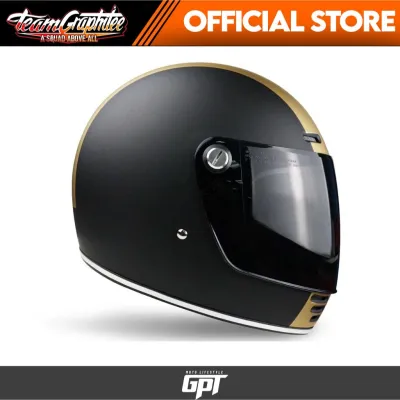
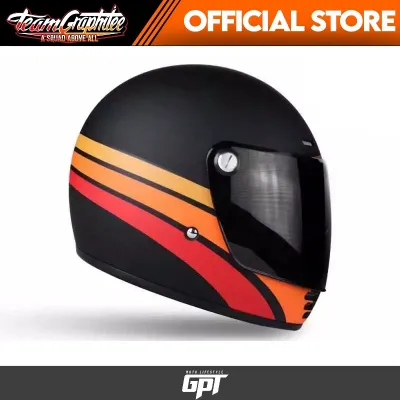
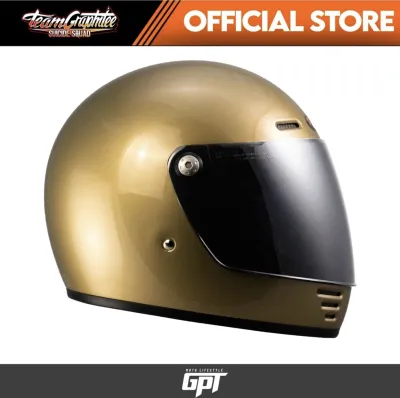
Prices are valid at publication and may change. Please refer to the product page for the latest price.
Some riders confuse the Singaporean PSB (Product Standards Board) certification with Philippine standards due to the similarity in acronyms. While a Singaporean PSB mark indicates that a helmet meets Singapore’s safety criteria, it does not grant legal compliance in the Philippines. For local road legality, the helmet must carry the official BPS-issued ICC sticker. A genuine ICC sticker features distinct visual characteristics, including a holographic background that shifts color under light, a clear BPS logo, and a unique serial number printed across the face of the decal. These security measures are designed to prevent counterfeiting and help traffic enforcers quickly identify compliant gear.
Step-by-Step Guide to Verifying Rook Helmet Authenticity
Performing a thorough physical inspection is the first line of defense against counterfeit or non-compliant helmets. Start by locating the ICC sticker, which is typically affixed to the rear or lower portion of the helmet’s outer shell. A genuine sticker should be firmly adhered, with no signs of peeling, bubbling, or uneven edges. The holographic elements must reflect light dynamically, and the printed serial number should be sharp, clear, and free of smudges or pixelation. If the sticker looks like a simple paper printout or can be easily scratched off with a fingernail, it is highly likely a counterfeit.

Next, move your inspection to the interior of the helmet. Remove the comfort padding to expose the EPS liner, which is the dense foam layer responsible for absorbing impact energy. Inspect the EPS for any cracks, deep indentations, or signs of crumbling, which can occur in low-quality replicas or damaged helmets. Check the retention system, ensuring the chin strap is securely anchored to the shell and the buckle—whether a double D-ring or a micrometric quick-release system—functions smoothly without slipping. Authentic Rook helmets feature high-quality stitching and robust metal components designed to keep the helmet secured during a crash.
Finally, locate the manufacturer’s label sewn onto the comfort liner or chin strap. This label contains vital information, including the helmet’s model name, size, weight, and manufacturing date. Cross-reference these details with the information printed on the outer packaging and any accompanying user manuals. In genuine products, these details will match perfectly. Any discrepancies, such as a label claiming one model while the box or shell shape indicates another, are major red flags indicating a mismatched, altered, or counterfeit product.
How to Check Certification Status via Official Channels
Physical inspection alone is sometimes insufficient, as sophisticated counterfeiters can replicate stickers. To achieve absolute certainty, you must verify the helmet’s certification status through official government channels. The DTI and BPS maintain online databases and registries of certified importers, local manufacturers, and approved helmet models. By visiting the official DTI website or contacting the BPS directly, you can search for the registered importer of Rook helmets to confirm if they hold a valid Import Commodity Clearance certificate for the specific model you own or plan to buy.
When inspecting your helmet’s ICC sticker, pay close attention to the printed serial number. This unique alphanumeric code can be verified by cross-referencing it with the BPS database. If the database does not recognize the serial number, or if the number is registered to a completely different brand or product category, the sticker is fraudulent. You can also contact authorized Rook distributors in the Philippines directly. Legitimate distributors are required by law to maintain records of their ICC certificates and should be able to provide proof of compliance for the specific production batch of your helmet upon request.
Always remember that safety standards are batch-specific. An importer must secure certification for every new shipment that enters the country. Therefore, even if a specific Rook model was certified last year, the current batch sitting on a store shelf must still carry its own valid, verifiable ICC sticker representing its specific import clearance.
Red Flags: Spotting Fake or Non-Compliant Helmets
One of the most immediate indicators of a non-compliant or counterfeit helmet is an unusually low price. Genuine certified helmets require significant investment in quality materials, manufacturing precision, and official testing fees. If you encounter a seller offering a brand-new Rook helmet at a price that is significantly lower than the standard retail rates found at authorized dealers—such as a discount of 50% or more—you should proceed with extreme caution. These cheap replicas often use cheap plastics instead of impact-resistant polycarbonate or fiberglass, offering virtually no protection in an accident.
Another common red flag is the seller’s behavior and explanations regarding certification. Unscrupulous sellers may claim that the helmet is “OEM” (Original Equipment Manufacturer) or a “factory overstock” to justify the lack of an official ICC sticker. Others might argue that because the helmet features international safety ratings, it does not require local certification. Under Philippine law, these claims are entirely false. Any seller who refuses to let you inspect the physical ICC sticker before purchase, or who cannot provide clear details about the importing distributor, is likely selling non-compliant or smuggled goods.
Additionally, inspect the overall build quality for subtle defects. Authentic helmets undergo strict quality control. Look for uneven paint finishes, misaligned decals, loose rubber trim along the eyeport, or a visor mechanism that feels flimsy or jams easily. A genuine Rook helmet will have a solid, well-assembled feel, whereas a counterfeit often exhibits poor craftsmanship that is easily observable upon close inspection.
Recommended Purchasing Channels and Consumer Protection
To guarantee that you are purchasing a fully certified and authentic Rook helmet, always buy from authorized physical motorcycle gear shops or the official online flagship stores of verified distributors. Authorized retailers are vetted by the brand and are legally obligated to sell only compliant products that carry genuine ICC stickers. Shopping in person allows you to physically inspect the helmet, try it on for a proper fit, and verify the certification marks before handing over your money.
If you discover that you have accidentally purchased a helmet lacking the required PS or ICC mark, or if you suspect the sticker is fake, you have clear rights under the Consumer Act of the Philippines. Stop using the helmet immediately, as it may not provide adequate protection. Contact the seller to demand a full refund or exchange, citing the lack of legal safety certifications. If the seller refuses to cooperate, you can file a formal complaint with the DTI’s Fair Trade Enforcement Bureau (FTEB) or your local DTI regional office.
Reporting suspected counterfeit or uncertified helmets to the DTI not only helps you recover your money but also protects the wider riding community. The DTI actively investigates complaints, conducts market surveillance, and confiscates non-compliant riding gear to ensure that only safe, certified products remain on Philippine roads.
Frequently Asked Questions (FAQ)
Can I legally ride in the Philippines with a helmet that lacks an ICC or PS mark?
No, it is illegal to ride a motorcycle on public roads in the Philippines without a helmet that bears a valid ICC sticker or PS mark. Under Republic Act 10054, also known as the Motorcycle Helmet Act, all motorcycle riders—both drivers and passengers—must wear standard protective motorcycle helmets. Traffic authorities, including the Land Transportation Office (LTO) and local traffic enforcers, are authorized to apprehend riders using non-compliant helmets. Violators face progressive fines, and repeated offenses can lead to the confiscation of their driver’s license.
Does a DOT or ECE sticker replace the need for a local PSB/ICC certification?
No, international safety certifications such as DOT (Department of Transportation, USA) or ECE (Economic Commission for Europe) do not replace the legal requirement for a local ICC or PS mark in the Philippines. While DOT and ECE standards are highly respected and indicate that a helmet has passed rigorous international safety testing, Philippine law mandates that all imported helmets must still undergo the local BPS verification process to secure an ICC sticker. To ride legally on Philippine roads, your helmet must display the official local BPS certification mark, regardless of any foreign safety ratings printed on the shell.

Community discussion
Share your experience or ask a question. Comments are reviewed before publication.