
Finding a balance between your budget and your personal safety is the most critical decision you will make as a motorcycle rider. In the Philippines, where daily commutes involve navigating dense urban traffic, unpredictable weather, and varied road conditions, your choice of protective gear directly impacts your safety and comfort. A quality ryo helmet offers a practical pathway to reliable protection, allowing riders to access certified safety features across a spectrum of price points. Whether you are a daily commuter looking for an affordable shield against the elements or a weekend tourer seeking advanced aerodynamics, understanding what each budget tier offers ensures you do not compromise on essential protection.
What to Expect From RYO Helmets at Different Price Tiers
When exploring the ryo helmet lineup, the options generally fall into three distinct categories: entry-level, mid-range, and premium. Each tier is defined by the materials used, the complexity of the manufacturing process, and the level of rider comfort provided during extended use.
Entry-level helmets are designed primarily for short-distance commuting and budget-conscious riders. At this level, manufacturers typically utilize high-impact ABS thermoplastic for the outer shell. While thermoplastic is slightly heavier than advanced composites, it provides robust impact resistance that meets standard safety certifications. These helmets feature basic, functional ventilation ports and standard clear visors. The interior padding is comfortable for short trips but may offer limited moisture-wicking capabilities, making them best suited for urban riders who spend less continuous time on the road.
Products mentioned in this guide

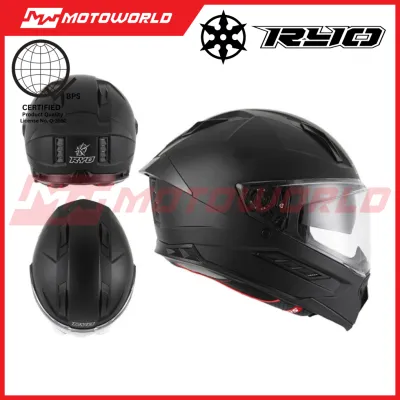
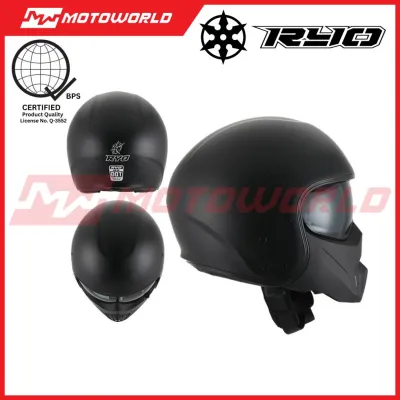
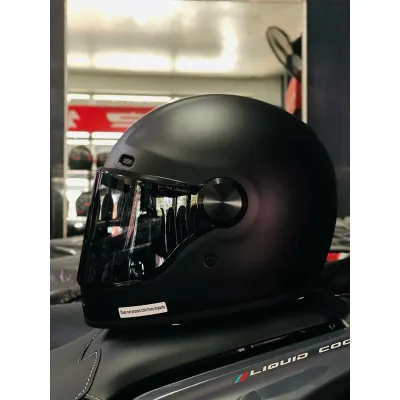
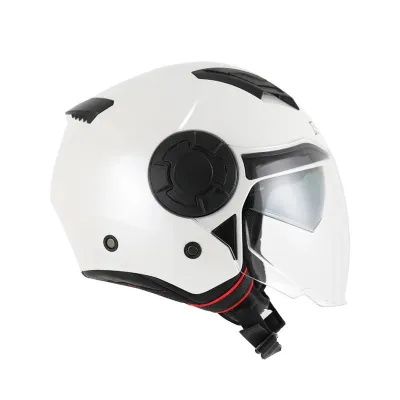
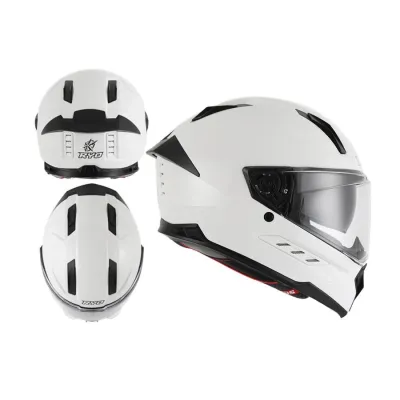
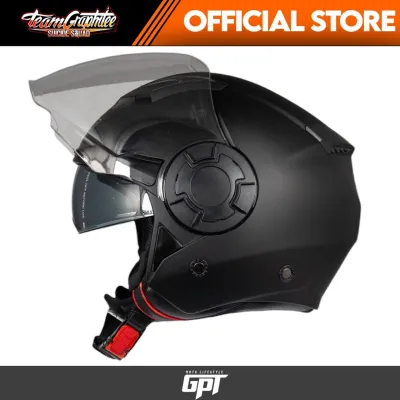
Prices are valid at publication and may change. Please refer to the product page for the latest price.
Moving up to the mid-range tier introduces a noticeable shift in comfort, convenience, and versatility. Helmets in this category often feature dual-visor systems, incorporating an integrated drop-down sun shield that is incredibly useful for navigating the intense tropical glare. The ventilation systems are more sophisticated, utilizing multiple intake and exhaust vents to channel air efficiently over the rider’s head. Additionally, mid-range models frequently feature upgraded interior liners made from hypoallergenic, moisture-wicking fabrics that can be fully removed for washing—a vital feature for maintaining hygiene in hot and humid climates.
Premium helmets represent the pinnacle of the brand’s engineering, focusing on advanced shell materials, superior aerodynamics, and long-distance comfort. These models often utilize lightweight polycarbonate blends or fiberglass composites, which significantly reduce overall helmet weight to minimize neck fatigue during hours of riding. The aerodynamic profiles are refined to reduce drag and wind noise at highway speeds. Inside, you will find premium, plush padding that conforms closely to the rider’s facial structure, alongside advanced ventilation layouts designed to maximize airflow even during slow-moving traffic.
Essential Safety Checks to Perform Before Buying
Regardless of how much you plan to spend on a ryo helmet, safety remains the non-negotiable foundation of your purchase. Before finalizing your choice, you must perform several critical checks to verify that the helmet is fully capable of protecting you in the event of an accident.

First, locate and verify the safety certification markings on the helmet shell. In the Philippines, road-legal helmets must carry either the Import Commodity Clearance (ICC) sticker or the Philippine Standard (PS) mark, which indicates compliance with national safety regulations. Additionally, look for international certification labels such as the European ECE 22.05 or ECE 22.06 standards, or the American DOT certification. These markings are typically found on the rear of the helmet shell or sewn onto the chin strap. Ensure these stickers are genuine, clear, and tamper-resistant, as counterfeit helmets often feature poorly printed or easily peeled labels.
Second, check the manufacturing date of the helmet. Over time, the Expanded Polystyrene (EPS) foam liner inside the helmet—which is responsible for absorbing impact energy—gradually degrades due to exposure to heat, humidity, and environmental pollutants. Most manufacturers recommend replacing a helmet five years from its production date, or three years from its first use. You can usually find the manufacturing date printed on a small white tag underneath the comfort liner or stamped directly onto the EPS foam shell inside the helmet. Avoid purchasing older stock, even if it is offered at a steep discount.
Finally, inspect the retention system and buckle mechanism. The chin strap is what keeps the helmet securely on your head during an impact. Ensure the buckle—whether it is a classic double D-ring system or a micrometric quick-release mechanism—locks securely and does not slip when pulled firmly. The strap itself should be securely anchored to the helmet shell with metal rivets, showing no signs of fraying or loose stitching.
Feature Trade-Offs: Where to Save and Where to Spend
Choosing the right helmet often involves making strategic trade-offs between cost and convenience. By identifying which features align with your specific riding habits, you can decide where to invest your money and where you can safely economize.
One of the most important areas to consider is the visor system. Basic helmets come with standard clear shields that offer basic wind and debris protection but can easily fog up during sudden downpours or humid morning rides. Investing in a helmet that is Pinlock-ready—meaning it has mounting pins for an anti-fog insert lens—is highly recommended for riders in tropical climates. While the insert lens may require an additional purchase, the dramatic improvement in visibility during rainy weather is a safety feature well worth the extra cost. Anti-scratch coatings on the visor also prolong its lifespan, saving you money on replacements over time.
Interior comfort is another critical factor where spending a bit more yields significant daily benefits. Fixed padding is common in budget helmets, but it makes cleaning the interior incredibly difficult. Over time, sweat, hair oils, and dust accumulate, leading to unpleasant odors and potential skin irritation. Opting for a model with a fully removable and washable comfort liner is a smart investment for anyone riding regularly in hot weather. It allows you to maintain a fresh, hygienic interior with simple hand-washing.
Weight and aerodynamics are areas where your typical riding environment should dictate your spending. If your daily route consists of low-speed city commuting, a slightly heavier thermoplastic helmet is perfectly acceptable, and you can save money here. However, if your commute involves long stretches of highway riding or if you enjoy weekend touring, prioritizing a lighter shell material and an aerodynamically optimized shape will prevent severe neck strain and fatigue, making the premium price tag a worthwhile investment for your physical comfort.
How to Verify Authenticity and Avoid Online Pitfalls
With the convenience of online shopping, purchasing a ryo helmet online has become highly popular. However, the digital marketplace also carries risks, including counterfeit products and incorrect sizing. Protecting yourself requires a cautious approach to where and how you buy.
To ensure you are purchasing a genuine, certified product, always buy from authorized dealers or official flagship stores on major e-commerce platforms. Genuine sellers will readily provide clear product descriptions, high-resolution photos of the actual safety certification stickers, and official warranty coverage. Be highly skeptical of listings with prices that seem too good to be true, as these are often counterfeit replicas that lack the structural integrity of a real certified helmet.
Upon receiving your package, inspect the delivery thoroughly before confirming the receipt or discarding the packaging. A genuine helmet should arrive in its original branded box, accompanied by a protective fabric helmet bag, an official user manual, and a warranty card. Check the overall build quality: the paint finish should be smooth, the visor mechanism should operate crisply without catching, and the interior stitching should be neat and robust. Any signs of poor craftsmanship, chemical odors, or missing documentation are strong indicators of a counterfeit product.
Lastly, factor in the logistics of online purchasing. Because a proper fit is essential for a helmet to protect you effectively, check the seller’s return and exchange policies regarding sizing issues. Ensure you understand who covers the return shipping fees if you need to swap the helmet for a different size. Buying from a seller with a flexible, customer-friendly return policy minimizes the financial risk of ending up with an ill-fitting helmet that you cannot safely wear.
Frequently Asked Questions (FAQ)
Are entry-level RYO helmets safe for daily commuting?
Yes, entry-level models are safe for daily commuting, provided they carry genuine safety certifications such as the local ICC or PS mark, alongside international standards like ECE or DOT. Safety is determined by rigorous testing and compliance, not by the price tag alone. However, remember that even the most robust budget helmet must be replaced immediately after any significant impact or accident, as the internal EPS liner is designed to deform once to absorb impact energy and cannot protect you a second time.
How do I determine the correct RYO helmet size before ordering online?
To find your correct size, wrap a flexible measuring tape horizontally around your head, positioned about one inch above your eyebrows and just above your ears. This measures the widest part of your head. Take the measurement in centimeters and compare it directly to the manufacturer’s official size chart for that specific model. Do not rely on generic sizing or assume your size in another brand will match, as shell shapes and interior padding thicknesses vary across different helmet designs.

Community discussion
Share your experience or ask a question. Comments are reviewed before publication.