
Replacing your motorcycle’s factory exhaust is a popular modification to customize your ride. Among the various aftermarket options, the term “sc pipe” frequently comes up. An sc pipe is a high-flow aftermarket exhaust system designed to replace the heavy, highly baffled stock exhaust. Installing one changes your motorcycle’s performance by reducing weight and altering exhaust gas flow, while transforming the sound into a deeper, louder, and more aggressive tone. However, before making this modification, you must understand the mechanical, legal, and safety implications to ensure your motorcycle remains safe and road-legal.
What Is an SC Pipe in the Aftermarket Scene?
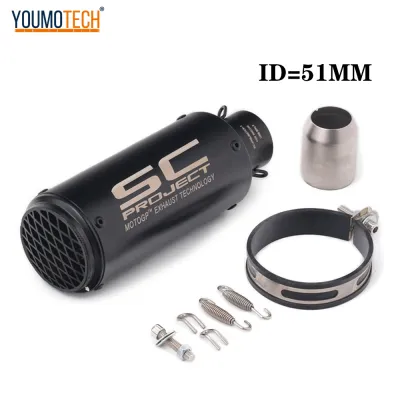
In the local motorcycle community, “sc pipe” is a widely used term. Originally, it refers to high-performance exhaust systems from the Italian brand SC-Project, known for compact, race-inspired designs. However, in local shops, “sc pipe” often refers generically to any short, loud, cylindrical aftermarket muffler, including budget-friendly replicas. It is critical to distinguish between genuine, certified exhaust systems and unbranded replicas. Genuine systems undergo rigorous engineering to match engine dynamics, whereas cheap replicas often lack proper internal packing, structural integrity, and heat shielding, which can lead to safety hazards or engine damage.
When looking at aftermarket exhausts, you will encounter slip-on mufflers and full exhaust systems. A slip-on muffler replaces only the rear canister (the “end can”), keeping the stock header pipes and catalytic converter. This is a straightforward, budget-friendly modification focused primarily on changing the sound and aesthetic. In contrast, a full exhaust system replaces everything from the engine’s exhaust ports to the muffler, including the headers and mid-pipes. Full systems offer the maximum potential for weight reduction and performance gains but require precise installation and engine tuning.
Products mentioned in this guide
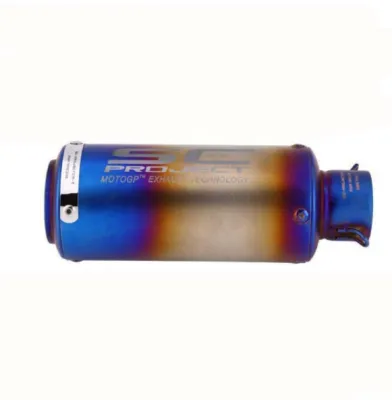
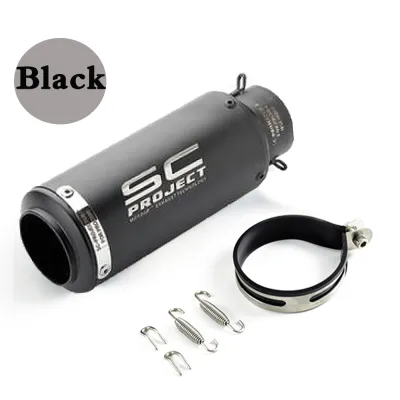
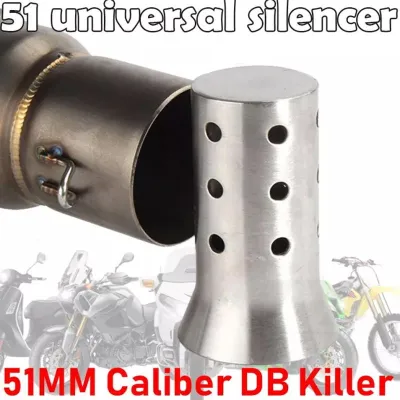
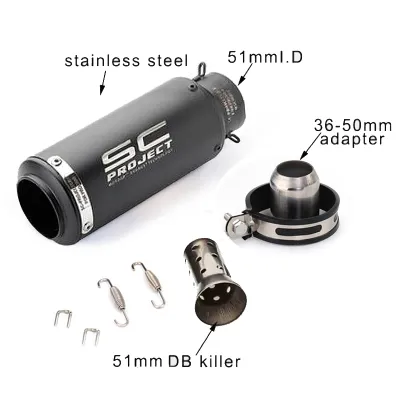
Prices are valid at publication and may change. Please refer to the product page for the latest price.
The design philosophy of a stock exhaust system is radically different from that of an aftermarket sc pipe. Factory exhausts prioritize strict environmental emissions, noise compliance, and long-term durability at a low manufacturing cost. To meet these goals, manufacturers use heavy internal baffles, catalytic converters, and dense sound-dampening materials that restrict exhaust gas flow. An aftermarket sc pipe is designed with a more open, direct path to prioritize high exhaust gas velocity, weight reduction, and a distinctive, race-like aesthetic.
Decoding SC Pipe Specs: Materials, Dimensions, and Baffles
To choose the right aftermarket exhaust, you must understand how physical specifications translate into real-world durability and function.

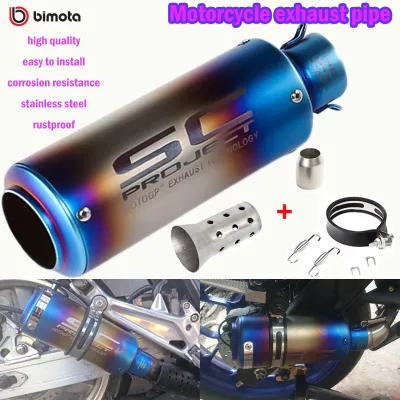
Material Construction Common materials include carbon fiber, titanium, and stainless steel. Carbon fiber is favored for its modern look and excellent heat dissipation, cooling down much faster than metal. Titanium represents the premium tier, offering an incredibly high strength-to-weight ratio and a unique blue-purple coloring when exposed to high exhaust temperatures. Stainless steel is the most common and cost-effective option; while heavier, it is highly resistant to corrosion. You must verify the build quality, weld integrity, and presence of proper heat shielding on any pipe you consider, as material names alone do not guarantee safety or performance.
Pipe Diameter and Length The internal volume, diameter, and length of the exhaust pipe directly influence how quickly exhaust gases exit the engine. A wider internal pipe diameter allows a larger volume of gas to escape, favoring high-RPM engine breathing and top-end power. However, if the diameter is too large for your engine’s displacement, the exhaust gas velocity drops, which can hurt low-end torque. Similarly, shorter muffler canisters provide less physical restriction, allowing gases to exit rapidly, whereas longer canisters offer more volume to control gas expansion.
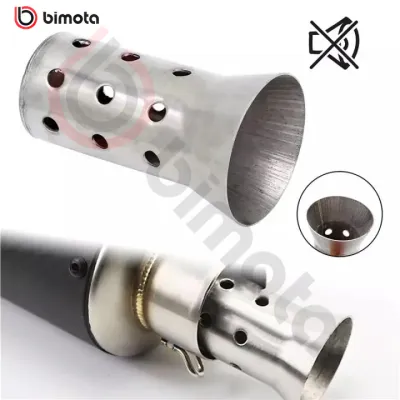
Baffles and DB Killers Inside the muffler, a removable decibel (DB) killer restricts the exit diameter, forcing sound waves to bounce around and lose energy. Removing the DB killer opens up the pipe completely, changing its effective specification to a straight-through design. While this maximizes sound output and reduces backpressure, it also significantly increases volume, which can lead to legal issues and riding fatigue.
Sound Profile: How an SC Pipe Changes Your Exhaust Note
The most immediate change after installing an sc pipe is the acoustic transformation of your motorcycle. Stock exhausts are engineered to keep your bike quiet, resulting in a muted, highly restricted hum that blends easily into traffic. An sc pipe replaces this quiet hum with a deeper, throatier, and much more aggressive resonance that makes the motorcycle highly audible.
Your motorcycle’s engine configuration fundamentally dictates the final sound profile. For example, a single-cylinder 150cc commuter motorcycle or scooter will produce a sharp, thumping, and somewhat poppy sound through an open pipe. Conversely, a twin-cylinder 400cc engine or an inline-four big bike will produce a smooth, roaring, or high-pitched screaming sound. The exhaust pipe acts as an amplifier and equalizer; it cannot change the fundamental firing order or cylinder count of your engine.
To keep your motorcycle street-friendly and prevent severe ear fatigue during long rides, the DB killer plays a vital role. Keeping the DB killer installed softens the harshness of the exhaust note while still retaining a deeper tone than stock. Before purchasing any exhaust system, avoid relying on generic marketing descriptions. Instead, seek out verified, raw sound tests of that specific pipe installed on your exact motorcycle model to get an accurate expectation of the volume and tone.
Performance Realities: Backpressure, Tuning, and Weight
While many riders install aftermarket pipes for the sound, the mechanical impact on your engine’s performance is highly significant and requires careful management.
Backpressure and Power Delivery Exhaust backpressure is the resistance faced by exhaust gases as they flow out of the engine. Some level of backpressure is necessary, especially on small-displacement engines, to prevent unburnt fuel from escaping the combustion chamber too quickly. A freer-flowing sc pipe reduces backpressure, which helps the engine breathe more efficiently at high RPMs, potentially unlocking a slight increase in peak horsepower. However, if you install a highly open pipe on a small-displacement motorcycle without proper tuning, the lack of backpressure can cause a noticeable loss of low-end torque, making your bike feel sluggish when accelerating from a complete stop.
Air-Fuel Ratio and ECU Tuning When you install an exhaust that allows air to flow out of the engine much faster, it alters the engine’s air-fuel ratio. Because more air is moving through the system, the engine can run “lean,” meaning there is too much air and not enough fuel in the combustion chamber. Running lean causes higher operating temperatures, deceleration popping, hesitation during acceleration, and potential engine damage over time. If you install a full exhaust system or a highly open slip-on, an Electronic Control Unit (ECU) remap or carburetor rejetting is highly recommended—and often mandatory—to adjust fuel delivery and keep your engine running safely.
Weight Reduction The most immediate, guaranteed performance benefit of switching to an aftermarket sc pipe is weight reduction. Factory mufflers are heavy, often weighing between 5 and 10 kilograms because of their thick steel construction and internal catalytic converters. A high-quality aftermarket slip-on made of carbon fiber or titanium can weigh as little as 1 to 2 kilograms. This significant weight savings improves your motorcycle’s power-to-weight ratio, making the bike feel noticeably more agile and easier to maneuver.
Street Legality and Maintenance in the Philippines
Riding a modified motorcycle in the Philippines requires strict adherence to local regulations and careful maintenance to ensure safety and avoid costly penalties.
The Land Transportation Office (LTO) enforces strict limits on exhaust noise levels, typically capping motorcycle exhaust noise at 99 decibels (dB) when measured at a specific distance and engine speed. Riding with an excessively loud, unbaffled exhaust can lead to heavy fines, roadside apprehensions, and even the confiscation of your exhaust pipe at checkpoints. Keeping a compliant DB killer installed is highly recommended to stay within legal limits. Additionally, you must consider your vehicle’s warranty; installing aftermarket exhaust components, particularly full systems or those requiring ECU modifications, can void the manufacturer’s warranty on your engine and electrical systems.
To keep your exhaust system functioning safely, follow these essential maintenance steps:
- Check Fasteners: Regularly inspect the mounting brackets, springs, and exhaust clamps. The high vibration of motorcycle engines, combined with uneven road surfaces, can cause bolts to loosen over time.
- Inspect Gaskets: Periodically check the exhaust gaskets and joints for leaks. A leaking joint can cause hot exhaust gases to escape prematurely, potentially damaging nearby plastic fairings or wiring.
- Clean Appropriately: Use only cleaners authorized by the product label for your specific exhaust material. Avoid harsh chemical solvents or abrasive scrubbers on delicate surfaces like carbon fiber or bare titanium, as they can cause permanent discoloration or structural degradation. Clean carbon fiber with mild soapy water and a soft microfiber cloth, and use specialized metal polishes only on compatible stainless steel sections.
Safety Boundary: Before performing any installation, maintenance, or inspection on your exhaust system, always ensure the motorcycle has cooled down completely to prevent severe burn injuries. Always refer to your original vehicle manufacturer’s manual and seek professional installation from a qualified mechanic to ensure proper fitment and prevent exhaust leaks or structural failures on the road.
Frequently Asked Questions (FAQ)
Does an sc pipe increase fuel consumption?
An aftermarket exhaust pipe itself does not directly consume fuel. However, if your motorcycle’s ECU is remapped or the carburetor is rejetted to deliver more fuel to match the increased airflow of the new pipe, your fuel consumption will naturally increase. Additionally, many riders find themselves accelerating more aggressively to hear the new, louder exhaust note, which lowers fuel efficiency. If you install a slip-on pipe with the DB killer kept in place and maintain your regular riding habits, any change in fuel consumption is usually negligible.
Do I need to remap my ECU if I only install a slip-on sc pipe?
Because a slip-on exhaust only replaces the rear muffler canister while keeping the stock headers and catalytic converter, the overall change in exhaust backpressure and airflow is relatively minor. Consequently, an ECU remap is not strictly mandatory for a simple slip-on installation. However, if your motorcycle exhibits signs of running lean—such as popping during deceleration, flat spots in acceleration, or excessive engine heat—or if you choose to run the slip-on without a DB killer, a professional ECU remap or fuel adjustment is highly recommended to protect your engine and optimize performance.

Community discussion
Share your experience or ask a question. Comments are reviewed before publication.