
Finding the right seat cover for your Honda Beat V3 in the Philippines requires balancing precise fitment, weather-resistant materials, and secure mounting mechanisms. Because this popular scooter features a distinct, compact seat profile with sharp contours, generic options often slip, bunch up, or fail to align with the seat latch. The ideal choice is a model-specific cover that can withstand intense tropical heat and sudden monsoon downpours while keeping your daily commute comfortable.
Protecting your scooter’s seat is not just about aesthetics; it is a practical step to preserve the underlying foam from moisture damage and UV degradation. In the Philippines, where motorcycles are frequently parked outdoors under direct sunlight or exposed to heavy rains, a high-quality cover acts as a crucial barrier. By selecting a cover tailored specifically for the V3 generation, you ensure that the seat remains functional, comfortable, and durable for years to come.
Verifying Fitment and Seat Dimensions for Honda Beat V3
Before purchasing any aftermarket accessory, confirming the exact generation of your scooter is essential. The Honda Beat has gone through several design iterations, and the V3 model features a unique seat pan shape that differs from older versions. The V3 seat tapers more aggressively toward the front and has a distinct contour designed to complement the scooter’s modern, sporty bodywork. Assuming that a cover designed for a V1 or V2 model will fit the V3 is a common mistake that often results in loose fabric or an inability to close the seat properly.
Products mentioned in this guide
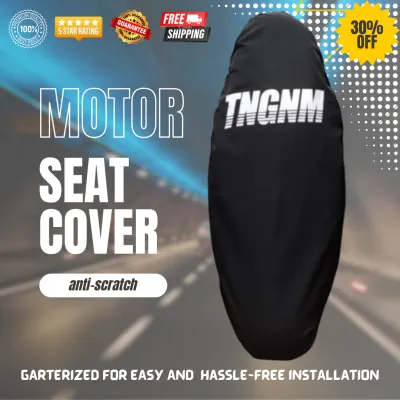
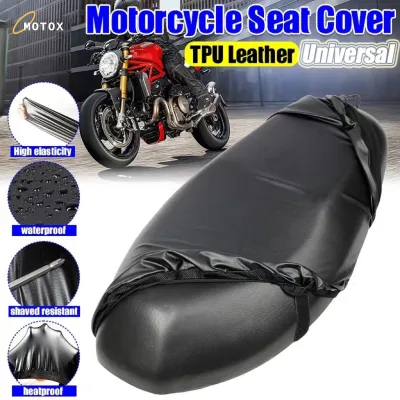
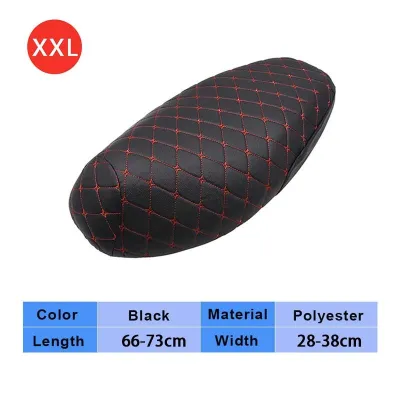
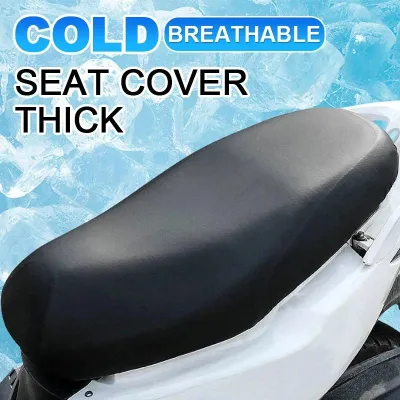
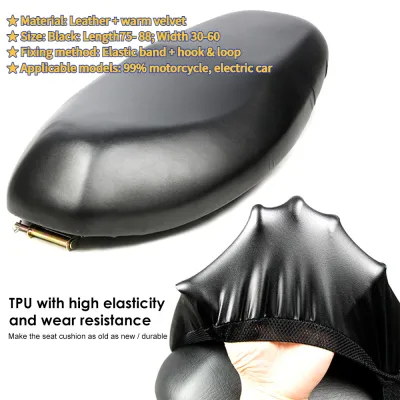
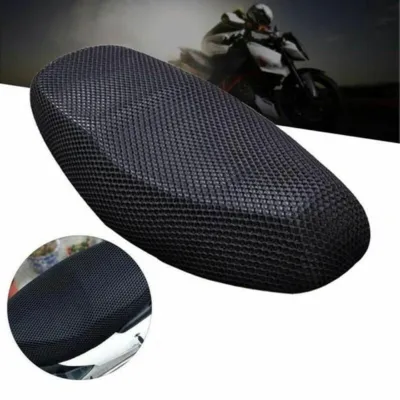
Prices are valid at publication and may change. Please refer to the product page for the latest price.
To ensure a perfect fit, start by checking your vehicle’s registration documents or the owner’s manual to confirm the exact model year and variant. While you can measure the length and width of your seat using a flexible measuring tape, aftermarket manufacturers typically categorize their products by model compatibility rather than raw dimensions. Look for products that explicitly state compatibility with the “Honda Beat V3” or “Honda Beat FI V3” to avoid alignment issues.
When shopping, you will encounter two main types of seat covers: universal fit and model-specific custom-molded covers. Universal covers rely on highly elastic materials and drawstrings to stretch over a wide range of scooter models. While they are widely available, they often fail to hug the sharp contours of the V3 seat, leading to air pockets, sliding, and water accumulation. Custom-molded covers, on the other hand, are patterned directly from the V3 seat pan, ensuring a snug, glove-like fit that preserves the original lines of your scooter.
Using a custom-molded cover also ensures that the cover does not interfere with the under-seat compartment (U-box) or the fuel cap access. A cover that is too thick or poorly patterned can prevent the seat from latching securely, which poses a security risk for your stored items. By verifying that the cover is designed specifically for the V3, you maintain the full functionality of your scooter’s locking mechanism.
Comparing Common Seat Cover Materials for Scooters
Selecting the right material for your seat cover depends heavily on your daily riding habits and where you typically park your scooter. The tropical climate of the Philippines presents unique challenges, from extreme solar heat to torrential rains, making material choice a critical decision for rider comfort and product longevity.

Synthetic leather, typically made from polyurethane (PU) or polyvinyl chloride (PVC), is a highly popular option for riders who prefer a clean, original equipment manufacturer (OEM) appearance. PVC is exceptionally water-resistant and easy to wipe dry after a sudden downpour, preventing water from seeping into the seat foam. However, synthetic leather tends to absorb and retain significant heat when parked under direct sunlight. This can make the seat incredibly hot to sit on initially, though choosing UV-treated synthetic leather can help reduce material degradation and cracking over time.
Breathable double-layer mesh covers, often referred to as “cool covers” or anti-scald mesh, are designed specifically to combat heat buildup. These covers feature a three-dimensional honeycomb structure that creates an insulating air gap between the rider and the seat surface. This design allows air to circulate continuously while you ride, drastically reducing sweat and discomfort during long commutes in heavy traffic. The primary trade-off is water management; while the mesh itself does not absorb water, rain passes directly through it. If your original seat vinyl has tears, water can reach the foam underneath, requiring you to dry the seat thoroughly after a storm.
Neoprene and specialized waterproof textiles offer a balanced middle ground for daily commuters. Neoprene is highly elastic, providing a cushioned, comfortable feel while offering excellent water resistance that protects the internal foam from rotting. It is highly durable and resists tearing, but it can feel somewhat warm over long distances and requires proper stitching care to prevent water from leaking through the seams. Understanding these material characteristics allows you to choose a cover that aligns with your parking situation and comfort preferences.
Essential Features to Evaluate Before Purchase
Beyond material and fitment, several functional features dictate how well a seat cover performs during daily use. Evaluating these details before making a purchase will help you avoid common issues like cover slippage, premature wear, and water leakage.
An effective anti-slip backing is one of the most important safety and comfort features to look for. The underside of the seat cover should feature a textured, rubberized grip or silicone dots that hold fast against the original vinyl seat. Without a secure backing, the cover can slide forward during sudden braking or shift sideways during cornering, which compromises your stability and control over the scooter. Additionally, look for robust fastening systems, such as heavy-duty adjustable buckle straps or high-tension elastic borders, rather than thin, fragile strings that can easily snap under tension.
Water resistance levels and seam construction directly impact how dry you stay during the rainy season. Even if the main fabric is completely waterproof, water can easily penetrate the needle holes along the seams. High-quality seat covers feature double-stitched seams or heat-sealed joints that block water entry. If you ride frequently in heavy rain, look for covers that incorporate a waterproof inner lining or sealed stitching to ensure that water does not slowly seep through to the seat foam, which can lead to mold growth and unpleasant odors.
Stitching quality and UV resistance are critical for long-term durability, especially if you park your scooter in open, unshaded areas. Constant exposure to ultraviolet rays can cause standard threads to rot and break, leading to split seams. Look for covers sewn with UV-resistant nylon or polyester threads. A well-constructed cover will also feature reinforced edges to prevent fraying along the high-friction areas where your thighs rub against the seat while riding.
Sourcing and Verifying Compatibility from Local Sellers
Finding a compatible seat cover in the Philippines involves navigating both physical retail shops and online marketplaces. Taking a systematic approach to sourcing ensures you receive a genuine, high-quality product that fits your Honda Beat V3 perfectly.
For riders who prefer official accessories, visiting authorized Honda dealerships or official brand stores is a reliable starting point. While OEM seat covers may have limited styling options, they offer guaranteed compatibility and adhere to strict quality standards. Dealership staff can also assist you in verifying that the accessory is designed specifically for the V3 variant before you complete your purchase.
When browsing online marketplaces, use precise search terms such as “Honda Beat V3 seat cover” to filter out irrelevant products. Avoid listings that use generic titles claiming to fit all scooter models. Take the time to read customer reviews thoroughly, paying close attention to feedback from other Honda Beat V3 owners. Look for uploaded photos and videos in the review section to observe how the cover fits on actual V3 seats, noting any areas where the fabric appears loose or bunched.
Before finalizing your online purchase, verify the seller’s return and refund policies. Because aftermarket manufacturing tolerances can vary, there is always a slight risk that a cover may not fit your specific seat pan perfectly. Choose sellers who offer clear buyer protection and hassle-free returns. This allows you to perform a dry fit of the cover upon delivery and return it if it interferes with your seat lock, hinges, or overall comfort.
Installation Checks and Basic Maintenance
Proper installation and routine maintenance are vital to maximizing the lifespan of your new seat cover and protecting your scooter’s original seat. Following a careful installation process prevents damage to both the cover and the underlying foam.
Before installing the new cover, clean the original seat thoroughly with a mild soap solution to remove any dirt, dust, or oils that could cause the cover to slip or trap moisture. If you are using a slip-on cover, begin by aligning the front nose of the cover with the front tip of the seat. Slowly stretch the cover backward over the rear section, ensuring that the center seam remains aligned with the middle of the seat. Once the cover is positioned evenly, tighten the straps or drawstrings underneath the seat pan.
During installation, you must observe key safety boundaries to ensure the scooter remains safe to operate. Verify that no straps, hooks, or excess drawstring cords obstruct the seat latch mechanism, the fuel tank cap, or the hinges of the under-seat compartment. Loose cords must be tucked away securely so they do not dangle near moving parts, the rear wheel, or areas that generate heat, such as the engine bay. If you are performing a full upholstery replacement that requires stapling, use stainless steel staples to prevent rust from forming in high-humidity environments, and ensure the staples do not pierce any internal wiring.
Maintaining your seat cover depends on the material you selected. For synthetic leather covers, wipe the surface regularly with a damp microfiber cloth and mild soap to remove road grime and sweat. Avoid using harsh chemical cleaners, bleach, or abrasive brushes, as these can strip away protective UV coatings and cause the material to crack. If you use a mesh cover, remove it periodically to wash out accumulated dust and debris, allowing it to air dry completely before reinstalling it to prevent moisture from being trapped against the original seat vinyl.
Frequently Asked Questions (FAQ)
Can I use a universal seat cover on a Honda Beat V3?
While universal seat covers are widely available and budget-friendly, they rarely provide an optimal fit for the Honda Beat V3. The V3 features a distinct, contoured seat shape that tapers sharply at the front. A universal cover will often bunch up, slide during sudden stops, or leave loose pockets of fabric that collect rainwater. For the best comfort, safety, and clean appearance, a custom-fit cover designed specifically for the Beat V3 is highly recommended.
Will a dark-colored seat cover get too hot under the sun?
Yes, dark-colored materials, especially black synthetic leather, absorb more solar radiation and can become extremely hot when parked outdoors in the tropical climate of the Philippines. To mitigate this, you can opt for a double-layer mesh cover that allows air circulation, choose a design with lighter-colored accents, or use a reflective seat shade when parking in open areas. Regularly parking in shaded spots or using a simple seat cover protector also helps preserve both the material and your riding comfort.

Community discussion
Share your experience or ask a question. Comments are reviewed before publication.