
Finding the right SEC carbon helmet in the Philippines requires balancing your budget with the essential safety features needed for local roads. Whether you are navigating the daily stop-and-go traffic of Metro Manila or embarking on long weekend rides through provincial highways, a carbon fiber helmet offers a significant advantage in reducing neck fatigue due to its lightweight construction. However, because carbon fiber manufacturing is inherently complex, the price you pay directly influences the helmet’s refinement, ventilation efficiency, and overall comfort. Understanding what each price tier offers allows you to make an informed decision that protects both your head and your wallet.
In the tropical climate of the Philippines, where high humidity and sudden downpours are common, choosing the right riding gear is crucial for both safety and endurance. Carbon fiber has become a highly sought-after material for riders seeking robust protection without the physical strain associated with heavier polycarbonate shells. By evaluating how different price points affect the construction and features of SEC carbon helmets, you can select a model that fits your riding style and financial plan.
How Budget Tiers Define SEC Carbon Helmet Quality
The manufacturing process of carbon fiber helmets is highly labor-intensive, which directly explains the price variance across different market tiers. Entry-level carbon fiber helmets often utilize a composite shell, blending carbon fiber with fiberglass or aramid fibers to keep production costs manageable. While these helmets still offer a weight advantage over standard thermoplastic models, they are generally heavier than pure carbon fiber options and may feature a slightly thicker profile to meet safety standards.
Products mentioned in this guide
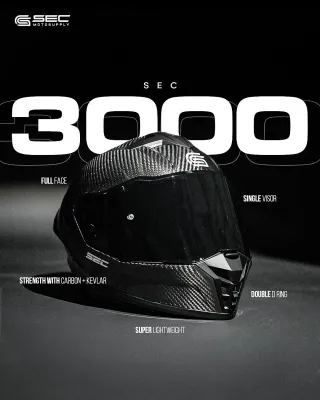
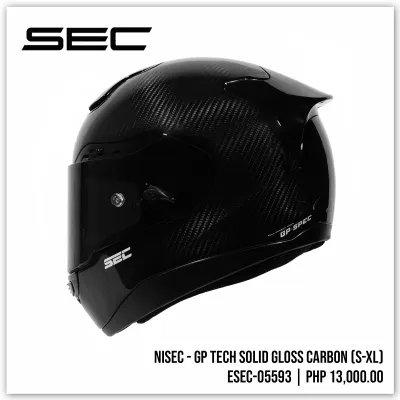
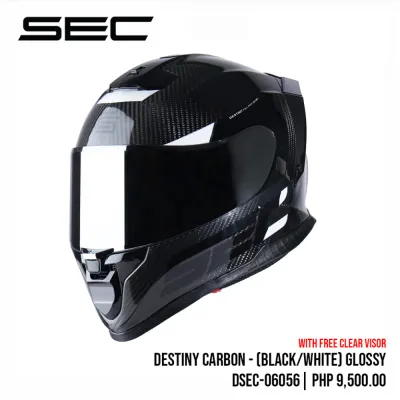
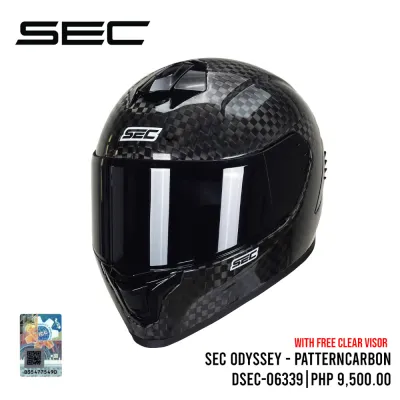
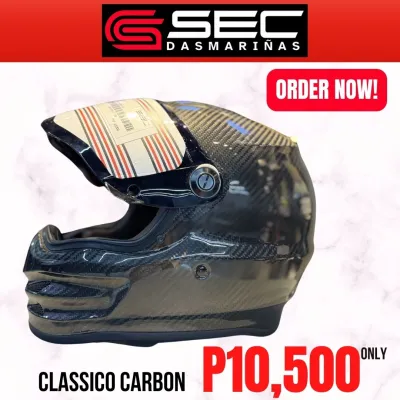
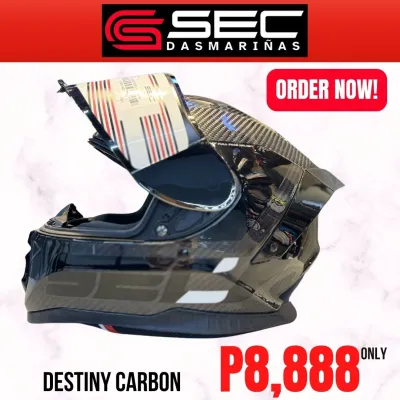
Prices are valid at publication and may change. Please refer to the product page for the latest price.
As you move into the mid-range tier, the construction shifts toward a higher percentage of pure carbon fiber, often utilizing standard 3K or 6K carbon weaves. These models benefit from more precise resin application, which minimizes excess weight while maintaining excellent structural rigidity. The clear-coat finishes on mid-range helmets are also more resilient, featuring ultraviolet inhibitors that help prevent the resin from yellowing or degrading under the intense Philippine sun.
Premium carbon fiber helmets represent a high standard of lightweight protection, often constructed from advanced 12K carbon or specialized forged carbon composites. These high-end models are typically manufactured using pre-impregnated carbon sheets cured under high pressure and temperature in an autoclave. This sophisticated process ensures an optimal fiber-to-resin ratio, eliminating microscopic air pockets and producing an incredibly strong, uniform shell that offers high impact resistance at a very low weight.
Beyond the shell itself, a higher budget funds advanced aerodynamic development and superior ventilation systems. Premium SEC carbon helmets undergo extensive wind-tunnel testing to optimize airflow, reduce drag, and minimize wind noise at highway speeds. They feature complex, multi-channel expanded polystyrene (EPS) liners that actively draw hot, humid air away from the rider’s scalp, providing a much cooler riding experience during hot afternoon commutes.
Balancing Safety Certifications and Comfort Features on a Budget
When shopping for an SEC carbon helmet, safety certifications must remain your absolute, non-negotiable priority regardless of your budget. In the Philippines, any motorcycle helmet used on public roads must carry the official Import Commodity Clearance (ICC) sticker or the Philippine Standard (PS) certification mark. These labels verify that the helmet has passed rigorous local testing and complies with national safety standards, ensuring it can withstand real-world impact forces.

In addition to local certifications, look for recognized international safety standards such as the United Nations Economic Commission for Europe (ECE) 22.05 or the newer, more stringent ECE 22.06 standard. The ECE 22.06 certification involves advanced testing for rotational acceleration and multi-angle impacts, providing a higher baseline of safety. United States Department of Transportation (DOT) certification is also common, though ECE standards are generally considered more comprehensive for modern riding conditions.
To accommodate a tighter budget, you can selectively compromise on secondary comfort features rather than compromising on the structural integrity of the helmet. For instance, lower-priced carbon helmets may feature standard, non-adjustable cheek pads and a basic moisture-wicking liner instead of premium, antibacterial, cooling fabrics. You might also choose a model with a slightly simpler ventilation layout or a standard micrometric chin strap buckle instead of a premium double D-ring retention system, provided the buckle is fully certified.
Another area where budget-conscious riders can save is by opting for a single-visor configuration rather than a dual-visor system. Integrated drop-down sun visors add weight, mechanical complexity, and cost to a helmet, and they can slightly reduce the thickness of the forehead EPS liner. Choosing a high-quality, single clear visor and pairing it with sunglasses or purchasing an accessory tinted visor for daytime riding is an effective way to maximize safety and minimize cost.
How to Verify Authentic Carbon Fiber and Build Quality
With the rising popularity of carbon fiber gear, riders must be able to distinguish genuine carbon fiber SEC helmets from cheap imitations or fiberglass shells finished with a carbon-look water transfer print. A genuine carbon fiber helmet displays a distinct, deep three-dimensional pattern beneath its clear coat. When you rotate the helmet under direct sunlight or a bright flashlight, the carbon weave should catch the light dynamically, showing depth and slight variations in the alignment of the fibers, whereas a printed pattern will look flat, uniform, and artificial.
Physical weight is another critical indicator of authenticity that you can easily verify. Carbon fiber is prized for its exceptional strength-to-weight ratio, meaning a genuine carbon helmet should feel remarkably light when held in your hand. Before finalizing your purchase, check the helmet’s physical weight using a digital scale and compare it directly to the manufacturer’s official specifications, which are typically printed on a sticker at the rear of the shell. If a helmet marketed as carbon fiber feels heavy or lacks clear weight specifications, it may contain a high proportion of heavier composite materials.
Inspect the hand-laid seams of the carbon fiber sheets, which are often visible under the clear coat on genuine helmets. Because these shells are crafted by hand, you will typically find subtle areas where the carbon weave overlaps or changes direction slightly, particularly along the centerline or around complex curves. These minor cosmetic variations are a hallmark of authentic carbon fiber construction, unlike the flawless, perfectly symmetrical patterns produced by automated printing processes.
Finally, remove the comfort liner to inspect the interior build quality and the density of the EPS foam. The EPS liner should be firm, uniform, and free of large gaps, crumbling edges, or rough seams that indicate poor quality control. Test the visor mechanism repeatedly to ensure it operates smoothly and locks securely into place; a high-quality visor seal should compress tightly against the eyeport gasket to prevent wind noise and rainwater intrusion during heavy tropical downpours.
Where to Buy and How to Avoid Counterfeit Carbon Helmets
To ensure you are purchasing an authentic SEC carbon helmet, always buy from authorized physical dealerships, official brand stores, or highly reputable motorcycle accessory shops in the Philippines. Authorized retailers not only guarantee product authenticity but also provide access to genuine replacement parts, such as visors, cheek pads, and ventilation covers, and they can assist you with proper fitment adjustments.
Be highly vigilant against common market red flags, especially when browsing online marketplaces, digital storefronts, or third-party classified ads. If a seller offers a carbon fiber helmet at a price that seems too good to be true—often significantly lower than the standard retail price found in official stores—it is highly likely a counterfeit, a damaged unit, or an older model that has exceeded its recommended shelf life. Other warning signs include missing ICC or BPS certification stickers, flimsy or generic packaging, and a seller’s refusal to provide an official receipt.
When purchasing online, always factor in the cost of secure shipping and transit insurance, as helmets can suffer structural damage if mishandled during delivery. Carefully review the seller’s return and exchange policy before finalizing your order, ensuring you can return the helmet if it arrives with defects or does not fit correctly. Upon delivery, inspect the outer shipping box and the helmet shell thoroughly for any hairline cracks, deep scratches, or loose components before accepting the package.
If possible, visit a physical store to try on the helmet before buying, as different helmet models are designed for different head shapes, such as intermediate oval or round oval. A helmet must fit snugly around your entire head without creating painful pressure points, and your cheeks should be firmly supported by the pads. Purchasing from a physical store allows you to verify this fit, inspect the build quality firsthand, and confirm the presence of genuine safety labels before spending your hard-earned money.
Frequently Asked Questions (FAQ)
How do I clean and maintain the clear coat on a carbon fiber helmet?
To protect the clear coat on your carbon fiber helmet, clean it regularly using only mild soap, warm water, and a soft microfiber cloth. Avoid using harsh household detergents, abrasive sponges, glass cleaners, or petroleum-based solvents, as these chemicals can degrade the protective clear coat and compromise the underlying structural resin. For stubborn dirt or bug splats, drape a warm, wet microfiber cloth over the area for a few minutes to soften the debris before gently wiping it away.
Does a carbon fiber helmet expire, and when should I replace it?
Yes, carbon fiber helmets do expire, and they typically require replacement every five to seven years from the date of manufacture, or five years from the date of purchase, depending on the manufacturer’s guidelines. While the carbon fiber shell itself is highly durable, the internal EPS impact-absorbing liner and the comfort foams degrade over time due to exposure to sweat, hair oils, heat, and humidity. Additionally, you must replace your helmet immediately if it is involved in any significant impact or dropped from a height onto a hard surface, even if there is no visible damage to the exterior shell.

Community discussion
Share your experience or ask a question. Comments are reviewed before publication.