
To maintain clear visibility during the intense downpours of the Philippine monsoon season, the most effective windshield washer fluid is a specialized hydrophobic formula blended with heavy-duty surfactants. This combination ensures that torrential rainwater beads up and rolls off the glass rapidly while cutting through the oily, greasy road film kicked up by traffic on wet asphalt. Unlike standard water or basic blue fluids, a monsoon-ready formula prevents dangerous smearing and maintains a clear line of sight when driving conditions deteriorate rapidly.
Selecting the right fluid requires understanding how tropical weather interacts with automotive glass and wiper systems. The combination of high humidity, ambient heat, and heavy rain creates a unique environment where incorrect fluid choices can lead to dangerous white-out streaks or clogged spray nozzles. By focusing on formulas designed specifically to repel water and dissolve organic road oils, you can ensure your vehicle’s windshield remains crystal clear throughout the wettest months of the year.
Why Monsoon Conditions Change Your Washer Fluid Needs
During the southwest monsoon, or Habagat, driving in the Philippines presents severe visibility challenges. Sudden, torrential downpours can reduce visibility to near zero in a matter of seconds. When heavy rain hits the highway, it mixes with the accumulated oil, soot, rubber dust, and asphalt residue on the road surface. This mixture is kicked up by the tires of leading vehicles, creating a fine, greasy mist that coats your windshield.
Products mentioned in this guide
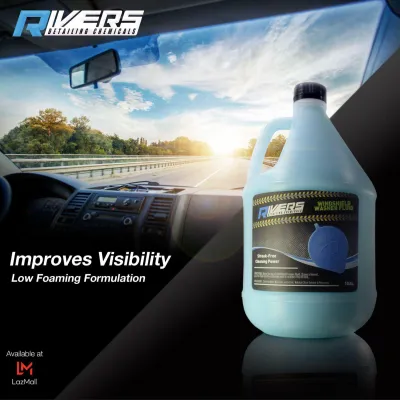
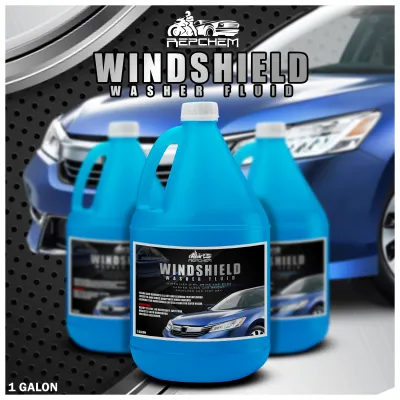
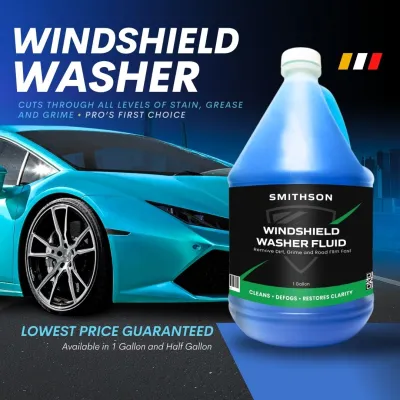
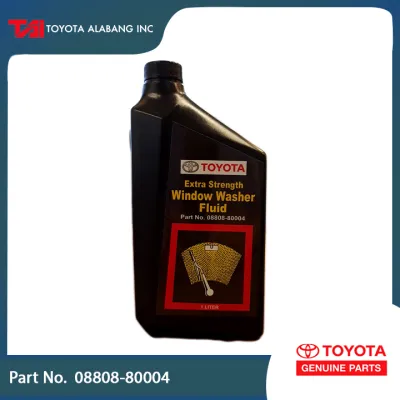
![[1 LITER] Toyota Windshield Washer Fluid - Toyota Auto Parts - TWWF](https://img.lazcdn.com/g/p/fbea552c32776d044e7e4186e55c0aef.jpg_400x400q80.jpg_.webp)
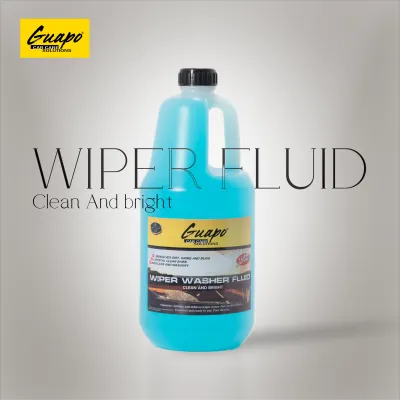
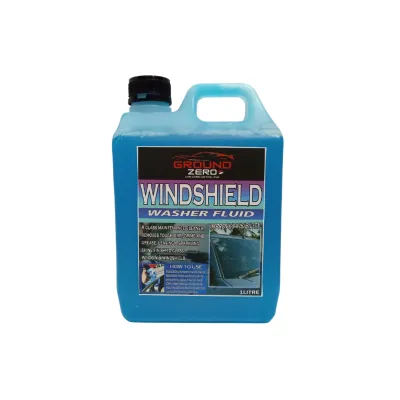
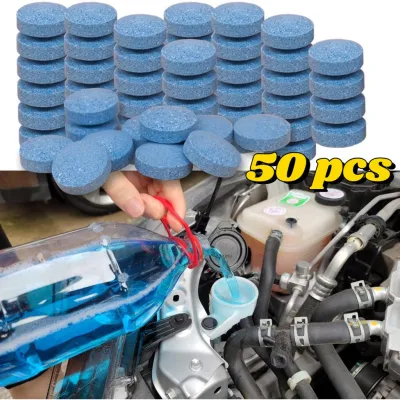
Prices are valid at publication and may change. Please refer to the product page for the latest price.
Standard water or basic, low-cost blue washer fluids are completely inadequate for handling this oily road splash. Because oil and water do not mix, attempting to clear this greasy film with plain water or weak fluids simply smears the grime across the glass. This creates a stubborn, semi-opaque haze that severely distorts light, leading to dangerous glare from oncoming headlights and streetlights during night driving.
Furthermore, the continuous operation of wiper blades during prolonged rainstorms puts significant stress on the wiper assembly. Without proper lubrication, the rubber blades experience high friction against the glass, leading to chattering, skipping, and accelerated wear. A high-quality washer fluid acts as a vital lubricant, allowing the wiper blades to glide smoothly across the glass surface, which ensures a clean sweep and extends the lifespan of the rubber.
Key Formulation Features to Look for on the Label
When shopping for windshield washer fluid at local automotive supply shops or online marketplaces, it is essential to look past generic marketing claims. Phrases like “maximum visibility” or “all-weather formula” do not provide enough technical detail to guarantee performance in tropical downpours. Instead, you must learn to read the product labels to identify the specific chemical properties that will perform under monsoon conditions.

The ideal monsoon formulation must perform two distinct tasks simultaneously: it must repel incoming rainwater and dissolve stubborn road oils. To verify these capabilities, look for explicit mentions of hydrophobic technology and advanced surfactant packages on the product packaging. These active ingredients are formulated to bond with the glass and break down complex organic compounds, ensuring that your wipers can clear the windshield in a single pass.
Water-Repellent and Hydrophobic Additives
Hydrophobic additives work by altering the surface tension of your windshield glass. Untreated glass has a relatively high surface energy, which causes water to spread out into flat sheets that distort light and block your view. Hydrophobic formulas deposit a microscopic layer of polymers or silicone compounds that lower the surface energy, forcing water droplets to pull together into tight, spherical beads.
When driving at highway speeds, typically above 50 to 60 km/h, the aerodynamic airflow over your vehicle naturally pushes these water beads off the glass. This self-clearing effect significantly reduces the workload on your wiper blades and provides a clearer view of the road ahead, even during sudden cloudbursts. On product labels, look for terms such as “water-beading technology,” “rain repellent,” or “silicone-infused polymer” to confirm the presence of these additives.
However, it is important to recognize the limitations of hydrophobic coatings in urban driving environments. In heavy, stop-and-go traffic common in metropolitan areas, there is insufficient airflow to blow the water beads away. In these situations, the water beads will remain on the glass until swept away by your wipers. Therefore, a hydrophobic fluid must always be paired with high-quality wiper blades to prevent the beaded water from obstructing your vision at low speeds.
Heavy-Duty Degreasers and Surfactants
While water-beading additives handle the rain, heavy-duty surfactants are required to tackle the oily road film that accumulates on the glass. Surfactants are chemical compounds that lower the surface tension between the fluid and the oily grime. One end of the surfactant molecule attaches to water, while the other attaches to oil, allowing the fluid to lift, encapsulate, and sweep away greasy residues that would otherwise smear.
When evaluating fluids, look for labels that explicitly promise “streak-free” performance or “anti-smudge” formulations. These products are engineered to dissolve road oils, bug splatter, and tree sap without leaving behind a hazy chemical residue. A clean, residue-free evaporation is critical for preventing the dangerous white-out effect that occurs when headlights shine through a smeared windshield at night.
While strong cleaning action is necessary, you must balance this power against the risk of damaging your vehicle’s exterior. Extremely harsh industrial degreasers can strip away paint sealants, carnauba waxes, or ceramic coatings on your vehicle’s hood and roof. Ensure the label states that the formula is safe for automotive clear coats, rubber weatherstripping, and polycarbonate headlight lenses, as the fluid will inevitably run off the glass and contact these surfaces.
Formulations and Ingredients to Avoid in Tropical Climates
Many windshield washer fluids sold globally are formulated for cold climates where freezing temperatures are a primary concern. These winter-specific fluids contain high concentrations of alcohols, such as methanol or isopropyl alcohol, which act as de-icers to prevent the fluid from freezing in the reservoir or on the windshield. In the tropical climate of the Philippines, these formulations are not only unnecessary but can actually be detrimental to your vehicle.
High-alcohol fluids evaporate extremely rapidly when sprayed onto a warm windshield under the tropical sun. This rapid evaporation leaves behind concentrated chemical additives and dissolved minerals before the wiper blades can complete their sweep, resulting in severe, blinding streaks. Furthermore, constant exposure to high concentrations of alcohol can dry out and degrade the rubber wiper blades and the delicate rubber seals surrounding your windshield, leading to premature failure and potential water leaks.
Using plain tap water or homemade soap mixtures is another common mistake that should be strictly avoided. Tap water contains dissolved minerals like calcium and magnesium, which precipitate out of solution when exposed to the high heat of the engine bay. Over time, these mineral deposits build up inside the washer pump, lines, and spray nozzles, eventually clogging the system entirely. Stagnant tap water in a warm reservoir also serves as an ideal breeding ground for algae and bacterial slime, which can create foul odors and block the fluid lines.
Similarly, DIY mixtures utilizing household dish soaps, laundry detergents, or glass cleaners are highly damaging. These household products are formulated with harsh surfactants and foaming agents that are not designed for automotive use. They can strip the wax and clear coat off your car’s paint, dry out the wiper rubber, and produce excessive foam that obscures your vision rather than clearing it. Additionally, many household cleaners contain ammonia, which can chemically attack and degrade the rubber seals and polycarbonate lenses of your vehicle.
Verifying Compatibility with Wiper Blades and Vehicle Sensors
Before purchasing and pouring a new washer fluid into your reservoir, it is crucial to verify its compatibility with your vehicle’s specific hardware. Modern vehicles are highly integrated systems, and seemingly simple consumables like washer fluid can have unexpected impacts on advanced safety features. Always consult your vehicle owner’s manual to check for any specific fluid restrictions or warnings regarding chemical additives.
Wiper blade materials vary significantly, ranging from traditional natural rubber to advanced synthetic silicone compounds. Some high-performance silicone wiper blades are designed to deposit their own hydrophobic layer onto the glass over time. Using a washer fluid with incompatible solvents or harsh chemical additives can strip this built-in coating or cause the silicone material to swell and lose its structural integrity. Checking the wiper manufacturer’s guidelines ensures that your fluid and blades work in harmony rather than fighting each other.
Furthermore, modern vehicles equipped with Advanced Driver Assistance Systems (ADAS) often feature cameras and optical sensors mounted behind the upper portion of the windshield. These systems rely on a perfectly clear, distortion-free view of the road to operate features like lane-keep assist, automatic emergency braking, and rain-sensing wipers. If a washer fluid leaves a hazy, uneven, or highly reflective hydrophobic film over these sensor zones, it can interfere with the camera’s vision, leading to system errors or unexpected deactivation of critical safety features.
Maintenance and System Checks for the Rainy Season
Preparing your vehicle for the monsoon season involves more than just pouring in a new bottle of washer fluid. To ensure optimal performance when a sudden downpour strikes, you should perform a complete system check and maintenance routine. Start by flushing out any old, stagnant fluid or plain water remaining in the washer reservoir. Run the washer pump until the reservoir is empty, fill it with clean distilled water, run it briefly to clear the lines, and then empty it again before adding your new monsoon-specific formula.
Next, inspect and clean your wiper blades thoroughly. Even the highest-quality washer fluid cannot compensate for torn, cracked, or heavily contaminated wiper rubber. Use a clean microfiber cloth dampened with a mild soapy solution or a small amount of your new washer fluid to gently wipe down the edge of the rubber blades. This removes accumulated road grime, tree sap, and oxidation, restoring the blade’s flexibility and ensuring a clean, streak-free sweep across the glass.
Finally, check and adjust the spray pattern of your windshield washer nozzles. Over time, road vibrations and debris can clog or misalign the nozzles, causing them to spray fluid over the roof of the car or concentrate it only at the very bottom of the windshield. Insert a fine needle or pin gently into the nozzle opening to clear out any mineral buildup, and use the pin to carefully pivot the nozzle direction. Aim the spray so that the fluid covers the upper and middle portions of the wiper sweep area, ensuring even distribution and maximum cleaning efficiency when driving in heavy rain.
Frequently Asked Questions (FAQ)
Can I mix different brands of windshield washer fluid?
Mixing different brands or formulations of windshield washer fluid is highly discouraged. When different chemical compounds, such as a hydrophobic polymer formula and a standard surfactant-based fluid, are mixed together in the reservoir, they can undergo an adverse chemical reaction. This reaction often causes the active ingredients to precipitate out of the solution, forming a thick, gelatinous sludge at the bottom of the tank. This sludge can easily clog the internal filter, damage the electric washer pump, and completely block the fine spray nozzles, requiring a difficult and potentially expensive system flush and repair.
Do I need to dilute concentrated monsoon washer fluids?
Whether you need to dilute your washer fluid depends entirely on the specific instructions provided on the product label. Concentrated formulas are designed to be mixed with clean distilled water according to precise ratios specified by the manufacturer. Using a concentrated fluid undiluted will not provide superior cleaning power; instead, the excessive chemical concentration will leave a thick, sticky residue on your windshield that smears under the wiper blades and attracts more road grime. Conversely, over-diluting the mixture will weaken the active surfactants and hydrophobic agents, rendering the fluid ineffective against heavy monsoon oils. Always use distilled water for dilution to prevent mineral buildup.

Community discussion
Share your experience or ask a question. Comments are reviewed before publication.