
Choosing the right engine oil is critical for maintaining vehicle health, especially when navigating the unique driving environment of the Philippines. The 5W-30 viscosity rating indicates how easily an engine oil flows at low temperatures and how well it maintains its thickness at high operating temperatures. While many car owners wonder if a 5W-30 oil is too thin for a tropical climate, its suitability depends entirely on your vehicle manufacturer’s design specifications rather than the ambient weather alone. Modern engines are engineered with precise clearances that require specific oil grades to ensure proper lubrication, making it essential to verify your owner’s manual before purchasing any product, including fully synthetic options.
Decoding the 5W-30 Viscosity Rating
To understand what you are putting into your engine, it helps to break down the alphanumeric code established by the Society of Automotive Engineers (SAE). The “5W” portion of the rating refers to the oil’s low-temperature flow characteristics, with the “W” standing for winter. A lower number before the W indicates that the oil remains more fluid in cold conditions, which minimizes resistance and reduces wear on critical engine components during a cold start. Even in a tropical country where freezing temperatures do not occur, a lower winter rating still helps the oil circulate rapidly through the engine block immediately upon ignition, protecting components before the engine reaches its standard operating temperature.
The second number, “30,” represents the oil’s kinematic viscosity measured at 100 degrees Celsius, which is the typical operating temperature of a fully warmed-up engine. This rating indicates the oil’s ability to maintain a protective film between moving metal parts under high heat. A higher number signifies a thicker oil film, while a lower number indicates a thinner, more easily sheared film.
Products mentioned in this guide
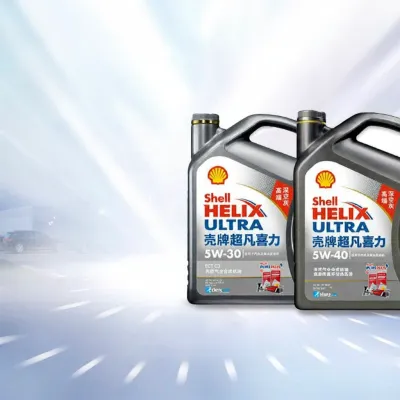
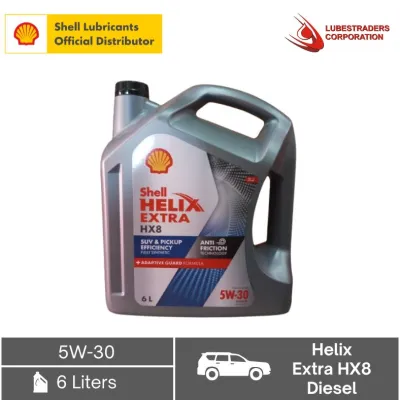
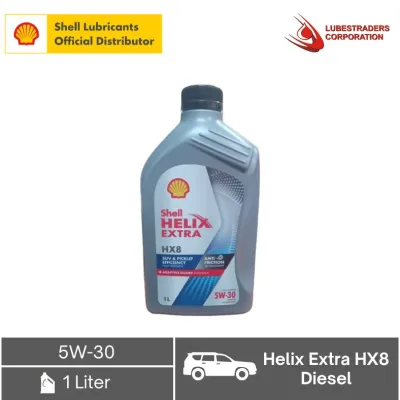
Prices are valid at publication and may change. Please refer to the product page for the latest price.
It is important to recognize that these numbers are standardized flow ratings rather than direct indicators of the outside air temperature. Modern engine oils are multigrade, meaning they use viscosity index improvers to behave like a thin oil when cold and a thicker oil when hot. This allows a 5W-30 oil to provide reliable protection across a wide range of thermal conditions without breaking down or becoming too thick to pump.
Is 5W-30 Suitable for Philippine Driving Conditions?
A common misconception among motorists in the Philippines is that the local tropical climate and intense summer heat demand a thick engine oil, such as a 10W-40 or 20W-50 grade. This belief stems from older automotive designs that featured wider mechanical clearances and relied on thick oil to cushion moving parts. However, modern engines are built with tight tolerances and highly efficient oil pumps that are specifically calibrated to circulate thinner oils. Using an excessively thick oil in a modern engine designed for 5W-30 can restrict oil flow, increase internal friction, and prevent the lubricant from reaching critical areas quickly.

Furthermore, the internal operating temperature of a modern engine is regulated by its cooling system, which keeps the engine block at a stable temperature range regardless of whether the outside air is 20 or 35 degrees Celsius. While stop-and-go traffic in major metropolitan areas can elevate engine bay temperatures, a properly functioning cooling system prevents the engine from overheating.
In these high-heat, low-speed driving scenarios, a 5W-30 oil provides the necessary balance of fluid protection and rapid circulation. It flows easily through the tight passages of modern engines, carrying heat away from critical components and returning it to the oil pan to be cooled. Relying on outdated assumptions about climate can lead to choosing an incorrect viscosity that starves the engine of lubrication during critical operating moments.
Evaluating Fully Synthetic Options Like Shell 5W-30
When selecting an engine oil, you will generally choose between conventional, synthetic blend, and fully synthetic formulations. Conventional oils are refined directly from crude oil, while synthetic blends combine conventional and synthetic base stocks. Fully synthetic oils, such as a Shell 5W-30 fully synthetic product, are engineered from highly purified base oils and advanced additive packages. This molecular engineering results in uniform molecule sizes, which significantly improves the oil’s performance under extreme conditions.
Fully synthetic oils offer enhanced resistance to thermal breakdown and oxidation compared to conventional counterparts. In the demanding stop-and-go traffic of Philippine roads, where engines idle for extended periods under load, fully synthetic lubricants resist the formation of sludge and varnish. This helps keep the internal engine components clean and ensures that the oil maintains its protective viscosity over a longer service interval.
However, simply choosing a fully synthetic oil from a reputable brand is not enough. You must verify that the specific product meets the exact performance standards required by your vehicle manufacturer, such as those set by the American Petroleum Institute (API), the International Lubricant Standardization and Approval Committee (ILSAC), or specific original equipment manufacturer (OEM) specifications. A premium brand or synthetic base oil cannot compensate for using a product that lacks the correct industry certifications for your specific engine type.
How to Confirm the Correct Oil for Your Vehicle
To ensure the longevity and performance of your vehicle, you should always follow a systematic verification process before purchasing or changing your engine oil. The primary and most reliable source of information is your vehicle’s owner’s manual. This document contains a dedicated maintenance section specifying the recommended SAE viscosity grades and the necessary performance certifications for your engine.
If the owner’s manual is not readily accessible, you can often find the recommended oil viscosity printed directly on the engine’s oil filler cap or on a placard located under the hood. These manufacturer markings serve as a quick reference guide for routine maintenance.
When performing an oil change, always ensure the engine is cool to prevent burns, follow the original-vehicle instructions for torque specifications on the drain plug, and consider seeking qualified professional service if you lack the proper tools or experience. Avoid the temptation to switch to a different viscosity grade based on informal advice from mechanics, online forums, or general assumptions about the local climate. Deviating from the manufacturer’s guidelines can void your vehicle’s warranty and lead to accelerated engine wear or mechanical failure.
Frequently Asked Questions (FAQ)
Can I mix 5W-30 fully synthetic oil with conventional oil?
Mixing fully synthetic oil with conventional oil is generally safe in an emergency situation where your oil level is dangerously low and no synthetic option is available. However, doing so will dilute the performance benefits of the synthetic oil, reducing its thermal stability and lifespan. You should have the oil and filter changed to the correct, uniform specification at the next available opportunity to maintain optimal engine protection.
Does using a thicker oil than recommended reduce engine wear in hot weather?
No, using a thicker oil than recommended does not reduce engine wear in hot weather and can actually cause harm. Modern engines are designed with precise clearances that require a specific viscosity to flow correctly. An unapproved thicker oil can cause poor circulation, higher operating pressures, and inadequate lubrication during startup, which increases wear on internal components and reduces overall fuel efficiency.

Community discussion
Share your experience or ask a question. Comments are reviewed before publication.